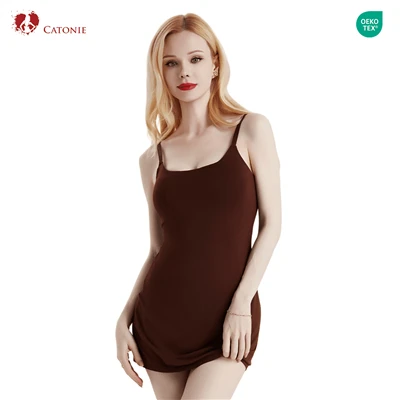
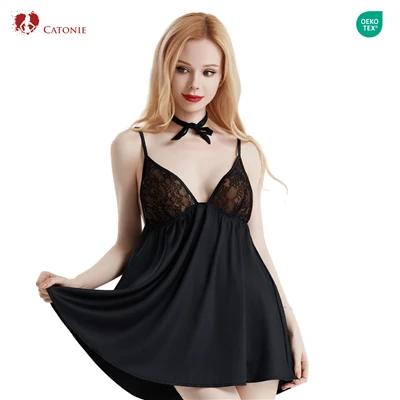
Summer is here, and many people start choosing swimsuits. At first glance, a swimsuit seems like just an outfit for the pool, beach, or water park, but when you actually start choosing, you'll find there are quite a few issues. This is especially true for fitted swimsuits; they look simple, but actually require attention to fabric, cut, elasticity, and support. Many people buy swimsuits based on color and style, ordering if they think it looks good, only to find after trying it on that it's too tight, too sheer, too constricting, or rides up in the water, not as comfortable as they imagined.

Fitted swimsuits are different from regular casual clothes; it's not just about a "fit." You also need to consider how it feels in the water. Once in the water, the swimsuit will feel completely different from when you tried it on due to water pressure, movement, friction, and the changes after it gets wet. Some people find a swimsuit fits perfectly normally, but feel uncomfortable in the water with pressure on their chest; others are fine standing, but worry about showing too much while swimming; still others buy a size too small to look slimmer, only to find it leaving marks all over their body and making it difficult to breathe. Therefore, you really can't just look at the appearance before buying a form-fitting swimsuit. It may seem like a small item, but it hides many easily overlooked details. The more you understand these details, the easier it is to buy a swimsuit that truly suits you. The following 5 truths can help you avoid many pitfalls and make you clearer about what to look for and what to avoid when choosing a swimsuit.
Close-fitting does not equate to tighter being better
Many people believe that the tighter a form-fitting swimsuit is, the more flattering it will be, but this is a common misconception.
Form-fitting means "fitting the body," not "constricting the body." If it's too tight, you'll feel obvious pressure when wearing it, and it will easily become uncomfortable after a while.
For example:
• If it's too tight at the chest, you'll feel like you can't breathe.
• A swimsuit that's too tight around the waist and abdomen is awkward to sit on.
• Tight shoulder straps pull on your arms when you move them.
Some people deliberately buy a size too small for better photos, but this often results in marks and shifting after swimming. A truly well-fitting swimsuit should allow for natural movement without sagging.
Fabric is more important than style
Many people look at the style first, then the fabric, but the order should actually be reversed. The fabric plays a large role in whether a swimsuit is comfortable. Good fabric is more elastic, more durable, and less likely to deform after soaking. Poor quality fabric tends to stiffen. Elastic swimsuits allow for more natural movement. Quick-drying fabrics also make swimming easier. For example, a very thin, very soft swimsuit may look light, but it might become see-through, wrinkle, and even lose its support after swimming. Conversely, a well-fitting swimsuit, even with a simple design, will be more durable.
The Feel Changes After Water
This is a point many people easily overlook when buying swimsuits. Trying them on is done in a dry state, but actual use happens in the water. When the garment gets wet, its weight, fit, transparency, and elasticity all change.
For example:
· It might fit perfectly dry, but become tighter when wet.
· It might not be see-through when dry, but become more visible when wet.
· It might look normal when dry, but ride up after swimming.
Therefore, when buying a close-fitting swimsuit, don't just rely on how it looks in the mirror. Think about whether you're going swimming, playing in the water, or doing water sports. Different scenarios require different swimsuits. Judging solely by how it looks when standing can easily lead to a mistake.
The style of a swimsuit directly affects the level of embarrassment
Close-fitting swimsuits aren't necessarily better the simpler or the more complex they are; the key is a proper fit. Some swimsuits look ordinary but feel very secure when worn; some swimsuits have beautiful designs but make you feel uneasy when actually wearing them.
Several common issues can be identified:
· Insufficient chest support, leading to a loose, shifting fit.
· A low back design provides a lack of security during movement.
· High leg openings cause discomfort when walking or sitting.
· An improperly tailored waist accentuates body flaws.
For example, when swimming in a public pool, an unsupportive swimsuit can cause constant worry about potential problems with large movements, preventing relaxation. The biggest problem with form-fitting swimsuits isn't their appearance, but their constant distraction.
A Fit is Key to a Flattering Figure
Many people buy form-fitting swimsuits to look more energetic and streamlined, but true figure enhancement isn't about forced looks, but about a comfortable, supportive fit that allows for natural movement. A well-chosen form-fitting swimsuit will create a more natural silhouette and enhance your overall appearance. For slender individuals, styles with some structure are more flattering and prevent a flimsy appearance. Women with fuller busts need more stable support and shouldn't prioritize sexiness alone. Those concerned about their waist and abdomen can choose swimsuits with cleaner lines. Those who enjoy sports should opt for simpler, more robust designs. A truly beautiful swimsuit isn't about being overly tight to create a slimming effect, but about allowing you to move naturally, go into the water naturally, and raise your arms naturally. Effortless beauty is the most enduring.
Before buying a form-fitting swimsuit, here are 5 truths you should know, all related to comfort: First, a close-fitting swimsuit doesn't mean the tighter the better; too tight will only affect the experience. Second, the fabric is more important than the style; elasticity and durability determine the wearing experience. Third, your appearance in the water will be completely different from when you try it on; don't just look at how it looks in the mirror. Fourth, the cut directly affects your sense of security and level of embarrassment, especially noticeable in public. Fifth, a truly flattering swimsuit isn't one that's rigidly constricting, but one that feels natural, stable, and comfortable against the body. Many people are easily attracted by the appearance when buying swimsuits, thinking that a pretty color and a novel design are enough. However, a swimsuit is different from ordinary clothes; it's meant to be worn in the water. If you choose the wrong one, the problems will be magnified immediately: too tight and it will feel constricting, too loose and it will float, too thin and it will be see-through, and an ill-fitting design will feel awkward. It may seem like just a small swimsuit, but it can actually affect your entire swimming experience.