Abstract
This exploration examines the diverse world of intimate apparel, providing a comprehensive analysis of fifteen distinct categories of lingerie. The objective is to move beyond a purely functional understanding of undergarments and to investigate their roles in personal expression, cultural history, and aesthetic appreciation. The inquiry delves into the specific design characteristics, material compositions, and historical evolutions of garments ranging from foundational pieces like bras and panties to more specialized items such as corsets, babydolls, and bridal trousseaus. It considers the shift in narrative from lingerie as an object for an external gaze to a tool for self-empowerment and body positivity. By systematically deconstructing each style, the text illuminates the intricate relationship between clothing, the body, and the human capacity for self-creation. The analysis also extends to the practical considerations for brands and designers, exploring OEM/ODM manufacturing models and the process of bringing a personalized lingerie concept to fruition in the contemporary market of 2025.
Key Takeaways
1. Understand the specific design, fabric, and purpose of each lingerie type.
2. Learn to select pieces that align with personal comfort and aesthetic goals.
3. Explore the historical context that has shaped modern lingerie styles.
4. Discover how to style lingerie as both innerwear and expressive outerwear.
5. Integrate different types of lingerie into a wardrobe for self-confidence.
6. Recognize the value of custom design for a perfect fit and unique style.
7. Appreciate lingerie as a powerful tool for self-expression and identity.
The Foundational Layer: Understanding Bras and Panties
Before one can appreciate the intricate poetry of a full lingerie ensemble, one must first understand its basic grammar. The foundational elements of nearly every lingerie collection are the bra and the panty. To dismiss them as merely utilitarian is to overlook the profound role they play in shaping both the physical silhouette and the internal sense of self. They are the first layer of adornment, the canvas upon which more elaborate expressions are built. Their relationship with the body is the most consistent, a daily dialogue of support, comfort, and form. Thinking about these garments requires a consideration of human vulnerability and the need for structures that both protect and enhance our physical being.
The Spectrum of Bra Styles: From Balconette to Bralette
The term "bra" encompasses a vast and varied universe of designs, each engineered to produce a different effect. Consider the balconette, with its low-cut cups and wide-set straps; its primary function is to lift and create cleavage, presenting a particular vision of rounded fullness. Its architecture is deliberate, a small-scale feat of engineering designed to alter the natural line of the bust for a specific aesthetic outcome. Contrast this with the full-cup bra, which prioritizes coverage and support, its design speaking to a desire for security and comfort throughout a long day.
Then there is the plunge bra, with its deep V-neckline, made for garments that would otherwise reveal a standard bra's center gore. Its existence acknowledges a world of fashion that demands its own unique underpinnings. The t-shirt bra offers a seamless, smooth contour, a quiet promise not to interrupt the sleek surface of a knit top. Its value lies in its invisibility. At the other end of the spectrum lies the bralette, which has surged in popularity. Often unlined and wire-free, the bralette represents a turn toward natural shaping and comfort, prioritizing a feeling of freedom over the rigid sculpting of its underwired cousins. Each style is a response to a different need, a different outfit, a different philosophy of how the body should be presented and experienced.
Panty Varieties: A Foundation for Every Outfit
Similar to the bra, the panty is not a monolith. Its forms are manifold, each offering a unique combination of coverage, comfort, and line. The thong and the G-string represent a minimalist approach, designed to eliminate the visible panty line under form-fitting clothes. They represent a practical solution to a common sartorial problem, yet they also carry connotations of sensuality and daring. The bikini cut offers a classic, moderate coverage, a reliable choice for daily wear that balances comfort with a flattering shape.
The brief, or full brief, provides maximum coverage, often rising higher on the waist. It speaks to a preference for security and a smooth line under clothing, sometimes incorporating control panels to gently shape the abdomen. The boyshort, with its rectangular shape and full coverage of the hips, borrows from masculine aesthetics to create a look that can be perceived as sporty, comfortable, or playfully alluring. Each of these styles interacts with the body differently, affecting not only how clothes hang but also how the wearer feels. The choice of a panty is a small but significant decision in the daily construction of one's personal presentation.
Fabric and Function: The Intersection of Comfort and Aesthetics
The choice of material in these foundational garments is a matter of profound importance. Cotton is prized for its breathability and softness, making it an excellent choice for everyday wear where comfort is paramount. It is a humble, reliable fabric that respects the body's need for air and gentle contact. Microfiber, a synthetic blend, offers a sleek, smooth feel and is excellent at wicking moisture, making it suitable for active days or warmer climates. Its chief virtue is its seamless quality and its ability to feel like a second skin.
Then we enter the realm of more overtly sensual fabrics. Lace, with its intricate patterns and delicate texture, introduces an element of visual art and romanticism to the garment. It is not chosen for its utility alone but for its beauty. Silk and satin offer a luxurious, fluid feel against the skin, transforming a simple garment into a sensual experience. The coolness and smoothness of silk can feel like a private indulgence, a secret source of pleasure worn just for oneself. The material of a bra or panty is the most intimate point of contact between the garment and the skin, and its selection is a key determinant of the wearer's physical and emotional experience.
Type1. The Babydoll and Chemise: Whispers of Playful Allure
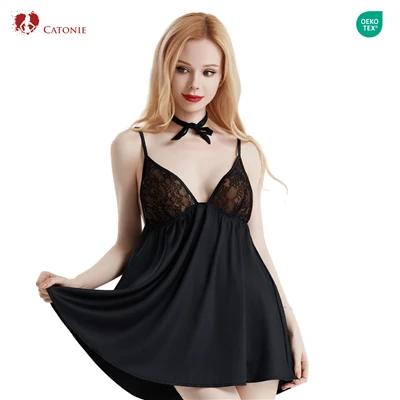
The babydoll and chemise occupy a special place in the lexicon of sexy lingerie. They are garments defined by a sense of flowing movement and a particular kind of youthful, playful femininity. Unlike the rigid structure of a corset or the overt provocation of other styles, the babydoll suggests a softer, more romantic form of allure. It hints at what is beneath without revealing everything, its power lying in suggestion rather than explicit statement. Its form-typically a short, loose-fitting nightgown or negligee-is designed to skim the body, emphasizing the bust and flowing freely over the waist and hips.
Historical Context and Evolution
The modern babydoll has its origins in the 1956 film Baby Doll, where actress Carroll Baker wore a short, flirty nightgown that sparked a fashion phenomenon. The style, however, built upon a longer history of short, informal nightwear. Before this, the chemise served as a foundational undergarment for centuries, a simple linen or cotton shift worn next to the skin to protect outer clothing from bodily oils. Over time, the chemise evolved from a purely practical item into a more decorative one, crafted from finer fabrics like silk and adorned with lace. The 20th century saw the babydoll emerge as a distinct style, shorter and more overtly flirtatious than the traditional chemise, embodying a new, more liberated sense of femininity. It captured a spirit of girlish charm fused with adult sensuality.
Design Characteristics: Fabric, Fit, and Flourishes
The quintessential babydoll features an empire waistline, with the fabric gathered just below the bust and falling into a short, A-line skirt. The bust area is often constructed from lace or sheer fabric, sometimes with soft, unstructured cups to provide gentle shaping. The body of the garment is typically made from lightweight, flowing materials like chiffon, georgette, or sheer nylon, which move with the wearer and create a sense of ethereal grace.
A chemise, by contrast, is generally simpler in its construction. It is typically cut straight or with a slight A-line flare, falling from the shoulders without the defined empire waist of a babydoll. It can be of any length, from mid-thigh to the ankle. While both can be considered nightgowns, the babydoll is almost always short and is more closely associated with the category of sexy lingerie. Both garments often come with matching panties, completing the ensemble. The choice between a babydoll and a chemise often comes down to a preference for the babydoll's bust-enhancing, waist-obscuring silhouette versus the chemise's simple, elegant drape.
Styling for Modern Sensibilities
In 2025, the babydoll and chemise are not confined to the bedroom. A simple silk chemise can be styled as a slip dress, worn under a blazer or a chunky knit sweater for a sophisticated look that plays with the contrast between soft and structured textures. A high-quality babydoll, especially one made from opaque fabric, can be worn as a playful tunic top over leggings or skinny jeans. The key to wearing these pieces as outerwear is to choose luxurious fabrics and ensure the garment is not overly transparent. They offer a way to incorporate a touch of romanticism and softness into an everyday wardrobe, challenging the conventional boundaries between innerwear and outerwear.
Type2. The Teddy and Bodysuit: A Seamless Union of Form
The teddy and the bodysuit represent a category of lingerie that unifies the top and bottom into a single, cohesive garment. They are celebrated for creating a long, uninterrupted line that can be both flattering and powerfully sensual. While often grouped together, a nuanced understanding reveals key differences in their design, intent, and versatility. To choose between them is to make a decision about structure, function, and the particular story one wishes to tell with one's body. These garments ask us to consider the body as a whole, a continuous form to be celebrated in a single sweep of fabric.
Defining the Difference: Teddy vs. Bodysuit
The primary distinction between a teddy and a bodysuit lies in their fit and function. A teddy is almost exclusively a piece of lingerie. It is typically looser fitting, often blousing around the waist, and is crafted from delicate, sensual fabrics like silk, satin, or sheer lace. Its construction prioritizes aesthetics and a sense of ease; it is a garment for the boudoir, designed for romance and lounging. The leg openings are often high-cut, and the overall feel is one of soft, languid elegance.
A bodysuit, on the other hand, is a more structured and versatile garment. It is almost always form-fitting, designed to hug the body like a second skin. Bodysuits are made from a wider range of materials, including stretch cotton, jersey, and spandex blends, in addition to lace and mesh. Their construction often includes practical features like snap closures at the crotch, making them functional for all-day wear. While many bodysuits are designed as sexy lingerie, many others are created to be worn as tops, seamlessly tucking into trousers or skirts.
|
Feature |
Teddy |
Bodysuit |
|
Primary Purpose |
Lingerie, Loungewear |
Lingerie, Outerwear (as a top) |
|
Fit |
Generally loose, blouson-style |
Form-fitting, body-hugging |
|
Common Fabrics |
Silk, satin, chiffon, delicate lace |
Lace, mesh, stretch cotton, jersey, spandex |
|
Closure |
Usually none; slips on |
Often has snap-crotch closure |
|
Versatility |
Primarily for private wear |
Can be worn as part of an everyday outfit |
|
Aesthetic |
Soft, romantic, playful |
Sleek, structured, versatile |
Material Choices: Lace, Mesh, and Stretch Fabrics
The choice of fabric is fundamental to the character of a teddy or bodysuit. A teddy made of pure silk communicates a message of quiet luxury and sensuous pleasure. The way the fabric drapes and feels against the skin is its primary appeal. A lace teddy, on the other hand, is about visual texture and the art of concealment and revelation. The intricate patterns of the lace create a play of shadow and light on the skin.
For bodysuits, fabric choice is often tied to intended use. A bodysuit made from stretch cotton or modal jersey is designed for comfort and to serve as a smooth layering piece. It is a practical wardrobe staple. A mesh bodysuit plays with transparency, offering a bold and modern aesthetic that can be layered under jackets or over bralettes. A lace bodysuit combines the sensuality of traditional lingerie with the modern silhouette of a top, making it a powerful piece for an evening look. The rise of innovative stretch-lace fabrics has allowed for bodysuits that offer both the visual appeal of lace and the comfortable, body-hugging fit required for versatile wear.
Versatility in Wardrobing: From Boudoir to Outerwear
The bodysuit, in particular, has transcended its origins as an undergarment to become a cornerstone of modern wardrobing. Its key advantage is the clean, tucked-in line it provides. There is no bunching or untucking, just a smooth silhouette from shoulder to hip. A simple black turtleneck bodysuit is a workhorse of a sophisticated wardrobe. A long-sleeved lace bodysuit paired with high-waisted trousers and a blazer is a chic and contemporary evening ensemble.
Even the teddy is finding its way out of the bedroom. A silk teddy with a beautiful print can be worn with jeans and a cardigan for a relaxed, bohemian look, provided its cut is not too revealing. The decision to wear these pieces as outerwear is an act of confidence, a way of claiming the beauty and artistry of lingerie for the public sphere. It challenges the arbitrary line between what is meant to be seen and what is meant to be hidden, allowing for a more integrated and expressive personal style.
Type3. The Corset and Bustier: Sculpting the Silhouette
The corset and its close relative, the bustier, are perhaps the most historically charged and architecturally complex pieces in the world of lingerie. They are garments of transformation, designed to dramatically alter the body's silhouette by cinching the waist, supporting the bust, and creating a specific, idealized form. To wear a corset is to engage in a dialogue with centuries of fashion history, power dynamics, and evolving ideals of the female body. Far from being mere relics, these structured garments continue to be reinterpreted in 2025 as powerful tools of self-expression and aesthetic construction.
A Rich History of Structure and Support
The history of the corset is long and complex. Its precursors can be seen in ancient civilizations, but it rose to prominence in European fashion in the 16th century. For centuries, it was not an optional undergarment but a required piece of clothing for women of a certain social standing. It provided posture, supported the weight of heavy outer garments, and shaped the body into the fashionable silhouette of the era, whether it was the conical torso of the Elizabethan period or the hourglass figure of the Victorian age. These historical corsets were often stiffened with whalebone (baleen), wood, or metal.
The 20th century saw a rebellion against the corset's restrictive nature, with designers like Paul Poiret championing a more natural, uncinched silhouette. However, the corset never truly disappeared. It retreated into the realm of lingerie and fantasy, re-emerging periodically in high fashion and subcultures like punk and goth. The modern understanding of the corset is often divorced from its historical necessity, reframing it as a choice-an item worn for aesthetic pleasure, special occasions, or personal empowerment rather than social mandate (Steele, 2001).
Modern Interpretations: Boning, Lacing, and Fit
A true corset is defined by its use of boning-rigid strips that are inserted into channels in the fabric to provide structure and support. Modern corsets typically use flexible steel or synthetic boning rather than whalebone. The defining feature is the lacing, usually at the back, which allows the wearer to tighten the garment and achieve a significant reduction in waist size. An "overbust" corset covers the bust, providing support like a bra, while an "underbust" corset begins just below the bust, allowing it to be paired with a separate bra.
A bustier is a related but distinct garment. It is also a structured top but is generally less restrictive than a corset. A bustier's primary function is to push up and support the bust, much like a longline bra. It typically features boning for shape but does not usually have the powerful waist-cinching capabilities of a corset with functional lacing. Bustiers often close with hooks and eyes at the back and are more commonly worn as outerwear or as part of a sexy lingerie set. The choice between a corset and a bustier is a choice between dramatic, transformative shaping and a more moderate, bust-enhancing structure.
The Empowering Act of Wearing a Corset
In contemporary culture, the act of choosing to wear a corset can be seen as a reclamation of a historically complicated garment. For many, it is no longer about conforming to an external ideal but about creating a shape that they find beautiful and powerful. The feeling of being held and supported by a well-made corset can be deeply satisfying, improving posture and creating a sense of being "put together."
Furthermore, the corset has become a staple of alternative fashion and a symbol of sensual power. It is a garment that makes a statement. Wearing a beautifully crafted corset as part of an outfit is an intentional and bold fashion choice. It can be a tool for exploring different facets of one's identity-the romantic, the powerful, the theatrical. The process of lacing a corset can also be a ritual, a moment of focus on the body and the act of adornment. It is a conscious decision to sculpt one's own form, a powerful act of self-creation.

Type4. Garter Belts and Stockings: A Nod to Vintage Glamour
There are few items in the lingerie drawer that evoke a sense of vintage glamour and sophisticated sensuality quite like the combination of a garter belt and stockings. This pairing is a deliberate departure from the modern convenience of pantyhose, representing a conscious choice to engage in a more ritualistic and aesthetically focused form of dressing. It speaks of a bygone era's elegance while remaining a potent symbol of allure in the contemporary world. Understanding the mechanics and aesthetics of this classic ensemble allows for a deeper appreciation of its enduring appeal.
The Mechanics of the Garter Belt
A garter belt, also known as a suspender belt in the UK, is a band of fabric worn around the waist or hips with several adjustable straps (garters) descending from it. At the end of each strap is a clip, typically a rubber nub and a metal fastener, designed to grip the top of a stocking and hold it up. Most garter belts have at least four straps-two in the front and two in the back-to ensure the stockings are held securely and evenly.
The design of the garter belt itself can vary widely. Some are simple, utilitarian bands of elastic, while others are elaborate creations of lace, satin, and ribbon, designed to be a beautiful object in their own right. The width of the belt can also vary, from a narrow strip to a wide, waist-cinching panel that verges on being a corset. A well-fitting garter belt should sit comfortably at the natural waist or high on the hips without digging in, and the straps should be long enough to reach the stockings without pulling them too taut.
Stockings vs. Tights: A Clarification
It is vital to distinguish between stockings and tights (or pantyhose). Tights are a single garment that covers the feet, legs, and torso, much like a pair of leggings. Stockings, on the other hand, are two separate garments, one for each leg, that end at the thigh. Because they are not connected, they require a garter belt to be held in place. A third category, hold-ups or stay-ups, are stockings that have a silicone band at the top, designed to grip the thigh and stay up without the need for a garter belt.
Traditional stockings, designed for use with a garter belt, come in a variety of materials and finishes. Sheer nylon or silk stockings offer a classic, polished look. Fishnets provide a more provocative, rock-and-roll edge. Opaque stockings can be worn for warmth or as a bold fashion statement. Many high-quality stockings feature a reinforced top (or welt) where the garter clips attach, as well as a reinforced heel and toe for durability. The backseam stocking, with a single dark line running up the back of the leg, is particularly iconic, famous for its leg-lengthening and alluring effect.
Creating a Cohesive, Retro-Inspired Look
The art of wearing a garter belt and stockings lies in creating a cohesive ensemble. For a classic look, one might pair a matching bra, panty, and garter belt set. The color and material of the lingerie set the tone. A black lace set evokes a femme fatale aesthetic, while a white or ivory satin set might be chosen for bridal lingerie. The stockings should complement the set; sheer, nude, or black stockings are timeless choices.
The order of dressing is a practical matter: one should put on the garter belt and panties first, followed by the stockings. The back clips are attached first, then the front clips. This ensures a smooth line and comfortable wear. Beyond the bedroom, the hint of a stocking top visible under the hem of a skirt or dress can be a subtle yet powerful statement of personal style and confidence. The choice to wear a garter belt and stockings is a choice to embrace a certain kind of femininity, one that values detail, ritual, and the enduring power of classic glamour.
Type5. The Slip Dress: Elegance in Simplicity
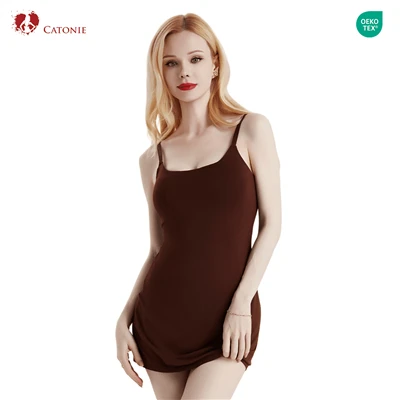
The slip dress is a testament to the power of simplicity. In its purest form, it is a garment of minimalist construction-typically cut on the bias from a fluid fabric like silk or satin, with delicate spaghetti straps. Its elegance lies in its drape, the way it skims the body's curves without clinging, creating a silhouette that is both graceful and subtly sensual. Once confined to the role of an undergarment, the slip dress has staged a remarkable and enduring comeback as a standalone fashion piece, embodying a chic, effortless sophistication.
From Undergarment to Standalone Fashion Piece
Historically, a slip was a functional piece of lingerie worn under a dress or skirt. Its purposes were threefold: to help the outer garment hang smoothly, to protect the outer garment from sweat and oils, and to provide a layer of modesty under sheer or unlined fabrics. Slips were typically made from practical, smooth fabrics and were designed to be invisible.
The transformation of the slip into outerwear began in earnest in the 1990s. Influenced by the minimalism of the era and a renewed interest in vintage aesthetics, designers and style icons began to wear lingerie-inspired pieces as clothing. The slip dress, with its clean lines and luxurious feel, became the icon of this movement. Worn by figures like Kate Moss and Carolyn Bessette-Kennedy, it represented a kind of undone, confident glamour. This trend has proven to have lasting power, and in 2025, the slip dress remains a staple in the modern wardrobe, valued for its versatility and timeless appeal.
Fabric Considerations: Silk, Satin, and Bias Cutting
The magic of a great slip dress lies almost entirely in its fabric and cut. The most luxurious slips are made from silk charmeuse, which has a lustrous satin finish on one side and a dull crepe on the other. Its lightweight and breathable nature make it incredibly comfortable, while its fluid drape is exceptionally flattering. Satin, often a more affordable alternative made from polyester or other synthetic fibers, can mimic the look and feel of silk, offering a similar sheen and smoothness.
The technique of cutting the fabric "on the bias" is fundamental to the classic slip dress silhouette. Instead of being cut along the straight grain of the fabric, the pattern pieces are rotated 45 degrees. This allows the woven fabric to behave almost like a knit, giving it a natural stretch and causing it to drape and cling to the body in a uniquely fluid way. A bias-cut slip dress moves with the wearer, accommodating curves without needing darts or extensive shaping, resulting in a look of effortless elegance.
How to Wear a Slip Dress with Confidence
The beauty of the slip dress is its chameleon-like ability to be styled for almost any occasion. For a casual daytime look, it can be layered over a simple white t-shirt or under a chunky cardigan, paired with sneakers or flat sandals. This juxtaposition of the slip's inherent elegance with casual elements creates a relaxed yet stylish ensemble.
For an evening affair, the slip dress can be worn on its own, allowing its simple beauty to shine. Paired with delicate jewelry and heeled sandals, it is the epitome of minimalist chic. For cooler weather or a more formal event, it can be worn under a tailored blazer or with an elegant shawl. The key to wearing a slip dress with confidence is to ensure a good fit-it should skim, not squeeze-and to choose undergarments that will not disrupt its smooth lines, such as a seamless thong and, if needed, adhesive bra cups. The slip dress is a celebration of the body and the beauty of fine fabric, a garment that proves that sometimes, less is truly more.
Type6. The Robe and Kimono: The Art of Reveal
The robe or kimono is a unique piece of lingerie. Its primary function is not to be worn on its own but to be worn over other things-or over nothing at all. It is a garment of transition, perfect for the moments between being dressed and undressed. Its power lies in the art of the reveal; it conceals the body, creating a sense of mystery and anticipation, and the act of removing it is often a significant part of its allure. Beyond its role in the boudoir, the robe has a rich history as a garment of comfort, ritual, and status.
Cultural Significance and Western Adaptation
The kimono is, of course, a traditional Japanese garment with deep cultural and historical significance. In Japan, the kimono is a complex and highly codified form of dress, with different styles, patterns, and fabrics indicating the wearer's age, marital status, and the formality of the occasion (Dalby, 2001). The Western "kimono" as it exists in the world of lingerie and loungewear is a heavily simplified and adapted version of this garment. It borrows the T-shape, the long, wide sleeves, and the wrap-front closure of the traditional kimono but dispenses with the complex rules and layers.
The Western dressing gown or robe has its own history, evolving from the banyan, a loose, informal coat worn by men in the 18th century for lounging at home. Over time, it became a staple of both male and female wardrobes, a garment associated with private life, leisure, and intimacy. The modern lingerie robe often blends these two histories, combining the elegant T-shape of the kimono with the plush, luxurious fabrics of the Western dressing gown.
Choosing the Right Robe: Length, Material, and Occasion
Robes come in a vast array of styles, and choosing the right one depends on its intended purpose. A short, silky robe made of satin or silk charmeuse is a classic choice for a sexy lingerie ensemble. It provides a touch of coverage over a bra and panty set or a teddy, and its smooth fabric feels wonderful against the skin. A long, sheer robe made of chiffon or lace offers a more dramatic and ethereal look. It floats and billows as the wearer moves, creating a truly show-stopping effect. These robes are less about coverage and more about creating a visual frame for the body and the lingerie beneath.
For everyday lounging and comfort, a robe made from cotton, modal, or even plush terrycloth might be more appropriate. A long, warm, fleece-lined robe is a source of comfort on a cold morning, while a lightweight cotton robe is perfect for wearing after a shower in the summer. The choice of material dictates the robe's mood: silk and lace speak of romance and special occasions, while cotton and fleece speak of comfort and self-care.
The Robe as a Ritual of Self-Care
Beyond its role in seduction, the robe can be a powerful tool for self-care. The act of shedding one's work clothes and slipping into a soft, comfortable robe can be a psychological signal that the day is over and it is time to relax. It carves out a space for personal time, whether that involves reading a book, enjoying a cup of tea, or engaging in a skincare routine.
Having a beautiful robe that one loves to wear can elevate these simple, everyday moments into something more special. It is an investment in one's own comfort and well-being. A beautiful custom sleepwear robe can transform the mundane act of getting ready for bed or waking up in the morning into a small, private luxury. It is a way of treating oneself with care and honoring the importance of rest and relaxation in a busy world.

Type7. Bralettes and Soft Bras: Comfort Meets Style
In the ongoing evolution of lingerie, the rise of the bralette and the soft, unstructured bra represents a significant philosophical shift. For decades, the dominant narrative in bra design centered on aggressive lift, rigid shaping, and the creation of an idealized, often unnatural, bustline. The bralette movement, however, champions a different set of values: comfort, natural shape, and the idea of lingerie as a visible fashion element. It reflects a growing desire among wearers to feel good in their own skin, free from the constraints of underwires and heavy padding.
The Rise of Unstructured Support
The bralette is, in essence, a bra without an underwire. It is a simpler, softer construction that relies on the cut of the fabric, the width of the band, and the design of the straps to provide a gentle, light level of support. This style is not new; soft-cup bras have existed for a long time. However, the recent explosion in their popularity is tied to a broader cultural movement towards body positivity and a more relaxed, authentic approach to fashion.
The appeal of the bralette is twofold. First, there is the undeniable comfort factor. Without rigid wires to poke and dig, bralettes offer a freedom of movement that many find liberating. They are the perfect choice for lounging at home, for casual weekends, or for those who simply do not need or want the intense support of a traditional underwire bra. Second, the bralette has been embraced as a fashion item in its own right, designed to be seen.
Design Nuances: Lace, Strappy Details, and Longlines
Bralette design is incredibly diverse and creative. Because they are not constrained by the engineering requirements of an underwire, designers have the freedom to play with fabrics, shapes, and details. Delicate, all-over lace bralettes in a rainbow of colors are a popular choice, offering a touch of romance and beauty. These are often designed with pretty straps and decorative bands that are meant to peek out from under a tank top or a loose-knit sweater.
Strappy details are another hallmark of the modern bralette. Designers use multiple straps to create intricate, geometric patterns across the décolletage, back, or torso. These "caged" or "strappy" bralettes turn the bra into a central element of the outfit, an intentional part of the overall look. The longline bralette, which features a wide band that extends down the ribcage, is another popular style. It offers a little more support than a standard bralette and has a retro, pin-up feel that many find appealing.
Integrating Bralettes into Everyday Fashion
The bralette has fundamentally changed the way many people think about showing their underwear. What was once considered a fashion faux pas-visible bra straps-is now often a deliberate style choice. A beautiful lace bralette peeking out from the neckline of a button-down shirt or the armhole of a muscle tee adds a touch of feminine detail and visual interest.
A sheer or semi-sheer top becomes an opportunity to showcase a particularly beautiful bralette underneath. A longline bralette can even be worn on its own as a crop top in casual settings, especially when paired with high-waisted skirts or trousers. The key is intentionality. When the bralette is clearly chosen to be a part of the look, it reads as stylish and confident. It represents a fusion of innerwear and outerwear, a way of expressing personal style from the very first layer.
Type8. The Cami Set: Effortless Coordination
The cami set, a coordinated pairing of a camisole top and matching bottoms, is a cornerstone of the sleepwear and loungewear world. It embodies a sense of effortless style and put-togetherness, even in the most relaxed and private moments. Unlike mismatched pajamas, a cami set offers a complete, intentional look. Its appeal lies in its simplicity, its comfort, and the quiet confidence that comes from wearing a matching ensemble. It is a versatile category that can range from sweet and simple to overtly sensual, depending on the cut, fabric, and details.
Defining the Camisole and its Companion
A camisole, or "cami," is a sleeveless top, typically with thin spaghetti straps. Its design is derived from the undergarments of the 19th century but has evolved into a versatile piece that can be worn for sleeping, lounging, or as a layering top under other clothes. In a cami set, the camisole is the star. It can be V-neck, scoop-neck, or cowl-neck, and its fit can range from body-skimming to loose and flowing.
The companion bottoms in a cami set are typically either shorts or full-length pants. A cami-and-shorts set, sometimes called a "shorty set," has a playful, youthful feel and is perfect for warmer weather. The shorts can be simple tap pants, boxer-style shorts, or flirty, ruffled French knickers. A cami-and-pants set offers more coverage and warmth, making it a great choice for year-round sleepwear. The pants are usually cut for comfort, with a relaxed fit and an elastic or drawstring waist.
The Psychology of a Matching Set
There is a subtle but significant psychological effect to wearing a matching set of any kind, and this is particularly true for lingerie and sleepwear. The act of choosing a coordinated set, rather than grabbing a random t-shirt and shorts, is an act of intention. It suggests a level of care and attention to detail, even in private. This can translate into a feeling of being more organized, polished, and in control.
For many, slipping into a beautiful, matching cami set at the end of the day is a ritual that helps them transition from their public, professional self to their private, relaxed self. It is a form of self-care, a way of creating a pleasant and aesthetically pleasing environment for rest. A matching set can boost confidence and make one feel attractive, even if no one else will see it. It is a small luxury that can have a surprisingly large impact on one's mood and sense of well-being.
Material and Fit for Sleep and Lounge
The ideal material for a cami set depends on personal preference and the intended mood. For pure comfort and breathability, nothing beats natural fibers like cotton, modal, or bamboo jersey. These fabrics are soft, gentle on the skin, and excellent for sleeping. They offer a relaxed, casual aesthetic perfect for everyday lounging.
For a more luxurious and sensual feel, silk or satin are the materials of choice. A silk cami set feels incredibly smooth and cool against the skin, making it a true pleasure to wear. The way the fabric drapes and catches the light gives it an elegant and romantic quality. Lace is often used as a decorative element on these more luxurious sets, trimming the neckline of the camisole or the hem of the shorts. The fit of a cami set should prioritize comfort; it should be loose enough to allow for easy movement during sleep without being so baggy that it gets tangled.

Type9. The Merry Widow: A Fusion of Bra and Garter Belt
The Merry Widow is a distinctive and highly structured piece of lingerie that combines the functions of a bustier, a waist cincher, and a garter belt into a single, powerful garment. Its name is as evocative as its silhouette, hinting at a story of glamour, intrigue, and confident femininity. Less common than a simple bra or bustier, the Merry Widow is a specialist piece, chosen for its ability to create a dramatic hourglass figure and to provide a complete foundation for a very specific kind of vintage-inspired or formal look.
Unpacking the Name and History
The Merry Widow owes its name and its popularization to the 1952 Lana Turner film The Merry Widow. The lingerie company Warner's designed a specific garment for the film's promotional materials, and the name stuck, becoming a generic term for this style of torsolette. The garment itself, however, is part of a longer lineage of longline bras and light corsetry designed to shape the torso. It emerged in an era that prized a very particular silhouette: a lifted, pointed bust, a dramatically nipped-in waist, and smooth, rounded hips. The Merry Widow was the perfect undergarment to achieve this fashionable ideal. It represents a moment in fashion history when undergarments were veritable pieces of architecture, engineered to construct a specific shape.
Structural Elements and Design Purpose
The defining feature of a Merry Widow is its all-in-one construction. It typically begins with bra cups, which can be padded or unpadded, underwired or soft, depending on the design. These cups are integrated into a longline body that extends down over the waist and hips. This body section is heavily structured, featuring multiple panels of fabric and vertical strips of boning (similar to a corset or bustier) to cinch the waist and smooth the torso.
At the hem of the garment are the attached garter straps, usually four or six of them, which eliminate the need for a separate garter belt. The entire piece usually fastens at the back with a long row of hook-and-eye closures. The result is a garment that lifts the bust, flattens the stomach, cinches the waist, and holds up stockings, all at the same time. It is a masterclass in lingerie engineering, designed to create a seamless and dramatic foundation under form-fitting gowns and dresses.
When to Choose a Merry Widow
In 2025, the Merry Widow is not an everyday garment. It is a piece of occasion wear, reserved for times when a powerful and specific silhouette is desired. It is an excellent choice for bridal lingerie, especially under a structured wedding gown, as it provides a smooth, uninterrupted line from bust to thigh. It is also popular for formal evening wear, particularly with dresses that have a defined waist or a vintage-inspired cut.
Beyond its functional role, the Merry Widow is a piece of statement lingerie. It has a distinctly retro, pin-up appeal that many find incredibly glamorous and empowering. Wearing one is a commitment; it is more restrictive than modern, unstructured lingerie. However, for those who love its transformative power, the feeling of being sculpted and supported by a Merry Widow is part of its unique charm. It is a choice for the woman who wants to feel not just dressed, but fully constructed in a vision of high glamour.
Type10. The Peignoir Set: The Epitome of Bridal and Boudoir Luxury
The peignoir set represents the height of old-world glamour and romanticism in the realm of nightwear. It is an ensemble, typically consisting of a long, flowing nightgown and a matching robe, designed not for practical sleep but for the art of elegant lounging. The word "peignoir" itself comes from the French verb peigner, meaning "to comb," as it was originally a garment worn while attending to one's hair and makeup. Today, it is synonymous with luxury, special occasions, and a particularly dreamy, ethereal form of femininity. It is most closely associated with bridal trousseaus and classic Hollywood films.
Understanding the Components: Gown and Robe
The classic peignoir set has two distinct but coordinated parts. The first is the nightgown. This is typically a long, flowing gown, often made from a sheer or semi-sheer fabric. It might be simple and sleeveless, with delicate spaghetti straps, or it could have more elaborate features like a lace bodice or a gathered empire waist. The emphasis is on grace and movement, not on providing warmth or practical coverage.
The second part is the matching robe, which is the true star of the ensemble. The robe is also usually long and is designed to be worn open over the gown, or tied loosely at the waist. It often features dramatic design elements, such as wide, flowing sleeves, a voluminous cut, or extravagant trim. The robe serves to complete the look, adding a layer of drama and modesty that can be shed at will. The two pieces are designed as a harmonious pair, often sharing the same fabric, color, and decorative motifs.
Fabrics of Dreams: Chiffon, Tulle, and Marabou
The materials used in peignoir sets are chosen for their visual and tactile properties, not their durability or practicality. These are fabrics that float, drape, and catch the light. Sheer nylon chiffon is a classic choice, beloved for its lightweight, diaphanous quality. It moves beautifully and creates a soft, hazy silhouette around the body. Tulle and organza, stiffer sheer fabrics, can be used to create more voluminous and structured shapes, such as dramatic puffed sleeves or layered skirts.
Luxury versions are often crafted from silk chiffon or silk charmeuse. The ultimate symbol of peignoir glamour, however, is the extravagant trim. Plentiful rows of lace, satin ribbons, and, most iconically, fluffy marabou or ostrich feather trim are hallmarks of the style. These opulent details are purely decorative, designed to delight the senses and create an aura of pure, unadulterated luxury. A peignoir set trimmed in feathers is the lingerie equivalent of a couture gown.
The Peignoir in Modern Romanticism
While the peignoir set might seem like a relic from another era, it continues to hold a powerful appeal. It is the ultimate piece of bridal lingerie, the perfect "getting ready" outfit for the morning of a wedding, and a beautiful addition to a honeymoon wardrobe. It makes a statement about celebrating a momentous occasion with appropriate glamour and romance.
Beyond the bridal context, the peignoir set is for anyone who appreciates the theatricality and romance of vintage style. It is an indulgence, a garment that serves no practical purpose other than to make the wearer feel beautiful and glamorous. In a world that often prioritizes speed and convenience, the act of choosing to wear a peignoir set is a deliberate choice to slow down, to luxuriate, and to create a moment of fantasy. It is a way of bringing the elegance of a black-and-white film star into one's own private life.
Type11. Crotchless Lingerie: The Apex of Provocation
Within the vast spectrum of different types of lingerie, crotchless styles occupy a unique and unapologetically erotic space. These are garments designed with a singular purpose in mind: to combine the aesthetic appeal of lingerie with immediate physical accessibility for sexual intimacy. To discuss crotchless lingerie is to engage in a frank conversation about human sexuality, desire, and the role of clothing in erotic play. It is a category that dispenses with subtlety and suggestion in favor of direct and overt provocation.
A Frank Discussion on Design and Intent
Crotchless lingerie is defined by its key feature: an opening in the crotch area. This design element can be incorporated into a wide variety of garment types. There are crotchless panties (from thongs to briefs), crotchless bodysuits, crotchless teddies, and crotchless pantyhose or stockings. The design is purely functional within an erotic context. It allows for sexual activity without the need to remove the garment, enabling the visual and tactile experience of wearing the lingerie to be maintained throughout an intimate encounter.
The intent behind this design is to heighten arousal and novelty. For some, it enhances the feeling of vulnerability and exposure, which can be a powerful aphrodisiac. For others, it is a practical solution that blends the worlds of fashion and function in the bedroom. It is important to approach this category of lingerie without judgment, recognizing it as a legitimate and popular choice for couples and individuals looking to explore their sexuality. The existence and popularity of crotchless lingerie underscores the idea that lingerie is not just about how it looks, but also about how it functions in moments of intimacy.
Exploring Different Styles: Panties, Teddies, and Hosiery
The simplest and most common form of this style is the crotchless panty. These can range from a delicate lace G-string with a "peek-a-boo" opening to a full brief with the entire crotch panel removed. The design might be a simple slit, a larger keyhole opening, or it might be "pearl-less," featuring strings of faux pearls designed for stimulation.
Crotchless teddies and bodysuits combine this feature with a full-body garment. A lace bodysuit with an open crotch maintains the visual appeal of a complete outfit while offering the accessibility of crotchless panties. This can be particularly appealing for those who enjoy the aesthetic of a one-piece garment. Crotchless hosiery, such as pantyhose or stockings connected to a garter belt, extends the concept to the legs, allowing for a fully dressed look that is simultaneously fully accessible. These different styles offer varying levels of coverage and visual drama, allowing individuals to choose the option that best suits their comfort level and erotic imagination.
The Role of Eroticism and Partnered Intimacy
Crotchless lingerie is fundamentally a tool for enhancing erotic experiences, particularly within the context of a partnered relationship. It can be a way to introduce an element of surprise, novelty, and playfulness into a sexual routine. The decision to wear such a piece can be a powerful signal of desire and an invitation to intimacy.
It can also play a role in exploring power dynamics and fantasies. The combination of being "dressed" in elaborate lingerie while also being sexually exposed can be a potent scenario for many people. It challenges conventional notions of being clothed versus being naked, creating a third state that is uniquely erotic. Ultimately, like all forms of sexy lingerie, crotchless styles are about communication. They are a non-verbal way of expressing desire, confidence, and a willingness to explore the boundaries of sexual expression. The choice to wear it is a personal one, rooted in a desire for a particular kind of intimate connection and pleasure.
Type12. The Suspender Dress: A Modern Hybrid
The suspender dress is a relatively modern and edgy addition to the lingerie landscape. It is a hybrid garment, blurring the lines between a dress, a garter belt, and sometimes even a harness. It is not a single, clearly defined item but rather a category of body-framing garments that use straps and panels to create a silhouette that is both skeletal and highly suggestive. It is a piece that is more about what it doesn't cover than what it does, using negative space as a primary design element.
Blurring Lines Between Garment and Accessory
Unlike a traditional dress that covers the body with a solid plane of fabric, a suspender dress functions more like a frame. It typically consists of a series of straps that might go over the shoulders, around the waist, and down the hips, with attached suspender clips for holding up stockings. The areas in between the straps-the bust, the torso, the stomach-are left bare or are intended to be layered over another piece of lingerie, like a bra and panty set.
In this way, the suspender dress acts as both a garment and an accessory. It is a garment in that it has a distinct structure and is worn on the body, but it is also an accessory in that its primary function is to embellish and draw attention to the body and the other lingerie pieces worn with it. This hybrid nature makes it a particularly versatile and creative tool for building a complex and layered lingerie look. It has strong connections to fetish wear and BDSM aesthetics, where harnesses and strapping are common, but it has been adapted for a more mainstream lingerie audience.
Design Features and Styling Possibilities
Suspender dresses come in a multitude of designs. Some are minimalist, consisting of just a few thin elastic straps that create a simple geometric outline on the body. Others are more elaborate, featuring wider bands of lace, panels of mesh, or decorative hardware like rings and studs. Some might incorporate a collar or choker detail, while others focus on caging the torso or hips. The common element is the attached suspenders for stockings, which firmly places the garment in the lineage of the garter belt.
The styling possibilities are numerous. A suspender dress can be worn over a simple, matching bra and panty set to create a cohesive and powerful look. The straps of the dress frame the lingerie underneath, adding a layer of complexity and visual interest. For a bolder statement, it could be worn over contrasting colored lingerie, or even on its own for a very daring boudoir look. Because of its open structure, it allows for a great deal of personalization and play in creating an ensemble.
The Suspender Dress in Subculture and High Fashion
The aesthetic of the suspender dress and similar "body cage" lingerie has its roots in punk, goth, and fetish subcultures, where DIY fashion and BDSM-inspired elements have long been a part of the visual language. These subcultures have often used clothing to challenge mainstream notions of beauty and sexuality, and the suspender dress fits perfectly within this ethos.
In recent years, high fashion has drawn significant inspiration from these subcultures. Designers have incorporated harness-like elements and strappy details into runway collections, bringing the aesthetic to a wider audience. As a result, the suspender dress is no longer a niche fetish item. It is now available from a wide range of lingerie brands, interpreted in materials from delicate lace to vegan leather. It represents a confident and fashion-forward approach to sexy lingerie, appealing to those who want to make a bold and graphic statement.

Type13. Bridal Lingerie: Symbolism and Celebration
Bridal lingerie holds a unique and cherished place in a woman's wardrobe. It is a category of garments imbued with powerful symbolism, tradition, and personal meaning. It encompasses not only the lingerie worn on the wedding night but also the entire collection of intimate apparel a bride might assemble for her honeymoon and the beginning of her new life-the trousseau. It is a celebration of a major life transition, of romance, and of the bride's own sense of self as she embarks on a new chapter.
Beyond the Wedding Night: Building a Trousseau
The concept of the trousseau has a long history, originating from the French word trousse, meaning "bundle." Historically, a trousseau was the collection of clothing, linens, and other personal possessions that a bride brought with her to her new home. While the modern trousseau is less about practicality and more about celebration, the idea of assembling a special collection of items remains.
Building a bridal lingerie trousseau is an opportunity for a bride to explore different facets of her style and to prepare for the various moments of her wedding and honeymoon. This might include:
- Getting-Ready Robe: A beautiful silk or satin robe to wear while having hair and makeup done on the wedding day.
- Wedding Night Lingerie: A special, often spectacular, set chosen for the wedding night itself.
- Honeymoon Wardrobe: A variety of sexy lingerie sets, sleepwear, and swimwear for the honeymoon trip. This could include everything from playful babydolls and comfortable cami sets to provocative garter belts.
- Everyday Elegance: Beautiful, high-quality bras and panties for the new chapter of daily life.
The trousseau is a deeply personal collection that should reflect the bride's individual taste and make her feel confident and beautiful.
Traditional vs. Modern Bridal Styles
Traditional bridal lingerie is heavily associated with the colors white and ivory, symbolizing purity and new beginnings. Classic pieces include satin bustiers, lace garter belts, and elegant peignoir sets. The aesthetic is often one of timeless romance, with an emphasis on luxurious fabrics like silk and intricate details like pearl embellishments and delicate embroidery. The "something blue" tradition is often incorporated through a small blue ribbon or bow on a garter or panty.
|
Style Aspect |
Traditional Bridal Lingerie |
Modern Bridal Lingerie |
|
Color Palette |
Primarily white, ivory, cream. |
White, ivory, plus blush, champagne, pastels, or bold colors. |
|
Common Garments |
Bustiers, garter belts, peignoir sets. |
Bralettes, bodysuits, minimalist silk slips, custom designs. |
|
Aesthetic |
Romantic, classic, ornate. |
Minimalist, fashion-forward, comfortable, personalized. |
|
Emphasis |
Symbolism, tradition. |
Personal style, comfort, versatility. |
|
"Something Blue" |
Often a literal blue ribbon. |
Can be a subtle blue print, or the entire set could be blue. |
Modern brides, however, feel less bound by these traditions. While white and ivory remain popular, many brides are choosing lingerie in other colors, such as soft blush, champagne, or even bold jewel tones that reflect their personal style. The garments themselves have also diversified. A modern bride might opt for a comfortable and chic lace bralette and panty set, a sleek and minimalist silk teddy, or a fashion-forward bodysuit that she can wear again as outerwear. The focus has shifted from adhering to a strict set of rules to choosing pieces that feel authentic and special to the individual.
The Importance of Comfort on a Special Day
While aesthetics are paramount in bridal lingerie, comfort should not be overlooked, especially for the undergarments worn beneath the wedding dress. A wedding day is long and often stressful. Lingerie that digs, pokes, or slips can be a major distraction. It is vital to choose foundational garments that work seamlessly with the cut and fabric of the wedding gown. This may mean selecting a simple, seamless bustier or a well-fitting strapless bra rather than a more elaborate lace piece.
Many brides choose to have two sets of lingerie: a practical, supportive set for the ceremony and reception, and a more spectacular, "reveal" set to change into for the wedding night. This allows for both comfort throughout the day and a moment of high-glamour romance later on. Ultimately, bridal lingerie is about feeling good from the inside out. It is a private celebration of a public commitment, a secret source of confidence on one of the most important days of a person's life.
Type14. Bespoke and Custom Lingerie: The Ultimate Personalization
In a world of mass production, the option of bespoke or custom-made lingerie stands out as the ultimate expression of luxury, individuality, and a perfect fit. It is a collaborative process between a client and a maker to create a garment that is tailored precisely to the client's body and their unique aesthetic vision. For individuals who struggle to find lingerie that fits them properly off the rack, or for those who desire a piece that is truly one-of-a-kind, custom lingerie is an unparalleled solution. For brands, offering customization can be a powerful differentiator.
The Process of Creating Custom-Fit Garments
The journey of creating a custom lingerie piece is a detailed and personal one. It typically begins with a consultation, where the client discusses their desires with the designer or maker. This conversation covers everything from the type of garment (a bra, a corset, a full set) to the desired style, materials, and colors.
The next and most crucial step is the measurement process. A skilled maker will take a comprehensive set of measurements to ensure the garment will fit the client's body perfectly. This is far more detailed than the simple band and cup size used in standard bra fitting. For a custom bra, for example, measurements might include the underbust circumference, the fullest part of the bust, the distance between the breasts, and the root width of the breast tissue.
Based on these measurements and the design consultation, the maker creates a unique pattern. A toile, or a mock-up of the garment in inexpensive fabric, may be created for a fitting. This allows for adjustments to be made to the pattern before the final, expensive fabrics are cut. Once the fit is perfected, the final garment is meticulously constructed using the chosen materials-perhaps a specific French lace, a particular shade of silk, or a unique embroidery pattern. The result is a piece of lingerie that is not just worn, but is an extension of the wearer's body and personality.
The Value of Investing in High-Quality Custom Lingerie
The benefits of custom lingerie are numerous. The most significant is the superior fit. For individuals with non-standard body proportions-a small band size with a large cup size, asymmetrical breasts, or a particularly long or short torso-custom lingerie can be a life-changing discovery. A perfectly fitting bra can alleviate back and shoulder pain, improve posture, and create a better silhouette under clothing.
Beyond fit, custom lingerie offers unparalleled quality and choice. Clients can select from the finest materials in the world, materials that are often not used in mass-market production due to cost. They can specify every detail, from the width of the straps to the color of the hardware. This level of personalization ensures that the final product is a cherished piece that truly reflects the owner's taste. Investing in high-quality custom lingerie is an investment in comfort, confidence, and the art of craftsmanship. It is a rejection of the "one size fits all" mentality in favor of celebrating the unique beauty of the individual body.
Finding the Right Designer and Manufacturer
For individuals seeking a single bespoke piece, the search involves finding an independent lingerie designer or corsetiere with a style that resonates with them. This often involves researching online, examining portfolios, and reading client reviews.
For emerging or established brands that want to offer customized or high-quality lingerie lines, the challenge is finding a reliable and skilled manufacturing partner. This is where OEM (Original Equipment Manufacturer) and ODM (Original Design Manufacturer) services become invaluable. A good manufacturing partner can work with a brand to develop a unique collection, assisting with everything from pattern making and material sourcing to production and quality control. Finding a partner who understands the nuances of lingerie construction, who can work with delicate fabrics, and who is committed to ethical production practices is key to building a successful lingerie brand in the competitive 2025 market.
Type15. The Role of Lingerie in Body Positivity and Self-Expression
The conversation surrounding lingerie has undergone a profound transformation in recent years. For a long time, the industry was dominated by a narrow, often unattainable, standard of beauty. Lingerie was marketed primarily as a tool for seducing a partner, and its design and advertising centered on the male gaze. However, a powerful shift is underway, driven by the body positivity movement and a growing desire for self-expression. Lingerie is being reclaimed as a tool for self-love, confidence, and personal exploration, regardless of body size, shape, age, or relationship status.
Shifting Narratives: From Male Gaze to Self-Love
The traditional narrative presented lingerie as something a woman wears for someone else. The modern narrative, in contrast, emphasizes wearing lingerie for oneself. The focus is shifting from "How will this make someone else see me?" to "How does this make me feel?". This internal focus is revolutionary. It reframes lingerie not as a costume for a performance of sexiness, but as a personal practice of self-adornment and care.
This shift is reflected in the marketing and design of lingerie in 2025. Brands are increasingly featuring models with a diverse range of body types, skin tones, and ages. The designs themselves are also evolving, with a greater emphasis on comfort, versatility, and styles that celebrate the natural body rather than trying to force it into a specific mold. The rise of the bralette, the celebration of soft, natural fabrics, and the popularity of comfortable yet beautiful sleepwear are all evidence of this changing philosophy. The goal is no longer to look "perfect" but to feel powerful, comfortable, and beautiful in one's own unique body.
The Therapeutic Power of Adorning the Body
The act of choosing and wearing beautiful lingerie can have a surprisingly therapeutic effect. It is a form of "enclothed cognition," a term coined by researchers Hajo Adam and Adam Galinsky (2012), which suggests that the clothes we wear can systematically influence our psychological processes. When a person wears something they associate with power, confidence, or beauty-even if no one else sees it-it can genuinely change how they think and feel about themselves.
For many, putting on a beautiful lace bra or a silky chemise is a small act of rebellion against feelings of inadequacy or a negative body image. It is a way of saying, "My body is worthy of being adorned with beautiful things, exactly as it is today." This can be a particularly powerful practice for those who have experienced changes in their body due to aging, childbirth, illness, or weight fluctuation. Lingerie becomes a way to reconnect with one's body in a positive and loving way, to celebrate its resilience and its capacity for pleasure.
Building a Lingerie Wardrobe That Reflects You
Building a lingerie wardrobe based on principles of self-love means curating a collection that brings you joy and comfort. It is about discovering what makes you feel good, rather than what you think you "should" wear. This is a deeply personal process of exploration.
One might begin by asking questions: Do I prefer the feeling of silk or cotton against my skin? Do I feel more powerful in a structured bustier or more free in a soft bralette? Do I love bright colors or classic neutrals? Does a vintage-inspired garter belt make me feel glamorous, or does a minimalist bodysuit make me feel chic?
There are no right or wrong answers. A lingerie wardrobe built for self-expression might include a comfortable cotton cami set for quiet evenings, a bold red lace bodysuit for days when a confidence boost is needed, a practical and perfectly fitting t-shirt bra for work, and a spectacular, indulgent piece just for the sheer pleasure of owning something beautiful. The goal is to create a collection of different types of lingerie that serves not as an obligation, but as a resource-a toolkit of beauty, comfort, and confidence to draw upon in the daily project of living well in one's own body.

Navigating the World of Lingerie Manufacturing: An OEM/ODM Perspective
For entrepreneurs and brands aspiring to enter the lingerie market, understanding the landscape of production is as vital as having a strong design vision. The journey from a sketch to a finished garment is complex, involving technical design, material sourcing, pattern making, and skilled manufacturing. Two dominant models for this process are OEM (Original Equipment Manufacturer) and ODM (Original Design Manufacturer). Choosing the right path is a foundational decision for any lingerie brand.
The Distinction Between OEM and ODM
Understanding the difference between these two models is the first step for any aspiring brand founder.
- OEM (Original Equipment Manufacturer): In an OEM model, a brand provides a manufacturer with a complete, original design. The brand is responsible for the creative and technical specifications-the concept, the sketches, the tech pack, and often the choice of specific fabrics and trims. The manufacturer's role is to use their equipment and expertise to produce the garments exactly according to these specifications. This model offers the highest degree of creative control and brand uniqueness. It is the path for brands that have a very specific, novel design vision they want to bring to life.
- ODM (Original Design Manufacturer): In an ODM model, the manufacturer already has existing designs, patterns, and styles that a brand can choose from. The brand then re-labels these "white-label" or "private-label" products with their own branding. There may be options for minor customizations, such as changing the color, fabric, or adding a logo. This model has a much lower barrier to entry, as it eliminates the need for extensive in-house design and development. It is a faster and often more cost-effective way to get a product to market, but it offers less differentiation from competitors who may be using the same base designs.
Key Considerations for Brands Seeking a Production Partner
When a brand decides to partner with a manufacturer for their sexy lingerie line, several factors must be carefully evaluated to ensure a successful collaboration.
- Expertise in Lingerie: Lingerie is not like other apparel. It requires specialized machinery (like zig-zag and coverstitch machines), an understanding of stretch fabrics, and skill in working with delicate materials like lace and silk. A potential partner's experience specifically with lingerie construction is non-negotiable.
- Quality Control: The intimate nature of lingerie means that quality is paramount. Seams must be smooth to avoid irritation, hardware must be secure, and fabrics must be durable. A good partner will have rigorous quality control processes at every stage of production.
- Material Sourcing Network: A manufacturer with a strong network of fabric and trim suppliers can be a huge asset. They can help source the perfect lace, find a specific shade of silk, or procure high-quality elastic and hardware, which can be a daunting task for a new brand.
- Minimum Order Quantities (MOQs): Manufacturers have minimum quantities they are willing to produce for any given style. These MOQs can be a significant hurdle for new brands with limited capital. Finding a partner with flexible or low MOQs can be crucial in the early stages.
- Ethical and Sustainable Practices: In 2025, consumers are increasingly conscious of the ethical and environmental impact of their purchases. Partnering with a manufacturer that provides fair wages, safe working conditions, and has options for sustainable materials is not just good for the planet-it is good for the brand's reputation.
The Future of Lingerie Production in 2025
The future of lingerie production is being shaped by technology and changing consumer expectations. The integration of AI and machine learning is beginning to revolutionize the design and production process. Algorithms can help generate new design possibilities, optimize patterns to reduce fabric waste, and even assist in creating personalized fit recommendations for customers. There is also a growing demand for personalization and customization. Brands that can offer made-to-order services or custom-fit options will have a significant competitive advantage. This requires manufacturing partners who are agile and capable of handling smaller, more customized production runs. As technology evolves, the integration of systems using APIs and other protocols will become more common, allowing for seamless communication between a brand's e-commerce platform and the manufacturer's production floor. Ultimately, the most successful lingerie brands of the future will be those that can successfully combine a unique design vision with a smart, flexible, and ethical production strategy.
Frequently Asked Questions (FAQ)
What is the main difference between a teddy and a bodysuit?
A teddy is typically a looser-fitting, one-piece lingerie item made from soft, flowing fabrics like silk or chiffon, designed primarily for lounging and boudoir wear. A bodysuit is a form-fitting, one-piece garment, often made with stretch fabrics, that can be worn as both lingerie and as a top paired with skirts or pants. Bodysuits frequently have snap closures at the crotch for practicality.
How do I properly care for delicate lace and silk lingerie?
The best method is to hand wash delicate items in cold water with a gentle, pH-neutral detergent specifically designed for delicates. Avoid twisting or wringing the fabric. Gently squeeze out excess water and lay the item flat on a towel or hang it to air dry away from direct sunlight or heat. Never put delicate lace or silk in a machine dryer.
Can I wear a corset for long periods? Is it safe?
Modern corsets for fashion wear can be worn for several hours, but it is wise to listen to your body. A well-fitted corset should feel snug and supportive, not painfully restrictive. It is not advisable to wear a corset for "waist training" for extended periods or while sleeping without consulting a professional. Always break in a new corset gradually by wearing it for short periods at first.
What are the essential pieces for a bridal lingerie trousseau?
A good bridal trousseau includes a mix of practical and special pieces. Consider a comfortable and supportive bra and panty set to wear under your wedding dress, a beautiful robe for getting ready, a special "wedding night" lingerie set, and a variety of sleepwear, swimwear, and other lingerie for the honeymoon that makes you feel confident and beautiful.
What should I look for in a manufacturer for my own lingerie brand?
Look for a manufacturer with specific expertise in lingerie construction, a strong network for sourcing high-quality materials, and rigorous quality control standards. It is also important to find a partner whose Minimum Order Quantities (MOQs) align with your business plan and who demonstrates a commitment to ethical and sustainable manufacturing practices.
What is the difference between a bustier and a corset?
A bustier is primarily designed to lift and support the bust, functioning like a longline push-up bra with some light boning for shaping. A corset is a more heavy-duty garment with stronger boning and back lacing designed to significantly cinch the waist and reshape the torso. A corset offers much more dramatic shaping than a bustier.
How can I start incorporating lingerie into my outerwear wardrobe?
Start small. Let a pretty lace bralette peek out from under a low-cut top or an unbuttoned shirt. Wear a simple silk slip dress layered under a chunky knit sweater or a blazer. A sleek, opaque bodysuit can be worn as a top with jeans or a high-waisted skirt for a seamless, tucked-in look. The key is to make it look intentional.
Conclusion
The exploration of the different types of lingerie reveals a world far richer and more complex than a simple catalog of undergarments. Each piece, from the foundational bra to the theatrical peignoir, carries with it a history, a design philosophy, and a unique capacity to alter not just the physical silhouette but also the wearer's internal state. We have seen how garments like the corset have journeyed from being instruments of social conformity to tools of personal empowerment. We have observed how the simple slip dress has migrated from the private to the public sphere, demonstrating the fluid boundary between innerwear and outerwear.
The contemporary landscape of sexy lingerie in 2025 is defined by this very fluidity and by an ever-expanding vocabulary of self-expression. The rise of the bralette speaks to a collective yearning for comfort and a more natural form, while the enduring glamour of the garter belt and stockings shows our continued fascination with the rituals of vintage elegance. The decision to wear a particular piece of lingerie is a deeply personal one, a form of communication directed inward as much as outward. It can be a source of confidence, a vehicle for fantasy, an act of self-care, or a celebration of one's own body. As narratives continue to shift away from external validation and toward internal affirmation, lingerie solidifies its role as a powerful and intimate language for crafting and expressing the self.
References
Adam, H., & Galinsky, A. D. (2012). Enclothed cognition. Journal of Experimental Social Psychology, 48(4), 918–925.
Dalby, L. (2001). Kimono: Fashioning culture. University of Washington Press.
Steele, V. (2001). The corset: A cultural history. Yale University Press.