Abstract
This guide presents a comprehensive examination of black lace swimwear, a garment category that synthesizes aesthetic delicacy with functional performance. It investigates the multifaceted considerations involved in the selection of such swimwear in the 2025 market. The analysis begins with a historical and psychological exploration of lace and the color black, tracing their symbolic journey into contemporary fashion. A central focus is placed on the material science of swim-safe textiles, deconstructing the properties of synthetic blends designed to withstand environmental stressors like chlorine, salt, and ultraviolet radiation. The discourse extends to a detailed typology of silhouettes and styles, arguing for a nuanced understanding of fit and form in relation to diverse body types. Furthermore, the article evaluates markers of quality in construction, offers prescriptive advice for garment care and preservation, and explores the versatility of black lace swimwear as a component of a broader wardrobe. The investigation concludes by addressing the ethical and sustainable dimensions of modern apparel production, advocating for informed consumer choices.
Key Takeaways
1. Prioritize swim-safe lace made from nylon or polyester blends for durability.
2. Select a silhouette that uses lace placement to enhance your unique body shape.
3. Inspect stitching, lining, and hardware to assess the garment's overall quality.
4. Extend the life of your black lace swimwear by rinsing it in cool water after each use.
5. Style your lace swimsuit as a bodysuit for a versatile day-to-night transition.
6. Consider the garment's construction, noting how it borrows from classic sexy lingerie sets.
7. Choose timeless designs from brands with transparent manufacturing practices.
The Enduring Allure of Lace: An Aesthetic and Historical Inquiry
To fully appreciate the phenomenon of black lace swimwear, one must first understand the potent cultural and aesthetic histories of its two core components: lace itself and the color black. Their combination is not a mere fashion trend but a rich tapestry of meaning, woven from threads of aristocracy, rebellion, mourning, and seduction. The journey of lace from the collars of European nobility to the edge of a modern bikini is a fascinating study in the democratization of luxury and the evolution of human expression. It speaks to a deep-seated desire to adorn the body not just for protection or modesty, but for beauty and personal significance.
What is it about this intricate, openwork fabric that has captivated human imagination for centuries? I believe its power lies in its duality. Lace is both present and absent, a delicate barrier that simultaneously conceals and reveals. It is a testament to meticulous craftsmanship, yet it appears as light as air. This inherent tension makes it a uniquely compelling material for clothing, capable of conveying a wide range of social and emotional signals.
From Royal Courts to Modern Runways: A Brief History of Lace
The origins of true needle lace and bobbin lace are traced to 16th-century Europe, most notably Italy and Flanders (Kliot & Kliot, 2004). Initially, it was an incredibly labor-intensive and costly textile, reserved for the highest echelons of society-the clergy and the royalty. A monarch like Queen Elizabeth I of England used elaborate lace ruffs and cuffs not merely as decoration, but as unmistakable symbols of immense wealth and political power. The sheer cost of producing a few inches of handmade lace could equate to a commoner's annual income. It was, in effect, wearable currency.
The Industrial Revolution in the 19th century forever altered the story of lace. The invention of lace-making machines made the fabric accessible to the burgeoning middle classes. While it lost some of its aristocratic exclusivity, it gained a new role in the intimate sphere of life. It became a staple of wedding veils, christening gowns, and, significantly, lingerie. The association with these private, personal moments imbued lace with a new layer of meaning connected to femininity, romance, and intimacy. The transition of this material into swimwear, therefore, is not a random development. It represents the final frontier in lace's journey, moving from the most public displays of power to the most private expressions of self, and finally to a space that is both public and deeply personal: the beach or poolside. A piece of black lace swimwear carries faint echoes of all these historical roles.
The Psychology of Black: Power, Elegance, and Mystery
Just as lace has a complex history, so too does the color black. In Western cultures, its symbolism is profoundly ambivalent. For centuries, it was the color of mourning, solemnity, and piety. Yet, it was also the color of authority and sophistication. Think of the black robes of a judge or the classic "little black dress" introduced by Coco Chanel, which transformed black from a color of grief into the epitome of chic.
When combined with the delicate structure of lace, black creates a powerful aesthetic statement. The darkness of the color grounds the ethereal quality of the fabric, preventing it from appearing overly fragile or sentimental. Instead, it evokes a sense of mystery and sophisticated elegance. A black lace swimsuit is not simply a garment for swimming; it is a statement of confidence. It plays with the dynamic of revealing and concealing, using the negative space of the lace pattern against the skin to create a visual effect that is both artistic and alluring. This is a quality it shares with high-end erotic lingerie, where the interplay of skin and fabric is paramount to the design's intent. The wearer of black lace swimwear is often communicating a sense of self-possession and an appreciation for a more complex, nuanced form of beauty.
Why Lace in Swimwear? The Fusion of Delicacy and Durability
The very idea of "lace swimwear" might seem like a contradiction. How can a fabric known for its delicacy withstand the rigors of sun, saltwater, and chlorine? This is where modern textile science enters the narrative. The lace used in contemporary swimwear is not the fragile silk or cotton of antique garments. It is a high-performance material, engineered for resilience.
The decision to incorporate lace into swimwear is a deliberate aesthetic choice that challenges our expectations. It takes a material traditionally associated with the indoors and the intimate, and reimagines it for the outdoors and the public sphere. It suggests that strength and beauty are not mutually exclusive. A woman can be both active and elegant, athletic and adorned. The modern black lace swimwear piece is a marvel of engineering, designed to look as delicate as a Chantilly shawl while performing with the tenacity of a competitive swimsuit. It is a testament to how fashion innovation can bridge perceived divides, creating garments that satisfy both our desire for beauty and our need for practicality. This fusion is what makes black lace swimwear such a compelling and enduring category in the world of beach fashion.
Factor 1: Deconstructing the Fabric – Material Science for the Discerning Buyer
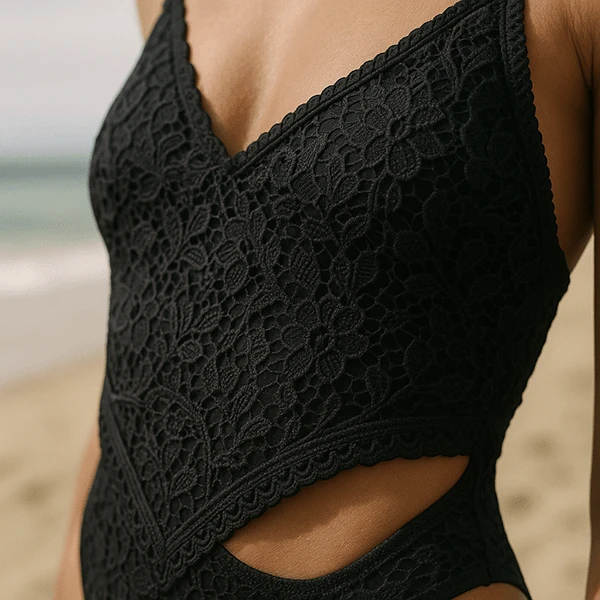
The functional success and aesthetic longevity of a piece of black lace swimwear are fundamentally determined by its material composition. While it may possess the visual characteristics of traditional lace, the fabric itself is a product of sophisticated textile engineering. Understanding the science behind these materials empowers you to move beyond surface appearance and make a purchase based on performance, comfort, and durability. It is the difference between acquiring a garment that delights for a single season and one that remains a treasured part of your wardrobe for years to come. The goal is to find a fabric that offers the delicate look of lace with the robust heart of high-performance athletic wear.
Understanding Swim-Safe Lace: Nylon, Spandex, and Polyester Blends
The holy trinity of modern swimwear fabrication consists of nylon, spandex (also known as Lycra or elastane), and polyester. Each brings a unique set of properties to the table, and their combination in specific ratios is what creates the ideal swim-safe lace.
- Nylon: This is often the primary fiber in high-quality swimwear. Nylon is a synthetic polymer known for its exceptional strength, abrasion resistance, and elasticity. It feels soft and smooth against the skin, drapes beautifully, and dries relatively quickly. Its key advantage for swimwear is its durability. However, nylon can be susceptible to degradation from chlorine and damage from prolonged, direct sun exposure if not properly treated.
- Spandex (Elastane/Lycra): Spandex is the miracle fiber that gives swimwear its crucial stretch and recovery. It can be stretched to several times its original length and then return to its initial form without losing its shape. A swimsuit without spandex would sag and bag when wet. Typically, swimwear contains between 10% and 20% spandex. This percentage is a delicate balance; too little, and the suit lacks support and fit; too much, and it can feel constricting and take longer to dry.
- Polyester: Once considered a less luxurious alternative to nylon, modern polyester has undergone significant advancements. It is now incredibly soft and boasts one major advantage over nylon: superior resistance to both chlorine and sunlight (UV radiation). This makes it an excellent choice for swimwear that will see heavy use in pools or bright sun. High-end polyester fibers, often referred to as "PBT" (polybutylene terephthalate), are especially prized for their colorfastness and durability.
When these fibers are combined to create a lace fabric, the result is a textile that balances the intricate appearance of lace with the necessary performance characteristics. A common blend for a high-quality black lace swimsuit might be 85% nylon and 15% spandex, offering a soft feel and excellent stretch, or a polyester/spandex blend for maximum chlorine resistance.
Fabric Blend Comparison for Swimwear
|
Feature |
Nylon/Spandex Blend |
Polyester/Spandex Blend |
Cotton/Natural Fiber Lace (Not for Swim) |
|
Durability |
High, but can degrade with chlorine |
Very High, excellent chlorine resistance |
Low, weakens and stretches when wet |
|
Softness |
Very Soft, smooth hand-feel |
Soft, though can be less silky than nylon |
Very Soft, but absorbent |
|
Stretch & Recovery |
Excellent |
Excellent |
Poor, bags out easily |
|
Colorfastness |
Good, but can fade with UV/chlorine |
Excellent, highly resistant to fading |
Poor, colors can bleed and fade quickly |
|
Dry Time |
Fast |
Very Fast |
Very Slow, holds water |
|
Best For |
All-purpose beach and occasional pool use |
Frequent pool swimmers, high-sun environments |
Lingerie, apparel, decorative use only |
The Difference Between Appliqué, Overlay, and Integrated Lace
The way lace is incorporated into the swimsuit's design dramatically affects its look, feel, and durability. There are three primary methods to understand:
- Lace Appliqué: In this technique, separate pieces of lace are sewn onto the surface of a solid swimsuit fabric. This allows for precise, artistic placement, such as a single floral motif on the hip or a delicate trim along the neckline. The quality of an appliqué depends on the stitching. Look for tight, secure stitches that fully anchor the edges of the lace to the base fabric. A poorly attached appliqué can peel or snag easily.
- Lace Overlay: An overlay involves a full layer of lace fabric being placed over a solid lining. For a black lace swimsuit, this typically means a layer of black lace over a nude or black base layer. This creates a rich, textured, all-over lace effect. The key here is that the two layers move together. High-quality construction will ensure the lace layer is properly attached to the lining at all seams to prevent shifting or bunching.
- Integrated Lace: This is the most complex and often most durable construction. Here, the "lace" is not a separate fabric but is part of the knit of the swimsuit material itself. Using advanced knitting technology, manufacturers can create patterns and openwork sections directly within the nylon/spandex fabric. This method results in a seamless feel and eliminates the risk of appliqués peeling or overlays shifting. It offers the appearance of lace with the structural integrity of a single piece of fabric.
Chlorine, Salt, and Sun: Assessing Material Durability and Colorfastness
The primary enemies of any swimsuit are the environmental elements it is exposed to. For a black lace swimsuit, preserving the deep, rich color and the integrity of the delicate-looking fibers is paramount.
- Chlorine: This chemical, found in swimming pools, is highly corrosive to fabrics. It breaks down the spandex fibers that provide stretch, leading to a loss of shape, and it can cause the dyes in nylon to fade or even turn a greenish-yellow. As noted, polyester blends offer superior chlorine resistance. If you are a frequent pool swimmer, prioritizing a polyester-based black lace swimwear piece is a wise long-term investment.
- Saltwater: While less damaging than chlorine, salt can be abrasive and can leave crystalline deposits within the fabric's fibers if not rinsed out. These salt crystals can weaken the fabric over time and cause chafing against the skin. A thorough freshwater rinse after every ocean swim is non-negotiable.
- Sunlight (UV Radiation): The sun's ultraviolet rays act as a bleach, fading colors over time. They also degrade both nylon and spandex fibers, making them brittle and weak. A deep black can fade to a dull grey with enough sun exposure. Look for swimwear that advertises "UV protection" or "high colorfastness." These fabrics have been treated with UV inhibitors or use dyes that are more stable when exposed to light.
Ultimately, the choice of fabric is a choice about the life and performance of your garment. By looking at the fabric content tag and understanding these material properties, you can select a black lace swimsuit that not only looks stunning on the day of purchase but continues to perform and enchant through many seasons of wear.
Factor 2: Finding Your Perfect Silhouette – A Guide to Flattering Forms
The selection of a swimsuit silhouette is an intensely personal decision, one that lies at the intersection of fashion, comfort, and self-perception. In the context of black lace swimwear, the silhouette does more than just define the garment's shape; it becomes the canvas upon which the lace is displayed. The placement of a lace panel, the cut of a neckline, or the rise of a leg opening can fundamentally alter the visual effect, drawing the eye, creating curves, or elongating the frame. Approaching this choice with an understanding of form and proportion allows one to select a garment that feels less like a costume and more like a second skin-one that inspires confidence and celebrates the unique architecture of one's own body.
The objective is not to conceal the body but to adorn it thoughtfully. Lace, with its intricate patterns and interplay of texture and skin, is a powerful tool in this endeavor. It can be used to highlight a feature you love or to create an illusion of shape and balance. Let us consider the primary forms this can take.
The One-Piece Renaissance: Monokinis, High-Necks, and Plunging Necklines
The one-piece swimsuit has undergone a dramatic evolution from its purely athletic origins. It is now a canvas for some of the most innovative and elegant designs in swimwear, and black lace is perfectly suited to this transformation.
- The Lace Monokini: A monokini is essentially a bridge between a one-piece and a two-piece, featuring strategic cutouts at the sides, front, or back. When these cutouts are filled or bordered with black lace, the effect is electrifying. The lace panels can create the illusion of a smaller waist by drawing the eye inward. A monokini with lace side panels offers a glimpse of skin while providing more coverage and structure than a traditional bikini, making it a fantastic option for those who want to be daring yet feel secure.
- The High-Neck One-Piece: This silhouette offers an air of sophisticated elegance. A high neckline, especially when rendered in sheer black lace over a solid bandeau-style lining, is incredibly chic. It provides excellent sun protection for the chest and creates a long, graceful line from the neck down. This style is particularly flattering for those with a longer torso or a smaller bust, as it draws attention upward to the collarbones and shoulders.
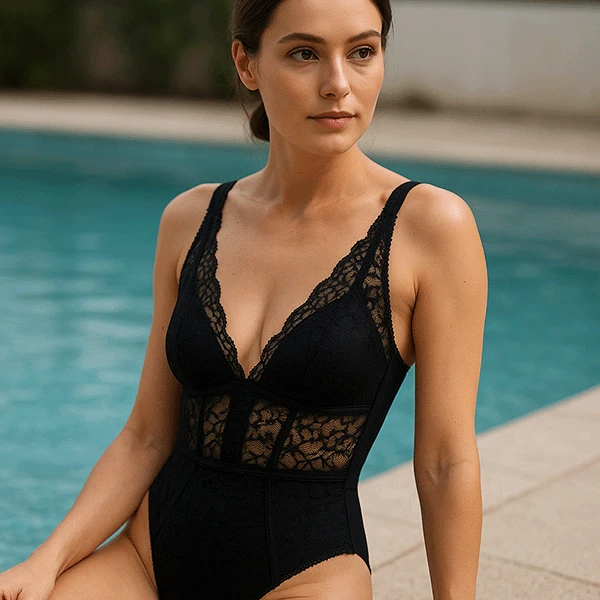
- The Plunging Neckline: The opposite of the high-neck, the plunging V-neck one-piece is a statement of bold confidence. When the edges of the deep V are trimmed with delicate black scalloped lace, it softens the line and adds a touch of romance. This style is excellent for elongating the torso and can be surprisingly flattering on a variety of bust sizes. For those with a larger bust, look for styles with hidden underwires or thicker straps for added support.
Two-Piece Triumphs: High-Waisted Briefs, Bandeaus, and Triangle Tops
The two-piece offers modularity and a different kind of freedom. The introduction of lace into bikini design adds a layer of luxury and detail often reserved for fine lingerie.
- High-Waisted Briefs with Lace Inserts: The high-waisted bikini bottom is a gift of retro fashion that has become a modern classic. It offers more coverage for the midsection and creates a beautiful hourglass silhouette. When a high-waisted brief features panels of black lace along the sides or a lace overlay across the front, it transforms from a simple retro piece into something far more complex and alluring. It evokes a sense of vintage glamour while feeling completely contemporary.
- The Lace Bandeau: A bandeau top is a minimalist choice that eliminates tan lines on the shoulders. A black lace bandeau, perhaps with a sweetheart neckline and a delicate lace overlay, is both sweet and sultry. This style works wonderfully for those with smaller to medium busts. Some designs incorporate a central piece of hardware or a twist front to create more shape and definition.
- The Classic Triangle Top, Reimagined: The simple triangle top is a swimwear staple. Elevate it with a border of black lace trim, and it immediately becomes more special. The lace adds a soft, feminine edge to the clean, geometric lines of the top. This small detail demonstrates how even a minimal touch of lace can completely redefine a garment's character.
Accentuating and Balancing: Using Lace Placement to Your Advantage
Think of lace placement as a form of visual editing. Where the lace is placed on a swimsuit, the eye will follow.
- To Create Curves: If you have a straighter, more athletic figure and wish to create the illusion of a curvier waist, a one-piece with hourglass-shaped lace inserts at the sides is a masterful choice. The contrast between the solid central panel and the sheer lace sides carves out a waistline.
- To Highlight the Bust: A bikini top or one-piece with a significant lace overlay or detailed appliqué on the cups will draw attention upward. A style with a lace ruffle or fringe along the neckline can also add perceived volume.
- To Elongate the Legs: A high-cut leg opening is the most effective way to make legs appear longer and leaner. When this high cut is trimmed with a delicate line of black lace, it accentuates the effect and adds a touch of elegance to a daring silhouette.
A Note on Sizing and Support for Different Body Shapes
Fit is paramount. A beautifully designed black lace swimsuit will fail to inspire confidence if it does not fit correctly. When shopping, pay close attention to how the garment feels. The lace should lie flat against your skin without pulling or bunching. The elastic should be snug but not dig in.
For those with larger busts, support is a key consideration. Do not shy away from delicate lace styles. Instead, look for those with smart construction: hidden underwires, molded cups, wider and adjustable straps, and strong, supportive linings. Many brands now specialize in creating swimsuits that offer the support of a well-made bra without sacrificing aesthetic beauty, proving that styles like intricate swimsuits are accessible to all.
Silhouette Guide for Body Shape Enhancement
|
Desired Effect |
Recommended Silhouette |
How Lace Enhances the Effect |
|
Elongate Torso |
Plunging V-Neck One-Piece |
Lace trim along the V draws the eye vertically. |
|
Define Waist |
Monokini with Side Cutouts |
Lace panels in the cutouts create an hourglass illusion. |
|
Add Bust Volume |
Bandeau or Triangle Top with Ruffles |
A lace overlay or ruffle adds texture and perceived fullness. |
|
Support Larger Bust |
High-Neck or Underwire One-Piece |
A sheer lace yoke over a solid, supportive structure offers coverage and style. |
|
Lengthen Legs |
High-Cut Brief or One-Piece |
A delicate lace trim along the leg opening accentuates the high cut. |
|
Minimize Tummy |
High-Waisted Bikini Brief |
A full lace overlay on the front panel provides texture and gentle camouflage. |
By considering these elements of silhouette and fit, you can choose a black lace swimsuit that feels as if it were designed just for you, allowing you to experience the unique confidence that comes from wearing a garment that is both beautiful and perfectly suited to your form.
Factor 3: The Spectrum of Style – From Subtle Accent to Full-Lace Fantasy
Beyond the foundational considerations of fabric and fit lies the vast and expressive realm of style. A black lace swimsuit is not a monolithic category; it is a universe of design possibilities. The specific aesthetic of the garment-how the lace is used, the mood it evokes, the cultural references it invokes-is what allows for true personal expression. The choice of style reflects not just a preference for a certain look, but an alignment with a particular sensibility, whether it be understated elegance, bohemian freedom, or dramatic romance. Understanding this spectrum is key to finding a piece that resonates with your individual aesthetic identity.
Minimalist Touches: Lace Trims and Panels
For those who appreciate subtlety, the most effective use of lace may be as a delicate accent. A simple, solid black swimsuit can be utterly transformed by the addition of a carefully placed lace detail. This approach is about suggestion rather than overt statement.
Imagine a classic scoop-back one-piece. Now, picture the edge of that scoop trimmed with a fine, scalloped eyelash lace. The fundamental character of the suit remains sporty and clean, but the lace adds an unexpected touch of femininity and refinement. Similarly, a sleek bikini bottom can be elevated with small, triangular lace inserts at the hips. This minimalist approach allows one to engage with the beauty of lace without committing to an all-over pattern. It's a nod to the trend, a whisper of romance on an otherwise modern and streamlined silhouette. This style is perfect for the individual whose overall aesthetic is clean and contemporary but who enjoys a hint of intricate detail.
The Illusion of Nudity: Nude Linings and Strategic Cutouts
One of the most dramatic and alluring styles within the black lace swimwear category involves the use of nude-colored linings. When a layer of intricate black lace is placed over a lining that closely matches the wearer's skin tone, it creates a powerful illusion. From a distance, it can appear as if the lace is resting directly on bare skin, a look that is both daring and sophisticated.
This technique requires high-quality materials and construction to be successful. The nude lining must be opaque and well-made, and the lace must be of a high enough quality to provide the necessary visual interest. This style often makes use of large panels of lace on the torso of a one-piece or across the entirety of a bikini top. It plays with the viewer's perception and highlights the artistry of the lace pattern itself. It is a style that is deeply connected to the world of haute couture and high-end lingerie, where such illusions are a hallmark of masterful design. It is for the wearer who is confident and has a flair for the dramatic, someone who understands that true elegance often lies in what is skillfully suggested.
Bohemian Rhapsody: Crochet-Style Lace and Festival Vibes
Not all lace is the fine, delicate web of Chantilly or Alençon. There is another tradition, one that is more rustic, more free-spirited: crochet. While technically a different method of construction, crochet-style lace has become a significant part of the black lace swimwear aesthetic, particularly for those drawn to a bohemian or festival-inspired look.
This type of lace is heavier, with a more substantial, handmade feel. It might appear as a wide band of crochet lace under the bust of a bikini top, or as the entire back of a one-piece, creating a dreamcatcher-like effect. Black crochet lace, in particular, offers a beautiful contrast to the typical bright, earthy tones of boho style. It adds a touch of gothic, witchy edge to the free-spirited silhouette. This style pairs wonderfully with denim cutoffs, fringed kimonos, and rustic leather accessories. It is less about classic seduction and more about a kind of earthy, artistic self-expression.
Gothic Romance and Victorian Influences in Modern Swimwear
The combination of black and lace has deep roots in Gothic and Victorian aesthetics. This sub-style of black lace swimwear draws on these historical references to create pieces that are dramatic, romantic, and slightly melancholic.
Think of high necklines reminiscent of a Victorian mourning dress, but rendered in sheer swim-safe lace. Imagine long-sleeved one-pieces with lace cuffs, or bikini tops with cap sleeves made of delicate floral lace. These designs often incorporate other gothic elements, such as corset-style lacing on the front or back of a suit. These are not merely swimsuits; they are wearable pieces of art that tell a story. They appeal to those with a love for history, literature, and a darker, more romantic aesthetic. Wearing such a piece is like stepping into a modern reinterpretation of a Brontë novel-powerful, passionate, and unforgettable. This style shows how swimwear can transcend its functional purpose and become a vehicle for fantasy and narrative, much like an elaborate corset or piece of bridal lingerie might.
Connecting to Intimates: The Influence of Sexy Lingerie Sets
It is impossible to discuss black lace swimwear without acknowledging its close relationship to the world of intimate apparel. Many of the design cues-plunging necklines, corset lacing, garter-like strap details, and the use of sheer panels-are borrowed directly from sexy lingerie sets. This crossover is a testament to the blurring lines between public and private wear, and a growing desire for garments that make one feel beautiful and confident from the inside out.
A swimsuit might feature a lace-up detail on the back that mimics a corset, or a bikini bottom might have strappy details at the hip that suggest a garter belt. This influence is not merely about titillation; it is about empowerment. It is about taking the elements of clothing that have traditionally been hidden and associated with a private sense of self, and bringing them into the light. It allows the wearer to feel just as powerful and alluring at the beach as they might in their most exquisite lingerie. This stylistic choice is for the individual who sees no distinction between their public and private self, and who believes that beauty and confidence should be expressed in all aspects of life.
Factor 4: Quality and Construction – Separating the Superb from the Subpar
In the realm of delicate garments like black lace swimwear, superior construction is the invisible architecture that supports breathtaking design. A swimsuit can be aesthetically pleasing on the hanger, but its true quality is revealed in its performance and longevity. Meticulous craftsmanship ensures that the garment will maintain its shape, comfort, and beauty through countless encounters with sun, water, and movement. To the untrained eye, two similar-looking lace swimsuits might seem interchangeable, but a closer examination of their construction details-the stitching, the lining, the hardware-can reveal a world of difference. Learning to recognize these markers of quality is an act of consumer empowerment, ensuring your investment yields a garment that brings joy for more than a single season.
Stitching and Seams: What to Look For
The seams of a swimsuit are its skeleton. They are the points of highest stress and are therefore a primary indicator of durability.
- Stitch Density: Gently stretch a seam on the swimsuit. On a well-made garment, the thread should remain tight and the stitches close together. You should not see large gaps appearing between the stitches. A high stitch density (more stitches per inch) creates a stronger, more durable seam that is less likely to pop when you move.
- Type of Stitch: Look for zig-zag or overlock stitches, especially on the interior of the suit. These stitches are designed to stretch with the fabric, preventing the thread from snapping. A simple straight stitch, common in regular apparel, is a red flag in swimwear as it has very little give.
- Reinforced Seams: Pay special attention to the areas that bear the most strain, such as where the straps connect to the body of the suit and the seams around the leg openings and under the bust. High-quality pieces will often have reinforced stitching in these areas, sometimes called bar-tacking, which looks like a very dense and tight series of stitches. This small detail significantly enhances the garment's lifespan.
- Flat-Lying Seams: Run your hand over the inside of the suit. The seams should feel relatively flat and smooth against the skin. Bulky, rough, or raised seams can cause chafing and irritation, especially when the suit is wet and you are active.
The Importance of High-Quality Lining
The lining of a swimsuit is its unsung hero. It provides opacity, support, comfort, and helps the suit maintain its shape. For black lace swimwear, where parts of the suit may be sheer, the quality and placement of the lining are even more significant.
- Full vs. Partial Lining: The highest quality swimsuits are often fully lined, both front and back. A full lining provides a smoother silhouette, prevents the suit from becoming transparent when wet, and adds a layer of durability. At a minimum, a swimsuit should have a full front lining and a lining in the crotch. Unlined back panels on a bikini bottom can be a sign of cutting corners, unless it is a specific design choice for sheerness.
- Lining Fabric: The lining should be made of a similar high-quality swim fabric as the outer shell, not a cheap, thin material. It should feel soft and have good stretch and recovery. In a black lace swimsuit with a nude illusion effect, the nude lining must be of a substantial weight to ensure complete opacity.
- Color of Lining: For a black swimsuit, the lining should ideally be black as well. A white or light-colored lining can sometimes peek out at the seams and disrupt the sleek, uniform look. The exception, of course, is the intentional use of a nude or contrasting color for design purposes.
Hardware and Embellishments: Metals, Clasps, and Ties
The small details of a swimsuit's hardware can make a big difference in both aesthetics and function.
- Material: All metal components-clasps, rings, sliders for adjustable straps-should be specifically designed for swimwear. This means they should be resistant to rust and corrosion from saltwater and chlorine. Look for hardware made from coated zinc alloy, high-grade plastic, or stainless steel. Cheap metal hardware can rust, leaving stains on the fabric, and can become uncomfortably hot in the sun.
- Clasps and Closures: Test the clasp on the back of a bikini top. It should feel secure and click into place firmly, but also be easy enough to operate yourself. Flimsy plastic clasps are prone to breaking. For tie-closures, check the fabric of the ties. They should be made from the same durable swim fabric as the rest of the suit, often double-layered and stitched for strength.
- Adjustability: Adjustable straps are a hallmark of a well-considered design. They allow you to customize the fit for your torso length and desired level of support. The sliders for adjustment should be robust and hold their position without slipping.
Evaluating the Lace Itself: Snagging, Pilling, and Stretch Recovery
Finally, assess the star of the show: the lace. Swim-safe lace is engineered, but its quality can still vary.
- Snag Resistance: While no delicate fabric is completely snag-proof, higher quality swim lace will be more resilient. Rub a small, inconspicuous area of the lace gently with your fingertip. It should feel smooth, not rough, and the threads should not easily catch or pull. A lace with a very open, loose weave will be more prone to snagging on jewelry or rough surfaces.
- Pilling: Pilling occurs when fibers on the surface of a fabric break and tangle into tiny balls. It is often a sign of a lower-quality material. High-quality nylon and polyester are more resistant to pilling.
- Stretch and Recovery: Gently stretch a portion of the lace. It should have good elasticity, thanks to its spandex content, but it should also snap back to its original shape immediately upon release. If the lace remains stretched out or looks distorted after a gentle pull, it has poor recovery and will likely bag and sag over time.
By training your eye and hand to notice these details, you transform from a passive consumer into an informed connoisseur. You will be able to confidently select a piece of black lace swimwear that is not just a fleeting fancy, but a well-crafted garment built to last.
Factor 5: The Art of Preservation – A Regimen for Care and Longevity
Acquiring a beautiful piece of black lace swimwear is the first step; the second, and equally vital, step is understanding how to care for it. These garments, a marriage of delicate aesthetics and robust materials, demand a specific care regimen to maintain their integrity. Proper care is not merely about cleanliness; it is an act of preservation. It protects your investment, ensures the fabric retains its elasticity and color, and keeps the intricate lace details looking pristine. Neglecting these simple procedures can prematurely age even the highest quality swimsuit, leading to faded color, degraded fibers, and a loss of shape. By adopting a mindful approach to care, you can dramatically extend the life of your cherished swimwear.
The Post-Swim Ritual: Rinsing and Washing Techniques
The moments immediately following a swim are the most impactful for your swimsuit's health. The goal is to remove the harmful residues of chlorine, salt, sand, and sunscreen as quickly as possible.
1. Immediate Rinse: Do not let your wet suit sit for hours in a bag. As soon as you are finished swimming, rinse it thoroughly in cool, fresh water. A beach shower or even a tap in a restroom is sufficient for this crucial first step. This initial rinse flushes out the majority of corrosive elements before they have a chance to set in and begin degrading the fabric.
2. Gentle Hand Washing: The washing machine is the enemy of delicate swimwear, especially pieces with lace. The agitation, high heat, and harsh detergents are a recipe for disaster, leading to snags, stretched elastic, and damaged hardware. The proper method is a gentle hand wash. Fill a basin with cool water and add a small amount of a mild detergent specifically formulated for delicates or activewear. Avoid standard laundry detergents and fabric softeners, as they can be too harsh and can break down spandex fibers.
3. The Washing Process: Submerge the swimsuit and gently swish it through the water. You can softly knead the fabric, paying gentle attention to any soiled areas. Let it soak for no more than 15-30 minutes. A prolonged soak can actually cause dyes to bleed.
4. Thorough Rinsing: After washing, drain the soapy water and rinse the suit repeatedly with cool, clean water until no suds remain. It is vital to remove all traces of detergent, as leftover soap can also weaken the fabric.
Drying and Storage: Preventing Fabric Degradation
How you dry your swimsuit is just as important as how you wash it. Heat is the primary culprit in destroying a swimsuit's elasticity.
- Never Wring: After the final rinse, gently squeeze the excess water out of the suit. Never twist or wring it tightly. Wringing stretches the delicate spandex fibers to their breaking point, causing permanent damage and loss of shape. You can lay the suit flat on a clean, thick towel, roll the towel up, and press gently to absorb more water.
- Air Dry in the Shade: Lay the swimsuit flat or hang it to dry on a plastic hanger in a well-ventilated area away from direct sunlight. The UV rays from the sun will fade the deep black color and further degrade the fabric fibers. The heat from a machine dryer is even worse; it will essentially "cook" the elastic, making it brittle and causing it to snap. Avoid hanging the suit by its straps, as the weight of the water can cause them to stretch out.
- Ensure it is Completely Dry: Before putting your swimsuit away, make sure it is 100% dry. Storing a damp suit can lead to the growth of mildew and unpleasant odors, which are difficult to remove and can stain the fabric.
Stain Removal and Minor Repairs for Delicate Lace
Accidents happen. A drip of sunscreen or a small snag in the lace does not have to mean the end of your swimsuit.
- Sunscreen and Oil Stains: Sunscreen is notoriously difficult to remove from swimwear fabric. To treat a fresh stain, lay the suit flat and sprinkle a small amount of baking soda or cornstarch on the spot. Let it sit for an hour to absorb the oil, then gently brush it off and wash the suit as usual. For set-in stains, a small spot treatment with a gentle stain remover (test on an inconspicuous area first) or a paste of baking soda and water may be necessary before washing.
- Minor Snags: If you get a small snag in the lace, resist the urge to pull it or cut it. This will often create a hole or a run. Instead, use a fine needle to gently poke the snagged thread back through to the underside of the fabric.
- Storage: Store your clean, dry swimsuit flat in a drawer, ideally in a breathable fabric bag to protect the lace from catching on other items. Avoid storing it in plastic bags, which can trap residual moisture.
By integrating these practices into your routine, you are not just cleaning a garment; you are engaging in a ritual of care that honors the craftsmanship of your black lace swimwear. It is a small investment of time that pays significant dividends in the longevity and enduring beauty of your favorite pieces.
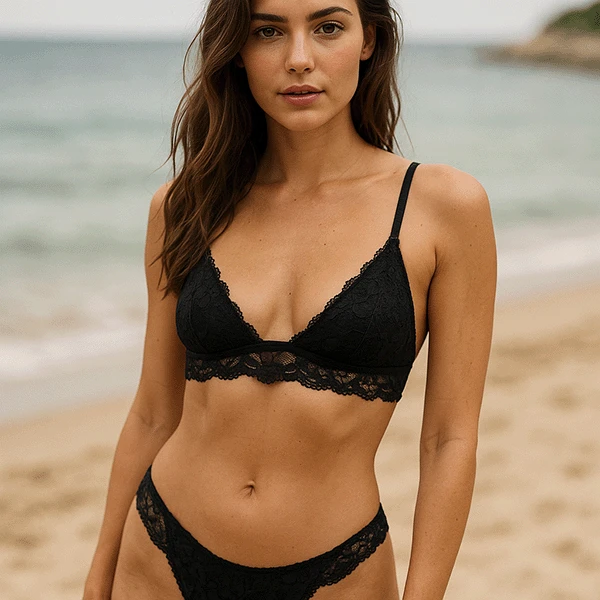
Factor 6: Styling Beyond the Shore – Versatility and Accessorizing
The true value of a thoughtfully chosen garment lies not only in its primary function but in its versatility. A well-designed piece of black lace swimwear, particularly a one-piece, possesses a chameleon-like quality that allows it to transcend the confines of the beach or pool. By viewing it as a foundational piece-essentially, a beautifully detailed bodysuit-you unlock a world of stylistic possibilities. This approach aligns with a more sustainable and creative mindset toward fashion, where individual items serve multiple roles within a wardrobe. The art of styling your swimwear for life beyond the water is about context and combination, transforming a functional item into a statement of personal style.
From Beach to Bar: Pairing with Skirts, Trousers, and Wraps
The transition from a day spent by the water to an evening social engagement can be seamless with the right pairings. A black lace one-piece is an ideal candidate for this dual role.
- With a Flowing Maxi Skirt: Pairing a sleek black lace one-piece with a high-waisted, flowing maxi skirt creates an instantly elegant evening look. The swimsuit provides a smooth, tucked-in top, while the skirt adds drama and movement. This combination is perfect for a seaside dinner or sunset cocktails. The lace details of the swimsuit peeking out at the neckline add a touch of romance and intrigue.
- With High-Waisted Trousers: For a chic, more urban look, tuck your black lace one-piece into a pair of wide-leg, high-waisted trousers. A crisp white or beige linen trouser provides a beautiful contrast to the black lace. This creates a sophisticated and powerful silhouette that is both comfortable and stylish. It is an outfit that would be perfectly at home in a stylish resort lobby or an art gallery opening.
- With a Simple Sarong or Wrap: The most classic beach-to-bar transition involves a sarong or wrap. However, the quality of the wrap matters. Instead of a simple cotton pareo, consider a sheer silk or chiffon wrap. Tying it as a long skirt allows the silhouette of your black lace swimwear to remain the focal point, while providing an elegant layer of coverage.
Jewelry and Footwear Choices to Complement Lace
Accessories are the final touch that can either elevate or overwhelm a look. With black lace, the key is often a balance between delicacy and statement.
- Jewelry: Because black lace is already visually intricate, jewelry choices should be deliberate. For a minimalist or classic look, opt for fine, delicate pieces. A simple gold or silver chain, small hoop earrings, or a thin bangle complements the lace without competing with it. For a more bohemian or dramatic style, you could choose a single statement piece, such as large, artisanal earrings or a stack of wooden bracelets, but keep the rest of your jewelry minimal. Avoid necklaces that lie directly on top of a lace neckline, as they can get lost or create a cluttered look.
- Footwear: The choice of footwear solidifies the intended occasion. For a casual daytime look, a pair of simple leather slides or espadrilles works beautifully. To elevate the outfit for the evening, switch to a pair of wedge sandals or heeled espadrilles. A strappy, heeled sandal can also work well, echoing the delicate lines of the lace itself.
The Swimsuit as a Bodysuit: Integrating Swimwear into Everyday Wardrobes
The concept of the swimsuit-as-bodysuit has gained significant traction, and for good reason. Many modern swimsuits, especially one-pieces, are designed with the same attention to fit and detail as high-end bodysuits. This allows them to function as a perfect layering piece in a non-beach context. A black lace one-piece, with its built-in support and smooth lines, is an ideal candidate.
Consider pairing it with a high-waisted pair of jeans and a blazer for a sharp, edgy look. The lace detail at the neckline adds a feminine touch to the structured tailoring of the blazer. It can also be worn under a sheer blouse, allowing the lace pattern to show through in a subtle, layered way. This versatility makes a high-quality black lace one-piece an incredibly smart purchase. It is not just a seasonal item but a year-round wardrobe workhorse, capable of adapting to numerous styles and occasions, much like a versatile jumpsuit. This multi-functionality encourages a more thoughtful and less disposable approach to building a wardrobe.
Factor 7: Ethical and Sustainable Considerations in a Modern World
In 2025, the conversation around fashion has irrevocably expanded to include the critical dimensions of ethics and sustainability. The decision to purchase a garment is no longer solely an aesthetic or financial one; for a growing number of conscious consumers, it is also a moral one. When selecting a piece of black lace swimwear, engaging with questions about its origin, its material lifecycle, and the values of the brand that produced it adds a profound layer of meaning to the purchase. Choosing a swimsuit that aligns with your values is a powerful act, one that contributes to a healthier planet and a more equitable fashion industry. It is about seeking beauty that is not just skin-deep but is rooted in responsible practices.
Understanding Recycled Fabrics in Swimwear Production
The swimwear industry has historically relied heavily on virgin synthetics-nylon and polyester derived from petroleum, a non-renewable resource. However, significant innovation in textile recycling has provided a more sustainable alternative.
- ECONYL and Other Recycled Nylons: One of the most prominent materials in sustainable swimwear is ECONYL®. This is a brand of regenerated nylon made entirely from waste products, such as discarded fishing nets, fabric scraps from mills, and industrial plastic. This process is remarkable because it takes waste that is harmful to marine ecosystems and transforms it into a high-quality, durable yarn that is identical in performance to virgin nylon (Aquafil, 2024). When you choose a black lace swimsuit made from recycled nylon, you are supporting a circular economy-one that reduces landfill waste, cleans up oceans, and lessens the demand for fossil fuels.
- Recycled Polyester: Similarly, recycled polyester is often made from post-consumer plastic bottles (PET). The bottles are sterilized, crushed into pellets, and then melted and spun into fiber. This process requires significantly less energy than producing virgin polyester and keeps plastic bottles out of landfills and waterways.
When shopping, look for tags and product descriptions that explicitly mention the use of recycled materials like ECONYL® or recycled polyester. This is a clear indicator that the brand is making a conscious effort to reduce its environmental footprint.
The Role of Slow Fashion and Timeless Design
The concept of "slow fashion" stands in direct opposition to the fast-fashion model of producing cheap, trendy items designed to be discarded after a few wears. Slow fashion prioritizes quality, longevity, and timeless style. A black lace swimsuit is, by its very nature, a perfect candidate for the slow fashion ethos.
- Timelessness over Trendiness: Black is a perennially chic color, and lace is a classic material. A well-designed black lace swimsuit is not something that will look dated next season. By investing in a high-quality, timeless piece, you are more likely to wear it for many years, reducing the overall number of items you need to purchase. This is one of the most effective forms of sustainable consumption: buying less, but buying better.
- Quality Construction: Slow fashion also emphasizes craftsmanship. A garment that is meticulously stitched, fully lined, and made from durable materials is inherently more sustainable than a poorly made one because it will not need to be replaced as quickly. The principles of quality construction discussed earlier are therefore intrinsically linked to sustainability.
Choosing Brands with Transparent and Ethical Manufacturing Processes
The environmental impact of a garment is only one part of the equation. The other is the human element: the conditions under which the garment was made. An ethical brand is one that takes responsibility for its entire supply chain.
- Transparency: Look for brands that are open about where and how their products are made. Do they share information about their factories? Do they know the people who are sewing their garments? A lack of transparency can be a red flag, suggesting that a brand may have something to hide.
- Fair Labor Practices: Ethical production means that workers are paid a living wage, work in safe conditions, and are treated with dignity and respect. Look for certifications like Fair Trade or for brands that are vocal about their commitment to ethical manufacturing. Many smaller, independent brands build close relationships with their manufacturers and can provide a high level of assurance about their labor practices.
- Small-Batch Production: Brands that produce their garments in small batches, or even make them to order, are often a more sustainable choice. This model reduces waste from overproduction, a massive problem in the fashion industry where entire collections of unsold goods often end up in landfills.
Choosing a black lace swimsuit in 2025 can be an opportunity to vote with your wallet for the kind of fashion industry you want to see. By prioritizing recycled materials, timeless design, and brands with transparent, ethical practices, you can acquire a piece that is not only beautiful and flattering but also a positive force for change.
Frequently Asked Questions
Can you actually swim in black lace swimwear?
Yes, absolutely. Modern black lace swimwear is specifically designed for swimming. The "lace" is not the delicate cotton or silk of lingerie but a durable, engineered fabric made from swim-safe materials like nylon, polyester, and spandex blends. These materials are chosen for their resistance to chlorine and salt, their ability to dry quickly, and their stretch retention, ensuring the suit is both beautiful and fully functional for swimming and other water activities.
How do I prevent the lace on my swimsuit from snagging?
While swim-safe lace is durable, it is still more prone to snagging than a completely flat fabric. To prevent snags, be mindful when wearing jewelry with sharp edges, like rings or bracelets. Avoid sitting directly on rough surfaces like splintery wood benches or un-sanded concrete pool edges; always lay a towel down first. When washing and storing, keep the suit separate from items with zippers, hooks, or velcro that could catch the delicate threads.
Is black lace swimwear only for specific body types?
Not at all. Black lace swimwear is available in a vast array of silhouettes, from monokinis and high-waisted bikinis to supportive underwire one-pieces. The key is to choose a style where the lace placement flatters your specific shape. For example, vertical lace panels can elongate the torso, while a lace overlay on the bust can add perceived volume. The versatility of the design means there is a stunning black lace option for every body type.
Does black lace fade in the sun or chlorine?
Like any colored fabric, black lace can fade over time with prolonged exposure to harsh sun and chlorine. However, high-quality swimwear uses colorfast dyes and materials like polyester, which is highly resistant to both chlorine and UV degradation. To minimize fading, always rinse your suit in cool, fresh water immediately after swimming and dry it in the shade, never in direct sunlight.
How is black lace swimwear different from black lace lingerie?
The primary difference is the material. Lingerie lace is typically made from delicate, non-stretch materials like cotton, silk, or fine nylon that are not meant to get wet and would lose their shape. Black lace swimwear is made from high-performance synthetic blends (nylon/spandex or polyester/spandex) that are engineered to withstand water, stretch with the body, and resist environmental damage. While they may share aesthetic similarities, their functional purposes and material compositions are entirely different.
What is the best way to wash a delicate lace swimsuit?
The best method is to hand wash in cool water using a small amount of mild detergent formulated for delicates. Gently swish the suit in the water, let it soak for about 15 minutes, and then rinse thoroughly until the water runs clear. Never use a washing machine or dryer, as the agitation and heat will damage the lace and the elastic fibers.
Can I wear a black lace one-piece as a top for an evening out?
Yes, this is one of the best features of a well-designed black lace one-piece. It functions perfectly as a bodysuit. Pair it with high-waisted trousers, a skirt, or even jeans and a blazer for a chic, seamless look. The built-in support and smooth fit make it an excellent and versatile layering piece for a variety of non-beach occasions.
Conclusion
The journey through the world of black lace swimwear reveals a garment that is far more than a simple piece of beach attire. It is a complex object, rich with historical resonance, built upon sophisticated material science, and capable of profound personal expression. We have seen how its components-the mystery of black and the delicacy of lace-carry centuries of cultural meaning, from the courts of kings to the most intimate moments of life. Understanding the engineered fabrics that allow this delicate aesthetic to thrive in harsh aquatic environments empowers a more discerning choice, shifting the focus from fleeting appearance to enduring quality.
By examining the nuances of silhouette and the strategic placement of lace, we recognize the power of design to celebrate and flatter the diversity of human forms, fostering a sense of confidence that is both seen and felt. The principles of quality construction, from the density of a stitch to the resilience of a clasp, emerge not as mundane details but as the very foundation of a garment's longevity. Furthermore, adopting a regimen of mindful care transforms the act of cleaning into an act of preservation, while exploring the garment's stylistic versatility unlocks a more sustainable and creative relationship with our wardrobe. Finally, by placing our choices within an ethical and environmental framework, we acknowledge that true elegance is inseparable from responsibility. To choose a black lace swimsuit, then, is to engage in a thoughtful dialogue between art and science, history and modernity, personal desire and collective good. It is an affirmation that beauty, strength, and conscience can and should coexist.
References
Aquafil. (2024). What is ECONYL® regenerated nylon? ECONYL.
Cole, D. (2008). The history of modern fashion. Laurence King Publishing.
Crane, D. (2000). Fashion and its social agendas: Class, gender, and identity in clothing. University of Chicago Press.
Farrell, J. (2018). The psychology of clothing. In D. N. Jones (Ed.), The handbook of fashion studies (pp. 45-62). Macmillan.
Kliot, J., & Kliot, K. (2004). Lace: The elegant web. Lacis Publications.
Le Pechoux, B., & Dirix, Y. (2003). UV-resistance of polyamide fibers. Polymer Degradation and Stability, 82(3), 437-444. (03)00200-9
Slater, K. (2003). Environmental impact of textiles: Production, processes and protection. Woodhead Publishing.
Tse, C. L., & Lau, K. W. (2017). A study on the performance of swimwear fabrics. International Journal of Fashion Design, Technology and Education, 10(2), 176-184.