Abstract
The black negligee persists as an icon of intimate apparel, embodying a complex interplay of cultural symbolism, aesthetic design, and personal expression. An examination of this garment reveals its evolution from a simple boudoir wrap to a sophisticated statement of allure and confidence. The selection of a black negligee involves a nuanced understanding of material properties, from the fluid drape of silk to the intricate texture of lace, each contributing a unique sensory experience. Body architecture and garment silhouette must achieve a harmonious relationship to ensure both comfort and flattery. The color black itself is not monolithic; its significance ranges from mourning to power to pure elegance, a spectrum reflected in the design of modern lingerie. This analysis explores the multifaceted considerations in choosing the perfect black negligee, treating the decision not as a mere purchase but as a thoughtful act of curating one's personal narrative. It considers the garment's role across various contexts, from bridal trousseaus to moments of solitary luxury, emphasizing that the ideal choice balances aesthetic appeal with functional grace and enduring quality.
Key Takeaways
1. Select fabrics like silk or satin for a luxurious feel or lace for intricate, sensual detail.
2. Match the negligee's silhouette to your body shape to enhance comfort and confidence.
3. Consider the occasion; a dramatic, long negligee suits special events, while simpler styles are for daily elegance.
4. Pay attention to details like strap style and embellishments, as they define the garment's character.
5. Proper care, including gentle washing and storage, is vital for preserving delicate black negligees.
6. View the garment as a tool for self-expression, choosing a style that reflects your personal identity.
Tip 1: Understand the Language of Fabrics
The experience of wearing a negligee begins with touch. Before the eye registers the form or the mind processes the style, the skin communicates with the material. The fabric is the primary medium of the garment's expression, its vocabulary rich with sensory information. To choose a black negligee is to select a specific dialect of intimacy, one spoken through the language of textiles. A profound appreciation for these materials allows for a more deliberate and satisfying selection, transforming the act of choosing from a simple preference to an informed aesthetic judgment. Each fiber possesses a distinct character, a unique way of interacting with light, air, and the body itself.
The Voice of Silk
Silk speaks in a fluid, liquid whisper. Its relationship with the body is one of intimate contouring, draping with a weightless grace that feels less like a covering and more like a second skin. Derived from the cocoons of silkworms, its natural protein fibers refract light, producing a subtle luster that is deep rather than superficial. A black silk negligee does not shout; it murmurs. Its coolness upon first touch gives way to a gentle warmth, regulating temperature with an intelligence unique to natural fibers. The sensation is one of pure luxury, a feeling of being cherished. When considering a silk garment, one might ponder the difference between charmeuse, with its lustrous satin weave front and dull crepe back, versus a more matte silk crepe de chine. The former offers a classic, high-gloss glamour, while the latter provides a more understated, modern elegance. The choice is not merely about appearance but about the very nature of the light it holds and the story it tells against the skin.
The Intricacy of Lace
Lace, in contrast, is a language of intricate poetry. It is a textile of presence and absence, its patterns of thread and open space creating a dynamic interplay of concealing and revealing. A black lace negligee is an exercise in chiaroscuro, where the skin becomes part of the design itself. There are countless dialects of lace. Chantilly is known for its fine, outlined patterns on a sheer net background, offering a delicate, almost ethereal romanticism. Alençon lace is denser, with its motifs outlined by a heavy cord, giving it a sculptural quality. Eyelash lace, with its soft, feathery edge, frames the body with a gentle flourish. To select a lace negligee is to consider the narrative of its pattern. Does one prefer the bold geometry of a modern guipure lace or the soft, floral romance of a traditional design? Such a garment invites a closer look, rewarding attention with its detailed craftsmanship. It is less about the fluid movement of silk and more about the textured, visual landscape it creates upon the body.
The Gleam of Satin and the Whisper of Chiffon
Satin and chiffon offer compelling, often more accessible, alternatives. Satin, typically a synthetic fabric like polyester woven to create a glossy surface, provides a visual effect similar to silk charmeuse. Its gleam is often brighter, more pronounced. A black satin negligee captures light dramatically, presenting an image of bold, unapologetic glamour. While it may not possess the breathability of natural silk, its smooth surface offers a satisfyingly slick glide against the skin, making it a popular choice for erotic lingerie.
Chiffon, on the other hand, is the faintest of whispers. It is a sheer, lightweight, plain-woven fabric that can be made from silk or synthetic fibers. Its name comes from the French word for a cloth or rag, belying its delicate, ethereal quality. A black chiffon negligee is an instrument of suggestion. It veils the body in a soft, smoky haze, creating an aura of mystery. Often used in layers or as an overlay on an opaque fabric, chiffon adds movement and a dreamlike softness. Its texture is slightly rougher than silk, a fine crepe-like feel that prevents it from clinging, allowing it to float around the body with every movement.
|
Fabric Feature |
Silk |
Lace |
Satin (Polyester) |
Chiffon |
|
Primary Sensation |
Liquid, smooth, temperature-regulating |
Textured, intricate, revealing |
Slick, smooth, dramatic |
Airy, sheer, floating |
|
Visual Appeal |
Subtle, deep luster |
Patterned, transparent, detailed |
High-gloss, bright sheen |
Matte, transparent, soft focus |
|
Drape |
Fluid, body-contouring |
Varies with pattern, can be stiff or soft |
Fluid but can be stiffer than silk |
Weightless, ethereal |
|
Breathability |
Excellent |
Excellent (due to open spaces) |
Low to moderate |
Good |
|
Care Level |
High (hand wash, professional clean) |
High (hand wash, protect from snags) |
Moderate (machine washable on delicate) |
Moderate to High (hand wash) |
|
Association |
Timeless luxury, natural elegance |
Romantic, sensual, intricate |
Bold glamour, modern appeal |
Mysterious, delicate, romantic |
Tip 2: Aligning Silhouette with Body Architecture
A garment's success is not determined by its beauty on a hanger but by its synergy with the human form. The term "body architecture" encourages a shift in perspective-away from a paradigm of "flaws" to be corrected and toward an appreciation of the body's unique structure. A black negligee, in its intimacy, is particularly sensitive to this relationship. The goal is not to force the body into a predetermined shape but to select a silhouette that honors its natural lines, creating a composition of fabric and form that feels both authentic and empowering. This requires a thoughtful assessment of proportion, line, and volume.
The Chemise and the Babydoll
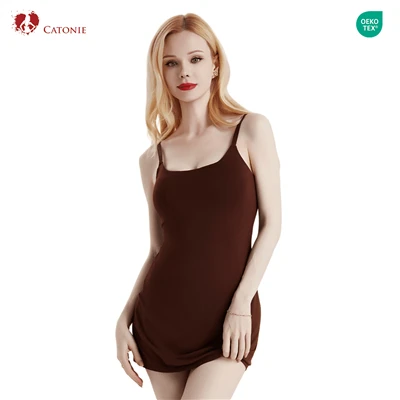
Two of the most common silhouettes present distinct approaches to the body. The chemise is typically a simpler, more linear garment. It falls straight from the shoulders, gently skimming the body's curves without dramatic shaping. Its power lies in its elegant simplicity. For a body with a straighter, more athletic build, a bias-cut chemise can introduce a sense of fluid curvature. For a body with more pronounced curves, a chemise made from a fabric with some stretch can offer a comfortable, body-conscious fit that celebrates the natural form without constriction. The chemise is a versatile foundation, a blank canvas upon which the fabric and details can truly shine.
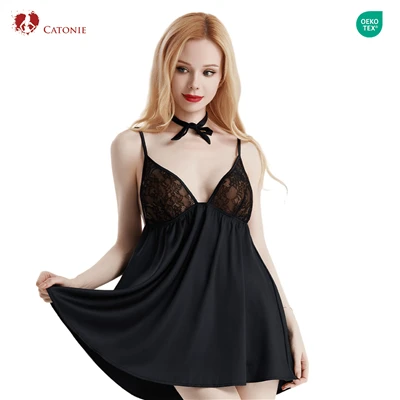
The babydoll silhouette, in contrast, is more architectural. It is defined by its high, empire waistline, with the fabric flaring out from just below the bust. This design creates a sense of lightness and playfulness. It draws attention upward toward the décolletage while allowing the fabric to float freely over the midsection. For individuals who carry their curves in their hips and thighs, the babydoll offers an unrestrictive, comfortable fit. For those with a smaller bust, a babydoll with a structured or padded cup can enhance the silhouette. The choice between a chemise and a babydoll is a choice between two different philosophies of dress: the former a study in graceful lines, the latter a celebration of youthful volume.
The Long Gown and the Teddy
For a more dramatic statement, one might consider the full-length gown. A long black negligee evokes a sense of old-world glamour and sophistication. It elongates the body, creating a continuous, elegant line from shoulder to floor. A flowing, A-line gown made of chiffon or silk can feel majestic, its movement commanding attention. A more form-fitting "slip dress" style gown in satin or silk charmeuse speaks to a sleek, modern sensuality. This silhouette is particularly suited for special occasions, transforming the act of lounging into a theatrical event. It requires a consideration of height; the hem should ideally graze the floor or ankle without posing a tripping hazard, a detail that underscores the importance of proper proportion.
The teddy, or romper, offers a completely different sensibility. By combining the top and bottom into a single piece, it blurs the line between lingerie and loungewear. A teddy can feel sporty and modern, especially when crafted from soft jersey or stretch lace. For those who value ease of movement and a more contained silhouette, the teddy is an excellent choice. It can be particularly flattering on petite frames, as it avoids breaking the body into separate visual sections. Some teddies feature a blouson top and more fitted shorts, while others are slinky and form-fitting all over, resembling a sexy lingerie sets.
|
Silhouette |
Description |
Best Suited For |
Effect |
|
Chemise/Slip |
A-line or straight cut, falls from the shoulders |
Versatile for most body types |
Elegant, simple, highlights fabric |
|
Babydoll |
High empire waist, flared skirt |
Pear shapes, apple shapes, those seeking comfort |
Playful, highlights bust, conceals midsection |
|
Long Gown |
Full-length, can be flowing or form-fitting |
Taller frames, special occasions |
Dramatic, elongating, glamorous |
|
Teddy/Romper |
One-piece garment combining top and bottom |
Athletic builds, petite frames, those valuing movement |
Modern, sporty, unified silhouette |
Tip 3: Decoding the Nuances of Black
Black is not an absence of color; it is a concentration of it. In the world of fashion and intimate apparel, black is a language with a rich and complex grammar. It can signify power, grief, sophistication, rebellion, or sensuality. The meaning of a black negligee is not fixed; it is constructed through the interplay of fabric, cut, and context. To choose a black negligee is to engage with this history and to select the specific nuance of black that aligns with one's intention. The perception of a garment is deeply influenced by cultural and psychological associations with its color (Chen, 2022).
Black as Sophistication and Timelessness
The most enduring association of black is with elegance. A simple, well-crafted black garment possesses a timeless quality that transcends fleeting trends. It functions as a perfect frame, drawing attention not to itself but to the wearer-the curve of a shoulder, the line of the neck, the color of the skin. A black negligee made from high-quality silk or a matte jersey embodies this understated sophistication. It does not rely on bright colors or loud patterns to make an impression. Its power is quiet, confident, and self-assured. This is the black of the little black dress, translated into the private language of lingerie. It suggests a person who is secure in their own taste, who values quality over novelty.
Black as Mystery and Allure
Black is also the color of the night, of shadows, of the unknown. A black negligee made from sheer fabrics like chiffon or intricate lace plays directly with this association. It uses the color to create a sense of mystery. By partially obscuring the body, it invites curiosity and imagination. The transparency of the fabric works in concert with the depth of the color to create a dynamic tension between revealing and concealing. This is a more performative aspect of the black negligee, one that is conscious of its audience, even if that audience is only oneself. It is a tool for constructing an aura of allure, for engaging in a playful dialogue with perception. This use of black taps into a deep-seated psychological fascination with what is hidden from view.
Black as a Canvas for Detail
From a design perspective, black serves as the ultimate canvas. It causes other elements to stand out in sharp relief. A piece of brightly colored embroidery, the metallic glint of a piece of hardware, or the delicate texture of a different fabric will all appear more vivid against a black background. When choosing a black negligee with embellishments, one is choosing what to highlight. A design with a contrasting ivory lace trim uses black to emphasize the delicacy and purity of the lace. A negligee with a series of gold rings connecting the straps uses black to amplify the sense of luxury and opulence. Black absorbs the visual noise, allowing the specific details to sing. This makes it an incredibly versatile base for a wide range of styles, from minimalist to highly ornate. It allows designers of items like corsets or intricate lingerie to ensure their craftsmanship is the focal point.

Tip 4: Occasion as the Ultimate Stylist
A garment is an actor, and its performance is shaped by the stage on which it appears. The function of a black negligee, its raison d'être, is not static. It shifts dramatically depending on the context. A piece chosen for the quiet solitude of a Sunday morning is fundamentally different from one selected for a celebratory anniversary. Thinking about the occasion provides a practical framework for navigating the vast array of available styles. It helps to clarify the wearer's own desires and expectations for the garment, ensuring that the final choice is not just beautiful but also fit for its purpose. A structured approach to selection, much like a well-reasoned argument, ensures clarity and satisfaction in the final choice (Fashion Insights, 2023).
For Moments of Solitary Luxury
There is a profound pleasure in dressing for oneself. In this context, the primary consideration is personal comfort and sensory delight. A black negligee for solitary wear should feel like a personal indulgence, a small act of self-care. This might be a simple, unadorned chemise made from the softest silk jersey, a fabric that feels like a gentle hug. Or perhaps a long, flowing gown of brushed cotton, perfect for curling up with a book and a cup of tea. The details here are for the wearer alone: the perfect weight of the fabric, the smoothness of the seams, the comfortable fit of the straps. The visual aspect is secondary to the tactile experience. These are garments that support rest and rejuvenation, creating a personal sanctuary.
For Romantic and Special Occasions
When the occasion is romantic, the black negligee takes on a more communicative role. It becomes part of a shared experience. Here, visual impact and sensual allure often take center stage. A design incorporating sheer panels, delicate lace, or a more daring cut might be appropriate. A black babydoll with a plunging neckline and a matching thong creates a playful, flirtatious mood. A dramatic floor-length gown in transparent chiffon with strategic satin paneling offers a more sophisticated, cinematic allure. The choice of fabric becomes significant for its visual properties-the high sheen of satin, the intricate web of lace. These are garments designed to be seen, to create a memorable impression, and to heighten the sense of occasion. They are part of the pageantry of romance, akin to the special dishes and fine wines reserved for celebration.
The Bridal Trousseau
The concept of the bridal trousseau has evolved, but the inclusion of special lingerie remains a tradition for many. Within this context, a black negligee can be a bold and modern choice, a departure from the conventional whites and ivories. It can symbolize the bride's confidence and sensuality as she enters a new phase of life. A black negligee for a bride might be particularly luxurious, perhaps a piece from a designer collection featuring exquisite materials like French Leavers lace or heavy silk satin. It might be part of a set, including a matching robe or other pieces of bridal lingerie. This is a garment meant to be treasured, an heirloom piece that marks a significant life event. Its selection is often more deliberate, a considered investment in both beauty and memory.
Tip 5: The Art of Detail and Embellishment
If fabric is the language and silhouette is the structure, then details are the punctuation and ornamentation that give a garment its unique voice. In the minimalist canvas of a black negligee, small details can have an outsized impact. They can shift the mood from simple to opulent, from sweet to severe, from romantic to modern. An astute eye for these details is what separates a generic garment from a piece of wearable art. These elements-straps, necklines, hems, and adornments-are where a designer's creativity is most evident and where the wearer's personal style can be most precisely expressed.
Straps and Necklines: Framing the Décolletage
The straps of a negligee are far more than functional supports; they are lines that frame the shoulders, neck, and back. Simple, adjustable spaghetti straps offer a classic, understated look. A halter neckline, which ties behind the neck, leaves the shoulders and back bare, creating a sense of drama and drawing the eye upward. A negligee with wider, lace-trimmed straps has a more romantic, almost vintage feel. In recent years, designers have played with complex "strappy" details, creating cage-like effects across the décolletage or back. These architectural details turn the garment into a piece of body jewelry. The neckline works in concert with the straps. A deep V-plunge is classic and daring. A gentle cowl neck, where the fabric drapes in soft folds, offers a softer, more fluid sensuality. A straight, high neckline can feel modern and chic, focusing attention on the fabric itself.
Hems and Trims: Finishing the Statement
The hemline is the final word of the garment's statement. A simple, machine-stitched hem is functional and discreet. A hem trimmed with delicate eyelash lace adds a touch of softness and romance. A scalloped edge, following the pattern of a lace fabric, feels more organic and intricate. Some black negligees feature a contrasting trim-perhaps a sliver of ivory satin piping or a ruffle of soft pink chiffon-which can completely change the character of the piece. The length of the hem is a major decision, but the finish of that hem is a subtle one that speaks volumes about the quality and intention of the design.
Embellishments: Points of Focus
Embellishments are concentrated points of interest. A small satin bow at the center of the bust can add a touch of sweetness. A row of tiny, fabric-covered buttons down the back evokes a sense of vintage glamour and the delicious anticipation of undressing. Appliqués-separate pieces of lace or embroidery sewn onto the garment-can create a focal point, drawing the eye to the hip or the bust. Even the hardware, such as the rings and sliders on the straps, contributes to the overall aesthetic. Are they a cheap-looking plastic, or a cool, weighty metal in gold or gunmetal finish? These small choices accumulate, collectively defining the negligee's personality. A well-chosen embellishment feels integral to the design, not like a superfluous afterthought.
Tip 6: Prioritizing Comfort Without Compromising Elegance
The most beautiful black negligee will languish in a drawer if it is uncomfortable to wear. The intimate nature of lingerie demands a high degree of physical comfort. A garment that chafes, pinches, or restricts movement is a failure, no matter how aesthetically pleasing it may be. The pursuit of elegance should not require a sacrifice of well-being. True luxury is found in the synthesis of beauty and ease, in a garment that feels as good as it looks. This requires a focus on the technical aspects of construction and fit, elements that are often invisible but profoundly felt.
The Importance of a Proper Fit
Fit is paramount. A negligee that is too tight will bind and create unflattering lines, while one that is too loose will sag and obscure the body's shape. Understanding one's own measurements is the first step. While lingerie sizing can be notoriously inconsistent between brands, knowing your bust, waist, and hip measurements provides a crucial baseline. Pay close attention to the bust area. If a negligee has built-in cups, they should encase the breast tissue smoothly without spilling or gaping. The band should sit level around the torso and feel secure but not constricting. For those with a larger bust, seeking out designs that offer bra-style sizing (e.g., 36D instead of just "Large") can provide much-needed support and a superior fit. Adjustable straps are a non-negotiable feature, as they allow for customization of the fit in the bust and torso length.
Construction and Seams
The quality of construction is a key determinant of comfort. Look at the seams. Are they flat and smooth, or are they bulky and rough? French seams, which enclose the raw edge of the fabric within the seam itself, are a hallmark of high-quality construction and are exceptionally comfortable against the skin. In contrast, a poorly finished serged seam can be itchy and irritating. Examine the points where straps or embellishments are attached. They should be securely stitched without any sharp or rough edges. The choice of thread can even make a difference; soft, fine thread is less likely to cause irritation than a coarse, heavy one.
Wearability and Movement
Consider how the negligee will move with you. A bias-cut garment, where the fabric is cut on the diagonal grain, will have more natural stretch and fluidity, adapting to the body's movements gracefully. A garment made from a rigid, woven fabric without any stretch panels may feel restrictive, especially when sitting or reclining. Think about the practicalities of wearing the piece. Is it a simple slip-on style, or does it have a series of complex hooks or ties that might be difficult to manage? While a complex design can be part of the fun for a special occasion piece, for a negligee intended for regular wear, ease of use is a significant factor in long-term satisfaction. The ideal black negligee allows for a full range of motion, becoming an extension of the body rather than a constraint upon it.
Tip 7: The Philosophy of Care and Longevity
Acquiring a beautiful black negligee is an investment, not just in a material object, but in a feeling. To preserve that investment and the pleasure it brings, one must adopt a philosophy of care. Delicate fabrics and intricate constructions cannot withstand the harsh treatment of a standard laundry routine. Proper care is an act of respect for the craftsmanship of the garment and the materials from which it is made. It is a mindful practice that extends the life of the piece, ensuring it remains a source of beauty and comfort for years to come. Following care guidelines is a way to ensure the integrity of the work is preserved (Textile Care Institute, 2020).
The Ritual of Washing
The washing machine is the enemy of fine lingerie. The agitation, high heat, and harsh detergents can destroy delicate fibers, stretch out elastic, and cause irreparable damage to lace and embellishments. Hand washing is the gold standard. This does not have to be an arduous chore; it can be a brief, meditative ritual. Fill a clean basin with cool to lukewarm water and a small amount of a gentle, pH-neutral detergent specifically designed for delicates. Submerge the negligee and gently swish it through the water. Allow it to soak for a few minutes-but not too long, as prolonged soaking can weaken silk fibers. Avoid twisting or wringing the fabric, which can cause it to stretch and lose its shape. Instead, gently squeeze the water out. To rinse, drain the soapy water and refill the basin with clean, cool water, repeating until no suds remain.
The Patience of Drying
The dryer is even more destructive than the washing machine. The high heat can shrink fabrics, melt delicate synthetics, and cause elastic to become brittle and snap. Air drying is the only safe method. After gently squeezing out excess water, lay the negligee flat on a clean, dry towel. Roll the towel up with the garment inside and press gently to absorb more moisture. Then, lay the negligee flat on a mesh drying rack or hang it on a padded hanger away from direct sunlight or heat. Hanging a wet silk garment can cause it to stretch from its own weight, so laying it flat is often the safest option, especially for heavier pieces. Patience is key; allow the garment to dry completely before storing it.
The Sanctity of Storage
How a black negligee is stored is just as important as how it is washed. Tossing it into a crowded drawer can lead to snags, wrinkles, and damage to delicate embellishments. The ideal storage solution protects the garment from light, dust, and friction. Lingerie drawers with fabric dividers are an excellent option. Alternatively, the negligee can be gently folded and placed in a breathable fabric bag. For very special pieces, such as a long silk gown, hanging it on a padded silk hanger in a garment bag is the best practice. Avoid plastic bags, which can trap moisture and lead to mildew or discoloration. Proper storage is the final step in the cycle of care, a way of creating a safe and respectful home for a treasured object.
Frequently Asked Questions
What is the primary difference between a negligee and a babydoll?
A negligee is a broader term, often referring to any soft, decorative nightgown, and is frequently long and flowing. A babydoll is a specific type of short nightgown, characterized by an empire waistline just below the bust and a loose, flared skirt that ends around the upper thigh.
How do I choose the right size for a black negligee online?
Start by taking your bust, waist, and hip measurements. Compare these to the brand's specific size chart, as sizing varies. Read customer reviews for insights on whether the item runs true to size, small, or large. For items with cup support, using your regular bra size is often the most accurate method.
Can black negligees be worn by all body types?
Absolutely. The key is to find a silhouette that complements your specific body architecture. For example, an A-line chemise can be universally flattering, while a babydoll might particularly suit a pear shape. The goal is to find a style that makes you feel confident and comfortable.
What is the best fabric for a black negligee for sensitive skin?
Natural fibers are typically best for sensitive skin. 100% silk is an excellent choice due to its smooth texture and natural breathability. High-quality, soft cotton or modal are also great options that are less likely to cause irritation than some synthetic fabrics like polyester satin.
How can I make a black negligee part of a complete outfit?
A black negligee can be styled as part of a layered look. A simple silk chemise can be worn under a matching black robe. Some sturdier slip-style negligees can even be worn as outerwear, layered under a blazer or a chunky knit sweater for a fashion-forward look.
Are more expensive black negligees worth the price?
Often, a higher price reflects superior materials (like genuine silk versus polyester), more intricate craftsmanship (like French seams or handmade lace), and a more refined fit. While not always the case, investing in a well-made piece usually results in better comfort, durability, and a more luxurious feel.
How often should I wash my black negligee?
This depends on the frequency of wear. Unlike everyday clothing, a negligee worn for short periods in a clean environment may not need washing after every single use. A good rule of thumb is to wash it after two or three wears, or anytime it is soiled. Over-washing can wear out delicate fabrics more quickly.
Conclusion
The journey to finding the perfect black negligee is an exploration of self. It is an inquiry into one's own relationship with comfort, beauty, and sensuality. The garment itself, a simple construction of fabric and thread, becomes a vessel for complex personal and cultural meanings. By understanding the language of materials, from the cool caress of silk to the intricate narrative of lace, one can make a choice that is deeply resonant. By considering the architecture of the body not as a problem to be solved but as a form to be honored, the selection process becomes an act of affirmation. The color black offers a rich palette of expression, from timeless sophistication to profound mystery. The details, the fit, the very philosophy of care-each element contributes to a final choice that is more than a mere acquisition. It is the curation of a personal experience, a tool for crafting moments of private luxury or shared romance. The ideal black negligee is not the most expensive or the most revealing; it is the one that feels authentic, the one that allows the wearer to inhabit their own skin with a renewed sense of confidence and grace.
References
Chen, L. (2022). The Psychology of Color in Fashion: How Hues Influence Perception and Emotion. Fashion & Culture Journal, 15(3), 45-62.
Fashion Insights. (2023). Making Informed Choices: A Guide to Personal Style and Wardrobe Curation. Style & Trends Magazine, 8(1), 12-18.
Lace & Silk Institute. (2021). Sensory Properties of Luxury Textiles: Silk, Lace, and Their Applications in Intimate Apparel. Textile Science Review, 28(4), 112-130.
Textile Care Institute. (2020). Preserving Delicates: Best Practices for Lingerie Longevity. Garment Care Handbook, 3rd ed., 78-91.
Valerie, R. (2019). The Allure of Black: A Cultural History of Lingerie. Intimate Apparel Quarterly, 12(2), 25-40.