Many people consider using a dryer to save time when washing lingerie sets. However, lingerie is usually made of delicate materials, including lace, elastic fibers, memory wire, and thin cup structures. These materials are prone to deformation or damage under high temperatures. Therefore, whether or not to use a dryer requires a comprehensive assessment based on the fabric characteristics and drying method. Understanding the correct handling method helps extend the lifespan of your lingerie while maintaining comfort and support.
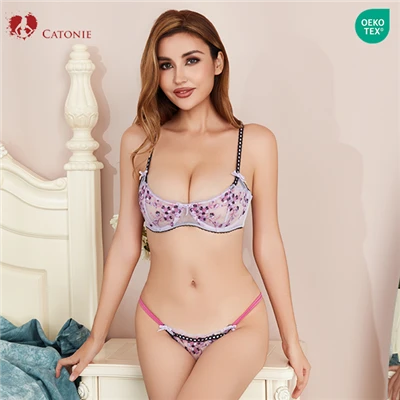
Are lingerie sets suitable for dryer treatment?
Most lingerie sets are not recommended for prolonged dryer use. High temperatures and vigorous tumbling can affect elastic fibers, causing cup deformation, loosening of shoulder straps, and loss of support in the side support structure. This is especially true for lingerie with memory wire or molded cups, which are more prone to structural damage during drying. Although some dryers have a low-temperature mode, frequent use, even at low temperatures, can still accelerate fabric aging. Therefore, whether or not to use a dryer requires careful consideration based on the lingerie's material and frequency of use.
Potential Impacts of Drying Machines on Underwear
In practical use, the impact of drying machines on underwear sets is mainly reflected in the following aspects:
l Thermal shrinkage of elastic fibers: This leads to a decrease in tightness and weakened support.
l Deformation of cup structure: High temperatures and rolling can easily damage the original three-dimensional shape.
l Damage to lace fabric: Intricate patterns may snag or deform.
l Displacement of underwire: This affects overall wearing comfort and shaping effect.
l Accelerated fabric aging: Significantly shortens the service life.
These changes usually gradually appear after multiple drying cycles, significantly impacting the overall function of the underwear.
Which Underwear Materials Are Less Suitable for Drying
Different materials have varying degrees of tolerance to drying environments. Elastic underwear containing large amounts of spandex or Lycra is prone to losing its elasticity under high temperatures, affecting its fit. Lace underwear, due to its delicate structure, is prone to damage under high-speed rotation and high temperatures. Memory foam cup underwear is more sensitive to temperature changes, which may cause the cup shape to collapse or deform. In addition, underwear containing boning or special shaping materials is not suitable for prolonged use in a dryer. These products are better suited for air drying to maintain structural stability.
More Suitable Drying Methods for Underwear
For most underwear sets, air drying is the safest option. After washing, gently squeeze out excess water, avoiding wringing, and then lay flat to dry in a well-ventilated, shady place. Avoid direct sunlight, as ultraviolet rays can accelerate fabric aging and cause fading. When hanging to dry, avoid excessive stretching of the shoulder straps to prevent deformation. If you need to speed up the drying process, you can use a dry towel to absorb water before air drying, which reduces moisture residue and protects the fabric structure.
Proper Underwear Care to Extend Lifespan
Besides drying methods, daily care also affects the condition of underwear. It is recommended to use a neutral detergent when washing to avoid damage to the fabric from strong alkaline or bleaching ingredients. Hand washing is better than machine washing in protecting the cup structure and elastic fibers. When storing, try to maintain the natural shape of the cups and avoid prolonged compression or folding. Storing different types of underwear separately can reduce wear and tear caused by friction. Developing a habit of regularly changing and rotating your underwear sets can effectively extend their overall lifespan, maintaining good support and comfort.