Abstract
This article provides a comprehensive examination of the diverse world of intimate apparel, exploring the distinct characteristics, functions, and aesthetic purposes of over fifteen different styles of lingerie. It moves beyond a purely descriptive catalog to analyze the intimate relationship between fabric, structure, and the human form. The analysis covers foundational garments such as bras and panties, versatile all-in-one pieces like bodysuits and teddies, and structured items including corsets and bustiers. Special attention is given to categories with specific purposes, such as bridal lingerie, sleepwear, and erotic lingerie. By contextualizing these garments within historical and cultural frameworks, the piece aims to foster a deeper understanding of how lingerie serves as a medium for comfort, support, and self-expression. The objective is to equip both personal enthusiasts and industry professionals with the knowledge to make informed and empowered choices in the selection and creation of intimate apparel, appreciating each style for its unique contribution to the sartorial landscape.
Key Takeaways
1. Understand that fabric choice fundamentally dictates the lingerie's comfort, feel, and function.
2. Recognize that proper fit is paramount for both support and aesthetic appeal.
3. Distinguish between structurally similar items like bodysuits, teddies, and chemises for specific uses.
4. Explore the full spectrum of different styles of lingerie to build a versatile collection.
5. Appreciate lingerie not just as undergarments but as a powerful tool for self-expression.
6. Learn to care for delicate materials like lace and silk to prolong garment life.
7. Consider the historical context of pieces like corsets to understand their modern interpretations.
The Language of Lingerie: Fabric, Fit, and Function
To approach the subject of lingerie is to enter into a dialogue about the body, identity, and the very idea of clothing itself. Far from being mere underpinnings, these garments represent a unique intersection of engineering, artistry, and personal narrative. They are the closest layer to our skin, a fact that imbues them with a significance that transcends their practical purpose. Understanding the different styles of lingerie requires a fluency in its foundational grammar: the interplay of fabric, the precision of fit, and the intention behind its function. Each element speaks volumes. A soft cotton bralette whispers of comfort and ease, while a structured lace corset articulates a story of drama and form. To choose a piece of lingerie is to make a statement, whether for oneself or for another, about how one wishes to inhabit one's own body at a particular moment.
The Material Dialogue: From Cotton's Comfort to Lace's Allure
The material of a lingerie piece is its first word. It determines the initial sensation against the skin and dictates much of the garment's behavior. Think of the difference between the breathable, humble honesty of cotton and the cool, fluid glide of silk. One is a fabric of daily life and gentle support, while the other speaks to moments of luxury and indulgence. Lace, with its intricate patterns and delicate sheerness, introduces a visual complexity, playing with concealment and revelation. Modern advancements have also introduced materials like microfiber and modal, which offer remarkable softness and moisture-wicking properties, blending the practical with the pleasurable. As consumers and creators, we must ask what we want the garment to say. Is its primary role to provide a seamless, invisible foundation under clothing, or is it to be a centerpiece of aesthetic delight? The choice of fabric is the first step in answering that question.
The Question of Fit: Why Structure and Sizing Matter
If fabric is the language, fit is the syntax. A garment that does not fit correctly, no matter how beautiful, fails in its most basic duty. In the world of lingerie, fit is not just about size numbers; it is about architecture. An underwire bra, for instance, is a marvel of engineering designed to lift, support, and shape. The curvature of the wire, the width of the band, and the construction of the cup must all work in harmony. An ill-fitting bra can cause physical discomfort and fail to provide the intended silhouette (Chen et al., 2010). Similarly, the cut of a panty or the length of a teddy can dramatically alter its comfort and appearance. For brands specializing in high-quality custom underwear, mastering the nuances of fit across diverse body types is the hallmark of true expertise. It requires an empathetic understanding that bodies are not standardized and that a truly successful design is one that adapts to, rather than imposes upon, the human form.
A Comparative Look at Lingerie Materials
To better illustrate the role of fabric, a direct comparison can be useful. Each material offers a unique combination of properties that makes it suitable for different styles of lingerie and occasions.
|
Material |
Primary Characteristics |
Best For |
Care Considerations |
|
Cotton |
Breathable, soft, absorbent, hypoallergenic |
Everyday bras, briefs, sleepwear |
Machine washable, but can lose shape over time |
|
Silk |
Smooth, luxurious, temperature-regulating |
Slips, chemises, robes, luxury sets |
Hand wash or dry clean only; sensitive to heat and sunlight |
|
Lace |
Decorative, sheer, delicate, often has stretch |
Decorative overlays, babydolls, sexy lingerie sets |
Hand wash recommended; prone to snagging |
|
Satin |
Glossy surface, smooth, drapes well |
Robes, teddies, corsets |
Hand wash or delicate cycle; can be slippery to sew |
|
Mesh/Tulle |
Very sheer, lightweight, breathable, excellent stretch |
Bodystockings, erotic lingerie, transparent panels |
Hand wash; very delicate and can tear easily |
|
Microfiber |
Seamless, soft, moisture-wicking, durable |
T-shirt bras, seamless panties, shapewear |
Machine washable, resilient |

Distinguishing One-Piece Wonders
The world of one-piece lingerie can be particularly confusing, with terms often used interchangeably. However, each style has a distinct construction and purpose that sets it apart.
|
Style |
Description |
Primary Function |
Common Fabrics |
|
Bodysuit |
A single garment covering the torso, often with a snap-crotch. Can be soft or structured, with built-in bra support. |
Smoothing, layering (as outerwear), creating a seamless line. |
Stretch lace, mesh, microfiber, cotton blends. |
|
Teddy |
A looser, one-piece garment that combines a camisole top with attached panties, often blousy around the waist. |
Lounging, sleepwear, playful seduction. |
Silk, satin, sheer chiffon, delicate lace. |
|
Chemise |
A short, sleeveless dress-like garment, typically falling to the mid-thigh. It is not connected at the crotch. |
Sleepwear, a light layer under a dress (as a slip). |
Cotton, silk, satin, nylon. |
|
Babydoll |
Similar to a chemise but shorter and more flared, with an empire waistline that sits just below the bust. Often sold with matching panties. |
Seductive sleepwear, emphasizing the bust and flowing over the midsection. |
Sheer fabrics like chiffon, tulle, and mesh. |
Foundational Garments: The Core of a Lingerie Collection
The journey into understanding different styles of lingerie begins with the pieces that form the bedrock of most collections: bras and panties. These are the workhorses of the intimate apparel world, tasked with providing daily support, comfort, and a smooth canvas for outerwear.
Bras: The Architectural Marvels of Support
The modern bra is a sophisticated piece of textile engineering. Its primary purpose is to support the weight of the bust, reduce movement, and create a desirable shape. Styles range dramatically based on the level of coverage, structure, and intended effect. The full-cup bra offers maximum coverage and support, making it a practical choice for everyday wear. In contrast, a balconette or demi-cup bra features a lower cut, designed to create lift and cleavage, making it ideal for wearing with lower necklines. Bralettes, which are typically wireless and unstructured, prioritize comfort and a natural shape, embodying a more relaxed and contemporary aesthetic. Then there are specialized designs like the plunge bra for deep V-necks, the strapless bra with its internal silicone grips, and the sports bra, which focuses on compression and motion control. Each design represents a specific solution to a sartorial or functional problem.
Panties: The Spectrum of Coverage (Briefs, Thongs, and G-strings)
The term 'panty' encompasses a vast array of styles, primarily differentiated by the amount of rear coverage they provide. At one end of the spectrum is the full brief, offering complete coverage for maximum comfort. Moving along the scale, we find the bikini cut, which sits lower on the hips, and the cheeky or Brazilian style, which offers partial, flirtatious coverage. The thong eliminates coverage almost entirely to prevent visible panty lines under tight-fitting clothing, making it a purely functional choice for many. The G-string takes this concept to its extreme, reducing the garment to little more than a string, shifting its purpose from function to pure adornment and erotic appeal. The choice between these styles is deeply personal, guided by considerations of comfort, the clothes worn over them, and individual aesthetic preference.
All-in-One Silhouettes: The Art of Uninterrupted Lines
One-piece lingerie styles offer a unique appeal by creating a single, unbroken line over the torso. These garments can smooth, shape, and serve as both underpinnings and, increasingly, as statement outerwear pieces.
Bodysuits: The Versatile Second Skin
A bodysuit is arguably one of the most versatile pieces in the lingerie lexicon. It functions as a bra, panty, and torso-smoother all in one. Bodysuits can be found in a multitude of forms: some are soft and unstructured, made from stretch cotton or mesh for a comfortable, body-hugging fit. Others incorporate underwires, molded cups, and compression panels, functioning as powerful shapewear. The inclusion of a snap closure at the crotch makes them practical for all-day wear. In recent years, the bodysuit has confidently crossed the boundary from underwear to outerwear, with lace and velvet versions becoming popular tops when paired with jeans or skirts, demonstrating the evolving definition of what constitutes a public or private garment.
Teddies: A Playful Union of Cami and Panty
A teddy is a looser, more playful one-piece. It typically combines the top of a camisole with the bottom of a panty, often featuring a blouson or draped effect around the midsection. Unlike a bodysuit, a teddy is not form-fitting and is rarely designed for support. Its purpose is primarily aesthetic, serving as comfortable loungewear or seductive sleepwear. Crafted from fluid fabrics like silk, satin, or sheer chiffon, the teddy drapes over the body rather than clinging to it, offering a sense of relaxed, easy sensuality.
Chemises and Slips: The Essence of Fluid Elegance
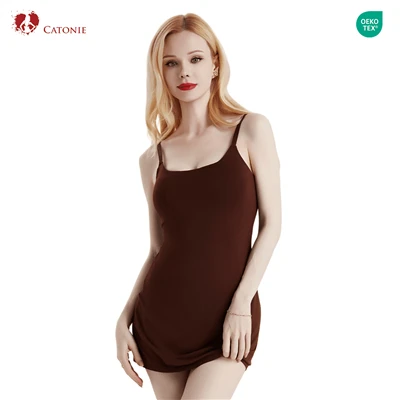
Though often grouped with one-pieces, chemises and slips are technically short, dress-like garments. A chemise is a simple, sleeveless piece that hangs from the shoulders, falling to the mid-thigh. It is a classic nightgown style, valued for its comfort and timeless elegance. A slip serves a similar function but is specifically designed to be worn under a dress to help it hang smoothly and to provide a layer of modesty. Both are typically made from smooth, anti-static fabrics like silk or nylon. Their beauty lies in their simplicity and the graceful way they move with the body.

Sculpting and Shaping: Architectural Lingerie
Some of the most dramatic and historically rich different styles of lingerie are those designed to sculpt and alter the body's silhouette. These are garments of structure and intention, using boning, fabric tension, and intricate construction to create a specific shape.
Corsets and Bustiers: Crafting the Form
The corset is a garment with a long and complex history, once used to drastically cinch the waist and create an hourglass figure. Modern corsets, while still capable of significant shaping, are often designed with more flexibility and comfort in mind, using flexible boning and lacing to contour the torso. A bustier is a related but distinct garment. It is shorter than a corset, typically ending at the waist or high hip, and its primary function is to lift and support the bust, acting as a combination of a longline bra and a waist-cincher. Both corsets and bustiers have become popular outerwear pieces, lending a sense of structure and high-fashion drama to an outfit.
Garter Belts and Suspenders: The Art of Adornment
A garter belt, or suspender belt, is a band of fabric worn around the waist with straps (suspenders) that clip onto the top of stockings to hold them in place. While its original function was purely practical in the era before pantyhose, it is now almost exclusively an aesthetic choice. It is a key component in many sexy lingerie sets, adding a layer of visual interest and a touch of vintage glamour. The act of putting on a garter belt and stockings is a ritual that can transform a simple lingerie set into a complete, elaborate ensemble, highlighting the legs and drawing the eye.
The Realm of Romance and Repose
This category of lingerie focuses on mood and comfort, designed for moments of relaxation, intimacy, and special celebration. These garments prioritize drape, texture, and romantic detailing.
Babydolls: Innocence Meets Allure
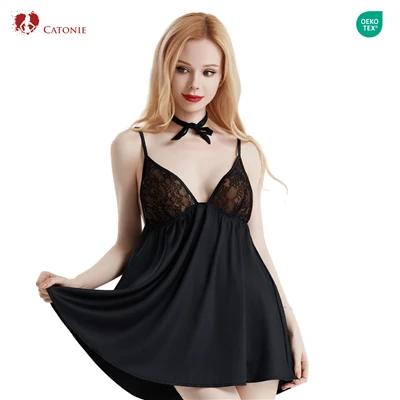
The babydoll is a classic piece of seductive sleepwear. It is characterized by its very short, flared silhouette and an empire waist that sits just under the bust. This design highlights the bust and décolletage while flowing loosely over the stomach and hips, a combination that is both flattering and playful. Often made from sheer, lightweight fabrics like chiffon or tulle and trimmed with lace or ribbons, the babydoll evokes a sense of coquettish innocence. It is almost always sold as a set with a matching panty, completing the look. The enduring popularity of this style speaks to its ability to be simultaneously sweet and seductive.
Robes and Kimonos: The Artful Concealment
A robe or kimono serves as the perfect companion to any lingerie set. It provides a layer of warmth and modesty while adding an element of luxurious elegance. A sheer lace robe can offer a tantalizing preview of the lingerie beneath, while a heavy silk or satin robe provides a feeling of opulent comfort. The act of shrugging off a robe is a classic trope in the theater of seduction, making it an indispensable part of a comprehensive lingerie wardrobe. These garments are not just for the bedroom; a beautiful robe can make a quiet morning at home feel like a special occasion.
Bridal Lingerie: Celebrating a New Beginning
Bridal lingerie holds a special place, as it is tied to one of life's most significant rituals. Traditionally, these pieces are white, ivory, or pale blue ("something blue") and are often crafted from the most luxurious materials like silk and French lace. The category includes everything from the practical underpinnings for the wedding dress itself-such as supportive corsets or seamless shapewear-to the romantic sets intended for the wedding night. Bridal lingerie is about more than just aesthetics; it is symbolic of the transition into a new chapter, a celebration of romance and intimacy.

Venturing into Erotic Lingerie
Erotic lingerie is designed with the explicit purpose of heightening sexual arousal and adventure. These styles often challenge conventional garment construction by strategically removing fabric to expose the body in new and exciting ways.
Crotchless and Open-Cup Styles: The Apex of Provocation
Crotchless panties and open-cup or "shelf" bras are prime examples of erotic lingerie. They maintain the visual frame of traditional lingerie while removing the functional aspect of coverage, creating a powerful juxtaposition of dressed and undressed. These pieces are designed for intimate moments, allowing for physical contact without the need to remove the garment. They are a bold exploration of sensuality, playing with the boundaries of clothing and nudity. For those looking to expand their intimate experiences, these styles offer a direct and thrilling avenue for exploration. The design and production of such items require specialized knowledge, a field where providers of OEM/ODM services for swimsuits and lingerie can offer significant expertise.
Bodystockings: The Full-Body Embrace
A bodystocking is a one-piece garment, typically made of sheer mesh or fishnet, that covers the entire torso and often the legs and arms as well. It is like a second skin of intricate pattern and texture. A bodystocking can dramatically transform the body's appearance, encasing it in a web of design that both conceals and reveals. Styles range from simple fishnet to complex lace patterns, sometimes incorporating open crotches or other cutouts. Wearing a bodystocking is a full-body experience, a commitment to a bold and provocative aesthetic. It is a powerful statement piece within the world of erotic apparel.
FAQ
What is the difference between a bustier and a corset?
A corset is typically longer, extending over the hips, and is designed for significant waist-cinching using structured boning and a lace-up back. A bustier is shorter, usually ending at the waist, and its primary function is to push up and support the bust, functioning like a very long and structured bra.
How should I start building a lingerie collection?
Begin with a foundation of comfortable, well-fitting basics for everyday wear, such as a few neutral-colored t-shirt bras and seamless panties. From there, add a few matching sexy lingerie sets in colors you love. Finally, explore more specialized pieces that appeal to you, such as a bodysuit, a babydoll, or a comfortable robe.
Can lingerie really be worn as outerwear?
Absolutely. Styles like lace bodysuits, satin camisoles, and structured bustiers have become fashion staples. Pair a bodysuit with high-waisted trousers, let a lace bralette peek out from under a blazer, or wear a bustier as a top for a night out. The key is to balance the exposed lingerie with more conservative pieces to create a chic, intentional look.
What is the best material for lingerie for sensitive skin?
Natural fibers are generally best for sensitive skin. Look for garments made from 100% cotton, silk, or bamboo. These materials are breathable and less likely to cause irritation compared to some synthetic fabrics. Always wash new lingerie before wearing it to remove any residual chemicals from the manufacturing process.
How do I properly care for my delicate lingerie?
To extend the life of your lingerie, especially pieces made from silk or lace, hand washing in cool water with a gentle detergent is always the best method. Avoid wringing the garments out; instead, gently squeeze out excess water and lay them flat on a towel to dry. If you must use a machine, place items in a mesh lingerie bag and use the delicate cycle. Never put delicate lingerie in the dryer, as the high heat can damage elastic and delicate fibers (Sarkar, 2017).
What is the main difference between a teddy and a babydoll?
A teddy is a one-piece garment that combines a top and panty, often with a looser fit around the waist. A babydoll is a very short, flared nightgown with an empire waist that sits just below the bust; it is not a one-piece and is usually sold with separate matching panties.
Conclusion
The exploration of lingerie is a journey into a world of immense variety and personal meaning. Each of the different styles of lingerie offers a unique way to experience comfort, support, and beauty. From the practical architecture of a supportive bra to the playful allure of a babydoll, these garments are far more than simple pieces of fabric. They are tools of self-expression, instruments of confidence, and a private language spoken against the skin. Understanding the distinctions between a bodysuit and a teddy, or a corset and a bustier, is not merely an academic exercise. It is an act of empowerment that allows individuals to make choices that align with their needs, desires, and personal style. By appreciating the artistry, engineering, and history woven into each piece, we can move toward a more nuanced and celebratory relationship with our bodies and the garments we choose to adorn them with.
References
Chen, C. M., Chen, T. W., & Hsu, C. T. (2010). An ergonomic approach for the improvement of bra design. Proceedings of the 1st International Conference on Applied Bionics and Biomechanics.
Diva's Boudoir. (n.d.). Who we are. Retrieved May 16, 2025, from https://www.divasboudoir.com/content/en/who-we-are.htm
Kat the Label. (n.d.). Lingerie Sets. Retrieved May 16, 2025, from
Ruby Vixen. (n.d.). Lingerie Choices for Everyone. Retrieved May 16, 2025, from
Sarkar, A. K. (2017). Structure and properties of lingerie fabrics. In J. Fan & W. Yu (Eds.), The Fashion System. Woodhead Publishing.
Steele, V. (2001). The Corset: A Cultural History. Yale University Press.