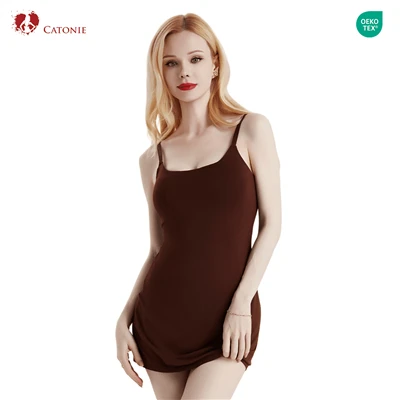
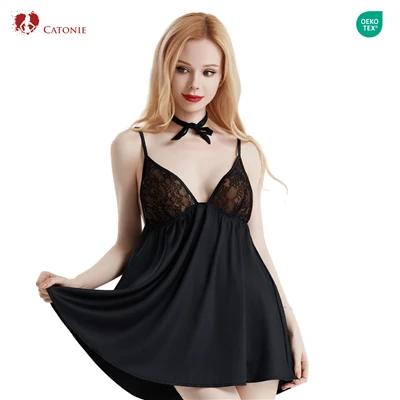
In daily life, sleep quality is often affected by various factors. As underwear worn close to the body for extended periods throughout the night, pajamas' material, thickness, and fit all influence how the body feels. Some people experience fluctuating temperatures when falling asleep, while others sweat easily or feel stuffy at night. These experiences are sometimes related to the choice of pajamas. Different types of pajamas vary in breathability and warmth, thus affecting body temperature regulation. Understanding the relationship between pajamas and body temperature helps in making more targeted choices, creating a more comfortable nighttime environment.

Fabric Affects Body Temperature Dissipation
The type of fabric used in pajamas directly affects how well the body dissipates heat at night. Different materials have significant differences in breathability and moisture absorption.
- Breathable fabrics are more conducive to heat dissipation.
- Non-breathable materials may cause a stuffy feeling.
Choosing the right fabric allows for more natural body temperature regulation and reduces nighttime discomfort.
Pajama Thickness Affects Warmth Insulation
Besides the fabric itself, the thickness of pajamas also affects body temperature. Different thicknesses of pajamas are suitable for different seasons.
- Thinner styles are suitable for warmer environments: Lightweight pajamas reduce stuffiness, keeping the body comfortable in warmer conditions.
- Thicker styles are better for warmth: In colder temperatures, thicker pajamas help maintain body temperature and reduce discomfort from the cold.
Choosing the appropriate thickness based on the ambient temperature allows the body to relax more during sleep.
The design of pajamas affects airflow
The design of pajamas not only affects appearance but also influences airflow, indirectly affecting body temperature.
- A looser fit promotes ventilation.
- A tighter design may hinder heat dissipation.
A well-designed fit allows for smoother temperature regulation and improves the overall wearing experience.
Moisture absorption affects perceived temperature.
During sleep, the body may sweat, and the moisture absorption capacity of pajamas affects perceived temperature.
- Highly absorbent materials are more comfortable: Fabrics that quickly absorb sweat keep the skin dry, reducing stuffiness.
- Moisture buildup can affect body temperature perception: If sweat cannot be wicked away effectively, it can cause discomfort and even disrupt sleep.
Paying attention to the moisture-wicking properties of pajamas can lead to a more stable feeling at night and improve overall comfort.
Pajamas play a crucial role in nighttime wear; their fabric, thickness, fit, and moisture-wicking properties all influence body temperature. Choosing pajamas that suit the ambient temperature and personal habits will allow them to function better in practice. A more comfortable wearing experience makes it easier for the body to relax, thus improving overall sleep quality. Paying attention to these details helps create a more comfortable resting environment in daily life, making each night more relaxing and comfortable.