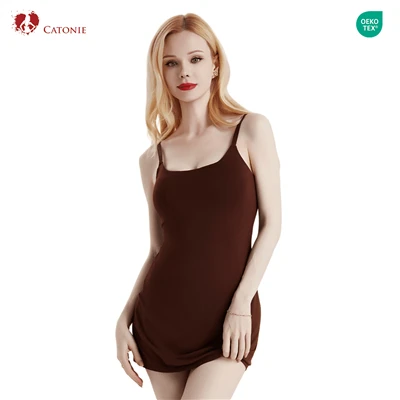
In daily life at home and during rest, the "comfort boundary" is often composed of multiple details, and pajamas are an indispensable part of it. As clothing worn close to the skin, it directly affects physical sensations and psychological state. People are gradually realizing that pajamas are not just a simple clothing choice. Different materials, styles, and designs can subtly alter the comfort zone, creating different feelings in different environments.

The Impact of Fabric Feel on the Comfort Boundary
Feel is one of the important factors determining the comfort zone.
- Soft, skin-friendly fabrics can expand the comfort zone, making it easier for the body to relax.
- Rough or non-breathable materials may shrink the comfort zone and increase discomfort.
A good feel helps improve the overall comfort experience.
Style Design and Body Movement Space
The structure of clothing affects the body's freedom of movement.
- A loose design provides more room to move, expanding the comfort zone.
- Too tight or improperly cut clothing can create a feeling of restriction.
A proper fit allows the body to maintain a natural position.
Somatosensory Environment and Adaptability
The wearing experience affects the degree of adaptation to the environment.
- Breathable and moisture-wicking pajamas help maintain a stable feeling.
- Unsuitable fabrics can amplify discomfort caused by temperature or humidity.
A stable feeling helps extend the boundaries of comfort.
In daily choices, pajamas continuously influence the overall experience through subtle details. By paying attention to fabric, design, and the environment in which they are worn, you can better align the comfort level with your individual needs. As you gain a better understanding of your own habits, it becomes easier to find suitable options. Taking these factors into account helps make home life more relaxed and natural, and allows for a more stable comfort experience over long-term use, thereby improving your overall quality of life.