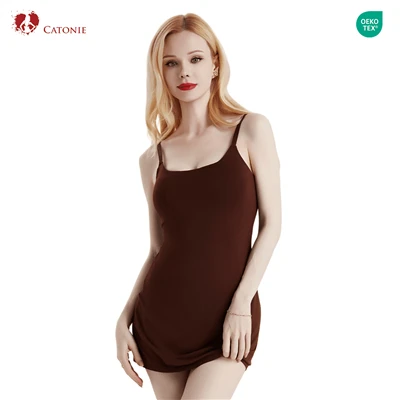
Breathability is a crucial factor in daily wear comfort, and the material of pajamas is key to this. Especially during extended rest, the body continuously generates heat and moisture. If clothing cannot wick away this moisture effectively, it can lead to a stuffy or sticky feeling. Many people find that some pajamas feel cool and comfortable in the same environment, while others feel less breathable. This is often closely related to the fabric itself.
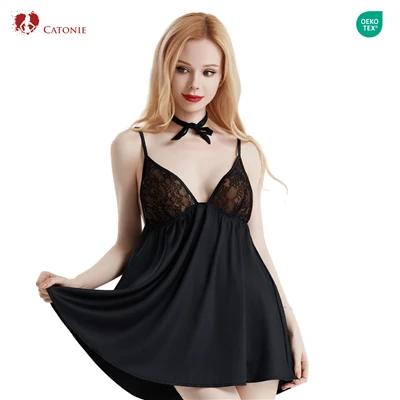
Fiber structure determines basic breathability
Different materials have significant differences in their microstructure.
- Natural fibers typically have better air channels, facilitating airflow.
- Some synthetic fibers have a denser structure, resulting in relatively lower breathability.
The material itself directly affects air exchange efficiency.
Fabric weave affects airflow
Even with the same material, different weaving methods will result in differences.
- Looser weaves are more conducive to air circulation.
- Overly dense weaves tend to obstruct airflow.
Structural changes alter overall breathability.
Differences in Feeling During Wear
Breathability will ultimately be reflected in actual use.
- Breathable pajamas reduce stuffiness and make the body feel more relaxed.
- Poorly breathable clothing tends to trap heat and moisture.
Good comfort comes from continuous air and moisture regulation.
When choosing pajamas, paying attention to the material and construction helps improve the overall breathability experience. By considering individual comfort and environmental needs, you can more clearly determine the type that suits you best. Choosing the right fabric can reduce discomfort and make for a more natural and comfortable night's rest. With experience, it becomes easier to find combinations that balance comfort and practicality, making daily life more relaxed and comfortable.