Abstract
This analysis offers a comprehensive examination of the prevailing trends in exotic swimwear anticipated for the 2025 season. It moves beyond a superficial survey of styles to investigate the deeper cultural, technological, and psychological currents shaping contemporary beach and resort wear. The discourse methodically deconstructs seven distinct yet interconnected trends, from architectural monokinis that sculpt the body to the integration of bio-luminescent textiles and the influence of boudoir aesthetics on swim design. An interdisciplinary lens, drawing from fashion theory, material science, and the psychology of dress, is applied to understand how these garments function not merely as functional attire but as potent tools for self-expression, identity construction, and the negotiation of public and private personas. The study assesses the practical implications of these designs, considering aspects of fit, material longevity, and styling. The objective is to provide a nuanced and deeply reasoned guide for both consumers and designers navigating the evolving landscape of high-fashion swimwear.
Key Takeaways
1. Embrace architectural cut-outs and asymmetrical lines to sculpt and define your silhouette.
2. Explore swimwear with multi-way straps and convertible features for maximum wardrobe versatility.
3. Invest in high-quality, sustainable fabrics that offer both durability and a reduced environmental footprint.
4. Do not shy away from bold, dopamine-inducing color palettes to express confidence and joy.
5. Consider how details from corsetry and lingerie can add a new layer of sophistication.
6. Select unique exotic swimwear that aligns with your personal narrative of empowerment.
7. Prioritize proper care for embellished and technical fabrics to ensure their longevity.
A Deeper Look at Swimwear Fabrics
Before we can properly appreciate the artistry of modern swimwear, we must first become students of its materials. The fabric of a swimsuit is its very soul; it dictates form, function, comfort, and longevity. Think of it as the foundation of a house. A weak foundation will compromise the entire structure, no matter how beautiful the design. Similarly, a poorly chosen fabric can turn a stunning concept into a wearable disappointment. The evolution from the wool bathing costumes of the early 20th century to the high-performance textiles of today is a story of scientific innovation driven by a desire for greater freedom of movement and expression (Kidwell, 1968). Let us examine the key players in the world of contemporary swimwear textiles.
|
Fabric Type |
Key Characteristics |
Best For |
Sustainability Profile |
|
Nylon/Elastane Blends |
The industry standard. Excellent stretch and recovery, quick-drying, resistant to abrasion. Often branded as Lycra or Spandex. |
All-purpose swimwear, active swimming, foundational support in structured pieces. |
Traditional nylon is petroleum-based. Recycled versions (from fishing nets, etc.) offer a more sustainable alternative. |
|
Polyester/PBT Blends |
Highly resistant to chlorine and UV rays, exceptional colorfastness. Less stretch than nylon but more durable. |
Competitive swimming, frequent pool use, brightly printed suits where color longevity is key. |
Polyester is petroleum-based. Recycled polyester (rPET) from plastic bottles is a common, greener choice. |
|
Econyl® |
A specific brand of regenerated nylon made entirely from waste products like fishing nets and fabric scraps. |
Eco-conscious fashion swimwear, luxury pieces where storytelling and sustainability are part of the appeal. |
High. It is part of a closed-loop system, reducing waste and the need for virgin fossil fuels. |
|
Neoprene |
A synthetic rubber. Provides insulation, buoyancy, and a distinctively sculptural quality. Thicker and less breathable. |
Wetsuits, surf wear, highly structured and fashion-forward architectural swimwear. |
Traditionally not biodegradable. Newer, limestone-based and plant-based versions are emerging to improve its profile. |
|
Smocked/Textured Fabrics |
Fabrics (usually nylon/poly blends) that are manipulated through heat and stitching to create a crinkled, seersucker, or ribbed effect. |
Forgiving fits, retro-inspired styles, pieces where tactile interest is the primary focus. |
Varies based on the base fiber used. The texturing process itself is primarily mechanical. |
Finding Your Perfect Silhouette: A Guide
The concept of "flattering" a body is a deeply personal and, I would argue, somewhat outdated one. A more empowering approach is to understand how different silhouettes interact with the body's natural lines. The goal is not to hide or "correct" but to celebrate and express. Choosing a piece of exotic swimwear is an act of curation; you are selecting which parts of your story you wish to highlight. The following table is not a set of rigid rules but a series of thoughtful suggestions, a starting point for your own exploration into the interplay between fabric and form. Consider it a dialogue between the garment and your body.
|
Body Shape |
Characteristics |
Suggested Trends & Silhouettes |
Rationale for the Pairing |
|
Pear (Wider Hips) |
Hips are wider than the bust and shoulders. A defined waist is common. |
Architectural Monokinis with shoulder detail, Embellished Bikini Tops, Dopamine-Dressing Palettes on top. |
These styles draw the eye upward, creating a harmonious balance. A bold color or texture on the bust serves as a beautiful focal point. |
|
Apple (Wider Torso) |
Shoulders and torso are broader than the hips. The waist is less defined. |
New Romanticism styles with under-bust support, Convertible Swimsuits with high-waist options, structured one-pieces. |
These designs provide support and create definition around the midsection. A high-waisted bottom can offer comfort and a classic line. |
|
Hourglass (Defined Waist) |
Bust and hips are roughly equal in width, with a narrower, well-defined waist. |
Architectural Monokinis with waist cut-outs, Boudoir-inspired bikinis, Convertible pieces tied to accentuate the waist. |
These choices celebrate the natural waistline, using it as the central anchor of the garment's design. The cut-outs act as a frame. |
|
Athletic (Straight/Rectangular) |
Shoulders, waist, and hips are of a similar width. Less defined curves. |
Hyper-Textural Embellishments, Bio-Luminescent Fabrics, Architectural Monokinis with asymmetrical or curved cut-outs. |
These trends introduce curves and dimension through texture, light, and illusion. Asymmetrical lines create a dynamic sense of movement. |
Trend 1: The Architectural Monokini - Sculpting the Human Form
The first major movement we must consider for 2025 is the elevation of the monokini from a simple swimsuit into a piece of wearable sculpture. This is the architectural monokini. It is characterized by bold, clean lines, daring cut-outs, and an allegiance to form that often seems to defy gravity. To wear one is not simply to dress for the water; it is to make a statement about modernity, strength, and the body as a canvas for art. These are not the playful, ruffled one-pieces of years past. These are deliberate, thoughtful constructions of fabric and space.
The Philosophical Underpinnings - Modernism Meets the Body
At its core, the architectural monokini represents a modernist sensibility. It shares a philosophical lineage with the architectural principle "form follows function," but with a twist: here, the function is aesthetic and expressive as much as it is practical. The design philosophy celebrates structure and rejects superfluous ornamentation. Think of the clean, unadorned glass and steel of a Mies van der Rohe building. The beauty is found in the integrity of the structure itself, not in anything added to it.
In the same way, an architectural monokini uses negative space-the cut-outs-as a primary design element. The skin that is revealed is just as important as the fabric that conceals. This creates a dynamic interplay, a dialogue between the body and the garment. This is a profound departure from swimwear that seeks to merely cover or even "flatter" in a traditional sense. Instead, it frames. It directs the eye. It curates the way the body is viewed, turning the wearer into a collaborator in their own presentation. Wearing such a garment can be an act of empowerment, a conscious choice about how one wishes to occupy space. The structure can even influence posture, encouraging a more upright, confident stance, much like the subtle effect of wearing a well-tailored blazer or a piece of structured erotic lingerie.
Deconstructing the Design - A Feat of Engineering
Creating a successful architectural monokini is an exercise in textile engineering. The simplicity of the final look belies a complex construction process. Every seam, every edge, every point of tension must be perfectly calculated.
First, consider the fabric. These suits almost exclusively rely on high-compression, double-layered, or bonded fabrics. A standard, flimsy Lycra will not do. The material must have a certain weight and resilience, a "snap-back" quality that holds the lines clean and sharp against the body. This is why many high-end designers use proprietary Italian or French fabrics, which are known for their dense weave and superior modulus (the force required to stretch the material). These fabrics act like a second skin, but a skin with its own inherent structure.
Next, the cut-outs. Their placement is a matter of anatomical artistry. A diagonal slash across the torso can create the illusion of a more defined waist. A high cut-out on the hip elongates the leg line, a trick borrowed from the aerobics wear of the 1980s but refined with minimalist precision. Symmetrical cut-outs create a sense of order and balance, while asymmetrical designs offer dynamism and visual intrigue. The edges of these cut-outs are often laser-cut or bonded rather than stitched, eliminating the bulk of a seam and creating an impossibly clean, graphic line.
Finally, there are the hidden structural elements. Many of these monokinis incorporate features borrowed from corset-making and intimate apparel. Flexible, lightweight boning might be sewn into side seams to prevent the garment from collapsing. A shelf bra or underwire system might be built into the bust, completely invisible from the outside. Power mesh, a rigid, supportive netting, is often used as an internal lining in key areas to provide control and ensure the garment lies flat. These are the unseen heroes that make the seemingly impossible shapes possible.
Mastering the Look - Styling the Architectural Monokini
Styling an architectural monokini requires a certain restraint. The swimsuit is the centerpiece, the undeniable statement. To over-accessorize would be to create visual noise and detract from the purity of the design. The approach should be one of complementing, not competing.
For accessories, think in terms of form and material. A single, sculptural silver cuff, a pair of stark, geometric sunglasses, or a pair of minimalist flat sandals are all appropriate choices. The idea is to echo the clean lines of the suit. A delicate chain necklace would be lost; a chunky, organic-shaped wooden bangle would clash.
When it comes to cover-ups, the same principle applies. Avoid busy prints or fussy details. A long, sheer duster coat in a solid neutral color allows the silhouette of the monokini to remain visible while providing a degree of modesty. Alternatively, a pair of wide-leg, high-waisted linen trousers can be worn, transforming the monokini into a dramatic and unexpected bodysuit for a transition from poolside to a sunset cocktail setting. This versatility speaks to the intelligence of the design.
Practical Realities and Considerations
Of course, we must address the practical dimensions of such a high-fashion garment. The most obvious concern is the potential for unconventional tan lines. This is an unavoidable aspect of wearing a suit defined by its negative space. One might choose to embrace them as a temporary memento of a day spent in a piece of wearable art. A more practical approach involves diligent application of a high-SPF sunscreen or alternating the architectural suit with a more traditional bikini or one-piece for dedicated sunbathing.
Fit is another paramount consideration. With a conventional swimsuit, there is a degree of forgiveness. With an architectural monokini, the fit must be precise. The torso length is particularly important. A suit that is too short in the body will pull uncomfortably, while one that is too long will sag, causing the clean lines to collapse. It is imperative to consult sizing charts and, if possible, to know one's own torso measurement (from the shoulder to the crotch) before purchasing.
Finally, care for these garments requires attention. The high-performance fabrics, bonded seams, and internal structures can be damaged by harsh detergents, high heat, and the agitation of a washing machine. Hand-washing in cool water with a gentle soap and laying the garment flat to dry away from direct sunlight is the only acceptable method. This preserves the elasticity of the fabric and the integrity of the construction, ensuring the piece remains a work of art for many seasons.

Trend 2: Bio-Luminescent Fabrics & Tech Integration - The Future is Now
The second trend we will explore is perhaps the most forward-looking, representing a true synthesis of fashion, science, and technology. For 2025, we are seeing the emergence of exotic swimwear that does more than just sit on the body; it interacts with its environment and its wearer. This includes the use of bio-luminescent and photo-chromatic fabrics, as well as the subtle integration of wearable technology. It is a step toward a future imagined in science fiction, where our clothing becomes an extension of our digital and biological selves.
This trend challenges our very definition of what a swimsuit can be. Is it merely a garment, or can it be an interface? Can it communicate information, create light, or change its appearance based on external stimuli? The designers at the forefront of this movement are not just couturiers; they are innovators and visionaries, collaborating with textile scientists and engineers to push the boundaries of possibility.
The Philosophical Underpinnings - A Post-Humanist Aesthetic
The impulse behind tech-integrated swimwear is rooted in a post-humanist perspective. It acknowledges that the boundary between the human organism and the technology it creates is becoming increasingly blurred (Haraway, 1991). Our smartphones are already like external brains; why shouldn't our clothing also possess enhanced capabilities? This trend is less about vanity and more about curiosity and exploration. It asks, "What else can this garment do?"
The use of bio-luminescent fabrics, which might glow softly in low light, taps into a primal fascination with light and the deep sea. It evokes the ethereal beauty of bioluminescent jellyfish or phytoplankton, connecting the wearer to the mysteries of the natural world through technological mimicry. Photo-chromatic fabrics, which change color when exposed to UV light, introduce an element of surprise and interactivity. A suit that is white indoors might bloom into a vibrant pattern in the sunshine. This turns the act of stepping outside into a moment of transformation, a small piece of theater.
The integration of technology, such as waterproof biometric sensors woven into the fabric to track heart rate or UV exposure, reframes the swimsuit as a wellness tool. It aligns with the broader cultural shift toward quantified self-movement and personal health optimization. The garment is no longer passive; it is an active participant in the wearer's well-being.
Deconstructing the Design - Weaving Light and Data
The creation of these futuristic swimsuits requires cutting-edge materials and production techniques. These are not concepts you will find in a typical fabric store.
Bio-luminescence in textiles can be achieved in several ways. One method involves coating fibers with phosphorescent pigments that absorb light energy and then release it slowly in the dark. A more advanced technique, still largely in the experimental phase but emerging in high-end couture, involves weaving fiber-optic threads directly into the swimwear fabric. These fibers can be connected to a tiny, waterproof LED light source, allowing for a controlled, programmable glow. The challenge for the designer is to integrate these technical elements seamlessly, so the garment remains comfortable, flexible, and aesthetically pleasing. The battery packs must be minuscule, waterproof, and discreetly housed within a seam or a small hardware detail.
Photo-chromatic dyes are another key component. These are special molecules that undergo a temporary change in their chemical structure when they absorb UV radiation, which causes them to change color. When the UV source is removed, they revert to their original, often colorless state. Designers are experimenting with printing these inks in intricate patterns, creating designs that appear and disappear as the wearer moves between sun and shade.
For integrated sensors, the technology relies on conductive threads. These are yarns spun with metallic fibers, such as silver or stainless steel, that can carry electrical signals. When these threads are placed against the skin, they can pick up the tiny electrical impulses from the heart or measure changes in skin conductivity. This data can then be transmitted via a low-energy Bluetooth chip, also sealed within the suit, to a smartphone app. The art lies in engineering the suit so these conductive grids are positioned correctly for accurate readings without compromising the stretch and fit of the garment.
Mastering the Look - Styling for a Cyber-Chic Aesthetic
Styling such a technologically advanced piece requires a specific vision. The aesthetic is often minimalist and futuristic, allowing the unique properties of the fabric to take center stage. This is not a trend that pairs well with bohemian or retro accessories.
Think of a "cyber-chic" or "tech-noir" sensibility. Accessories should be sleek and functional. A waterproof smart watch, futuristic visor-style sunglasses, or minimalist slides made from a technical material would all be appropriate. The color palette often leans toward monochromatic schemes-black, white, silver, or gray-which act as a neutral canvas for the light or color-changing effects. When the suit itself is the light show, everything else should be support staff.
This trend also lends itself to evening or festival settings. A bio-luminescent monokini worn under a sheer mesh dress at a beach party creates a truly unforgettable, ethereal look. It transforms the wearer into a source of light, an object of fascination. The key is to lean into the futuristic nature of the garment rather than trying to domesticate it with conventional styling.
Practical Realities and Considerations
As with any pioneering technology, there are practical considerations to bear in mind. Durability is a primary concern. Fiber-optic threads are delicate. Conductive yarns can lose their properties if stretched excessively or exposed to harsh chemicals. These are not suits for a vigorous game of beach volleyball or a heavily chlorinated public pool. They are special-occasion pieces, designed for impact and atmosphere.
Care is even more critical than for architectural suits. These garments are absolutely not machine washable. They require gentle spot cleaning, and the electronic components must be protected from full submersion unless specifically designed for it. The user manual for such a suit might read more like one for a piece of consumer electronics than for an item of clothing.
There is also the question of energy. Bio-luminescent suits with active lighting require a power source. This means charging the garment, just as you would charge your phone. The battery life is a design constraint, often lasting only a few hours. This positions the suit as something to be "activated" for a specific period, further cementing its status as an item for special events rather than all-day wear. The cost is also a significant factor, as the research, development, and materials place these pieces firmly in the luxury or couture category for now. However, as with all technology, we can anticipate that costs will decrease over time as production scales up.
Trend 3: Hyper-Textural Embellishments - A Tactile Revolution
Moving from the sleek and technological, our third trend for 2025 immerses us in a world of tactile delight. This is the trend of hyper-textural embellishment, where the surface of the swimsuit becomes a three-dimensional landscape. We are seeing an explosion of beading, macramé, custom hardware, natural shells, and dramatic fringing. This movement is a direct counterpoint to the minimalism of the architectural trend. It is maximalist, opulent, and celebratory. It invites not just the gaze but also the touch, transforming the swimsuit into a piece of jewelry for the body.
This trend is about decoration in its most joyful form. It draws inspiration from global craft traditions, from the intricate beadwork of African tribes to the macramé of the 1970s and the glamour of the Roaring Twenties. It is a rich tapestry of cultural references, reinterpreted for the modern beach. A bikini is no longer just a bikini; it is a canvas for artisanal expression.
The Philosophical Underpinnings - The Joy of Adornment
The human impulse to adorn the body is ancient and universal (Tseëlon, 2001). We decorate ourselves to attract mates, to signify social status, to express identity, and for the simple, pure joy of it. The hyper-textural trend taps directly into this primal desire. In an increasingly digital and dematerialized world, there is a powerful yearning for things that are tangible, crafted, and real. The feel of cool beads against warm skin, the gentle sway of fringe with every step, the organic smoothness of a cowrie shell-these are sensory experiences that a digital screen cannot replicate.
This trend is an embrace of "more is more." It champions a form of glamour that is bold and unapologetic. It can be seen as a form of dopamine dressing, where the act of wearing something so visually and texturally rich can provide a genuine psychological lift. It is playful and festive, perfectly suited for a vacation mindset where the rules of everyday dressing are suspended.
There is also an element of storytelling involved. A swimsuit adorned with shells collected from a specific beach carries a personal history. A piece featuring intricate, hand-applied beadwork speaks of the time and skill invested by an artisan. These embellishments give the garment a soul and a story, elevating it beyond a mass-produced commodity. It becomes a talisman, a wearable memory.
Deconstructing the Design - The Art of Application
The success of an embellished swimsuit lies in the quality of the materials and the skill of their application. This is where high-end design distinguishes itself from fast-fashion imitations.
Let's consider the different types of embellishment. Beading can range from tiny, delicate seed beads that create a shimmering surface to larger, semi-precious stones that act as focal points. The beads must be sewn on with a strong, salt-water-resistant thread, often by hand, to ensure they do not come loose. The placement is also key; heavy beading on areas that require a lot of stretch can compromise the fit of the suit.
Fringing is another popular element. We are seeing everything from fine, silky fringe that creates a fluid motion to thick, macramé-style knotted fringe that adds a bohemian weight and texture. The fringe is often integrated into the seams of the suit or attached to the ends of tie-strings. The length and density of the fringe can dramatically alter the silhouette of the garment.
Hardware is being used in increasingly creative ways. Beyond simple clasps and rings, designers are commissioning custom-molded pieces in unique shapes-tortoiseshell resin, hammered gold-tone metals, and even polished wood. These pieces function as the central medallion on a bikini top or as decorative elements on hip straps. They must be waterproof, rust-proof, and heat-resistant, so they do not become uncomfortably hot in the sun.
Natural elements like cowrie shells, mother-of-pearl, and even small, polished sea glass are also being incorporated. These must be drilled and attached with extreme care to prevent them from cracking or chafing the skin. They connect the garment directly to the environment it is designed for-the sea itself. This is a form of design poetry.
Mastering the Look - Balancing Opulence
When a swimsuit is this ornate, styling becomes an exercise in careful editing. The general rule is to let the suit be the star and keep everything else relatively simple. However, unlike the minimalist approach required for architectural suits, here there is room for a more bohemian and layered aesthetic.
For a heavily beaded or shelled bikini, you might pair it with simple, gauzy cotton beach pants and a pair of leather sandals. The natural textures will complement the embellishments without competing with them. Jewelry should be chosen with care. Instead of adding more sparkle, consider echoing the materials on the suit-a simple wooden bracelet to go with a suit featuring wood hardware, for example.
A fringed suit has its own built-in movement and drama. It pairs beautifully with a simple sarong or a wide-brimmed straw hat. The key is to avoid adding more "busy" elements. Let the fringe do the talking.
These suits are often part of a larger resort wear collection and may have a matching embellished cover-up or skirt. Wearing the full set creates a powerful, cohesive, and incredibly glamorous look, perfect for a high-end beach club or resort environment. It is a declaration of presence.
Practical Realities and Considerations
The practical challenges of embellished swimwear are significant. The first is weight. A heavily beaded suit can become quite heavy, especially when wet. This can cause the fabric to sag or the straps to dig into the shoulders. Good design mitigates this by concentrating embellishments in areas that are not critical for support.
Durability is another major issue. Embellishments can be snagged, and threads can break. These are not suits for bodysurfing. They are for lounging, wading, and making a visual impact. They are, in essence, "cocktail" swimsuits.
Washing these pieces is a delicate operation. They must be hand-washed with extreme care, focusing on the unadorned fabric sections and gently rinsing the embellished areas. The suit should never be wrung out, as this can damage the attachments. Instead, it should be gently squeezed and laid flat on a towel to dry. Storing the suit is also important; it should be laid flat or carefully folded with tissue paper between the embellished layers to prevent snagging.
Finally, there is the issue of comfort. Designers must ensure that the backs of beads or hardware are smooth and do not chafe the skin. Often, a soft lining is placed behind embellished areas to act as a barrier. A truly well-designed embellished suit will be as comfortable as it is beautiful, a testament to the skill and thoughtfulness of its creator.

Trend 4: The New Romanticism - Bridal & Boudoir Influences
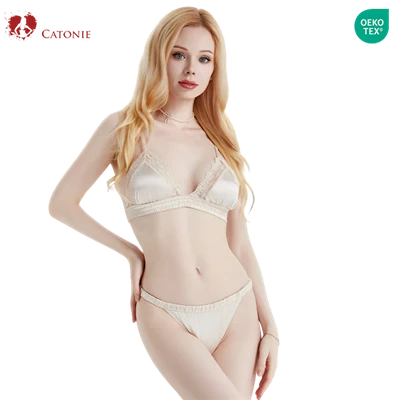
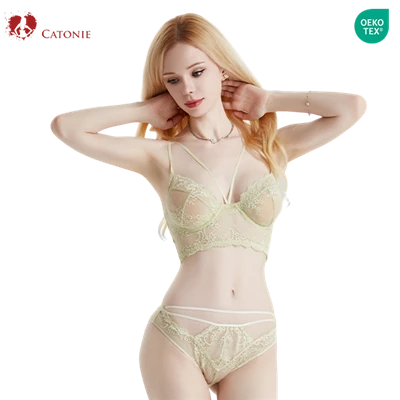
Our fourth trend marks a fascinating cross-pollination of genres. For 2025, we are witnessing a significant influx of design elements from the worlds of bridal wear and intimate apparel into exotic swimwear. Think delicate lace overlays, corset-style lacing, suspender-like details, and a palette of soft whites, ivories, and blush pinks. This is the "New Romanticism," a trend that infuses beachwear with a sense of delicacy, fantasy, and sophisticated sensuality.
This movement challenges the traditional separation between public beachwear and private lingerie. It suggests that the same principles of beauty, structure, and romance that apply to garments worn in the boudoir can be translated for the sun and sand. It creates a category of swimwear that is deeply feminine and evocative, perfect for honeymoons, romantic getaways, or simply for those who wish to cultivate an aura of ethereal beauty. Pieces like these, which blur the line between a swimsuit and a piece of bridal lingerie, speak to a desire for multifunctional, emotionally resonant garments.
The Philosophical Underpinnings - Public Intimacies
The borrowing of lingerie and bridal aesthetics for swimwear is a complex and meaningful gesture. On one level, it is about reclaiming symbols of traditional femininity and re-contextualizing them in a public and empowered space. A corset, historically an instrument of physical restriction, becomes a decorative and empowering feature on a bikini when its lacing is used as an adjustable, aesthetic detail rather than a tool for reshaping the waist (Steele, 2001).
This trend speaks to a desire to bring a sense of occasion and romance to everyday life. Why should beautiful, delicate materials like lace be reserved only for special, private moments? The New Romanticism argues for a life lived with more beauty and intention. A bride on her honeymoon might choose a white, lace-trimmed bikini that echoes her wedding gown, extending the magic of the ceremony into her new life.
There is also a nuanced exploration of sensuality at play. Unlike more overtly "sexy" styles, this trend operates on a subtler frequency. It is about suggestion, not proclamation. The sheer panel of lace, the delicate crisscrossing of a ribbon, the soft hue of a blush-colored fabric-these elements evoke a sense of intimacy and tenderness. It is a confident, mature sensuality that finds power in softness. It aligns with the aesthetics of high-end sexy lingerie sets, focusing on exquisite materials and a perfect fit to create allure.
Deconstructing the Design - Lace, Tulle, and Structure
Translating the delicate world of lingerie into the durable domain of swimwear is a technical challenge that requires innovative material choices and construction techniques.
The "lace" you see on these swimsuits is rarely the delicate cotton or silk lace used in lingerie. Instead, designers use specialized, salt-and-chlorine-resistant nylon or polyester lace. This material is engineered to have the visual appearance of traditional lace but with the quick-drying, stretchy properties of swimwear fabric. It is often used as an overlay on top of a solid-colored swim fabric base, creating depth and texture.
Tulle and fine mesh are also used to create illusions of sheerness. Panels of skin-toned mesh can be inserted into the sides of a one-piece or between the cups of a bikini, giving the impression of bare skin while providing structure and support. These materials must be high-quality and UV-resistant to prevent them from degrading in the sun.
Corset-style details are a hallmark of this trend. This can manifest as functional lacing up the front or back of a monokini, allowing the wearer to adjust the fit. More often, it is a purely decorative element, with tiny eyelets and delicate ribbons stitched onto panels to evoke the look of a traditional corset. Similarly, suspender-like straps and garter details are being incorporated into bikini bottoms, attaching to the leg or hip with small, elegant hardware. These details are purely aesthetic, a playful nod to the architecture of vintage lingerie.
The color palette is crucial. Soft, romantic hues dominate: bridal white, ivory, oyster, blush pink, and pale champagne. These colors enhance the ethereal, delicate feel of the trend and create a beautiful contrast against sun-kissed skin.
Mastering the Look - Ethereal and Elegant
Styling a New Romanticism swimsuit is about creating an overall mood of soft, feminine elegance. This is not the place for bold, chunky, or futuristic accessories. The look is gentle and refined.
Delicate, fine jewelry in gold or rose gold works beautifully-a simple pendant necklace, small hoop earrings, or thin, stackable rings. A pearl anklet could be a particularly charming addition. For a cover-up, think of something equally soft and ethereal: a sheer, silk-chiffon robe, a fine-knit cashmere cardigan for a cooler evening, or a simple white linen shirt worn open.
Footwear should be elegant and understated. A pair of delicate, flat leather sandals or low espadrille wedges would be perfect. A wide-brimmed straw hat tied with a silk ribbon would complete the romantic vision. The goal is to build a look that feels cohesive, light, and effortlessly graceful. It is a style well-suited for a sophisticated resort, a yacht, or a picturesque European beach.
Practical Realities and Considerations
The delicate appearance of these suits belies some important practical considerations. The light colors, particularly white and ivory, can be problematic. It is essential that these suits are made with a high-quality, thick, and fully-lined fabric to prevent them from becoming transparent when wet. A poorly made white swimsuit is a classic fashion disaster; a well-made one is the epitome of chic.
The lace and mesh elements, even when made from durable materials, are inherently more fragile than standard swim fabric. They can be prone to snagging on jewelry, rough pool edges, or even just a stray splinter on a wooden deck. Care must be taken when wearing and handling these pieces.
Washing requires the utmost care. These suits should only be hand-washed in cool water with a mild detergent formulated for delicates. The lace sections should be gently squeezed, never rubbed or wrung out. To maintain the brightness of white or ivory suits, it is important to rinse them thoroughly after exposure to chlorine or salt water, as these can cause yellowing over time. Storing them away from darker colored garments is also wise to prevent color transfer. These are investment pieces, and they demand a corresponding level of care to maintain their beauty.
Trend 5: Eco-Conscious Exotics - The Rise of Sustainable Prints
Our fifth trend reflects one of the most significant shifts in the fashion industry as a whole: the urgent and growing demand for sustainability. For 2025, this manifests in exotic swimwear as "Eco-Conscious Exotics." This trend is twofold: it involves the use of innovative, sustainable materials, and it features a design aesthetic centered on ethically sourced prints inspired by the natural world. We are seeing a profusion of lush jungle foliage, detailed botanical illustrations, and abstract patterns derived from animal markings, all rendered on fabrics that honor the environment they depict.
This is a trend with a conscience. It allows the wearer to make a choice that is both aesthetically pleasing and ethically sound. It connects the act of enjoying nature-lounging on a beach, swimming in the ocean-with the act of protecting it. The beauty of the garment is deepened by the beauty of its story and its minimal impact on the planet.
The Philosophical Underpinnings - Wearing Your Values
The rise of eco-conscious fashion is a direct response to a greater collective awareness of the environmental crises facing our planet (Fletcher, 2013). Consumers, particularly younger generations, are increasingly demanding transparency and accountability from the brands they support. They want to know where their clothes come from, who made them, and what their environmental cost is. Choosing a swimsuit made from recycled materials is no longer a niche act; it is becoming a mainstream expectation.
This trend allows consumers to "wear their values." A bikini made from recycled fishing nets is a powerful statement. It is a symbol of participation in a circular economy, where waste is transformed into something beautiful and desirable. It aligns the wearer's personal identity with a commitment to environmental stewardship.
The aesthetic choice of nature-inspired prints reinforces this message. Wearing a print of endangered flora or fauna can be a subtle act of advocacy, a way of carrying a message about conservation. It fosters a deeper connection to the natural world. The act of putting on a swimsuit printed with monstera leaves or a jaguar pattern can be a small ritual that reminds us of the beauty and fragility of the ecosystems we must protect. It is a form of biophilia-the innate human tendency to connect with nature-expressed through fashion.
Deconstructing the Design - From Waste to Wardrobe
The heart of this trend lies in material innovation. The hero fabric is undoubtedly regenerated nylon, most famously marketed as Econyl®. This material is chemically identical to virgin nylon, but it is produced from 100% waste products. This waste includes old carpets, industrial plastic scraps, and, most poetically, "ghost nets"-the abandoned fishing nets that drift through the ocean, entangling marine life. Specialized facilities collect and clean this waste, then use a complex depolymerization process to break the nylon back down to its raw monomer, which is then re-polymerized into new yarn. The process is a form of industrial alchemy, turning a problem into a solution.
Recycled polyester, often made from post-consumer plastic bottles, is another key material. It is particularly well-suited for swimwear that requires vibrant, sublimation-printed designs, as polyester holds color exceptionally well.
The prints themselves are becoming more sophisticated. Gone are the generic, cartoonish tropical prints of the past. In their place, we see highly detailed, botanically accurate illustrations, often developed in collaboration with artists or botanical archives. The patterns are rich and layered, creating a sense of depth and realism. Digital printing technology allows for an almost infinite range of colors and incredible detail, with a lower water consumption than traditional screen-printing methods. Brands are also focusing on using Oeko-Tex certified dyes, which are free from harmful chemicals.
The design of the suits themselves often complements the natural theme. Silhouettes might be simpler, allowing the print to be the main focus. Details might include ties made from braided fabric or small, sustainable hardware made from wood or tagua nut (also known as "vegetable ivory").
Mastering the Look - Natural and Grounded
Styling an eco-conscious, nature-printed swimsuit is about creating a look that feels authentic, grounded, and connected to the earth. The aesthetic is often relaxed and natural, with a touch of the bohemian.
This trend pairs perfectly with accessories made from natural materials. A woven straw or raffia beach bag, a pair of sandals made from vegetable-tanned leather, and jewelry made from wood, seeds, or recycled metals all work in harmony with the suit's message. A simple, organic cotton sarong or a pair of linen shorts makes an ideal cover-up.
The goal is to create a look that feels effortless and in tune with a natural setting. Think of a color palette drawn from the earth: sandy beiges, leafy greens, terracotta, and soft whites. The look is less about high-octane glamour and more about a quiet, confident connection to the environment. It is a style that is equally at home on a remote, wild beach as it is at a health-conscious wellness retreat.
Practical Realities and Considerations
One of the most positive aspects of this trend is that the practical realities are largely beneficial. High-quality regenerated nylon and recycled polyester are just as durable, stretchy, and comfortable as their virgin counterparts. From a performance perspective, the wearer sacrifices nothing by choosing the sustainable option. In fact, many high-end recycled fabrics have a particularly soft and luxurious feel.
The primary consideration is cost. Currently, recycled fabrics can be more expensive for manufacturers to purchase than virgin materials, a cost that is often passed on to the consumer. However, as demand increases and the technology becomes more widespread, this price difference is expected to shrink. It is helpful to frame the higher price not as a cost but as an investment-an investment in a cleaner ocean, a healthier planet, and a higher-quality garment designed to last for many seasons.
Care for these suits is similar to that for any high-quality swimwear. Hand-washing in cold water and line-drying will prolong the life of the fabric and the vibrancy of the print. By caring for the garment properly, the wearer extends its life, which is in itself an act of sustainability, reducing the need for frequent replacement.
Another consideration is "greenwashing." As sustainability becomes a powerful marketing tool, it is important for consumers to be discerning. Look for brands that offer genuine transparency, that can name their fabric suppliers, and that provide third-party certifications like the Oeko-Tex Standard 100 or the Global Recycled Standard (GRS). A truly sustainable brand will be proud to share the details of its supply chain.

Trend 6: The Convertible Swimsuit - A Study in Versatility
Our sixth trend for 2025 addresses a growing consumer desire for clothing that works harder, offers more options, and provides greater value. This is the era of the convertible swimsuit, a marvel of clever design that can be worn in multiple ways. A single piece might transform from a classic halter-neck to a cross-back, a strapless bandeau, or an asymmetrical one-shoulder style. This is not just a swimsuit; it is a system of dressing.
This trend is the ultimate fusion of form and function. It offers a solution to the age-old problem of packing for a vacation: how to bring enough options without over-stuffing a suitcase. A single convertible piece can provide the variety of three or four different swimsuits. It empowers the wearer with choice and encourages creative styling, making them a co-designer of their own look. The ingenuity behind these designs often mirrors the clever construction of a multi-way jumpsuit, where a few simple adjustments can completely change the silhouette.
The Philosophical Underpinnings - The Empowered Consumer
The convertible swimsuit is emblematic of a shift in the relationship between the designer and the consumer. It moves away from a prescriptive model-"this is how the garment must be worn"-to a collaborative one. The designer provides a well-engineered canvas and a set of possibilities, but the final expression is left up to the wearer. This is an inherently empowering dynamic. It respects the consumer's intelligence and creativity.
This trend also speaks to a more considered and minimalist approach to consumption. In an era of overflowing closets, the idea of a single item that can fulfill multiple roles is incredibly appealing. It is a form of "smarter" fashion. It encourages buying fewer, better things. A high-quality convertible suit that can be worn for years in a variety of ways is a more sustainable choice than purchasing several cheaper, single-function suits that will be quickly discarded.
There is also a playful, problem-solving element to this trend. Figuring out the different ways to tie, twist, and wrap the suit can be a fun, creative challenge. It engages the mind as well as the body. Each time the wearer creates a new configuration, they are reaffirming their agency and personal style. It is a small but meaningful act of self-creation.
Deconstructing the Design - The Art of the Long Strap
The magic of most convertible swimsuits lies in one key element: extra-long, strategically placed straps. These are not your standard, fixed-length straps. They are long lengths of fabric, often made from the same material as the suit itself, that can be manipulated in numerous ways.
In a one-piece convertible, these long straps might originate from the bust area. The wearer can then tie them as a simple halter behind the neck, cross them over the chest for a wrap effect, twist them together for a thicker central strap, or loop them through small, discreet fabric tabs on the back to create a complex, strappy design.
In a bikini, the same principle applies. The top might feature long strings that can be tied in the front, wrapped around the torso multiple times for a "flossing" effect, or threaded through channels to create different necklines. The bottoms might have long side-ties that can be looped around the hips in various patterns.
The success of the design depends on the quality of the fabric and the cleverness of the construction. The fabric must be strong enough to provide support in all configurations but soft and pliable enough to be tied and twisted without digging into the skin. The edges of the straps must be well-finished-often with a clean, cover-stitched edge-to prevent them from rolling or fraying. Some designs also incorporate small, elegant metal or resin rings and sliders, which act as anchor points and guides for the straps, allowing for even more styling possibilities.
Another form of convertibility is seen in reversible suits. These are made from two layers of different colored or printed fabric, expertly stitched together with invisible seams. This offers a simple but effective two-in-one option. The ultimate convertible suit might combine both reversibility and multi-way straps, offering a truly staggering number of potential looks from a single garment.
Mastering the Look - A Personal Style Laboratory
Styling a convertible swimsuit is an act of personal expression. There is no single "right" way to do it. The best approach is to experiment and play. Before wearing the suit for the first time, it is worth spending some time in front of a mirror, trying out the different tying options. The brand's website or social media often provides tutorials demonstrating the various possibilities.
Consider which styles are most suited to different activities. A secure cross-back or halter configuration might be best for a more active day involving swimming or beach sports. A strapless bandeau style is perfect for sunbathing to avoid tan lines. A complex, wrapped-torso look is ideal for making a fashion statement while lounging by the pool.
Because the suit itself is so versatile, accessories can be chosen to match the specific configuration you have created. A classic halter-neck might call for a more classic, glamorous look with large sunglasses and a wide-brimmed hat. A strappy, wrapped look might pair well with a more bohemian, layered jewelry aesthetic.
The convertible suit is a chameleon, and your styling can change along with it. It allows you to tailor your look to your mood and your environment on any given day, which is the ultimate luxury.
Practical Realities and Considerations
The primary challenge with convertible swimsuits is ensuring adequate support, particularly for those with a larger bust. A simple, self-tied halter may not offer the same level of lift and security as a traditional underwired top with adjustable shoulder straps. When choosing a convertible suit, it is important to look for designs that offer clever solutions to this problem. Some will have a hidden internal structure, like a boned bandeau or a power-mesh sling, that provides support independently of the external straps. Others will use wider straps, which distribute pressure more comfortably.
Another consideration is the potential for the long straps to come untied. It is essential to tie secure knots, such as a double knot or a reef knot, especially before entering the water. Giving the straps a firm tug after tying them is always a good idea to ensure they are secure.
The complexity of the tying can also be a learning curve. What looks simple in a video can sometimes be tricky to replicate on your own body. Patience is key. It can be helpful to think of it like learning to braid your hair or tie a tie-it takes a bit of practice to develop the muscle memory.
Finally, when washing the suit, it is a good idea to loosely tie the long straps together. This prevents them from becoming a tangled mess in the wash basin or tangling with other garments if you are washing multiple items. As with all quality swimwear, hand-washing and air-drying will ensure the longevity of the piece and its many versatile possibilities.
Trend 7: The Dopamine-Dressing Palette - The Psychology of Color
Our final trend for 2025 is less about a specific silhouette and more about a powerful chromatic philosophy. It is the trend of "Dopamine Dressing," applied to the world of exotic swimwear. This involves the use of bold, vibrant, and often unexpected color combinations to evoke feelings of joy, confidence, and optimism. We are moving away from muted, "safe" palettes and embracing a full-spectrum celebration of color: electric blues, fiery oranges, neon greens, and shocking pinks, often clashed together in daring color-blocked designs.
This trend is a direct psychological tool. The term "dopamine dressing" comes from the idea that wearing bright, stimulating colors can trigger a release of dopamine in the brain, a neurotransmitter associated with pleasure and reward (Akcay, 2021). It is the sartorial equivalent of stepping out into a bright, sunny day after a long period of gray weather. It is an intentional act of cultivating joy through what we wear.
The Philosophical Underpinnings - Color as an Emotional Language
Color is one of the most powerful and immediate forms of non-verbal communication. Before we can even register the cut or fabric of a garment, we register its color. Different colors carry deep cultural associations and can have a profound impact on both the wearer and the viewer. The Dopamine-Dressing trend harnesses this power intentionally.
In a post-pandemic world, there is a collective desire for renewal, celebration, and a return to unabashed joy. This trend is a visual manifestation of that desire. It is a rebellion against the somberness and anxiety of recent years. Choosing to wear a neon yellow bikini is an optimistic act. It signals confidence, energy, and a refusal to be subdued.
This approach to color also allows for a high degree of self-expression. Color choice is deeply personal. One person might feel most powerful in a bold, primary red, while another might feel most joyful in a vibrant turquoise. This trend encourages individuals to listen to their own emotional responses to color and to choose hues that make them feel their best. It is a form of self-care, a way of dressing from the inside out.
The clashing of unexpected colors-like pink and red, or orange and purple-is a particularly sophisticated aspect of this trend. It shows a confident and playful understanding of color theory. It breaks the traditional "rules" of what colors "go together," creating combinations that are visually exciting, modern, and memorable.
Deconstructing the Design - The Science of Hue and Saturation
The impact of this trend is entirely dependent on the quality and intensity of the color. This is where fabric technology and dyeing processes become paramount.
The most vibrant and saturated colors are typically achieved on synthetic fibers like nylon and polyester. These fibers have a smooth, non-absorbent surface that allows dyes to sit on top in a brilliant layer, reflecting a great deal of light. Natural fibers like cotton, by contrast, tend to absorb dye more deeply, resulting in a softer, more muted color. This is why swimwear is the perfect canvas for this trend.
Achieving true, lasting neon or fluorescent colors requires specialized dyes. These dyes not only reflect certain wavelengths of visible light but also absorb energy from the ultraviolet spectrum and re-emit it as visible light, making them appear "brighter than bright" to the human eye. The challenge for fabric mills is to make these vibrant dyes colorfast, so they do not fade quickly with exposure to sun, salt, and chlorine. High-quality swimwear from reputable brands will use advanced dyeing techniques and UV-protective finishes to ensure the colors stay true.
Color-blocking is a key design technique within this trend. This involves using solid panels of different, contrasting colors to create a graphic, geometric effect. The skill lies in the placement of these blocks of color. A vertically placed panel of a bright color can create a lengthening effect. A darker color on the sides with a brighter color in the center can create a slimming illusion. The placement of the seams between the colors must be precise to create a clean, sharp look.
Mastering the Look - A Confident Chromatic Statement
When wearing a dopamine-dressed swimsuit, the key is to embrace the boldness. This is not a time for timidity. There are two main approaches to styling: you can either let the suit be the only source of color, or you can lean into the trend and create a full, multi-colored look.
For the first approach, pair your vibrant swimsuit with neutral accessories. A bright orange monokini looks incredibly chic and modern when styled with a simple white cover-up, black sunglasses, and minimalist black sandals. The neutrals provide a calm backdrop that makes the color of the suit pop even more intensely.
For the second, more daring approach, you can accessorize with other bright colors. This requires a good eye. You could pick up one of the secondary colors in a color-blocked suit and echo it in your beach bag or sunglasses. Or you could introduce a third, complementary color for a truly fashion-forward statement. For example, a pink and red bikini could be paired with turquoise jewelry. The key is to keep the shapes of the accessories simple so the overall look feels intentional and not chaotic.
This trend is about radiating energy. It is perfect for lively beach parties, tropical vacations, and any situation where you want to be seen and to project an aura of fun and confidence.
Practical Realities and Considerations
The main practical concern with very bright and neon colors is fading. Even with the best technology, these specialized dyes are often more susceptible to fading from UV exposure and chlorine than standard colors. To prolong the life of your vibrant suit, it is essential to rinse it in fresh water immediately after swimming and to dry it in the shade, not in direct sunlight.
"Color bleed" can also be an issue, especially on the first few washes. When you wash a new, brightly colored or color-blocked suit for the first time, it is wise to do so by itself to prevent any excess dye from staining other garments. Adding a "color catcher" sheet to the wash basin can help absorb any loose dye.
Finally, wearing such a bold color is a statement. It will attract attention. This is part of the point of the trend, but it is something to be aware of. It requires a certain level of confidence to wear a neon green swimsuit. But the beautiful thing about this trend is that the act of wearing the color can itself help to build that confidence. It is a virtuous cycle: you wear the color to feel confident, and feeling confident makes you wear the color beautifully. It is a powerful demonstration of the psychological connection between our clothes and our minds.
Frequently Asked Questions
How do I properly care for exotic swimwear with embellishments or technical fabrics?
Care is paramount for extending the life of these specialized garments. Always rinse your suit in cool, fresh water immediately after use to remove salt, chlorine, and sunscreen. Hand-wash in a basin with a small amount of gentle, specialized detergent. Never use a washing machine or dryer. Gently squeeze out excess water, do not wring the fabric. Lay the suit flat to dry on a towel in a shaded, well-ventilated area. Direct sunlight will degrade both the fibers and the colors over time.
Can architectural or embellished swimwear be used for active swimming?
While all swimwear can be worn in the water, styles with significant cut-outs, delicate embellishments, or technical components are generally designed for low-impact activities like wading and lounging. The drag from architectural cut-outs can make vigorous swimming less efficient, and embellishments can be damaged or lost. For athletic swimming, a more traditional, streamlined silhouette made from a durable polyester blend is a more practical choice. Consider these exotic styles as "resort wear" for making a statement.
What is the best way to choose a size for an exotic monokini, especially online?
The most critical measurement for a monokini or one-piece is the torso loop. To measure this, hold one end of a flexible measuring tape at the highest point of your shoulder, run it down the front of your body, through your legs, and up your back to meet the starting point. Compare this measurement to the brand's size chart. This is more reliable than just using your dress size, as it accounts for torso length, which is crucial for preventing pulling or sagging in a one-piece design.
Are sustainable swimwear fabrics as durable as traditional ones?
Yes. High-quality regenerated nylon (like Econyl®) and recycled polyester are engineered to be chemically identical to their virgin counterparts. They undergo the same rigorous testing for chlorine resistance, UV protection, stretch, and recovery. When you choose a well-made, sustainable swimsuit, you are not making a compromise on performance or longevity. You are simply choosing a material with a more responsible origin story.
How can I make a bold, brightly colored swimsuit look elegant and not tacky?
The key to styling a "dopamine-dressed" swimsuit with sophistication lies in balance and intention. Pair the vibrant suit with high-quality, understated neutrals. For example, a neon pink bikini looks incredibly chic when worn with a crisp white linen shirt, a well-made straw hat, and simple leather sandals. The elegance comes from the contrast between the bold color and the classic, quiet luxury of the accessories.
What is the functional purpose of corset-style lacing on a swimsuit?
In some designs, corset-style lacing is functional, allowing you to cinch in the waist of a monokini or adjust the fit of a bikini top for more or less cleavage. However, in many of the New Romanticism trend pieces, the lacing is purely decorative. It is an aesthetic detail meant to evoke the look and feel of lingerie, adding a layer of romantic and structural interest without the restrictive function of a true corset.
A Final Reflection on Adornment
The selection of a swimsuit, particularly an exotic one, is a far more profound act than it might first appear. It is a negotiation between public presentation and personal comfort, between artistic expression and practical function. The trends of 2025 illustrate a rich and complex dialogue about who we are and who we want to be in these shared, leisurely spaces. Whether through the bold geometry of an architectural monokini, the joyful hue of a dopamine-drenched bikini, or the tender romance of a lingerie-inspired one-piece, the garment becomes a second skin that speaks a language of its own. It is a choice that can connect us to technological futures, to sustainable values, or to the timeless human joy of bodily adornment. In choosing, we do more than cover our bodies; we express a part of our souls.
References
Akcay, D. (2021). Dopamine dressing: A qualitative study on the psychological effects of color in clothing. Journal of Fashion and Textile Research, 3(1), 45-58.
Fletcher, K. (2013). Sustainable fashion and textiles: Design for change. Routledge.
Haraway, D. J. (1991). Simians, cyborgs, and women: The reinvention of nature. Routledge.
Kidwell, C. (1968). Women's bathing and swimming costume in the United States. United States National Museum Bulletin, 250, 1-32.
Steele, V. (2001). The corset: A cultural history. Yale University Press.
Tseëlon, E. (2001). The masque of femininity: The presentation of woman in everyday life. Berg Publishers.