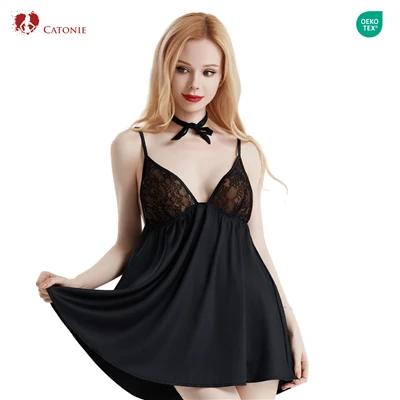
Size measurement is the most crucial and fundamental step in the custom bikini process. Many people choose custom fitting to solve problems such as ill-fitting sizes, poor fits, and discomfort. These issues often stem from inaccurate measurements or misunderstandings. Only through scientific, standardized, and meticulous measurement methods can a custom bikini truly fit an individual's body curves, improving comfort and support.Accurate measurement is not simply about taking a few measurements with a tape measure; it requires a comprehensive assessment considering body posture, chest shape, and wearing habits. Measurement methods will vary slightly depending on body type. For example, individuals with large or small busts, or broad or narrow shoulders, require extra attention to detail when recording data. Custom brands typically optimize the fit based on this data; significant errors can lead to rework or size discrepancies. Therefore, mastering the correct measurement method is essential.

Bust Measurement
Bust measurement is the most important basic data in custom bikini fitting.When measuring the upper bust, wrap the tape measure horizontally around the highest point of the chest.Underbust measurement should be taken below the chest, fitting snugly around the body.Maintain natural breathing during measurement; avoid consciously tightening or puffing out your chest.Record data accurately to the centimeter to avoid excessive rounding errors.Bust measurement directly affects cup size and support structure; ensure the measuring tape fits snugly but not too tightly.
Cup Depth
Cup depth determines the breast coverage.
Vertical distance from the highest point of the bust to the underbust.
Measure in front of a mirror to ensure accurate positioning.
Record whether the measurements on both sides are symmetrical.
If the breast shape is asymmetrical, the difference must be noted separately.
During customization, the internal structure can be adjusted according to cup depth to avoid gaping or compression issues.
Shoulder Width and Back Width
Shoulder and back measurements affect shoulder strap and back design.
· Measure shoulder width from the left acromion to the right acromion.
· When measuring back width, record the distance between the armpits on both sides.
· Maintain a natural standing posture.
· If you have broad shoulders, consider reinforcing the shoulder strap design.
These measurements help optimize shoulder strap support and back support.
Waist and Hem Measurements
Waist and hem measurements affect the overall proportions of the garment.
- Measure the waist circumference around the narrowest part of the garment.
- Measure the hem at the widest point above the hips.
- Keep your body upright while measuring.
- Avoid inhaling or contracting your stomach, as this can affect the measurements.
These measurements help determine the height and fit of the bottoms.
Hip Measurements
Hip measurement is primarily used to coordinate with bottom design.
- Measure horizontally at the most prominent point of the hips.
- Keep the measuring tape parallel, not tilted back or forth.
- Record the complete measurement.
- Note any wide or narrow hips.
Accurate hip measurements prevent bottoms from being too tight or too loose.
Height and Proportions
Height influences overall structural proportion design.
· Record your actual height.
· Provide leg length or upper body proportion references.
· Note any special body shape characteristics.
· Indicate whether you regularly wear high-waisted or low-waisted styles.
Proportion information helps brands adjust visual balance.
Breast Shape Classification
Different breast shapes require different customization solutions.
- Determine if your breasts are wide-set, sagging, or rounded.
- Record whether additional support is needed.
- Provide photos of your breast shape to aid in the assessment.
- Indicate whether you are accustomed to wearing underwire designs.
Breast shape information helps design a more precise support structure.
Measurement Precautions
Avoid common mistakes during measurement.
· Do not wear thick clothing or underwear during measurement.
· Choose light, close-fitting clothing or measure directly.
· The measuring tape should not be too tight or too loose.
· Take multiple measurements and average the results to reduce errors.
These details significantly improve data accuracy.
Trial Fitting Verification
After data collection, sample verification is required.
· Try on the custom-made sample garment upon receipt.
· Check the fit of the bust area.
· Perform bending and movement tests to confirm stability.
· Report any deviations and make corrections promptly.
Trial fitting is a crucial step in confirming sizing accuracy.
Accurate measurement of custom bikini sizes is fundamental to achieving a high fit and comfortable experience. Multiple measurements, from bust and shoulder width to hip circumference, must be measured and recorded according to standard methods. Only with accurate data can designers optimize the structure and adjust the pattern based on individual body shapes. Furthermore, combining bust shape classification and proportion analysis can further enhance the customization effect. While the measurement process may seem simple, details determine the result. Through scientific measurement and trial fitting verification, custom bikinis can truly fit the body's curves, reduce the risk of rework, and improve overall wearing satisfaction.