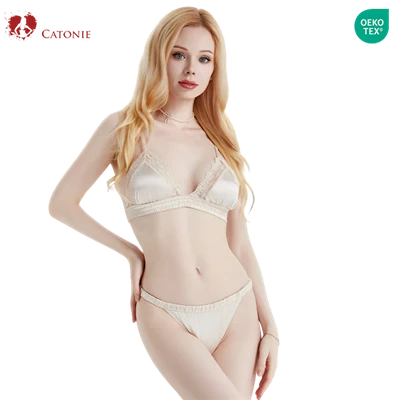
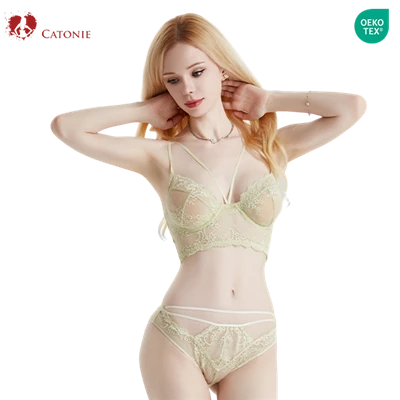
Sleepwear is a type of everyday intimate apparel, and consumers generally pay close attention to wearing comfort, fabric texture, breathability, and overall design. When purchasing luxury sleepwear, buyers need to establish purchasing standards based on the product positioning of their target markets. This helps avoid issues such as fabrics that do not correspond to the selling price, styles that lack distinctiveness, and unreasonable size assortments. Common fabrics used in luxury sleepwear include silk, mulberry silk, pure cotton, modal, Tencel, and high-quality satin. Different materials vary in softness, drape, luster, and daily care requirements. Available styles include classic notched-collar pajama sets, camisole nightgowns, long-sleeve pajamas, short-sleeve sets, and loose-fitting loungewear.
Production specifications need to clearly define fabric composition, weight, colors, size ranges, accessories, and packaging requirements to ensure consistent quality across bulk products. During wholesale purchasing, buyers should not rely solely on sample images to determine whether a product meets their requirements. They also need to understand the actual fabric, garment measurements, sewing techniques, and production standards. This is particularly important when developing customized brands or establishing OEM/ODM partnerships, as confirming product details in advance helps reduce differences between samples and mass production. Selecting suitable fabrics, styles, and production specifications can help buyers establish clear product positioning, improve product quality, and maintain better control over wholesale purchasing.
How to Choose Fabrics for Luxury Sleepwear Wholesale?
Fabric is an important foundation for determining the quality of luxury sleepwear. Different fabrics vary significantly in softness, skin-friendliness, breathability, drape, and surface luster, directly affecting the wearing experience and visual appearance of finished garments. During purchasing, suitable materials should be selected according to product positioning, target consumer groups, and sales channels. It is also necessary to pay attention to fabric composition, weight, weaving techniques, and performance after washing to ensure that bulk-produced sleepwear maintains consistent quality, a comfortable texture, and an attractive appearance.
Select Fabrics Based on Product Positioning
Luxury sleepwear generally emphasizes a soft texture, skin-friendliness, and refined appearance. Different materials are suitable for different product collections. During wholesale purchasing, buyers can determine fabric types according to the product price range and design style.
Silk and Mulberry Silk: These fabrics have a smooth, delicate texture and natural luster, with an attractive drape. They are suitable for luxury pajama sets, camisole nightgowns, and premium gift collections. Buyers should confirm the silk content, fabric construction, and fabric weight.
Pure Cotton: Cotton offers good moisture absorption and a natural feel, making it suitable for long-sleeve pajamas, short-sleeve sets, and everyday loungewear. High-quality combed cotton can provide a finer surface texture.
Modal: Modal fabric is soft and offers good draping properties. It is suitable for loose-fitting pajamas, knitted nightgowns, and close-fitting loungewear.
Tencel: Tencel generally offers good softness and a smooth feel. It is suitable for lightweight sleepwear, summer loungewear, and minimalist pajama sets.
Satin Fabrics: Satin has a noticeable surface sheen that creates a refined visual appearance. It is suitable for hotel-style sleepwear, gift sleepwear, and fashionable sleepwear collections. It is important to note that satin refers to a type of fabric weave rather than a specific fiber composition.
Verify Fabric Specifications
After determining the fabric type, buyers also need to confirm the specific specifications with the manufacturer rather than judging product quality solely by the fabric name. Even fabrics made from the same material can have different textures and appearances due to variations in fiber composition, yarn thickness, weaving density, and finishing processes. Buyers should understand parameters such as fabric weight, thickness, composition ratios, colorfastness, and shrinkage rates in advance. They should also request physical fabric swatches from the manufacturer for inspection to ensure that the materials meet the design and bulk production requirements, reducing the possibility of differences between the expected and actual garment quality.
The following information should be confirmed:
- Fiber composition and the actual percentage of each fiber.
- Fabric weight, thickness, and weave structure.
- Whether the fabric has undergone preshrinking, dyeing, and necessary finishing treatments.
- Testing requirements for colorfastness, shrinkage, and pilling resistance.
For silk sleepwear, buyers should also check whether the fabric has noticeable color variations, snags, or weaving defects. For cotton and modal sleepwear, attention should be paid to dimensional changes and surface conditions after washing.
Which Styles Should Be Selected for Luxury Sleepwear Wholesale?
Styles determine the overall visual appearance of sleepwear and also influence how easily different product collections can be distinguished. During wholesale purchasing, buyers can use classic styles as the foundation and introduce additional designs according to market positioning to create product combinations at different price points and with different aesthetics.
Classic Pajama Sets
Classic notched-collar pajama sets usually consist of a top and long pants, featuring a button-front closure, notched collar, and piping details. Their overall appearance is simple and elegant, making them suitable for luxury loungewear brands and everyday retail channels. These styles generally emphasize balanced proportions and detailed finishing. They can be made from different fabrics, including silk, satin, pure cotton, and modal, to create different wearing experiences. The tops can feature relaxed fits and be paired with straight-leg trousers or elastic-waist pants to improve the overall coordination of the set. Details such as contrast piping, refined buttons, and brand embroidery can further enhance product recognition.
Common styles include:
Long-Sleeve and Long-Pants Sets: Suitable for autumn, winter, and spring collections.
Short-Sleeve and Shorts Sets: Suitable for spring and summer, as well as lightweight sleepwear collections.
Silk Notched-Collar Sets: Suitable for premium sleepwear and gift product lines.
Loose-Fitting Cotton Sets: Suitable for everyday loungewear collections that emphasize comfort.
Camisole Nightgowns and Designer Sleepwear
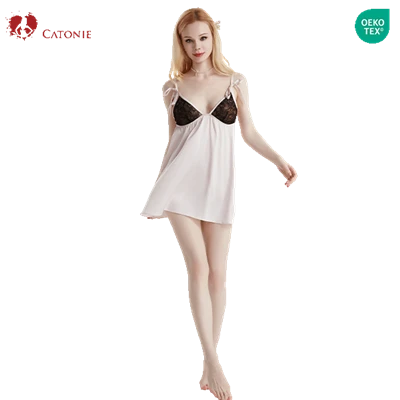
Camisole nightgowns are generally made from lightweight fabrics and feature thin shoulder straps, lace decorations, or asymmetrical cuts, creating a lighter and more delicate appearance. Long nightgowns can also achieve an elegant effect through fabric drape and hem design. If the target sales channels include luxury brands, boutique retailers, or gift stores, the following styles can be added to the collection:
- Lace-panel camisole nightgowns
- Minimalist solid-color silk nightgowns
- Long robes and matching robe sets
- Sleepwear with embroidery, piping, and jacquard decorations
During style development, attention should be paid to the coordination between decorative elements and fabrics. For example, silk sleepwear is suitable for delicate edging and lightweight decorations, while cotton sleepwear can feature refined embroidery and contrast piping.
How to Determine Production Specifications for Luxury Sleepwear?
Production specifications directly determine whether bulk products can be manufactured according to purchasing requirements. For wholesale orders, it is recommended to establish a complete product specification document before formal production, clearly recording the requirements for fabrics, measurements, colors, accessories, and packaging.
Define Size Ranges and Measurement Standards
Luxury sleepwear generally requires a relatively comprehensive size range. Common sizes include S, M, L, and XL. Additional sizes such as XS and XXL can also be included according to the target market to accommodate consumers with different body types. During wholesale purchasing, buyers should establish measurement standards based on the sizing conventions of their sales regions and clearly specify the bust, shoulder width, garment length, waist, hip, and trouser length for each size. Different measurement requirements should also be established for loose-fitting and slim-fit styles to ensure balanced garment proportions across all sizes and improve wearing comfort.
The following measurements need to be confirmed during production:
Tops: Garment length, shoulder width, bust, sleeve length, and cuff measurements.
Long Pants: Trouser length, waist, hip, and leg opening width.
Nightgowns: Dress length, bust, waist, hem width, and shoulder strap length.
Different manufacturers may use different patterns and sizing standards. Therefore, garment measurements should not be judged solely by size labels such as S, M, and L. Buyers are advised to provide a detailed size chart and require the manufacturer to follow the approved sample when carrying out bulk production.
Confirm Colors, Accessories, and Packaging Specifications
The production specifications of luxury sleepwear include not only garment measurements but also clearly defined colors and detailed component requirements.
Colors: Classic colors such as champagne, pearl white, black, light pink, misty blue, and deep burgundy can be prioritized. Before bulk production, buyers should confirm color cards or physical fabric swatches to avoid noticeable color differences between production batches.
Accessories: Details such as button materials, zipper specifications, lace types, elastic band widths, sewing thread colors, and decorative labels need to be confirmed.
Packaging: Individual packaging bags, brand hangtags, care labels, paper boxes, and gift boxes can be selected according to the sales channel. Customized packaging can also be used for luxury gift sleepwear to enhance the overall product presentation.
Frequently Asked Questions
Q1: Is Silk or Satin Better for Luxury Sleepwear Wholesale?
The two should be distinguished according to fiber composition and product positioning. Silk generally refers to a fiber material made from silkworm silk, while satin mainly describes a fabric weave and surface appearance. Silk satin has the fiber characteristics of natural silk combined with a satin sheen, whereas polyester satin can create a similar visual effect but has different material properties. Buyers should check the actual fiber composition labels and testing documentation before purchasing.
Q2: Can Luxury Sleepwear Be Customized with Different Styles and Brand Logos for Wholesale Orders?
Yes. Manufacturers with OEM/ODM production capabilities can generally provide services such as style development, fabric selection, color customization, brand embroidery, printing, hangtag customization, and packaging customization according to purchasing requirements. Before placing a formal order, buyers need to confirm the design drawings, samples, size charts, and the placement and production techniques of brand logos.
Q3: Why Is Sample Approval Necessary Before Mass Production?
Samples allow buyers to inspect fabric texture, garment measurements, cutting effects, sewing quality, and accessory configurations. This is particularly important for products made from silk, lace, or fabrics with special prints, as sample approval helps identify differences between the design and the actual finished garment in advance. It is recommended to use the final approved sample as the reference standard for bulk production.
Q4: What Production Documents Are Required for Luxury Sleepwear Wholesale Orders?
It is recommended to prepare product design drawings, fabric composition requirements, color standards, size specification charts, accessory lists, brand logo files, and packaging requirements. If special techniques are involved, embroidery patterns, printing files, and relevant production instructions should also be provided to help manufacturers verify production details.
The quality of luxury sleepwear is reflected not only in the fineness of its fabrics but also in its style design, cutting techniques, and production specifications. Materials such as silk, pure cotton, modal, and satin offer different textures and visual effects, meeting the requirements of various sleepwear designs. Classic notched-collar sets, camisole nightgowns, long robes, and lace-panel styles can also present distinct product characteristics through their cuts, colors, and decorative details. During production, fabric composition, garment measurements, stitching, accessory configurations, and packaging standards all need to remain clear and consistent. Silk sleepwear and refined satin sleepwear, in particular, require careful attention to fabric cutting, edge finishing, and sewing details to reduce issues such as surface wrinkles, skipped stitches, and measurement deviations. By selecting suitable combinations of fabrics and styles and strictly following production specifications, manufacturers can maintain a balance between visual appeal, wearing comfort, and finished garment quality, creating luxury sleepwear collections with a clear and distinctive product identity.