When the first cry of a new life breaks the silence of the room, a mother's journey has just begun. From pregnancy to postpartum, the body undergoes not only weight gain and loss, but also a comprehensive reconstruction of bones, muscles, and hormones. At this time, the choice of underwear transcends the simple needs of "covering up" or "shaping," becoming an important partner in supporting the body's recovery and caring for sensitive skin. How to find underwear that is both comfortable and effective during this special period? The answer lies in the details of fabric, cut, and function.

Material Selection: Gently Enveloping Sensitive Skin
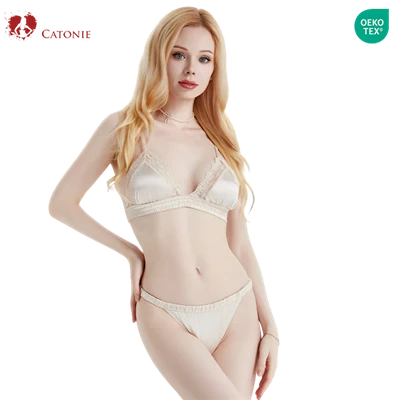
Postpartum women's skin is like a newly blossoming petal, needing to breathe while craving gentle treatment. Natural fabrics are the first choice: cotton underwear, with its high cotton content, becomes an "invisible shield" for breastfeeding mothers against milk leakage thanks to its breathability and moisture absorption. When breast milk leaks unintentionally, cotton fibers quickly absorb and diffuse it, preventing discomfort caused by localized dampness. Silk underwear, with its nourishing properties of natural amino acids, alleviates skin dryness caused by hormonal changes during pregnancy, making it especially suitable for areas requiring protection from friction after a cesarean section-the silky feel reduces friction between clothing and skin, lowering the risk of scar hyperplasia.
Even more noteworthy are the new functional fabrics. Underwear employing a 3D air-layer structure creates micron-level air channels between the outer and inner layers. This design is particularly beneficial for women experiencing excessive postpartum sweating: as sweat is quickly absorbed by the outer layer, the middle air layer accelerates moisture evaporation, keeping the wearer dry even after prolonged wear. For mothers who frequently wake up at night to breastfeed, this fabric avoids the risk of catching a cold due to sweat-soaked clothing, allowing for more restful sleep.
Cut Design: Adapting to Dynamic Body Changes
Postpartum recovery is not a linear process but rather a "fluctuating" one. From the abdominal laxity on the day of delivery, to the uterine contractions a week postpartum, and then to the breast engorgement during breastfeeding, each stage requires different support solutions. Adjustable design becomes key: the combination of four rows of hooks at the back and widened side panels accommodates the expanding circumference during pregnancy and gradually tightens postpartum. As the uterus begins to contract and the abdomen shrinks, mothers can adjust the hooks to find the most comfortable fit, avoiding sagging breasts due to overly loose clothing or impaired blood circulation due to overly tight clothing.
The special needs of breastfeeding have further spurred innovative tailoring. The rotating clasp design allows mothers to open and close the bra with one hand-a simple turn of the hook reveals the nursing opening without twisting the body or exposing too much skin. This design is especially practical when breastfeeding in public: mothers can maintain an elegant posture and quickly respond to their baby's needs. The combination of front hooks and a cross-front placket uses the principle of force distribution to evenly distribute the weight of the breasts across the shoulders and back. When a baby suckles, the breasts temporarily swell due to stimulation. This design prevents excessive pressure on one shoulder strap, relieving cervical spine pressure caused by breastfeeding.
Functional Support: Scientifically Supporting a Fragile Structure
A postpartum woman's body is like a building recovering from an earthquake, requiring "soft support" rather than "hard constraint." Medical research indicates that underwire bras should be avoided within six weeks postpartum, as breast tissue is congested at this time, and excessive pressure may trigger mastitis. Instead, a combination of 3D contouring and memory foam support is used: the contouring uses hundreds of tiny support points to simulate the feeling of a hand supporting the breast, creating even support from below to the outside; the memory foam support softens according to body temperature, perfectly conforming to the shape of the breast. When the mother changes from a lying to a sitting position, the support automatically adjusts its shape according to the weight of the breast, providing necessary support while preventing blood flow obstruction.
For abdominal laxity, high-waisted designs are becoming increasingly popular. This high-waisted bra, made with double-layered compression fabric, creates progressive pressure on the abdomen: the inner layer is soft and skin-friendly, while the outer layer of elastic fibers provides moderate support. This design promotes uterine contraction-when mothers wear it for postpartum exercises, the fabric stretches with movement, providing continuous, gentle support without restricting range of motion. The embedded far-infrared fibers go a step further: they reflect heat emitted by the body back to the skin, accelerating local blood circulation and helping to fade stretch marks.
Psychological Care: Dual Healing from Body to Mind
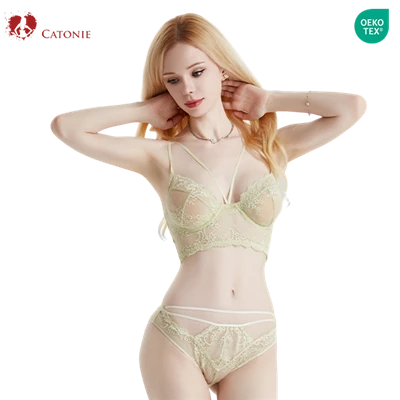
Postpartum recovery is not only a physiological process but also a crucial stage of psychological reconstruction. A well-fitting bra can be a "stabilizer" for emotions: soft Morandi colors can alleviate anxiety-low-saturation colors like pale pink and light gray-blue reduce visual stimulation, allowing mothers to feel relaxed while breastfeeding; delicate lace trim can boost confidence-when mothers see themselves in the mirror, even in loose loungewear, the details of their bra remain elegant, unconsciously straightening their backs; seamless designs allow mothers to feel less self-conscious when wearing tight clothing-the smooth surface doesn't show the bra's outline, making postpartum body changes a "secret known only to themselves."
The postpartum period is the most vulnerable yet resilient stage in a woman's life. Every carefully chosen bra is a gentle acceptance of the body's changes and a delicate expression of self-care. When mothers wear comfortable and well-fitting bras, they can almost feel their bodies gradually recovering their vitality, and their hearts gradually returning to peace and confidence. This inner nourishment will ultimately transform into a warm force nourishing new life, allowing mother and baby to grow together in love and care.