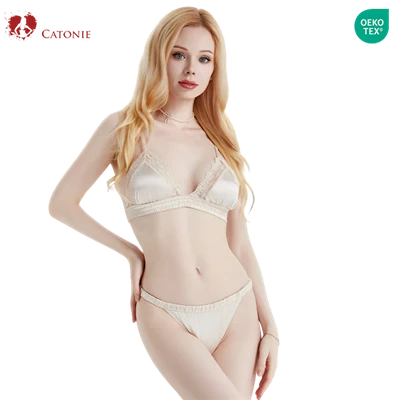
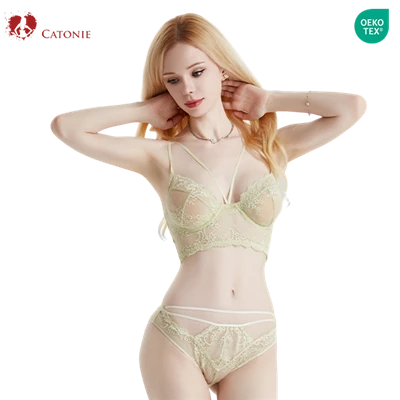
Choosing sexy bras for a luxury lingerie collection requires a balance of aesthetics, fit, materials, and craftsmanship. Customers shopping for premium lingerie may value distinctive silhouettes, refined decorative details, and construction that feels comfortable against the skin. For lingerie brands and wholesale buyers, these expectations should guide product development and sourcing decisions. A successful collection needs a recognizable design identity while offering options for different body shapes and wearing preferences. Evaluating bra styles, fabric properties, structural components, and manufacturing quality helps businesses select products that align with their brand positioning and deliver a considered wearing experience.

Select Bra Silhouettes That Define the Collection
The silhouette determines the neckline, coverage, and visual character of a bra. Choosing styles with different design functions allows brands to create variety without making the collection feel inconsistent.
- Balconette and demi-cup bras: These styles feature relatively open necklines and lower cup coverage. Evaluate cup shape and strap placement to achieve the intended appearance.
- Plunge bras: A low center front creates a deeper neckline. Check cup stability and the construction around the center front to ensure the design remains secure.
- Full-coverage bras: These styles provide more coverage and may suit customers who prioritize containment. Cup depth and side coverage should correspond to the intended size range.
- Strappy designs: Multiple straps and cutout details create a distinctive look. Their placement and attachment points should be designed to avoid unnecessary pressure.
Selecting silhouettes according to their intended function helps each product serve a clear role in the collection.
Choose Materials for Appearance and Performance
Fabric selection affects garment texture, visual detail, stretch and comfort, so buyers should assess each material by its position in the bra. For Leavers lace, check pattern definition, softness and consistency. For Guipure embroidery, check edges and placement, especially where it contacts the skin. Power mesh and power net can provide support in the wings and band, so evaluate stretch and recovery to achieve stable anchoring without excessive compression. When pairing lace with mesh or embroidered panels, consider differences in stretch and thickness. Comparing samples helps select combinations that meet both aesthetic and functional requirements.
Check Underwires, Boning, and Hardware
Structural components help determine a bra's shape, stability, and durability. Their construction deserves particular attention when selecting underwired or structured designs.
- Underwires: Check that each wire follows the intended cup shape and is fully enclosed in its channel. The ends should be securely finished to prevent protrusion during normal wear.
- Boning: Where flexible support bones are used, inspect their placement, containment, and flexibility. They should stabilize the garment without digging into the body.
- Closures and adjusters: Test hooks, sliders, and rings for secure attachment and smooth operation.
- Decorative hardware: Examine metal ornaments and plated components for rough edges, visible coating defects, and loose connections. Confirm that the selected finish matches the approved design.
Careful inspection of these components helps maintain the intended appearance while reducing potential construction problems.
Develop a Size Range That Supports Different Body Shapes
A luxury bra design may require structural adjustments across sizes rather than simply enlarging every component proportionally. Buyers should review the sizing system and fit specifications before approving a collection.
- Sizing conventions: Confirm whether the collection will use UK, EU, French, or another sizing system appropriate to its target market. Keep labels and conversion information consistent.
- Size grading: Assess how cup depth, wire dimensions, band width, and strap positioning change between sizes. The objective is to preserve suitable fit and function, not identical construction measurements.
- Fuller-bust requirements: Depending on the design, wider straps, more supportive wing materials, or revised cup construction may improve stability.
- Fit testing: Evaluate samples in representative sizes and record any necessary adjustments to coverage, band tension, or strap position.
A carefully developed size range helps brands provide more accurate product information and meet different fit requirements.
Evaluate Craftsmanship and Supplier Capabilities
Manufacturing quality determines whether the finished bra reflects the approved design. Buyers should establish clear requirements for materials, finishing, and production before placing bulk orders.
- Finishing details: Inspect seams, lining edges, embroidery placement, elastic attachment, and thread trimming. Hand-finished elements can add value when they suit the design and are executed consistently.
- Material specifications: Confirm fabric composition, lace type, hardware finish, and other required details through clear product documentation.
- Sample approval: Compare the finished sample against the agreed specifications for measurements, colors, materials, and component placement.
- Production management: Clarify inspection procedures, lead times, minimum order quantities, and how the supplier will address deviations from the approved sample.
A supplier with appropriate technical capabilities and clearly defined procedures can help brands maintain the intended product quality throughout production.
Building a luxury lingerie collection requires coordinated decisions about silhouette, materials, structural support, sizing, and manufacturing. Each element should contribute to the product's appearance or function rather than being selected solely for decoration. Before confirming a wholesale order, brands should evaluate samples, review size specifications, and establish clear requirements for construction and finishing. Specialized lace, embroidery, and decorative hardware can strengthen a collection's identity when they suit its design direction and quality goals. By prioritizing both visual distinction and practical performance, lingerie businesses can develop a cohesive assortment that reflects their positioning and meets customer expectations.