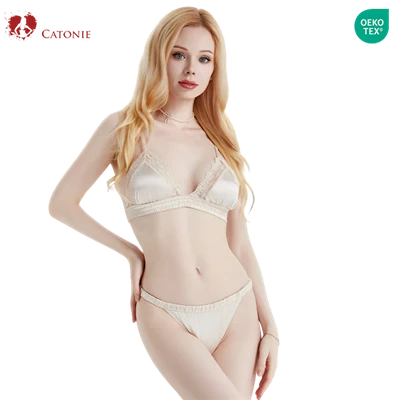
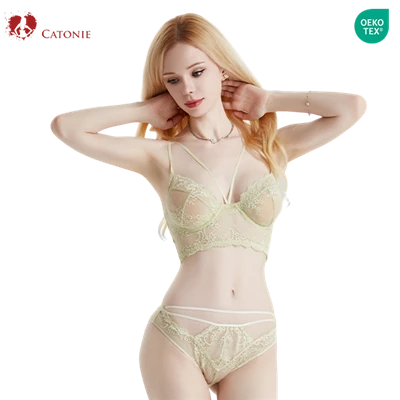
Launching a seamless lace bra collection takes more than choosing an attractive pattern. Customers care about lace texture, wearing comfort, and whether the bra looks smooth under fitted clothing. For brands developing a girl seamfree lace bra customized collection, customization offers greater flexibility in style, color, materials, and sizing instead of relying on ready-made products. Whether the goal is a lightweight everyday bra or a fashion-focused design with delicate lace, the product needs to balance visual appeal with practical wearing needs while remaining suitable for bulk production.

What Do You Need to Prepare for Custom Seamless Lace Bras?
Custom development can start with a design sketch, a reference product, or a complete tech pack. Brands do not need to create everything from scratch. Start by defining the target customers, preferred style, and expected retail price, then organize the main product requirements. Clear communication at this stage helps the development team understand the intended look and fit.
- Style references: Share design drawings, existing samples, or preferred lace patterns.
- Product requirements: Specify colors, size ranges, cup shapes, and intended wearing occasions.
- Order planning: Discuss target costs, quantities, and launch schedules early.
Brands with finalized designs can provide a tech pack to make development more straightforward. Those still exploring product ideas can begin with reference styles and refine the details through discussion. Having the main requirements ready helps reduce repeated sample revisions and keeps the final product closer to the original concept.
Which Fabrics Are Best for Seamless Lace Bras?
Material selection is particularly important when combining seamless construction with lace decoration. Lace needs to retain its delicate appearance, the main fabric should provide suitable stretch and recovery, and skin-contact areas should feel soft. Different fabric combinations can produce very different results, so the decision should not be based on appearance alone. Testing the materials in an actual bra provides a more realistic picture of the finished product.
|
Fabric Type |
Common Applications |
What to Check |
|
Stretch lace |
Outer cups and decorative panels |
Whether patterns distort when stretched |
|
Nylon and spandex blends |
Main body and stretch areas |
Recovery and durability |
|
Lightweight mesh |
Sheer panels and partial coverage |
Softness and edge stability |
|
Soft lining |
Inner cups and skin-contact areas |
Friction and changes after washing |
Seamless does not necessarily mean that the entire bra has no seams, and not every lace fabric is suitable for heat bonding or other bonding processes. Brands that prioritize smooth edges, lightweight construction, or specific lace patterns should test material compatibility before finalizing their choices. Comparing lace, main fabric, and lining within the same garment makes it easier to determine whether the materials work well together.
How Should You Check Samples of Custom Lace Bras?
Sample approval should involve more than checking the appearance. A bra may look attractive when laid flat but develop distorted patterns, raised edges, or an unnatural fit when worn. Before approving bulk production, arrange fitting tests and check how the fabric performs after stretching and washing. This helps confirm whether the finished garment delivers the intended design and wearing experience.
- Check whether lace panels align naturally and the edges remain flat.
- Raise your arms and turn your body to see whether the bra shifts out of place.
- Stretch the fabric repeatedly to check its recovery.
- Wash the sample and inspect its color, dimensions, and overall shape.
If problems appear, adjustments can be made to the materials, edge finishing, or garment construction before another sample is approved. Different sizes also need to be checked to ensure that the lace proportions and overall silhouette remain consistent. Keeping records of the final specifications, fabric details, and sample revisions makes it easier to maintain product consistency when placing repeat orders.
How Do You Choose an OEM/ODM Manufacturer for Seamless Lace Bras?
When choosing a manufacturing partner, price is only one consideration. Brands should also check whether the factory can handle fabric matching, sample development, and bulk production. Those with finalized designs can provide a tech pack and size specifications, while brands still exploring their product direction can begin with reference styles, target markets, and expected retail prices. Clear requirements help keep development organized and make production planning more predictable.
- Development capabilities: Can the manufacturer adjust styles, materials, and garment details to match your requirements?
- Sample quality: Does the sample meet expectations, and is communication during revisions straightforward?
- Production planning: Confirm minimum order quantities, lead times, and quality inspection requirements.
- Long-term consistency: Can the manufacturer maintain fabric, color, and sizing standards across repeat orders?
CATONIE began providing lingerie OEM manufacturing services in 2013 and gradually expanded into ODM product development, building a dedicated R&D team along the way. Its services include fabric matching, sample development, and bulk production. If your brand is planning a girl seamfree lace bra customized collection, contact us to share your design drawings, reference samples, or tech pack. We can discuss styles, materials, and production requirements to help develop a collection that fits your brand identity and target market.