

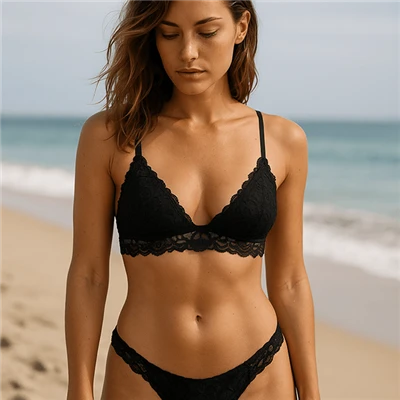
Lace bras remain a popular category for lingerie brands launching new collections, but beautiful patterns alone are not enough to make a product stand out. The lift effect, cup shape, lace texture, and overall design all influence a shopper's decision. For brands planning to launch a custom lift lace bra collection, customization offers more flexibility in style, color, materials, and finishing details. Whether the goal is romantic, delicate lace or a lightweight bra for everyday wear, starting with the target audience helps create a lace bra collection with a distinctive identity.
How Do You Design a Custom Lift Lace Bra?
When developing a new collection, start by identifying the target audience, intended wearing occasions, and desired look. A fashion-focused collection may feature sheer panels and delicate lace, while everyday styles may prioritize a natural silhouette and easy wear. Defining the overall direction first makes it easier to develop the details.
- Lace patterns: Choose floral, fine, or geometric designs to create different visual styles.
- Cup shape: Develop a natural gathering effect, gentle lift, or more noticeable lift based on the product concept.
- Color selection: Black, ivory, and burgundy can support different collection themes.
- Decorative details: Bows, slim straps, and metal accessories can add distinctive touches.
A design does not need excessive decoration to stand out. For a custom lace bra, the relationship between the lace pattern and cup shape is often more important than adding extra accessories. Brands can start with one signature design element and extend the collection through different colors, coverage levels, or strap combinations. This creates a consistent collection while allowing individual styles to remain distinct.
Which Fabrics and Trims Are Suitable for a Custom Lift Lace Bra?
Lace defines much of a bra's visual character, but other materials are also needed to complete the garment. Different lace fabrics vary in stretch, transparency, and softness. The underband elastic, mesh, lining, and straps also affect the final result. When selecting materials, compare fabric samples with finished garment samples instead of choosing based on the lace pattern alone.
|
Material |
Common Applications |
|
Stretch lace |
Outer cup layers and side-wing decoration |
|
Lightweight mesh |
Sheer panels and partial coverage |
|
Stretch lining |
Inner cup layers and skin-contact areas |
|
Elastic and straps |
Underband stability and fit adjustment |
For a lightweight design, lace and mesh can play a larger visual role. If lift and support are priorities, the cup construction and underband materials need to perform their intended functions. There is no single formula for material selection. The key is making sure the different components work together. Lace should retain its visual appeal, elastic components should allow comfortable movement, and skin-contact areas should avoid rough or overly stiff textures.
What Should You Check When Sampling Custom Lace Bras?
Sampling is an important step in confirming whether a design works in practice. Lace proportions, cup curves, and decorative placements may look different in a finished garment than they do in a flat design drawing. Before approving bulk production, brands should use fitting sessions and visual checks to confirm that the finished sample matches the intended design.
- Check cup fit and whether the lift effect looks natural.
- Inspect lace patterns where panels and seams meet.
- Test strap and underband stability during movement.
- Check color, dimensions, and fabric condition after washing.
If the sample does not meet expectations, the lace placement, material combination, or garment construction can be adjusted before another sample is made. Different sizes also require attention. Simply enlarging the original pattern may affect lace proportions and the overall appearance. Addressing these details during development makes it easier to maintain consistency in production.
How Can Lingerie Brands Develop Custom Lace Bras Through OEM/ODM?
Brands with a clear design concept can prepare design drawings, tech packs, size specifications, and reference samples to communicate their desired appearance and material requirements. Those still exploring product ideas can start with their target market, preferred style, and intended price range before finalizing the design. Clear information helps streamline sample development and reduces repeated revisions.
CATONIE has provided lingerie OEM manufacturing services since 2013 and has gradually expanded its ODM product development capabilities. Depending on brand requirements, services can include fabric matching, sample development, and bulk production. Whether developing everyday lace bras, fashion-focused designs, or a custom lift lace bra collection, brands can begin with their design concept and gradually finalize the style, materials, and production specifications. Contact us to share your design drawings or reference samples and discuss a lace bra development plan that fits your brand positioning.




