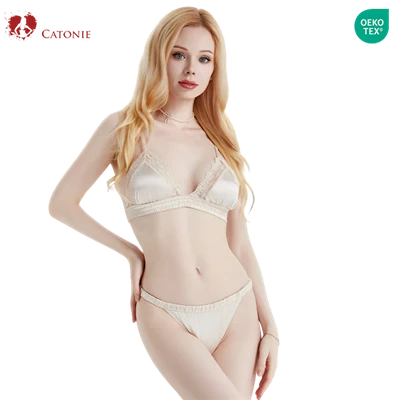
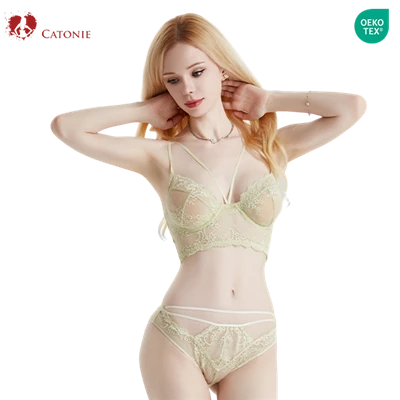
In today's ever-evolving fashion consumption landscape, more and more women and brands are paying attention to custom bikinis. Compared to mass-produced swimwear, custom designs emphasize individual expression, a perfect fit, and meticulous attention to detail. Product quality isn't just about aesthetics; it's also about comfort, fabric feel, craftsmanship, and overall visual appeal. A high-quality bikini gives a sophisticated first impression, withstands close scrutiny, allows for freedom of movement, and looks great in photos.

Many people believe customization equates to higher prices, but true quality enhancement comes from optimized design and production standards. If material selection, structural design, and attention to detail are done well, even a simple style can exude sophistication. Conversely, simply using the "custom" label while neglecting quality control will result in unsatisfactory outcomes. Therefore, enhancing the quality of a bikini requires a multi-pronged approach, ensuring each step is executed flawlessly.
Does Material Selection Determine Quality?
Fabric is the foundation of a bikini's quality. Good materials feel soft and elastic to the touch, won't cause itching when worn next to the skin, and won't easily deform after soaking in water. If costs are cut on materials during customization, even the best design will suffer in terms of overall effect. When choosing fabric, compare different samples and feel the thickness and elasticity by hand. Elastic fabrics can better conform to the body's curves and reduce sagging. At the same time, pay attention to the fabric's water resistance and sun resistance to avoid fading or stiffening after long-term use. Adding high-quality lining and thicker chest pads during customization can also improve stability and provide better overall support. Good material selection is the first step to improving the quality.
Is the cut important?
The cut directly affects the visual effect after wearing. Even with high-quality fabric, if the cut is unreasonable, the proportions will appear unbalanced. One of the advantages of customized bikinis is that they can be adjusted to different body types. For example, people with smaller busts can add layers by adding pleats or decorative elements; people with fuller busts can enhance stability by widening the shoulder straps or strengthening the support structure. The design should avoid overly complex stitching, as too many lines can appear cluttered. Simple, clean cuts often convey a more sophisticated feel. Repeated fittings and modifications to ensure a perfect fit to the body are crucial for enhancing product quality.
Can details make a difference?
Details determine the final quality of a product. Many bikinis may look ordinary, but meticulous attention to detail significantly elevates their perceived quality. For example, adjustable shoulder straps, secure ties, and neat stitching all affect the overall presentation. Good workmanship avoids loose threads and ensures clean, natural seams. Furthermore, decorative elements should be used judiciously. Beads, metal rings, or embroidery, when placed appropriately, can be eye-catching; however, excessive use can create a messy look. Paying attention to detail during customization enhances the product's perceived quality.
Color coordination is essential
Color is a key factor in attracting attention. Different shades evoke vastly different visual experiences. When customizing, consider choosing appropriate color combinations based on your target audience. Classic black and white are generally more timeless and easier to match; bright colors are suitable for the younger market, but saturation should be controlled to avoid overly glaring colors. If using gradient or contrasting colors, ensure a natural transition without abrupt dividing lines. Proper color matching can make a bikini look more refined and layered.
Elevating Brand Image Through Packaging
Packaging is often the first impression consumers have of a product. Even if the product itself is of good quality, simple and casual packaging can negatively impact the overall impression. Custom brands can enhance visual appeal through elegant boxes, dust bags, or brand labels. Packaging design should maintain a consistent style and align with product positioning. Adding size instructions or care tips to the packaging also demonstrates professionalism. Good packaging not only protects the product but also enhances brand trust.
Strict Quality Control Management
Improving the overall quality relies on strict quality control. During the customization process, each batch of products should be inspected to confirm accurate sizing, fabric defects, and secure stitching. It's best to create samples for testing before production and observe for any discomfort or structural loosening after wearing. Timely adjustments to identify problems avoid rework during mass production. A stable quality control system ensures that every product meets basic standards, thereby enhancing overall reputation.
Improving the quality of custom bikinis isn't simply about increasing prices or adding embellishments; it's about optimizing multiple aspects, including material selection, cut, details, color, packaging, and quality control. Each step directly impacts the final result. High-quality fabrics form the foundation, proper tailoring ensures a better fit, meticulous workmanship enhances durability, suitable colors increase visual appeal, and comprehensive packaging and strict quality control safeguard overall quality. When all these aspects are handled well, even a simple style can exude sophistication and professionalism. A truly high-quality custom bikini strikes a balance between comfort and appearance, allowing the wearer to feel at ease while projecting a refined and confident image. A systematic optimization approach makes the product more competitive in the market and more easily gains user recognition.