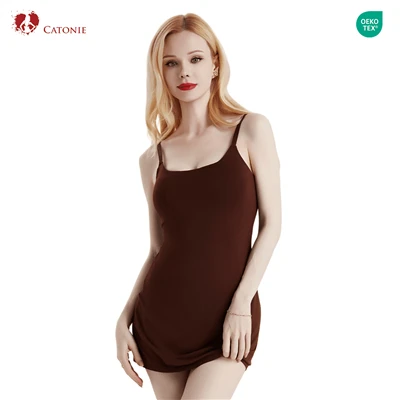
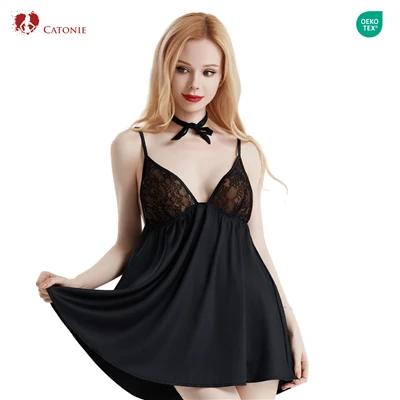
Many people simply hang their lingerie sets to dry after washing, but the way they are dried directly affects their lifespan, comfort, and shape stability. This is especially true for lingerie with elastic fibers, lace, or underwire designs. Prolonged exposure to direct sunlight, improper hanging, or damp environments can easily lead to deformation, stiffening, and fading. Mastering the correct drying method can not only extend the lifespan of the lingerie but also maintain its comfort.

Do Not Wring Dry Vigorously After Washing
Many people habitually wring out their lingerie after washing, but this can damage the fabric's elasticity. This is especially true for lingerie with underwires or foam cups; excessive stretching can deform the cup structure, affecting subsequent wear. The correct method is to gently press out the water or use a dry towel to absorb excess moisture, allowing the lingerie to maintain its original shape. Reducing forceful wringing helps stabilize the fabric and its elastic structure.
Avoid Prolonged Sun Exposure
While sunlight helps clothes dry quickly, prolonged exposure to direct sunlight can accelerate fabric aging in lingerie. Especially elastic fibers and lace materials are more prone to hardening, fading, or losing elasticity under strong ultraviolet radiation.
- Prolonged sun exposure can make the fabric brittle.
- Dark-colored underwear is more prone to fading.
- Elastic fibers are prone to aging at high temperatures.
- A cool, well-ventilated environment is more suitable for drying.
- Natural air drying can reduce deformation.
Avoiding direct sunlight can help underwear maintain its softness for longer.
Drying methods affect cup shape.
Many people are used to hanging their underwear directly with the shoulder straps, but this can easily cause the straps to stretch due to gravity over time. Especially when wet, the fabric's load-bearing capacity decreases, making deformation more likely. A better way is to hang the underwear evenly from the underbust area or lay it flat to dry, ensuring more even distribution of force. For underwear with thick cups or a structured design, proper drying methods can better maintain the original shape.
Maintaining a well-ventilated environment reduces odor problems.
Underwear is intimate clothing; if the drying environment is too humid, it can easily produce a musty smell and moisture residue. Especially in rainy weather, if the fabric cannot be completely dried for a long time, it may develop an odor. Maintaining air circulation helps moisture evaporate quickly and reduces the impact of a damp environment on the fabric. Many people choose to dry their underwear in enclosed indoor spaces, but without ventilation, even if the surface is dry, moisture may remain.
Different Materials Require Different Drying Methods
Different materials require different drying methods for underwear. Pure cotton is relatively sun-resistant but prone to shrinkage; lace and silk are better suited for air drying in the shade. Underwear with high-elastic fibers should avoid high temperatures to prevent affecting its elasticity. In daily care, choosing the appropriate drying method based on the material is more effective than a uniform approach. Proper care not only extends the lifespan of the underwear but also keeps it comfortable and fits well for longer.