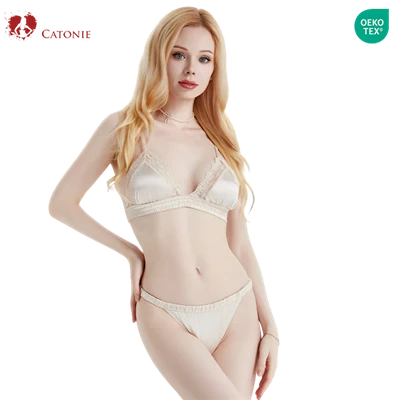
Selecting sexy bras for different customer preferences requires brands to understand what buyers value in lingerie. Some customers prioritize delicate details, while others look for bold designs, adjustable features, or additional support. Retailers and wholesalers must consider these differences when building a collection, as a product that appeals to one audience may not suit another. Fabric selection, sizing, intended use, and retail positioning all influence product suitability. By matching these factors with specific customer needs, businesses can make more targeted purchasing decisions, reduce the risk of unsuitable inventory, and develop a lingerie range that offers meaningful choices.
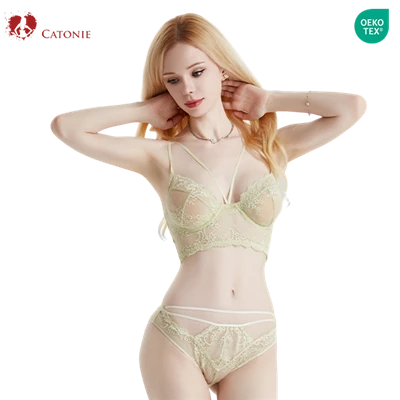
Identify Customer Preferences Before Selecting Designs
Understanding the target audience helps brands select styles with a clear purpose. Instead of choosing products based solely on appearance, buyers should consider the visual preferences of their intended customers.
- Elegant designs: Lace patterns, fine embroidery, and subtle decorative accents suit collections that emphasize delicate details.
- Bold designs: Cutouts, strappy arrangements, and geometric patterns appeal to shoppers who prefer distinctive lingerie.
- Minimalist styles: Clean lines and limited embellishments provide options for customers who favor a simple appearance.
A clearly defined design direction helps brands build a cohesive collection without filling their inventory with styles that serve the same purpose.
Choose Materials Based on Appearance and Comfort
Fabric affects a bra's visual effect, texture, and wearing experience, so buyers should evaluate how each material performs in the intended design. For lace, check softness, edge finishing, and construction to reduce irritation. For mesh, assess stretch and recovery to determine whether it maintains the intended fit. Elastic fabrics need suitable tension so straps and bands stay in place without excessive pressure. Mixed materials can add contrast, but seams and transitions should remain comfortable against the skin. Comparing samples helps assess both finished appearance and practical performance.
Match Fit and Support to Different Body Needs
Customers may have different expectations regarding coverage, shaping, and adjustability. Brands should review the construction of each style to determine which body and fit preferences it can accommodate.
- Lightweight construction: Soft-cup designs may suit customers who prefer less structured lingerie, depending on the fit and level of support required.
- Defined shaping: Underwire or structured-cup designs can provide a more shaped silhouette when the size and construction are appropriate.
- Adjustable features: Adjustable shoulder straps and multiple hook positions allow customers to fine-tune certain aspects of the fit.
- Fuller-bust options: Evaluate cup coverage, band stability, strap width, and available sizes rather than assuming that a wider size range automatically provides sufficient support.
Checking measurements and testing samples in relevant sizes helps brands assess whether each product meets its intended fit requirements.
Select Products for Different Wearing Occasions
The intended use can influence which design features customers prefer. Organizing products by occasion helps retailers explain the differences between styles and offer more relevant choices.
- Personal wear: Focus on comfortable materials, secure closures, and construction suited to the intended duration of wear.
- Special occasions: Lace details, satin accents, and coordinated sets can provide a more decorative option.
- Boudoir photography: Sheer panels, contrasting colors, and distinctive strap layouts can create clear visual details in photographs.
- Fashion styling: Cage bras and layered straps offer distinctive design elements for customers who want lingerie to be part of a visible outfit.
Matching designs to their intended use gives each product a clearer role within the collection.
Balance Product Quality, Pricing, and Variety
A suitable assortment must meet customer expectations while remaining practical for purchasing and inventory management. Brands should assess commercial considerations before confirming wholesale orders.
- Pricing position: Establish the target retail price range before selecting materials and construction details.
- Product inspection: Check stitching, closures, strap attachments, and finishing to identify visible defects in samples.
- Assortment planning: Allocate quantities according to the intended customer group, product positioning, and purchasing budget.
- Customization: Confirm available colors, sizes, packaging options, and design modifications before placing an order.
Evaluating these factors together helps businesses select products that fit their market strategy without sacrificing essential quality requirements.
A successful sexy bra collection reflects the differences in customer preferences rather than relying on one design style for every shopper. Brands should evaluate aesthetics, fabric characteristics, fit requirements, intended use, and pricing when choosing products. Sample testing and clear size specifications also help buyers assess whether a design is suitable for the intended audience. For wholesale purchasing, confirming customization capabilities and production requirements before ordering can make collection planning more efficient. With a focused selection strategy, businesses can offer relevant lingerie options, strengthen their product positioning, and create a more consistent shopping experience for customers.