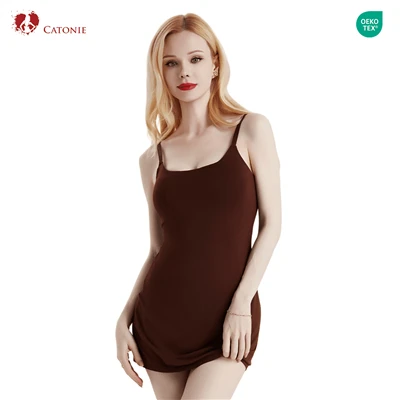
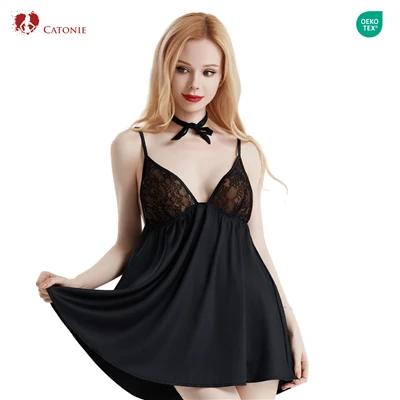
Lingerie sets are a type of clothing worn close to the skin and requiring high comfort. Proper washing can effectively extend their lifespan and maintain the softness and style of the fabric. Improper washing can cause lingerie to deform, loosen, or lose elasticity, affecting the wearing experience and comfort. Lingerie sets typically consist of bras, panties, or camisoles. Different materials, such as cotton, lace, silk, or functional fabrics, require specific washing methods to avoid damage or deformation. Before washing, check the garment label to understand the fabric composition and washing recommendations. This will help you choose the appropriate water temperature, washing method, and detergent, thus reducing the risk of damage.
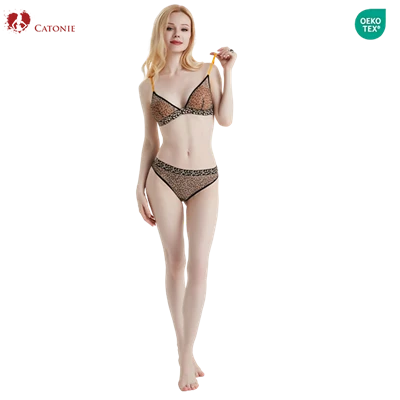
Hand Washing vs. Machine Washing
Lingerie sets can be washed either by hand or by machine, each with its own precautions. Hand washing is suitable for delicate materials such as lace, silk, or underwire bras, reducing friction and stretching. Use warm water and a neutral detergent, gently rubbing the garment, avoiding vigorous rubbing or pulling to maintain the lingerie's shape. Machine washing is suitable for durable cotton or functional fabric lingerie, but it is recommended to use a laundry bag to protect the garment, select a gentle cycle or low spin speed to avoid high-speed tumble drying which can deform the underwire or stretch the fabric.
Washing Precautions
When washing lingerie sets, several key points can help prevent deformation:
- Water Temperature Control: Warm water washing protects elastic fibers and prevents high temperatures from damaging the lingerie structure.
- Neutral Detergent: Use neutral or specialized laundry detergent to reduce irritation to the fabric and elastic fibers.
- Avoid Bleach: Bleach can easily damage fabric fibers, causing fading and stiffening.
- Gentle Washing: Gently press, rub, or soak, avoiding pulling on the underwire or lace edges.
- Washing Order: Wash bras and panties separately to prevent tangling and stretching, reducing the risk of deformation.
By paying attention to washing methods and operational details, the appearance and elasticity of lingerie sets can be effectively maintained, making the wearing experience more comfortable.
Drying and Storage Methods
Proper drying and storage after washing are crucial for maintaining the shape of your lingerie:
- Air Drying: Lay the lingerie flat or hang it in a well-ventilated area to air dry naturally, avoiding direct sunlight which can cause loss of elasticity.
- Avoid Wringing: Gently squeeze out excess water; do not wring to avoid stretching or deforming the underwire or fabric.
- Maintain Shape: Use hangers to support the bra cups when hanging to prevent sagging.
- Categorized Storage: Fold lingerie according to type and style to reduce mutual compression and friction, extending its lifespan.
- Regular Organization: Regularly check and adjust the way lingerie is stored to avoid long-term compression and folding that can deform the fabric.
Using scientific drying and storage methods can help maintain the original shape of your lingerie sets and extend their lifespan.
Additional Care Suggestions
Besides proper washing and drying, daily usage habits also affect the shape retention of your lingerie sets. Avoid wearing the same lingerie for extended periods or frequently stretching it; rotate between different sets as needed. Before washing, check for stains or sweat residue and treat them promptly to reduce fabric damage. When storing, use garment storage boxes or dividers to maintain the bra's shape and avoid pressure or compression. Regularly replace bras that have aged or lost elasticity to maintain comfort and appearance.
Through scientific washing, gentle drying, proper storage, and daily care, lingerie sets can maintain their original shape and elasticity for a long time. Using appropriate washing methods and paying attention to details not only extends the lifespan of the garment but also ensures a comfortable and natural wearing experience, keeping the lingerie soft, close-fitting, and without deformation.