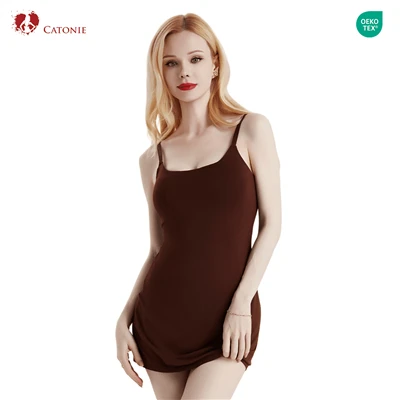
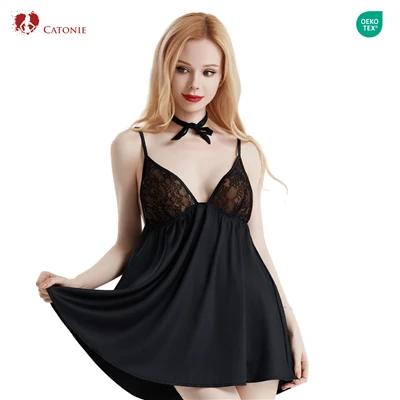
With the arrival of summer, many people start preparing to relax at the pool, beach, or hot springs. Swimsuits seem like a simple item, something you can just pick and wear. However, when it comes to actually getting in the water, many people find that choosing the wrong swimsuit causes more problems than they imagined. It's not just about "looking bad"; it can also make you feel uncomfortable, restrict your movement, worry about wardrobe malfunctions, and even make taking photos, walking, and getting in the water feel unnatural. For many, whether their swimsuit fits properly directly affects their mood and overall experience that day.

Some people, when buying a swimsuit for the first time, focus on the color and style, thinking that as long as it looks good, it's fine. Others only look at the price, thinking that cheap is acceptable. Still others choose swimsuits based on what others have bought, without considering their own body shape, bust shape, shoulder width, waistline, and the actual occasion for wearing it. The result is that the swimsuit looks good, but feels awkward when worn. For example, if it's too tight, it will leave marks; if it's too loose, it will ride up; if the neckline is too low, it will feel insecure; and if the leg openings are too high, it will make you feel uncomfortable. What's more troublesome is that these problems are often not noticeable at a glance while standing; many only become apparent after getting in the water. Therefore, choosing the wrong swimsuit can indeed be embarrassing, but this embarrassment isn't about "not being able to wear it," but rather "feeling uncomfortable, uneasy, and unnatural." Knowing beforehand which areas are most prone to problems and paying more attention when choosing a swimsuit can save a lot of trouble. Below, we'll discuss several common situations to help you understand why you can't just choose any swimsuit.
Avoid swimsuits that are too tight
If a swimsuit is too tight, the first impression is often not aesthetics, but rather constriction. There will be a feeling of tightness in the chest area, the shoulder straps will sag inwards, and the waist and abdomen will feel too constricted. Such a swimsuit might be okay while standing, but once you start moving, discomfort is likely to occur.
For example: Your shoulders feel pulled when you raise your arms, making movement unnatural.
Your waist and abdomen feel tight when you sit down, making breathing awkward.After swimming for a while, red marks will appear at the edges, which doesn't look very presentable.
The most obvious aspect of this awkwardness is that others might not immediately notice, but you'll be constantly bothered by it. What was supposed to be a relaxing swim turns into constant worrying about whether it's too tight or if the marks will be too obvious, instantly ruining your mood.
A swimsuit that's too loose breeds insecurity
If the swimsuit is too loose, the problem is completely reversed. While it may seem more comfortable, it actually makes you feel more insecure, especially while in the water.
For example:
· Loose shoulder straps can easily slip down while swimming.
· Loose chest area can easily shift during movements.
· Loose hem can cause constant worry about exposure when getting out of the water or bending over.
Many people will frequently adjust their swimsuits and shoulder straps in this situation, resulting in increasingly unnatural movements. What was originally a normal swim becomes a feeling of constraint due to constant concern about the swimsuit. This feeling can be particularly embarrassing for those who are more concerned about their appearance.
The wrong swimsuit style
Swimsuits aren't just about size; style is also crucial. Even a well-fitting swimsuit can feel uncomfortable if the style is wrong. For example, active people might feel restricted in overly complicated styles, while those who prefer a more natural look might find overly revealing styles uncomfortable. Styles lacking sufficient chest support can feel unstable. Some people might look fine in the mirror, but once they move, squat, or turn, they realize the design doesn't suit them. For instance, thin straps might slip easily; high-cut bottoms might feel uncomfortable; and a long skirt might become heavy when wet. Choosing the wrong style doesn't necessarily mean you can't wear it, but it can be very distracting.
Choosing the wrong swimsuit for the occasion
The right swimsuit also depends on the occasion. The appropriate style differs for the beach, swimming pool, and hot springs.
For example:
For swimming, choose a close-fitting, simple style that allows for easy movement.
For relaxing at the beach, a more relaxed design is suitable.
If you're going with friends, overly casual or exaggerated styles will make you feel uncomfortable. Sometimes, the awkwardness isn't about the swimsuit itself, but about it not matching the occasion. For example, you might intend to swim peacefully but wear a swimsuit that easily slips off; or you might want to relax and be casual but wear something that looks too much like sportswear. Wearing the right outfit for the occasion will make you feel more natural.
Mismatched Body Types Exaggerate Flaws
Swimsuits easily accentuate body features, so the fit between body type and style is crucial. This doesn't mean certain body types can't wear swimsuits, but rather that different body types suit different cuts. Those with smaller busts can choose styles with some support to avoid looking too flat. Those with larger busts need more stable straps and a more supportive fit. Those who are concerned about their waist and abdomen can choose designs with a slightly flattering effect. Those with broad shoulders should opt for simpler strap designs to avoid looking bulky. If the body type and style don't match, even ordinary body features can be magnified by the swimsuit, making you feel uncomfortable. In these situations, the awkwardness isn't caused by others, but by your own feeling that "something's not right."
Choosing the wrong swimsuit can be incredibly embarrassing, and this embarrassment often extends beyond just appearance; it can also affect comfort, safety, and freedom of movement. A swimsuit that's too tight will feel constricting, one that's too loose will sway, the wrong style will feel awkward, the wrong occasion will feel unnatural, and a mismatch between body type and cut will accentuate any flaws. What may seem like just buying the wrong swimsuit can actually ruin your entire swimming experience. However, this embarrassment isn't entirely unavoidable. By paying attention to a few things when choosing a swimsuit, you can avoid many pitfalls. First, consider the fit. Don't just aim to fit in, and don't force yourself to choose a size too small just to look slimmer. Second, consider your activity needs; everyday swimming and casual photoshoots require different styles. Third, consider your body type and choose a style that makes you more comfortable, rather than blindly following trends. Fourth, consider the actual wearing experience. Can you raise your arms, bend over, walk, and get in the water? These are all important factors. The most important thing about a swimsuit isn't how eye-catching it is, but whether you can relax while wearing it. A suitable swimsuit can reduce distractions and make you feel more natural and comfortable in the water. Conversely, a poorly chosen swimsuit, no matter how beautiful the color or how trendy the style, can leave you constantly worried about it not fitting, showing too much skin, or feeling awkward, ultimately affecting your mood. Being careful when buying a swimsuit can often lead to a more carefree summer.