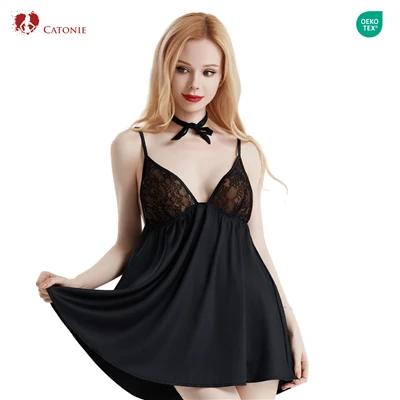
In the vast universe of fashion, lace shines like a brilliant star, radiating endless charm and romance. With its delicate textures and exquisite patterns, it has become an indispensable finishing touch in women's clothing. On the map of lace, Italy and France are undoubtedly the two most dazzling pearls, each possessing a unique style and profound cultural heritage. So, what are the differences between Italian lace and French lace? Let's delve into this fascinating duel of lace.

Craftsmanship Characteristics: A Clash of Ingenious Techniques
Both Italian and French lace boast extremely high levels of craftsmanship, yet they present distinctly different styles.
- Italian Lace: Italian lace craftsmanship emphasizes innovation and bold experimentation. Craftsmen often employ unique weaving techniques, skillfully blending different materials of silk thread to create rich layers and a strong three-dimensional effect. For example, they combine metallic threads, allowing the lace to shimmer with a captivating luster under light, adding a touch of glamour and luxury. Moreover, Italian lace is more free and unrestrained in its pattern design, unbound by tradition, often incorporating modern art elements to showcase a fashionable and avant-garde atmosphere.
- French Lace: French lace craftsmanship is renowned for its exquisite detail. The weaving process is extremely rigorous, with the direction of each thread meticulously designed to ensure the perfect presentation of the pattern. French lace primarily employs traditional hand-weaving methods, where artisans, with their superb skills and rich experience, craft lace into works of art. In terms of patterns, French lace favors classic elements such as flowers and vines, with flowing, beautiful lines that exude an elegant and romantic temperament.
Material Selection: Differences in the Pursuit of Nature and Quality
Material is a crucial factor in determining the quality and style of lace, and Italy and France have different preferences in this regard.
- Italian Lace: Italians are passionate about exploring various new materials. Besides traditional cotton and silk, they also use materials with special textures, such as linen and wool. The addition of these materials gives Italian lace a unique texture and feel; some are rugged and bold, while others are soft and comfortable, satisfying the needs of different consumers.
- French Lace: French lace tends to use high-quality natural silk threads, such as pure silk and mulberry silk. These threads are soft, smooth, and lustrous, better showcasing the delicacy and elegance of lace. French artisans believe that only the finest materials can create the most perfect lace pieces.
Cultural Connotation: A Deep Blend of History and Tradition
Both Italian and French lace embody the rich cultural connotations of their respective countries.
- Italian Lace: Italy is a country brimming with artistic spirit, and its lace craftsmanship is deeply influenced by art and culture. Drawing inspiration from Renaissance paintings and sculptures, Italian lace often displays a strong artistic sense and individual charm, reflecting the Italian pursuit of freedom and innovation.
- French Lace: France is known as the "fashion capital," and its lace culture is closely linked to the lives of the court and aristocracy. French lace symbolizes nobility, elegance, and romance, and is one of the representatives of French court culture. It embodies the French people's yearning for a refined life and their persistent pursuit of beauty.
Italian and French lace each have their own unique charm, shining brightly on the fashion stage with their distinctive craftsmanship, materials, and cultural connotations. Whether you seek cutting-edge fashion or cherish classic elegance, you can find your perfect match in either type of lace. Let us appreciate the beauty of lace while also experiencing the unique allure of these two fashion powerhouses, Italy and France.