Abstract
The lingerie nightgown occupies a unique space within personal apparel, existing at the intersection of comfort, aesthetics, and intimate self-expression. This article provides a comprehensive examination of the factors influencing the selection of lingerie nightgowns in the contemporary 2025 market. It moves beyond a purely stylistic analysis to investigate the material science of common and innovative textiles, including silk, satin, modal, and lace, evaluating their properties in relation to tactile experience, breathability, and durability. The discourse further explores the semiotics of various nightgown silhouettes, such as the babydoll, chemise, and slip, analyzing their historical context and modern interpretations. A central argument is that achieving a correct fit transcends standard sizing, requiring a nuanced understanding of personal measurements and garment construction. The analysis extends to the psychological impact of color and embellishment, the functional considerations for different occasions, and best practices for garment care. Finally, the article addresses the growing importance of ethical and sustainable considerations in lingerie production, offering a framework for conscious consumerism.
Key Takeaways
1. Prioritize fabric based on its function; silk for luxury, modal for softness, and cotton for breathability.
2. Understand different styles, like the chemise for elegance or the babydoll for a playful feel.
3. Take accurate body measurements to ensure a fit that provides both comfort and confidence.
4. Select a lingerie nightgown style that aligns with your personal expression and the intended occasion.
5. Follow specific care instructions for delicate fabrics to extend the life of your garments.
6. Consider the ethical and sustainable practices of brands when making your purchasing decision.
Factor 1:Understanding the Language of Fabric: The Soul of a Lingerie Nightgown
The experience of a lingerie nightgown begins not with the eyes, but with the skin. The fabric is the primary medium through which the garment communicates comfort, luxury, or sensuality. To choose a fabric is to choose a particular kind of tactile dialogue with one's own body. Each material possesses a unique character, a set of properties that dictates how it drapes, how it feels against the skin, and how it regulates temperature through the quiet hours of the night. A thoughtful examination of these materials is the first and perhaps most fundamental step in selecting a piece that will not only look beautiful but also feel like a natural extension of oneself. This exploration requires us to move beyond simple labels and delve into the very structure and origin of the threads that will lie against our skin.
The Classic Allure of Silk and Satin
Silk, a protein fiber spun by the silkworm, has been synonymous with luxury for millennia for a reason. Its molecular structure, a triangular prism, reflects light at various angles, giving it a natural, inimitable shimmer. This is not the high-gloss, flat shine of many synthetic materials, but a complex luminosity that seems to move with the body. When you think about how silk feels, what comes to mind? It is exceptionally smooth, creating a sensation of liquid softness against the skin. This quality minimizes friction, making it an excellent choice for preventing skin irritation and even for maintaining skin hydration overnight compared to more absorbent fabrics like cotton (Koul, 2022). Yet, its delicacy is part of its identity. It is a material that demands respect and gentle care.
Satin, on the other hand, is not a fiber but a weave. This is a critical distinction. Satin can be woven from silk, polyester, or nylon fibers. The satin weave is characterized by long, floating yarns on the surface, which create its signature smooth, glossy face. A silk satin, therefore, combines the properties of the silk fiber with the smoothness of the satin weave, representing the pinnacle of luxury. A polyester satin, while more affordable and durable, will lack the breathability of silk. It may feel smooth, but it can also trap heat and moisture, making it less ideal for warm sleepers. When choosing between them, one must weigh the practical virtues of polyester-its resilience and lower cost-against the unparalleled comfort and breathability of natural silk.
The Gentle Embrace of Cotton and Modal
Cotton is a familiar comfort, a material associated with softness and simplicity. As a lingerie nightgown fabric, its primary virtue is its breathability. The structure of the cotton fiber allows air to circulate freely, wicking moisture away from the skin and promoting a cool, dry sleeping environment. For those who prioritize pure, unadulterated comfort, especially in warmer climates, a high-quality cotton nightgown is an excellent choice. Pima or Egyptian cotton, with their extra-long staple fibers, offer a superior softness and durability compared to standard cotton. However, cotton can also be prone to wrinkling and may lack the fluid drape of silk or modal, often lending itself to more relaxed, less form-fitting silhouettes.
In recent years, modal has emerged as a compelling alternative. A semi-synthetic fiber derived from the pulp of beech trees, modal is a type of rayon that is celebrated for its exceptional softness and resistance to shrinkage. Imagine the feeling of your softest, most worn-in t-shirt; modal often evokes that same sensation from the very first wear. It drapes beautifully, much like silk, but offers the machine-washable ease of cotton. Furthermore, it is about 50% more absorbent than cotton, yet it releases moisture quickly, contributing to its cool and comfortable feel (Tisseron, 2017). This unique combination of properties makes modal a versatile and increasingly popular choice for both everyday sleepwear and more elegant lingerie nightgowns.
The Provocative Transparency of Lace and Mesh
Lace and mesh function differently from the other fabrics. Their purpose is often less about tactile comfort against the entire body and more about visual texture, revelation, and adornment. They are the elements of architecture in a lingerie nightgown, creating structure, detail, and intrigue. Lace, with its intricate patterns, carries centuries of history, evoking romance, artistry, and femininity. It can be used as a delicate trim on a silk chemise or constitute the entire body of a daring babydoll. The quality of lace varies immensely, from soft, stretchable Leavers lace to the more rigid and decorative Chantilly. The feel of lace against the skin is a crucial consideration; lower-quality, "scratchy" lace can ruin the experience of an otherwise beautiful garment.
Mesh, or tulle, offers a more modern and direct form of transparency. It is a fine, net-like fabric that can be soft and stretchy or firm and structural. It is often used in babydolls and teddies to create a sheer veil over the body, playing with the dynamic of concealing and revealing. When used in panels on a satin slip or as the back of a nightgown, it can add a surprising element of sensuality while also improving the garment's breathability. Like lace, the softness of the mesh is paramount for comfort.
|
Feature |
Silk |
Satin (Polyester) |
Modal |
Lace |
|
Fiber Type |
Natural (Protein) |
Synthetic (or Silk) |
Semi-Synthetic (Rayon) |
Varies (Cotton, Nylon, etc.) |
|
Feel |
Extremely smooth, cool |
Smooth, can be slippery |
Exceptionally soft, silky |
Varies from soft to scratchy |
|
Breathability |
High |
Low |
High |
Very High (due to openwork) |
|
Drape |
Fluid, liquid-like |
Fluid, often stiffer |
Excellent, fluid |
Varies based on type |
|
Care |
Hand wash or dry clean |
Machine washable, durable |
Machine washable, resists shrinking |
Hand wash recommended |
|
Best For |
Ultimate luxury, sensitive skin |
Affordability, high-shine look |
Everyday comfort, softness |
Decorative detail, sensuality |
Innovative Textiles: The Future of Comfort and Sustainability
The world of textiles is not static. Innovations are constantly emerging, driven by a desire for enhanced performance and greater environmental responsibility. TENCEL™ Lyocell, another fiber from the eucalyptus tree, is produced in a closed-loop system that recycles water and solvents, making it a highly sustainable choice. It shares many of modal's desirable properties-softness, breathability, and a beautiful drape-while boasting an even more impressive environmental profile. Bamboo viscose is another popular option, known for its soft feel and natural antibacterial properties, though its production process can be chemically intensive. As consumers in 2025 become more discerning, the provenance and ecological impact of their clothing, including their lingerie nightgowns, are increasingly part of the selection calculus.

Factor 2:Deciphering Styles: From the Demure to the Daring
The style of a lingerie nightgown is its narrative form. It sets the tone, suggests a mood, and shapes the silhouette. While the fabric provides the sensory input, the style provides the context and the character. Each silhouette has its own history and its own language, from the playful innocence of a babydoll to the streamlined elegance of a chemise. Understanding these different forms allows one to choose a piece that not only fits their body but also aligns with their personal aesthetic and the occasion for which it is intended. The lines, lengths, and construction of these garments are not arbitrary; they are the result of decades, sometimes centuries, of evolving fashion and changing perceptions of the body.
The Babydoll: A Playful Classic
The babydoll is perhaps one of the most recognizable styles of lingerie. Typically characterized by a short, empire-waist design with a loose, flowing skirt, it is often crafted from sheer fabrics like chiffon, mesh, or georgette and trimmed with lace. The name itself, popularized after its appearance in the 1956 film Baby Doll, hints at its character: a blend of innocence and allure. The empire waist draws attention to the bust, while the flared skirt skims over the midsection and hips, a silhouette that many find both comfortable and flattering. It is a style that embodies playfulness. Often paired with matching panties, the babydoll is a quintessential piece of erotic lingerie, designed more for visual appeal than for the practicalities of sleep.
The Chemise: Sleek and Simple Elegance
The chemise offers a more understated and versatile form of elegance. Essentially a short, sleeveless dress that hangs from the shoulders, the chemise is typically cut on the bias to follow the body's curves without clinging too tightly. Its beauty lies in its simplicity. When crafted from a fluid fabric like silk satin or modal, it moves with the wearer, creating a sense of grace and ease. Unlike the babydoll, the chemise is not exclusively for romantic occasions. A well-made chemise can be a perfectly comfortable and chic option for everyday sleep. Its clean lines make it an excellent canvas for showcasing a beautiful fabric or a delicate lace trim along the neckline or hem. Brands like often feature a variety of chemises that highlight this blend of simplicity and luxury.
The Slip Dress: Versatility from Bedroom to Street
The slip dress is a close relative of the chemise, but with a history rooted as an undergarment designed to help dresses and skirts hang smoothly. In recent decades, the slip has famously transitioned from underwear to outerwear. As a lingerie nightgown, it is often slightly longer and more substantial than a chemise, sometimes featuring more intricate details like cowl necklines or lace paneling. The defining characteristic of a great slip is its drape. Cut on the bias from fabrics like silk charmeuse, it skims the body in a way that is both sensual and sophisticated. The modern appeal of the slip lies in this dual identity. It is a garment that feels just as appropriate for a quiet night in as it does layered under a blazer for a night out, embodying a modern, effortless approach to sensuality.
The Teddy: A Fusion of Bodysuit and Tap Pant
The teddy, also known as a cami-knicker, is a one-piece garment that combines a camisole top with attached panties. It is a style that blurs the lines between lingerie and sleepwear. Unlike a bodysuit, a teddy is typically looser and softer, often made from silk, satin, or lace. It offers the freedom of movement of shorts but with a more cohesive and put-together look. Some teddies feature a snap-crotch for convenience, while others are designed to be pulled on. The silhouette can range from sweet and romantic, with ruffles and bows, to sleek and provocative, with plunging necklines and sheer panels. The teddy is a statement piece, a complete outfit in itself, often chosen for its unique and confident aesthetic. It's a popular item in many sexy lingerie sets.
The Full-Length Gown: Timeless Glamour
The full-length nightgown evokes an era of old-world glamour and sophistication. Falling to the ankle or the floor, these gowns are the epitome of elegance in sleepwear. They are often crafted from flowing fabrics like silk, satin, or even velvet, and may be paired with a matching robe. The long lines of the gown create a statuesque and graceful silhouette. While perhaps less common for everyday wear in 2025, the full-length gown remains a powerful choice for special occasions, particularly in the realm of bridal lingerie. It offers a sense of ceremony and indulgence, transforming the simple act of preparing for bed into a ritual of self-care and beauty. A full-length silk gown is not just a piece of clothing; it is an experience.
Factor 3:The Philosophy of Fit: Why Precision Matters More Than Size
In the realm of intimate apparel, the concept of "fit" extends far beyond the number on a tag. A garment that fits properly is one that works in harmony with the body's unique topography, providing support where needed, comfort without constriction, and a silhouette that inspires confidence. A poorly fitting lingerie nightgown, conversely, can be a source of constant distraction-straps that dig, a band that rides up, or fabric that pulls in all the wrong places. Achieving a perfect fit is an act of precision and self-knowledge. It requires us to set aside preconceived notions of what our size "should be" and instead engage with the reality of our own bodies through the simple, honest language of measurements.
Taking Your Measurements: A Foundational Act of Self-Knowledge
Before you can find the right garment, you must first understand the form it is meant to adorn. This begins with taking accurate measurements. You will need a soft, flexible measuring tape.
- Bust Measurement: While wearing a non-padded bra, wrap the tape around the fullest part of your bust. Keep the tape parallel to the floor and snug, but not tight. This measurement is key for styles that have a defined bust area.
- Band (Underbust) Measurement: Wrap the tape directly underneath your bust, where the band of a bra would sit. The tape should be level and very snug. Exhale to get the smallest possible measurement. This is crucial for nightgowns with built-in bras or supportive bands.
- Waist Measurement: Measure around the narrowest part of your torso, typically an inch or so above your navel.
- Hip Measurement: Wrap the tape around the fullest part of your hips and buttocks.
Think of these numbers not as judgments, but as data points. They are the coordinates that will map the garment to your body. Keep them handy when you shop, and always compare them to a brand's specific size chart, as sizing can vary dramatically between manufacturers.
Understanding Cup and Band Sizing in Nightgowns
Many lingerie nightgowns, especially babydolls and certain chemises, come with integrated bras or structured cups. In these cases, your standard bra size is a vital piece of information. The band size (e.g., 34, 36) corresponds to your underbust measurement, while the cup size (e.g., B, C, D) represents the difference between your bust and band measurements. A common mistake is to choose a nightgown based only on a general size (S, M, L) when it has a structured bust. A person who wears a 32DD bra and a person who wears a 38B bra might both wear a size "Medium" t-shirt, but they will require vastly different sizing in a supportive lingerie nightgown. Always look for options that offer specific cup and band sizing for the most precise and supportive fit, especially for those with a fuller bust.
The Importance of Adjustable Features
Adjustability is the hallmark of well-designed lingerie. Features like adjustable shoulder straps, hook-and-eye closures on the back band, or lace-up details are not mere decorations; they are essential tools for customizing the fit. Adjustable straps allow you to control the level of lift and support in the bust and ensure the neckline sits correctly. A hook-and-eye closure, similar to that on a bra, allows you to fine-tune the snugness of the band, which is where 80% of a bra's support originates. Even a simple tie at the waist or a lace-up back on a corset-style nightgown can make a world of difference in contouring the garment to your specific shape. When evaluating a piece, actively look for these features. They are a sign that the designer has considered the diversity of human bodies.
Navigating Sizing for Different Body Shapes
Human bodies are wonderfully diverse, and understanding your general body shape can help guide you toward the most flattering lingerie nightgown styles. While these are not rigid rules, they can be helpful starting points in your search.
|
Body Shape |
Characteristics |
Recommended Nightgown Styles |
Why It Works |
|
Pear |
Hips are wider than the bust and shoulders. |
Babydoll, A-line Chemise |
The empire waist and flared skirt of a babydoll draw attention upward and skim over the hips. |
|
Apple |
Torso and bust are wider than the hips. |
Empire-waist gowns, flowing chemises |
Styles that are not tight around the midsection provide comfort and create a longer vertical line. |
|
Hourglass |
Bust and hips are roughly equal in width, with a defined waist. |
Slip dresses, teddies, styles with a waist tie |
These styles highlight the natural waist definition and follow the body's curves. |
|
Rectangle |
Bust, waist, and hips are similar in width. |
Teddies, slips with side cutouts, styles with waist-cinching details |
These garments can create the illusion of curves and add definition to the waist. |
|
Inverted Triangle |
Shoulders and bust are wider than the hips. |
Halter-neck styles, gowns with full skirts |
Halter necks can narrow the appearance of the shoulders, while a fuller skirt adds volume to the lower body, creating balance. |
Ultimately, the goal is to find a piece that makes you feel comfortable and confident. These guidelines are merely suggestions to help you begin that exploration. The most important factor is how the lingerie nightgown feels on your body.

Factor 4:The Role of Color and Embellishment: Expressing Your Inner Narrative
While fabric and fit are the foundational elements of a lingerie nightgown, it is through color and embellishment that the garment truly begins to speak. These details are the vocabulary of its aesthetic language, conveying mood, personality, and intent. The choice of color is not merely a matter of preference; it is deeply tied to cultural associations and psychological responses. Similarly, the addition of lace, embroidery, or a simple ribbon is an act of artistry that can transform a simple garment into a personal statement. To select these elements thoughtfully is to engage in a form of self-expression, curating a piece that tells a story you wish to tell.
The Psychology of Color in Intimate Apparel
Colors carry with them a wealth of symbolic meaning, and in the context of intimate apparel, these associations can be particularly potent. While individual interpretations vary, certain patterns emerge.
- Black: Universally associated with sophistication, power, and mystery. A black lingerie nightgown is a timeless classic, evoking a sense of confident allure and elegance. It is versatile, powerful, and undeniably sensual.
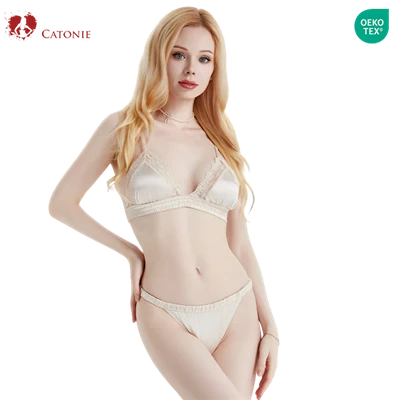
- White and Ivory: These colors symbolize purity, innocence, and tranquility. They are the quintessential choice for bridal lingerie, representing new beginnings. A white cotton nightgown can feel fresh and clean, while an ivory silk chemise exudes a soft, romantic luminescence.
- Red: The color of passion, energy, and desire. Red is a bold, attention-grabbing choice that speaks of confidence and overt sensuality. It is a color that does not whisper; it proclaims.
- Pastels (Pink, Blue, Lavender): Softer hues often suggest romance, femininity, and playfulness. A pale pink satin slip can feel tender and romantic, while a light blue babydoll might evoke a sense of sweet charm.
- Jewel Tones (Emerald, Sapphire, Ruby): Deep, saturated colors like emerald green or sapphire blue convey a sense of luxury, depth, and regal confidence. They offer a rich and sophisticated alternative to black.
Of course, your personal connection to a color trumps any universal symbolism. What color makes you feel most like yourself? The one that brings you joy or confidence is always the right choice.
The Art of Embellishment: Lace, Embroidery, and Appliqué
Embellishments are the poetic flourishes on a lingerie nightgown. They add texture, detail, and a touch of the extraordinary to the garment.
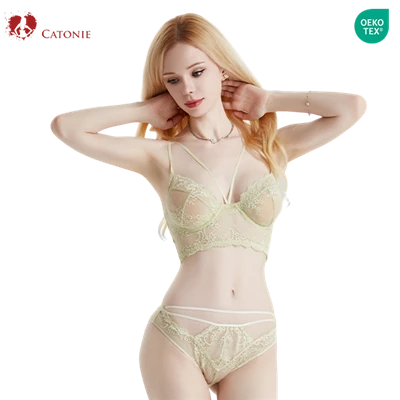
- Lace: As discussed, lace is a primary tool of adornment. It can be used as a delicate trim to soften the edge of a neckline, as an inset panel to create a "peekaboo" effect, or as a full overlay to add intricate texture to a solid fabric. The placement of lace can be used strategically to draw the eye and highlight certain features.
- Embroidery: This involves stitching designs onto the fabric, often with contrasting or metallic threads. Embroidery can range from a simple monogram to elaborate floral motifs. It adds a level of craftsmanship and artistry to a garment, suggesting that it is something special and cared for.
- Appliqué: This technique involves sewing separate pieces of fabric (often lace or satin shapes) onto the surface of the garment. It creates a three-dimensional, textural effect that can be quite dramatic and visually interesting.
- Ribbons and Bows: These simple additions can add a touch of sweetness or provide functional cinching. A satin ribbon tie at the empire waist of a babydoll is both a decorative and a practical element.
When considering embellishments, think about both their visual and tactile qualities. A beautifully embroidered nightgown is not only lovely to look at but also offers a unique texture to the touch.
Prints and Patterns: From Floral to Abstract
While solid colors dominate the world of classic lingerie, prints and patterns offer another avenue for personal expression. Floral prints are a perennial favorite, evoking a sense of romance, nature, and femininity. The scale of the floral can dramatically change its effect, from a delicate, "ditsy" print that feels sweet and vintage to a large, bold botanical that feels modern and artistic. Animal prints, like leopard or snakeskin, suggest a wilder, more primal form of sensuality. Geometric patterns and abstract prints offer a more contemporary and graphic appeal. A lingerie nightgown with a unique print can feel like a wearable piece of art, a departure from the traditional and a statement of individual style.
Factor 5:Occasion and Intent: Choosing a Nightgown with Purpose
A lingerie nightgown is rarely just one thing. It can be a tool for better sleep, a costume for a romantic fantasy, a symbol of a life transition, or even a component of a daytime outfit. The function of the garment, its intended purpose, should be a primary driver in its selection. The piece that is perfect for a cozy night of reading may not be the one you reach for on your honeymoon, and neither might be suitable for layering under a jacket for dinner. By clarifying your intent, you can narrow the vast field of options and find a piece that is not only beautiful but also perfectly suited to its task. This requires an honest assessment of your lifestyle and your desires.
Everyday Comfort: The Pursuit of Tranquil Sleep
For the majority of nights, the primary purpose of a nightgown is to facilitate restful sleep. In this context, comfort reigns supreme. The ideal everyday nightgown should feel like a gentle second skin, allowing for unrestricted movement and optimal temperature regulation. This is where fabrics like high-quality cotton, modal, and TENCEL™ Lyocell truly excel. Their softness and breathability are paramount. Look for styles with simple, non-restrictive silhouettes, such as a loose-fitting chemise or a simple A-line gown. Pay attention to details that could disrupt sleep: avoid scratchy lace, bulky embellishments, or complicated closures. The goal is a garment so comfortable that you forget you are even wearing it, allowing your body and mind to fully relax into slumber.
Romantic Encounters and Special Occasions
When the intention shifts from sleep to seduction, the criteria for the perfect lingerie nightgown change as well. Here, aesthetics and sensory provocation take center stage. This is the domain of silk, satin, sheer mesh, and intricate lace. Styles like the babydoll, with its revealing nature, or a form-fitting silk slip that accentuates the body's curves, are designed to create a visual and tactile experience for both the wearer and their partner. Color plays a significant role, with classic choices like black and red signaling a departure from the everyday. Details matter immensely-a plunging neckline, an open back, a thigh-high slit, or the delicate tracery of lace against the skin. These are garments of fantasy and performance, designed to ignite the imagination and enhance moments of intimacy.
Bridal Lingerie: Symbolism and Celebration
Bridal lingerie occupies a special, ritualistic space. It encompasses the garments worn on the wedding night and honeymoon, and it is imbued with powerful symbolism. Traditionally, white and ivory are the colors of choice, representing purity, new beginnings, and celebration. The fabrics are typically luxurious-silk, satin, and the finest lace-to mark the significance of the occasion. A bride might choose a glamorous full-length silk gown and robe set for a feeling of timeless elegance, or a playful white lace babydoll for a more modern and flirtatious feel. Bridal lingerie is often considered a trousseau, a collection of special pieces to begin a new chapter. It is an investment in garments that will forever be associated with a momentous life event.
Loungewear as Outerwear: The Evolving Function of the Nightgown
The line between sleepwear, loungewear, and ready-to-wear has become increasingly blurred, and the lingerie nightgown is at the forefront of this trend. The slip dress is the most obvious example. A simple silk or satin slip, once confined to the bedroom, is now a staple of minimalist-chic fashion, easily styled with a knit sweater, a leather jacket, or a tailored blazer. Even a lace-trimmed chemise or camisole can be worn peeking out from under a blouse or jacket, adding a touch of boudoir elegance to a daytime or evening look. This evolution speaks to a modern desire for versatile, comfortable, and beautiful clothing. When selecting a lingerie nightgown with this dual purpose in mind, consider the opacity of the fabric and the simplicity of the silhouette. A piece that can move seamlessly from the home to the outside world offers exceptional value and style.
Factor 6:Caring for Your Garments: Preserving Beauty and Longevity
Investing in a beautiful lingerie nightgown is only the first step; proper care is what ensures its beauty and comfort will last. Delicate fabrics like silk and lace are not as forgiving as denim or cotton jersey. They have specific needs, and understanding how to meet those needs is essential for protecting your investment. The act of caring for these garments can itself become a mindful ritual, a moment of appreciation for the craftsmanship and materials. With a few simple techniques, you can keep your favorite pieces looking and feeling luxurious for years to come.
The Gentle Art of Handwashing
For the most delicate lingerie nightgowns-especially those made of silk or featuring intricate lace or embroidery-handwashing is always the recommended method. It may seem daunting, but the process is quite simple and gentle.
- Prepare the Basin: Fill a clean sink or basin with cool or lukewarm water. Hot water can damage delicate fibers like silk and elastic.
- Add a pH-Neutral Detergent: Choose a gentle detergent specifically designed for delicates. Avoid harsh chemicals, bleach, and fabric softeners, which can break down the fibers and degrade the fabric's natural luster and softness.
- Submerge and Soak: Submerge the garment in the soapy water and gently agitate it with your hands. Allow it to soak for up to 30 minutes. For heavily soiled areas, you can gently rub the fabric against itself.
- Rinse Thoroughly: Drain the soapy water and rinse the garment under cool, running water until all suds are gone. Be gentle and avoid aggressive wringing or twisting, which can stretch and damage the fibers.
- Remove Excess Water: Gently squeeze the water out of the garment. For a more effective method, lay the nightgown flat on a clean, dry towel. Roll the towel up with the garment inside, and press gently to absorb the excess moisture.
This gentle process prevents the snagging, stretching, and heat damage that can occur in a washing machine.
Machine Washing Delicates: A Guide
While handwashing is ideal, some more robust lingerie nightgowns, such as those made from modal, cotton, or durable synthetics, can be machine washed with care.
- Use a Mesh Lingerie Bag: This is the most important step. A mesh bag protects the garment from snagging on the machine's drum or getting tangled with other items. It also prevents delicate straps from stretching.
- Select the Right Cycle: Use the "delicate," "hand wash," or "gentle" cycle on your machine. These cycles use a lower spin speed and a gentle agitation to minimize stress on the fabric.
- Wash with Cold Water: Always use cold water for delicates. It is less likely to cause shrinking, fading, or damage to elastic fibers.
- Wash with Similar Items: Wash your lingerie with other lightweight, delicate items. Avoid washing it with heavy items like towels or jeans, which can be abrasive.
When in doubt, always check the garment's care label. The manufacturer's instructions provide the safest guide for cleaning. For businesses looking to produce durable yet elegant apparel, partnering with a manufacturer that understands these material nuances is key. Services like custom underwear design can help ensure that the final product is not only beautiful but also built to last with proper care.
Drying and Storing Your Lingerie Nightgowns
How you dry your lingerie is just as important as how you wash it. The heat of a conventional tumble dryer is the number one enemy of delicate fabrics and elastic. It can cause shrinking, warping, and a breakdown of the fibers, leading to a permanent loss of shape and softness.
- Air-Dry Only: The best method is to air-dry your lingerie nightgowns. You can either lay them flat on a clean, dry towel or use a padded hanger. Laying them flat is often preferable for knit items to prevent stretching.
- Avoid Direct Sunlight: Dry your garments away from direct sunlight or direct heat, as this can cause colors to fade and can damage delicate fibers like silk.
Proper storage is the final step in preserving your lingerie. Store your nightgowns in a dedicated drawer or an area of your closet where they will not be crushed by heavier items. Using drawer dividers can help keep them organized and prevent snagging. For very special pieces, like a silk bridal gown, you might consider storing it in a breathable garment bag.

Factor 7:The Ethical and Sustainable Choice: Conscious Consumption in Lingerie
In 2025, the conversation around fashion has irrevocably shifted to include not only aesthetics and quality but also ethics and sustainability. The choices we make as consumers have a ripple effect, touching the lives of garment workers and the health of our planet. The world of intimate apparel, with its complex supply chains and reliance on both natural and synthetic materials, is a critical area for this conscious reflection. Choosing a lingerie nightgown is no longer just a personal decision; it is a statement of our values. It is an opportunity to support practices that are kind to both people and the environment.
Tracing the Supply Chain: From Fiber to Factory
The journey of a lingerie nightgown from raw material to finished product is often long and opaque. A cotton gown begins in a field, a silk chemise with a silkworm, and a polyester satin slip with petroleum. These raw materials are processed, spun into yarn, woven or knit into fabric, dyed, and finally cut and sewn in a factory. At each stage, there are potential environmental and human costs. For example, conventional cotton farming is notoriously water-intensive and often relies on pesticides (Kalliala, 2022). The dyeing process can release harmful chemicals into waterways if not properly managed.
Furthermore, the conditions for garment workers in many parts of the world remain a serious concern. The push for fast fashion and low prices can lead to factories where workers face low wages, long hours, and unsafe conditions. As a consumer, asking questions about where and how a garment is made is a powerful act. Brands that are transparent about their supply chain and can provide information about their factories are demonstrating a commitment to accountability. Sourcing platforms like show the global scale of production, highlighting the thousands of factories involved and underscoring the importance of choosing partners wisely.
The Rise of Sustainable and Recycled Materials
In response to these challenges, the textile industry has seen a surge in innovation focused on sustainability. When shopping for a lingerie nightgown, look for these more conscious options:
- Organic Cotton: Grown without synthetic pesticides and with farming methods that build soil health and conserve water.
- Recycled Polyester and Nylon: These fabrics are made from post-consumer waste, such as plastic bottles or old fishing nets. This diverts waste from landfills and reduces the need for virgin petroleum, significantly lowering the carbon footprint of the material.
- TENCEL™ Lyocell and Modal: As mentioned earlier, these fibers are derived from sustainably managed forests and are produced in a closed-loop system that minimizes waste and chemical runoff. They offer a luxurious feel with a much smaller environmental impact than many conventional materials.
- Natural Dyes: Some brands are exploring the use of plant-based and other natural dyes, which avoid the harsh chemicals associated with conventional dyeing.
By choosing garments made from these materials, you are directly supporting a shift toward a more circular and less extractive fashion industry.
Supporting Brands with Ethical Production Practices
Beyond materials, the ethics of production are paramount. This involves ensuring that the people who make our clothes are treated with dignity and fairness. Look for brands that can speak to their relationship with their manufacturing partners. Certifications can be a helpful, though imperfect, guide. Look for standards like Fair Trade, which ensures fair wages and community development, or SA8000, which is a social accountability standard for decent working conditions.
Small, independent brands and those that produce locally often have shorter, more transparent supply chains, making it easier to verify their practices. Moreover, the rise of on-demand and custom manufacturing offers a powerful alternative to the mass-production model. Companies that offer OEM/ODM services, allowing brands to create their own custom swimsuits or lingerie lines, play a role in this shift by enabling more direct oversight of the production process. This move toward smaller, more intentional production runs helps reduce waste and fosters a closer connection between the brand, the maker, and the consumer. Choosing to support brands that prioritize ethical production is an investment in a more just and humane fashion system.
Frequently Asked Questions (FAQ)
What is the difference between a chemise and a babydoll?
A chemise is typically a simple, straight-hanging, sleeveless garment that falls to the mid-thigh or knee, often cut on the bias for a fluid drape. A babydoll is much shorter, featuring an empire waist that sits just below the bust and a loose, flared skirt, creating a more playful and revealing silhouette.
Which fabric is best for lingerie nightgowns if I get hot when I sleep?
If you tend to sleep hot, prioritize breathable, moisture-wicking natural or semi-synthetic fabrics. Modal, TENCEL™ Lyocell, silk, and high-quality lightweight cotton are all excellent choices. Avoid synthetic fabrics like polyester satin, which can trap heat and moisture.
How do I choose the right size lingerie nightgown online?
Always start by taking your bust, underbust, waist, and hip measurements. Compare these numbers to the specific size chart provided by the brand, as sizing is not standardized. Pay close attention to styles that offer separate cup and band sizing if you need more bust support, and look for adjustable straps and closures for a more customized fit.
Can I wear a lingerie nightgown as a regular dress?
Yes, this is a very popular trend. Slip-style lingerie nightgowns, especially those made from opaque silk or satin, are frequently worn as outerwear. You can layer them under a blazer, over a t-shirt, or with a chunky knit sweater. Choose simpler styles without excessive lace or transparency for the most versatile look.
What is the best way to wash a silk nightgown to make it last?
The best method is to hand wash your silk nightgown in cool water with a pH-neutral detergent specifically designed for delicates. Gently agitate the water, let it soak for a few minutes, and rinse thoroughly without wringing. To dry, gently press out excess water and lay it flat on a towel or hang it on a padded hanger away from direct sunlight. Never put silk in a machine dryer.
What is the difference between a teddy and a bodysuit?
While both are one-piece garments, a teddy is generally considered lingerie or sleepwear. It is typically made of softer, more delicate materials like silk or lace and has a looser, more comfortable fit. A bodysuit is often more structured, made from stretchier, more supportive fabrics, and is designed to be worn as a layering piece or on its own as a top.
Are expensive lingerie nightgowns worth the price?
The value of an expensive lingerie nightgown often lies in the quality of the materials and the craftsmanship. A piece made from genuine silk with handmade lace will have a superior feel, drape, and longevity compared to a mass-produced polyester version. If comfort, fit, and durability are your priorities, investing in a higher-quality piece can be well worth it.
Conclusion
The journey to finding the perfect lingerie nightgown is a deeply personal one, weaving together considerations of the material, the form, and the spirit. It is an exploration that invites us to understand the language of fabrics, to appreciate the narrative power of different styles, and to engage with the precise, honest reality of our own bodies. A nightgown is more than a garment for sleeping; it is a space for self-expression, a tool for comfort, and a medium for intimacy. By approaching the selection process with knowledge and intention-considering everything from the breathability of modal to the symbolism of a white lace trim-we elevate the choice from a simple purchase to a meaningful act of self-care. In a world that constantly demands our attention and energy, the simple luxury of a beautiful, comfortable nightgown is a quiet reclamation of personal space and a celebration of our own private sense of self.
References
Kalliala, E. (2022). Textile innovations: A review of sustainable and functional materials. Journal of Textile Design and Technology, 40(2), 112-128.
Koul, A. (2022). The dermatological benefits of silk protein fiber in sleepwear. International Journal of Cosmetic Science, 44(3), 257-265.
Tisseron, F. (2017). Modal and lyocell: A study of semi-synthetic cellulosic fibers. Textile Research Journal, 87(10), 1205-1215.
Alibaba. (n.d.). Lingerie manufacturers and suppliers. Retrieved May 15, 2025, from
Catriona. (n.d.). Bodas luxury everyday lingerie. Retrieved May 15, 2025, from
Catriona. (n.d.). Bordelle luxury designer lingerie. Retrieved May 15, 2025, from https://catriona.com/collections/bordelle
Kat the Label. (n.d.). Australian lingerie | Boutique intimates shop. Retrieved May 15, 2025, from
Made-in-China.com. (n.d.). Sexy cat lingerie factory. Retrieved May 15, 2025, from