Abstract
This article examines the selection and function of intimate apparel designed to smooth and support the midsection. It offers a comprehensive exploration of seven specific styles of lingerie that hides stomach, moving beyond simple recommendations to provide a deeper understanding of garment construction, material science, and the psychological dimensions of wearing supportive clothing. The analysis covers high-waisted briefs, bodysuits, babydolls, corsets, shaping camisoles, waist cinchers, and control slips. Each style is evaluated based on its mechanism of action, ideal use cases, and material composition. The discussion integrates perspectives from fashion history, textile science, and psychology to contextualize the role of such garments in fostering bodily confidence and personal expression. It argues that the most effective choices are those that align not only with the wearer's physical needs but also with their aesthetic preferences and emotional well-being, reframing the conversation from one of concealment to one of strategic enhancement and comfort. The piece serves as a detailed guide for consumers navigating the market for shaping lingerie in 2025.
Key Takeaways
Understand fabric science to choose between smoothing microfiber and firm powernet.
High-waisted briefs offer versatile, everyday support for the lower abdomen.
Bodysuits provide seamless, all-in-one shaping for a polished silhouette.
Babydolls and peplum styles use flowing fabric to gracefully skim the midsection.
Select the right lingerie that hides stomach to enhance your confidence.
Corsets deliver dramatic, structured shaping for special occasions.
Proper care, including gentle washing, extends the life of your shaping garments.
The Intersection of Confidence, Comfort, and Aesthetics
The relationship between an individual and their clothing is profoundly intimate, a silent dialogue that occurs daily. Lingerie, as the layer closest to the skin, occupies a unique position in this dialogue. It is both a private comfort and a foundational element of our public presentation. The search for lingerie that hides stomach is not merely a practical quest for a specific type of garment. It reflects a deeper human desire for confidence, for feeling secure and poised in one's own body. The objective is to navigate the world with a sense of self-assurance, where one's inner state is not troubled by concerns over the fit or appearance of clothing. The garments we choose can become tools, not of concealment born from shame, but of empowerment born from self-knowledge. They allow us to present ourselves to the world on our own terms, with comfort as a non-negotiable baseline.
Deconstructing the Desire for "Tummy Hiding" Lingerie
The very phrase "hiding the tummy" warrants a careful examination. It can suggest a need to conceal a part of oneself deemed imperfect. Yet, we can reframe this impulse. Consider an architect designing a building. The architect uses structural supports, facades, and interior layouts not to "hide" the building's core functions but to enhance its form, improve its utility, and create a beautiful, cohesive whole. Similarly, selecting lingerie that smooths the midsection can be viewed as a strategic choice to create a desired silhouette. It is about creating a smooth canvas upon which fashion can be displayed to its best effect.
Many factors contribute to a person's focus on their midsection. Postural habits, life events like childbirth, or natural body typology can all influence how this area looks and feels. The desire for lingerie that hides stomach is a practical response to these realities. It is a request for a tool that helps clothing drape more elegantly, that provides gentle support throughout a long day, or that offers a feeling of being "held" and secure. A well-chosen piece of shaping lingerie does not erase the body; it collaborates with it. It works with the body's natural curves, providing gentle shaping to create a line that feels both comfortable and aesthetically pleasing to the wearer. The goal shifts from hiding a perceived flaw to celebrating and supporting the body as it is.
A Psychological Perspective on Body Image and Clothing
The field of psychology offers valuable insights into why our clothing choices affect us so deeply. The concept of "enclothed cognition" proposes that the symbolic meaning of clothes, combined with the physical experience of wearing them, can influence our cognitive processes and emotional state (Adam & Galinsky, 2012). When a person wears a garment they perceive as powerful or elegant, they may find themselves embodying those qualities. A piece of lingerie that offers a secure, smoothed feeling around the midsection can translate into a tangible increase in self-confidence.
The sensation of the fabric, the gentle compression, the way an outer garment then falls perfectly into place-these are not trivial experiences. They are sensory inputs that can reduce anxiety about one's appearance, freeing up mental and emotional resources. Instead of fidgeting with a waistband or feeling self-conscious about a dress clinging in a particular way, the mind is at ease. This mental freedom allows for greater presence in social interactions, improved focus at work, and a more joyful engagement with the world. The right lingerie that hides stomach, therefore, is not just about a physical outcome. It is about fostering a positive psychological state, a feeling of being put-together from the inside out. It becomes a form of self-care, a deliberate choice to provide oneself with a foundation of comfort and confidence.
The Evolution of Supportive Garments: From Restriction to Empowerment
To fully appreciate modern shaping lingerie, it helps to understand its lineage. Historically, foundation garments were often instruments of restriction. The whalebone corsets of the Victorian era, for example, were designed to forcibly mold the body into a highly specific, often unnatural, ideal shape. They prioritized a rigid aesthetic over the wearer's comfort or even health. The story of supportive garments is one of a slow, steady evolution away from such restrictive ideals toward a philosophy of empowerment.
The 20th century saw the introduction of new, elastic materials like latex and later, spandex (Lycra). These innovations revolutionized the industry. Girdles of the mid-century offered shaping with a degree of flexibility previously unimaginable. The fitness boom of the late 20th century further normalized the presence of stretch fabrics in everyday life. Today, in 2025, we are the beneficiaries of these advancements. Modern lingerie that hides stomach is a marvel of textile engineering. It uses lightweight, breathable, powerful fabrics that move with the body. The focus is no longer on forcing a particular shape but on smoothing, supporting, and enhancing the body's natural form. The design philosophy has shifted from correction to collaboration. The modern woman seeks a garment that feels like a supportive friend, not a rigid disciplinarian.
Understanding Fabric and Construction: The Science of Shaping
The effectiveness of any piece of lingerie that hides stomach lies in the sophisticated interplay of fabric and construction. It is a field where textile science meets engineering, all in service of the human form. A beautiful lace overlay might catch the eye, but the true workhorse is often the hidden technical fabric beneath. Understanding these materials and how they are pieced together demystifies how shapewear functions, empowering you to make choices based on performance, not just appearance. It is the difference between buying a garment that looks promising on the hanger and one that truly delivers on its promise when worn.
Material Matters: A Deep Dive into Shaping Fabrics
The world of shaping fabrics is rich with innovation. The key players are synthetic fibers prized for their unique properties of stretch, recovery, and strength. The percentage of each fiber in a blend determines the garment's character-its level of control, its feel against the skin, its breathability.
Spandex, widely known by the brand name Lycra, is the hero of shapewear. Its defining characteristic is exceptional elasticity; it can be stretched repeatedly and will return to its original size. A higher percentage of spandex (typically 20-50% in a blend) signifies a higher level of control or compression. Nylon is spandex's frequent partner. It is a strong, lightweight, and smooth fiber, which allows outer clothes to glide over it without clinging. It is also durable and easy to care for. Polyester is another common component, known for its resilience and moisture-wicking properties.
Powernet, or powermesh, is not a fiber but a type of knit construction. It is a firm, open-net fabric that provides excellent compression and breathability simultaneously. You will often find powernet used in the targeted control panels of high-compression garments. In contrast, microfiber fabrics, typically made from finely spun nylon or polyester yarns, offer a softer, smoother feel for light to medium control. They feel luxurious against the skin and are excellent for everyday smoothing. Some lingerie also incorporates natural fibers like cotton or modal into the blend, particularly in the gusset or for garments focused more on comfort than on high-level shaping.
|
Fabric Type |
Primary Fibers |
Control Level |
Feel & Function |
Best For |
|
Microfiber Knit |
Nylon, Polyester, Spandex |
Light to Medium |
Very soft, smooth, seamless feel. Excellent for everyday wear. |
Light smoothing under t-shirts, dresses, and everyday outfits. |
|
Powernet/Powermesh |
Nylon, Spandex |
Firm to Extra-Firm |
Strong, supportive, net-like structure. Offers significant compression. |
Targeted shaping in bodysuits and waist cinchers; structured control. |
|
Satin with Stretch |
Polyester/Nylon, Spandex |
Light to Medium |
Smooth, lustrous surface. Outer garments glide over easily. |
Slips and bodysuits where an elegant finish is desired. |
|
Lace with Spandex |
Nylon, Spandex |
Light |
Decorative with gentle shaping. Often used as an overlay. |
Adding a touch of beauty to functional pieces like high-waisted briefs. |
|
Cotton/Modal Blend |
Cotton, Modal, Spandex |
Very Light |
Extremely soft, breathable, absorbent. Focus on comfort. |
Everyday briefs or camisoles with minimal shaping intention. |
The Role of Seams, Panels, and Boning in Sculpting the Silhouette
Fabric alone does not create shape; construction is its essential partner. The placement of seams and the use of specialized panels are what direct the fabric's power. Imagine a team of engineers building a suspension bridge; the cables (fabric) have inherent strength, but it is the tower placement and anchoring (seams and panels) that create the bridge's form and function.
In lingerie that hides stomach, you will often find strategically placed panels of a stronger material, like powernet, over the abdomen. These panels provide targeted compression exactly where it is desired, while the rest of the garment might be made of a softer, more flexible fabric for comfort. Seams are not just for holding pieces together. Contoured seams that curve with the body can provide shaping and lift. For example, seams that angle inward at the waist can create the illusion of a more defined waistline. Conversely, seamless construction, created on a circular knitting machine, is the goal for garments intended to be invisible under close-fitting clothes.
Boning is a more traditional shaping tool that still has a place in modern lingerie. Unlike the rigid whalebone of the past, today's boning is typically made from flexible spiral steel or plastic. It is used in corsets, bustiers, and some high-waisted shapers. Its purpose is not primarily compression, but structure. Boning prevents the garment from rolling down or bunching at the waist, ensuring it stays in place and maintains its vertical length. It acts as a flexible internal frame for the garment.
Breathability and Wearability: Balancing Control with Comfort
A shaping garment is only effective if you are willing to wear it. The most powerful piece of lingerie is useless if it sits in a drawer because it is too hot, too restrictive, or too difficult to put on. This is why breathability and overall wearability are paramount considerations for designers. The choice of lingerie that hides stomach should never be a choice between looking good and feeling good.
Breathability is largely a function of fabric and knit. Open-knit structures like mesh and lace are inherently more breathable than dense, solid knits. Many modern technical fabrics are also engineered with moisture-wicking properties. They pull perspiration away from the skin and allow it to evaporate from the surface of the fabric, keeping the wearer dry and comfortable. Look for these features, especially if you plan to wear your shaping lingerie in warmer weather or for long periods.
Wearability also encompasses ease of use. Does the bodysuit have a convenient hook-and-eye closure at the gusset? Do the straps on the camisole adjust? Is the high-waisted brief designed with a silicone gripper at the waistband to prevent it from rolling down? These small, thoughtful details can make a world of difference in the daily experience of wearing a garment. They are signs of a well-designed piece of lingerie that has been created with the real-life needs of the wearer in mind.
Style 1: The High-Waisted Brief - A Foundation of Elegance
The high-waisted brief is perhaps the most versatile and approachable style of lingerie that hides stomach. It is the unsung hero of the lingerie drawer, a piece that combines everyday practicality with a touch of retro elegance. Its design is simple yet ingenious: it extends upwards from the leg line to sit at or above the natural waist, enveloping the lower abdomen in a smooth, supportive embrace. Unlike more intensive shapewear, the high-waisted brief does not seek to dramatically alter the figure. Instead, it refines it. It smooths, it contains, and it creates a clean, uninterrupted line from the hip to the waist, making it an ideal foundation for a vast array of outfits. Its beauty lies in its subtlety and its unwavering reliability.
The Anatomy of a Perfect High-Waisted Brief
What elevates a simple high-waisted panty into a truly effective piece of shaping lingerie? The answer is found in a combination of cut, fabric, and finishing details. The "rise" of the brief is the first consideration. Some styles sit directly at the navel, offering gentle support for the lower tummy pooch. Others extend higher, to the natural waist, providing more comprehensive smoothing for the entire abdomen. The choice depends on your specific body shape and the area you wish to address.
The fabric is the engine of the brief. For light, everyday smoothing, a seamless microfiber knit with a moderate spandex content is ideal. It feels like a second skin and will be invisible under most clothing. For days when you want a bit more support, look for briefs that incorporate a discreet inner front panel made of powernet or a similar compression fabric. This provides targeted control without adding bulk. The leg openings are also important. A laser-cut or bonded edge will lie flat against the skin and prevent the dreaded visible panty line (VPL). At the top, a comfortable, wide waistband is preferable to a thin elastic band, which can dig in and create a "muffin top" effect. The best designs feature a silicone gripper strip along the inside of the waistband to ensure the brief stays securely in place all day, without rolling or slipping.
Levels of Control: From Light Smoothing to Firm Sculpting
High-waisted briefs are not a one-size-fits-all solution in terms of power. They exist on a spectrum of control, allowing you to tailor your choice to the occasion and your comfort level.
Light Control: These are your daily drivers. They are often made of soft, stretchy microfiber or cotton blends with just enough spandex to provide a gentle "hugging" sensation. They are not about compression but about smoothing. They tame the lower belly, smooth over the hips, and create a sleek canvas for jeans, trousers, and casual dresses. They are the perfect introduction to the world of shaping lingerie that hides stomach.
Medium Control: These briefs offer a noticeable step up in shaping power. They typically feature zoned compression, with a reinforced front panel to provide more focused support for the abdomen. The overall fabric will have a higher spandex content. They are excellent for wearing under more fitted garments like pencil skirts or tailored dresses, where a smooth, controlled line is essential. They offer a balance of effective shaping and all-day comfort.
Firm Control: While less common in a simple brief format, firm control options do exist. These are for special occasions when you want maximum shaping from a minimalist garment. They are constructed from powerful fabrics like dense powernet and may feature seaming to provide structure. They offer significant tummy control but are generally less comfortable for extended, all-day wear compared to their light and medium counterparts.
Styling High-Waisted Briefs for Everyday Confidence
The true strength of the high-waisted brief is its adaptability. It is a foundational piece that works in harmony with your wardrobe. For a casual look with high-waisted jeans or trousers, a seamless microfiber brief is the perfect partner. It ensures a smooth line at the waist, preventing any fabric from bunching or showing through. The gentle support it offers can also make you feel more "tucked in" and secure.
When wearing a fitted knit dress or a pencil skirt, a medium-control brief is an excellent choice. It will smooth the tummy and hips, allowing the fabric of the dress to drape beautifully without clinging to any bumps or lines. It eliminates concerns about visible panty lines, giving you the freedom to move with confidence.
Beyond their functional benefits, high-waisted briefs possess a certain aesthetic charm. The silhouette is reminiscent of 1950s pin-up style, offering a sense of classic femininity. Pairing a high-waisted brief with a matching bra creates a cohesive and elegant lingerie set that can be a personal source of pleasure and confidence, even if no one else sees it. It is a small act of creating a polished foundation that can have a significant positive impact on how you feel throughout the day.

Style 2: The Bodysuit - A Seamless Second Skin
The bodysuit is a masterpiece of lingerie design, a single, elegant garment that addresses the entire torso. It combines the functions of a bra, a camisole, and a shaper into one cohesive piece. Its continuous nature is its greatest strength. By connecting the upper and lower torso, it eliminates the possibility of rolling waistbands or gaps between garments, creating an unparalleled smooth and seamless line. A well-designed bodysuit feels like a second skin, moving with you and providing 360-degree shaping from the bust down to the hips. It is the ultimate solution for anyone seeking a polished, "tucked-in" look, making it a particularly effective style of lingerie that hides stomach while also shaping the waist and back.
Bodysuits vs. Teddies: Clarifying the Distinction
In the world of lingerie, the terms "bodysuit" and "teddy" are sometimes used interchangeably, but they serve fundamentally different purposes. Understanding the distinction is key to selecting the right garment.
A teddy is primarily a piece of fashion lingerie. It is typically made from delicate, non-shaping materials like sheer lace, silk, or chiffon. Its design prioritizes aesthetics and allure over function. While it covers the torso in one piece, it offers little to no support or shaping. The bottom part is often loose and blousy, similar to tap pants. A teddy is for the bedroom.
A shaping bodysuit, on the other hand, is a functional garment at its core, though modern designs are often exquisitely beautiful. It is constructed from technical fabrics like microfiber, powernet, and high-spandex blends. Its purpose is to smooth, shape, and support. The bottom part is designed like a brief or thong and fits snugly. The entire garment is engineered to provide control. A bodysuit is for wearing out in the world, under your clothes, as a foundational piece. While many bodysuits are attractive enough to be considered Erotic lingerie, their primary role is rooted in functional shaping.
|
Feature |
Shaping Bodysuit |
Teddy |
|
Primary Purpose |
To smooth, shape, and support the torso. |
To be worn as fashion/boudoir lingerie for aesthetic appeal. |
|
Fabric |
Technical fabrics: Powernet, microfiber, high-spandex blends. |
Delicate fabrics: Silk, satin, sheer lace, chiffon. |
|
Level of Control |
Light to Extra-Firm. |
None. Fabric is typically loose and non-compressive. |
|
Bottom Style |
Fitted brief, thong, or boyshort cut. |
Often loose, blousy, or like tap pants. |
|
Bra Support |
Can have underwire, molded cups, or a "wear your own bra" design. |
Typically has soft, unstructured cups or no bust support. |
|
Typical Use |
As a foundation garment under clothing for a smooth silhouette. |
As a standalone piece for intimate moments. |
The Functional Artistry of Compression Bodysuits
A compression bodysuit is a marvel of textile engineering. It is designed with "zoned compression," a concept where different parts of the garment exert different levels of pressure. The front abdominal panel will typically be made from the firmest, most powerful fabric to provide maximum tummy control. The sides might have medium compression to shape the waist, while the back panel could be designed to smooth back fat without flattening the rear. The bust area is another zone of specialization.
There are three main bust styles in bodysuits:
1. Underwire/Molded Cup Bodysuits: These have a fully constructed bra built into the garment. They offer the best of both worlds: bust support and shaping in one piece. They are ideal for those who want a complete, all-in-one solution.
2. Soft Cup/Shelf Bra Bodysuits: These provide light bust support without underwires. They are comfortable and offer a more natural bust shape, suitable for those who do not require significant lift or separation.
3. Wear-Your-Own-Bra (WYOB) Bodysuits: These designs feature an open bust, coming up to just under the bra line. The advantage of a WYOB bodysuit is that it allows you to pair the torso shaping with your own favorite, best-fitting bra. This is an excellent option for women with hard-to-fit bra sizes or those who need a very specific type of bust support that a built-in bra might not offer.
The best bodysuits also feature a hook-and-eye or snap closure at the gusset, a small but significant detail that allows for easy bathroom breaks without having to remove the entire garment.
Choosing the Right Bodysuit for Your Torso Length and Outfit
Fit is everything with a bodysuit. A bodysuit that is too short in the torso will pull down on the shoulders and feel uncomfortable, while one that is too long will bunch and wrinkle. Many brands are now offering bodysuits in different torso lengths, or with adjustable straps and gussets, to accommodate a wider range of body types. When trying on a bodysuit, you should be able to stand up straight without feeling any downward pull on your shoulders or upward pull from the gusset.
The style of the bodysuit should also be chosen with your wardrobe in mind. A bodysuit with a thong back is perfect for wearing under fitted pants or dresses where you want to avoid any panty lines. A brief-back bodysuit offers more coverage and can provide some shaping for the rear. The neckline is another consideration. A scoop neck or V-neck bodysuit can be worn under a variety of tops, while a high-neck bodysuit can be a layering piece in its own right, peeking out from under a blazer or cardigan. For strapless or off-the-shoulder outfits, a strapless bodysuit with a secure, non-slip band is the perfect piece of lingerie that hides stomach while providing a completely invisible foundation.
Style 3: The Babydoll and Peplum Chemise - Flattering with Flow
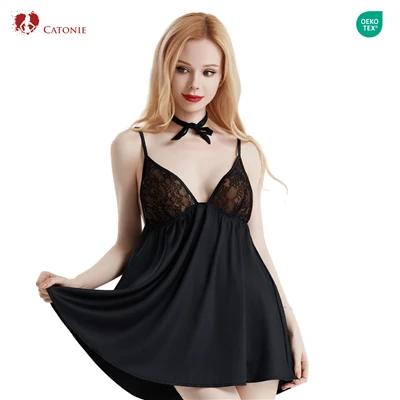
Not all lingerie that hides stomach relies on compression. An entirely different approach to flattering the midsection is through clever design and the strategic use of flowing fabric. The babydoll and the peplum chemise are prime examples of this philosophy. These styles do not seek to contain or reshape the tummy; they gracefully skim over it. They work by drawing attention upward toward the bust and shoulders, then creating a silhouette that flows loosely over the waist and hips. It is a method of flattery through misdirection and elegant draping, offering a solution that is comfortable, romantic, and undeniably feminine. These garments are less about creating a firm foundation for tight clothing and more about being beautiful, comfortable pieces in their own right.
The Empire Waist: A Timeless Trick for Flattery
The secret to both the babydoll and many chemises is the Empire waist. An Empire waist is a style in which the waistline is fitted just below the bust, from which the rest of the garment flows down. This design has a long and storied history, famously popularized in the late 18th and early 19th centuries during the Regency era. Its enduring appeal lies in its remarkable ability to flatter a wide variety of body types.
By cinching at the slimmest point of the torso for many women-right under the bust-the Empire waist highlights the décolletage and creates a high, elongated waistline. From there, the fabric falls freely, bypassing the natural waist and abdomen entirely. This creates a long, vertical line that can make the wearer appear taller and slimmer. It is a design that is forgiving and comfortable, as it places no pressure on the midsection. In a babydoll or chemise, the Empire waist serves as the launching point for a cascade of beautiful fabric, providing coverage for the tummy without ever clinging to it. It is a celebration of shape through suggestion rather than definition.
Fabric Choices: How Chiffon, Lace, and Silk Create Different Effects
The fabric of a babydoll or peplum chemise is not a passive element; it is an active participant in creating the garment's flattering effect. The choice of material dictates how the piece moves, how it drapes, and the overall mood it evokes.
Sheer fabrics like chiffon, georgette, and fine mesh are classic choices for babydolls. Their lightweight, ethereal quality allows them to float away from the body, creating a soft, romantic silhouette that hints at the form beneath without revealing every detail. The slight transparency adds an element of allure while the flowing cut provides comfortable coverage.
Opaque fabrics like silk, satin, or modal knit offer a different kind of appeal. A silk chemise with an Empire waist will drape with a liquid elegance, its surface catching the light. The weight of the fabric gives it a beautiful "swoosh" as you move. A modal knit, prized for its incredible softness and comfortable stretch, makes for a babydoll that is perfect for lounging and sleeping, combining comfort with a flattering shape.
Lace is often used in combination with these fabrics, typically for the bodice or as a decorative trim along the hem. A lace bodice draws the eye upward, further emphasizing the bust and décolletage, which is the core principle of the Empire waist design. The interplay between the structured pattern of the lace and the fluid drape of the skirt is what gives many of these pieces their visual interest and charm.
The Peplum Detail: A Modern Twist for Structure and Style
The peplum is another design element that masterfully flatters the midsection. A peplum is a short, flared strip of fabric attached at the waist of a garment. In a lingerie context, a peplum chemise or top takes the principle of the babydoll and gives it a slightly more structured, fashion-forward twist.
Like the Empire waist, a peplum works by creating a new focal point. The seam of the peplum typically hits at the natural waist or slightly above it. From there, the flared fabric kicks out, creating a flounce that skims over the lower stomach. This little ruffle adds volume at the hips, which, by contrast, can make the waist appear smaller. It also completely conceals the tummy beneath its flare.
A peplum chemise can feel a bit more modern and playful than a traditional babydoll. It is a style that has crossed over from ready-to-wear fashion into lingerie, bringing a contemporary sensibility with it. It is a perfect choice for someone who wants a piece of lingerie that hides stomach not with compression, but with a confident, stylish flourish. It is flattery achieved through architectural shape rather than simple draping, offering a fun, flirty alternative to other smoothing styles.
Style 4: The Corset and Bustier - Dramatic Shaping with Historical Roots
When the goal is not just to smooth but to dramatically sculpt the torso, we turn to the most powerful and historically significant shaping garments: the corset and the bustier. These pieces represent the pinnacle of structural lingerie. Unlike the soft, flexible control of a bodysuit, a corset uses a combination of rigid boning and tensioned lacing to create a significant and visible change in the silhouette. It cinches the waist, supports the back, and lifts the bust, creating the coveted hourglass figure. The bustier and its cousin, the longline bra, offer a similar, albeit usually less intense, effect. Choosing this type of lingerie that hides stomach is a deliberate act of transformation, a way to embrace a powerful, theatrical femininity for special occasions.
Modern Corsetry: Comfort Meets Classic Structure
The word "corset" can conjure images of fainting ladies and extreme physical restriction. However, the modern corset is a world away from its Victorian ancestor. While the fundamental principles remain the same-boning for structure and lacing for tension-the materials and construction have evolved dramatically to prioritize the wearer's well-being alongside the aesthetic result.
Contemporary corsets, often found as exquisite bridal lingerie, utilize flexible spiral steel boning, which moves with the body, rather than the rigid, flat steel or whalebone of the past. The fabrics are strong yet breathable, often consisting of multiple layers of coutil (a special non-stretch cotton twill) fused together for strength. A quality modern corset will also feature a "modesty panel" of fabric under the laces to prevent them from digging into the skin, and a front busk closure for easier on-and-off.
When properly fitted and seasoned (broken in gradually), a modern corset can be surprisingly comfortable. It provides unparalleled back support, which can improve posture and even alleviate back pain for some wearers. The waist reduction is achieved gradually by tightening the laces over time. It is a powerful piece of lingerie that hides stomach by compressing and redistributing tissue, creating a firm, smooth, and dramatically nipped-in waist. It is the ultimate choice for formal events, bridal wear, or any time you want to make a bold statement with your figure.
Bustiers and Longline Bras: Support from Below
For those who desire a similar shaping effect to a corset but with less intensity and restriction, the bustier and the longline bra are excellent alternatives.
A bustier is essentially a long, structured bra that extends down to the waist or the top of the hips. It incorporates boning, but typically less of it and of a more flexible plastic variety than a full corset. Its primary function is to lift and support the bust while also smoothing and cinching the waist and upper abdomen. A bustier offers a beautiful hourglass shape and excellent bust support, making it a popular choice for wearing under strapless gowns and formal dresses. It provides a seamless, sculpted line from bust to waist.
A longline bra is the bustier's shorter cousin. It extends down to the bottom of the ribcage, a few inches longer than a standard bra band. That extra length provides significantly more stability and support than a traditional bra. The wide band helps to anchor the bra, preventing it from riding up, and it also has the benefit of smoothing the upper back and the area just below the bust. For women with larger busts, a longline bra can be a revelation in terms of comfort and support. While its tummy-shaping effect is minimal compared to a bustier or corset, it contributes to a smoother overall torso appearance by creating a solid, supportive foundation up top.
When to Choose a Corset for Maximum Impact
A corset is a special-occasion garment. It is not intended for everyday wear in the way a high-waisted brief is. The decision to wear a corset is a decision to fully commit to a particular silhouette. It is the perfect choice for a wedding day, a black-tie gala, a costume event, or a boudoir photoshoot. Under a voluminous ball gown or a structured A-line dress, a corset creates the ideal foundation, ensuring the dress hangs perfectly and the waist is sharply defined.
Wearing a corset requires a bit of preparation. It should be "seasoned" by wearing it for short periods at a time with the laces moderately tightened, allowing the garment and your body to adjust to each other. It is also important to choose the right size and shape for your body. A well-fitted corset should feel like a firm, secure hug, not a painful vise. When worn correctly, a corset is the most transformative piece of lingerie that hides stomach, offering a level of shaping and a sense of drama that no other garment can match. It is a celebration of a classic, powerful form of femininity.
Style 5: The Shaping Camisole - Versatile and Discreet
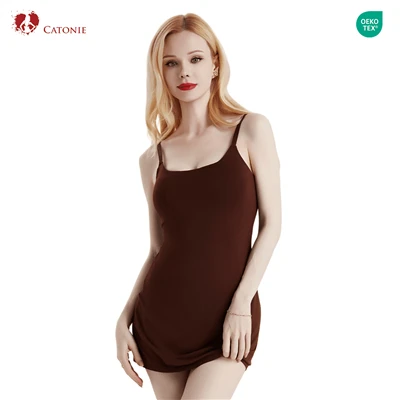
The shaping camisole is the workhorse of the shaping lingerie world. It is a simple, unassuming garment that packs a surprising amount of functional power. In essence, it is a tank top engineered with shaping technology. Its versatility is its greatest asset. It can be worn as a discreet base layer under almost any top, or in some cases, as a standalone top itself. It offers 360-degree smoothing for the entire torso, addressing the tummy, waist, and back in one easy piece. For those who prefer the feel of a top to that of a bodysuit or brief, the shaping camisole is the ideal style of lingerie that hides stomach, providing a comfortable, confident foundation for a wide range of daily outfits.
The Everyday Hero: Integrating Shaping Camisoles into Your Wardrobe
The beauty of the shaping camisole lies in its seamless integration into an existing wardrobe. Think of it as an upgrade to your standard cotton cami. On a typical workday, wearing a shaping camisole under a blouse or a fine-knit sweater can make all the difference. It smooths the midsection, preventing the fabric of your top from clinging, and it also smooths the back, eliminating any lines from your bra band. The result is a more polished, put-together appearance, achieved with minimal effort.
For casual wear, a shaping camisole can be worn under a simple t-shirt to create a sleeker line. It can also provide a welcome layer of warmth in cooler months. Some shaping camisoles are designed with pretty lace trim or elegant necklines, making them suitable to be worn as part of a layered look, peeking out from under a jacket or a low-cut top. This dual function as both shapewear and a fashion piece makes the shaping camisole an incredibly efficient and valuable addition to any closet. It is a simple swap that can elevate the look and feel of your everyday outfits.
Built-in Bras vs. Wear-Your-Own-Bra Styles
Like bodysuits, shaping camisoles come in two main configurations regarding bust support, and the choice between them is a matter of personal preference and need.
Built-in Bra Camisoles: These camisoles feature either a simple shelf bra (a fabric band with elastic) for light support or fully constructed underwire or molded cups for more significant lift and shaping. A camisole with a built-in bra is a convenient all-in-one solution. It eliminates the need for a separate bra, reducing the number of layers and straps you have to deal with. This can be particularly comfortable in warmer weather. It is a great option for those with an average cup size who find the built-in support sufficient.
Wear-Your-Own-Bra (WYOB) Camisoles: These are often called "torsettes." They have an open bust design, with the fabric coming up to just underneath the bra. The camisole's straps typically sit alongside your bra straps. The primary advantage of the WYOB style is customization. It allows you to get the torso-smoothing benefits of the camisole while still wearing your own perfectly fitted, supportive bra. This is the best option for women who wear specialty bra sizes, require a high level of bust support, or simply have a favorite bra they do not want to part with. The WYOB design ensures that the tummy is smoothed and the bust is perfectly supported, according to your individual needs.
Layering for a Smooth and Polished Look
The art of layering is key to a sophisticated wardrobe, and the shaping camisole is a masterclass in foundational layering. The goal is to create a smooth, uninterrupted silhouette as a base. When choosing a camisole, consider the neckline and strap style of the clothes you will wear over it. A camisole with thin, adjustable straps is versatile, while one with wider, more substantial straps can offer more support and comfort.
For a truly invisible look under light-colored or thin fabrics, a seamless shaping camisole in a nude or skin-tone color is essential. The seamless construction, often achieved through circular knitting, means there are no side seams to show through your clothes. The fabric of the best shaping camisoles is slick and smooth, allowing your outer layers to glide over it without friction or clinging.
Think of the shaping camisole as the primer you would apply before painting a wall. It creates a smooth, even surface, ensuring that the final result-your outfit-looks its absolute best. It is a quiet, supportive piece that does its work behind the scenes, giving you the confidence that comes from a flawless foundation. It is a practical, effective, and comfortable piece of lingerie that hides stomach and perfects your look from the inside out.
Style 6: The Waist Cincher - Targeted Control for the Midsection
While many shaping garments offer all-over smoothing, the waist cincher takes a more targeted approach. As its name suggests, its sole focus is on the waist and abdomen. A waist cincher is a wide, compressive band of fabric that is worn around the midsection, typically extending from just under the bust to the top of the hips. It does not have straps or a bottom brief section. This focused design allows it to deliver a high level of compression exactly where many people want it most, creating a dramatic hourglass curve. It is a powerful, specialized tool, a piece of lingerie that hides stomach by applying direct, concentrated pressure to the waistline.
How Waist Cinchers Work: A Focused Approach
A waist cincher functions through pure compression. It is constructed from the most robust shaping fabrics, such as multi-layered powernet or even latex in some more intense models. When fastened, it applies firm, even pressure around the mid-torso. This pressure does two things: it smooths any bulges and it physically cinches the waist, pushing in at the sides to create a more defined, narrower waistline.
Unlike a full corset, a waist cincher typically uses flexible plastic boning or sometimes no boning at all, relying on the tension of the fabric itself for its shaping power. The boning that is present serves primarily to prevent the garment from rolling or bunching up during wear, ensuring it stays flat and in place. The effect is a significantly more defined waist and a flatter-looking tummy. It is an ideal choice for wearing under clothing that is specifically designed to highlight the waist, such as a fit-and-flare dress or a tailored jacket worn over a skirt.
Fabric, Fastenings, and Fit: The Keys to an Effective Cincher
The effectiveness of a waist cincher is determined by its three core components: fabric, fastenings, and fit.
Fabric: The fabric must be strong and resilient. High-spandex powernet is a common choice, offering firm control with some breathability. Some cinchers feature a soft lining for comfort against the skin. The exterior is often a smooth nylon blend to allow clothes to drape over it easily.
Fastenings: Waist cinchers are almost always fastened at the front for ease of use. The most common closure is a series of hook-and-eye clasps. Often, there will be two or three columns of eyes, allowing you to adjust the tightness of the cincher for comfort or as your body changes. A quality cincher will have strong, well-anchored hooks that can withstand the tension of the garment.
Fit: Proper fit is absolutely critical for both effectiveness and safety. A waist cincher should be snug and feel very secure, but it should not cause pain, shortness of breath, or sharp pinching. When you first put it on, it is best to fasten it on the loosest setting. You should be able to sit and breathe comfortably. The top of the cincher should sit smoothly just below your bust without digging in, and the bottom should rest on your hips without creating a bulge. A cincher that is too small will be uncomfortable and may create spillage, defeating the purpose. A cincher that is too large will not provide effective shaping.
The Difference Between a Cincher and a Full Corset
While both waist cinchers and corsets create a defined waist, they are fundamentally different garments. The primary distinction lies in their structure and shaping mechanism.
A corset is a highly structured garment that uses a combination of rigid or spiral steel boning and a lace-up back to create its shape. The shaping power comes from the tension of the laces pulling against the rigid frame of the boning. A corset can achieve significant, semi-permanent waist reduction over time (waist training) and offers substantial postural support. It covers a larger area of the torso, often from hip to bust.
A waist cincher is a less rigid, more flexible garment. Its shaping power comes primarily from the compressive stretch of its fabric, not from a rigid frame. It uses flexible boning mainly for stability, not for leverage. A waist cincher provides temporary, cosmetic waist cinching for the duration it is worn. It is generally shorter than a corset, focusing solely on the waist and abdomen.
Think of it as the difference between a plaster cast and a compression bandage. A corset is like the cast, providing a rigid, unyielding structure. A waist cincher is like the compression bandage, providing firm, flexible pressure. The waist cincher is a more modern, accessible, and less intense alternative for achieving a beautifully defined waistline, making it a potent style of lingerie that hides stomach for specific, targeted results.

Style 7: The Control Slip - The Ultimate Under-Dress Solution
The slip has been a staple of women's wardrobes for generations, traditionally worn to help dresses hang properly and to provide a modest layer. The modern control slip takes this classic concept and infuses it with 21st-century shaping technology. It is a single garment designed to be worn under dresses and skirts, providing a seamless, all-over smoothing effect from the bust or waist down to the mid-thigh or knee. It is the perfect one-step solution for ensuring that a fitted dress looks absolutely flawless. A control slip is the ultimate problem-solver, a style of lingerie that hides stomach, smooths the hips and thighs, and eliminates static cling all at once.
Full Slips vs. Half Slips: A Comparative Guide
Control slips come in two main varieties: full slips and half slips. The choice between them depends entirely on the dress you are wearing and the area you wish to shape.
A full slip is a one-piece garment that covers the entire torso and extends down into a skirt. It looks like a simple dress. Full slips come in various bust styles. Some have built-in molded or underwire cups. Others have a simple fabric bust area for light coverage. The most versatile style is the "wear your own bra" (WYOB) full slip, which has an open bust, allowing you to pair it with your favorite bra. A full slip is the ideal choice for wearing under dresses, as it provides a single, continuous layer of smoothing from top to bottom. It ensures there are no lines or bumps at the waist where a separate top and bottom might meet.
A half slip is essentially a shaping skirt. It starts at the waist and extends downwards. It is designed to be worn under skirts or with a separate top and skirt combination. A half slip is a great choice when your primary concern is smoothing the hips, thighs, and rear. It is also a good option if you are wearing a dress that has a complex or delicate top that would not accommodate a full slip. A high-waisted half slip can also be an effective piece of lingerie that hides stomach, offering control for the lower abdomen while leaving you free to wear any bra or top you choose.
Seamless Technology for Invisibility Under Clothing
The primary goal of a control slip is to be invisible. It should do its work without ever announcing its presence. This is where seamless technology becomes so important. The best control slips are made using circular knitting machines, which produce a tube of fabric without any side seams. The absence of seams means there is nothing to press against your outer clothing and create a visible line.
Beyond the seams, the edges of the slip are also critical. Look for slips with laser-cut or bonded hems. These techniques create a super-flat, "raw" edge that lies flush against the skin and will not show through even the most unforgiving fabrics like jersey or silk charmeuse. The fabric of the slip itself should be smooth and slick, allowing the dress to glide over it without catching or clinging. A nude or skin-tone color is the most versatile choice, as it will disappear under clothing of any color, including white.
Selecting the Right Neckline and Strap Style
When choosing a full control slip, the neckline and straps are key considerations that must be matched to the dress you plan to wear it with. A slip with a deep V-neckline or a scoop neckline will work under a wide variety of dresses. For a dress with a square or boat neckline, you will need a slip with a correspondingly high neckline to avoid it showing.
The straps are equally important. Thin, adjustable spaghetti straps are the most common and versatile option. They can be adjusted for a perfect fit and are easy to hide under most dress straps. For a strapless, one-shoulder, or halter-neck dress, you will need a specialized strapless control slip. These are engineered with a wide, silicone-lined band at the top to ensure they stay securely in place without any straps for support. Choosing the right neckline and strap configuration is the final step in ensuring your control slip provides a truly invisible and effective foundation, allowing your dress to be the star of the show.
Beyond the Garment: Cultivating Self-Esteem and Body Positivity
While lingerie that hides stomach can be a powerful tool for confidence, it is essential to situate its role within a broader context of self-acceptance. The garments themselves are neutral; it is the intention with which we wear them that matters. A healthy approach frames shaping lingerie not as a way to "fix" a "flawed" body, but as one of many ways to enjoy and adorn the body we have. The ultimate goal is to cultivate a sense of self-esteem that is resilient and not dependent on any particular garment or silhouette. The journey involves shifting our internal narrative, celebrating our bodies' capabilities, and embracing a more compassionate perspective.
The Psychological Impact of Wearing Confidence-Boosting Lingerie
The positive psychological effects of wearing clothing that makes us feel good are well-documented. As discussed with the concept of enclothed cognition (Adam & Galinsky, 2012), our clothing can act as a catalyst for a more confident mindset. When you put on a piece of lingerie that feels supportive and makes your clothes fit better, it can create a positive feedback loop. You feel more comfortable in your body, which leads you to stand taller and move with more assurance. This confident posture is then perceived by others, who may respond more positively, further reinforcing your initial feeling of confidence.
This boost is not about tricking yourself into feeling good. It is about making a deliberate choice to support your own well-being. It is an act of self-care. For some, a smoothing bodysuit under a work dress can provide the armor needed to tackle a challenging presentation. For others, a beautiful high-waisted brief can be a private source of comfort and elegance on an ordinary day. The lingerie itself does not create the confidence; it helps to remove the physical and mental distractions-the worries about fit, the discomfort of a waistband-that can stand in the way of the confidence that is already within you.
Shifting the Narrative: From "Hiding" to "Highlighting"
The language we use to talk about our bodies and our clothing has a profound impact on our self-perception. The phrase "lingerie that hides stomach" is a common search term, but it is rooted in a narrative of concealment and shame. A powerful mental shift can occur when we consciously change that narrative from one of "hiding" to one of "highlighting" or "enhancing."
Instead of thinking, "I need to hide my tummy," try thinking, "I want to wear a garment that smooths my midsection to highlight the fit of this beautiful dress." Or, "I am choosing a high-waisted brief to create a clean line that enhances my natural curves." This subtle change in language reframes the act as a positive, strategic choice rather than a negative, corrective one. You are not erasing a part of yourself; you are curating your overall look. You are the artist, and the shaping lingerie is simply one of the brushes you can choose to use. This perspective fosters a more joyful and creative relationship with both your body and your wardrobe.
Practical Steps Toward Body Acceptance
Cultivating body acceptance is a practice, not a destination. It is an ongoing process of treating yourself with kindness and respect. Shaping lingerie can be a part of this journey, but it should not be the whole journey.
One practical step is to focus on what your body can do, rather than just on how it looks. Celebrate its strength, its resilience, its ability to carry you through the world. Engage in activities that make you feel good in your body, whether that is dancing, walking in nature, stretching, or practicing yoga.
Another step is to curate your social media feeds. Unfollow accounts that promote unrealistic body standards and make you feel bad about yourself. Follow accounts that celebrate a diverse range of body types, ages, and ethnicities. Seeing a wider representation of what is considered beautiful can help to deconstruct the narrow ideals we are often fed.
Finally, practice gratitude for your body. It may sound simple, but taking a moment each day to thank your body for its hard work can begin to shift your perspective from one of criticism to one of appreciation. When you come from a place of appreciation, the choice to wear lingerie that hides stomach is no longer about fixing a problem. It becomes just another way to care for and adorn the amazing body that is already yours.
Caring for Your Shaping Lingerie: A Longevity Guide
Shaping lingerie is an investment. The technical fabrics and complex construction that make it so effective also mean that it requires a bit more care than a standard cotton brief. Proper washing, drying, and storage are not just about cleanliness; they are about preserving the garment's elasticity, shape, and performance for as long as possible. A few simple habits can dramatically extend the life of your favorite pieces, ensuring they continue to provide the support and confidence you rely on.
Washing and Drying Techniques for Delicate Fabrics
The combination of delicate materials like lace and powerful stretch fibers like spandex makes shaping lingerie particularly vulnerable to the harshness of a standard laundry cycle. Heat and agitation are the enemies of elasticity.
Hand washing is always the best and safest method. Fill a basin with cool or lukewarm water and a small amount of a gentle, pH-neutral detergent designed for delicates. Submerge the garment, gently squeeze the suds through it, and let it soak for about 20-30 minutes. Avoid vigorous scrubbing or twisting, which can damage the fibers and any delicate lace. After soaking, drain the soapy water and rinse the garment thoroughly with cool, clean water until all the soap is gone.
If you must use a washing machine, take precautions. Always place your lingerie in a mesh laundry bag. This protects it from snagging on other items or on the machine itself. Select the delicate or hand-wash cycle, and use only cold water. Never use fabric softener, as it can leave a coating on the technical fibers that impairs their moisture-wicking properties and can degrade the spandex over time.
Drying is just as important. Never, ever put your shaping lingerie in the dryer. The high heat will destroy the elastic fibers, causing the garment to lose its shape and compressive power permanently. After washing, gently squeeze out the excess water-do not wring it out. The best way to dry your lingerie is to lay it flat on a clean, dry towel or on a mesh drying rack, away from direct sunlight or heat. You can also hang some sturdier items like camisoles, but be aware that the weight of the water can sometimes stretch them out. Laying flat is always the safest option.
Proper Storage to Maintain Shape and Elasticity
How you store your shaping lingerie can also affect its lifespan. For items with molded cups, like a bodysuit or a shaping camisole with a built-in bra, be sure not to fold or invert the cups. This can cause permanent creasing and damage their shape. The best way to store them is to lay them flat in a drawer or to stack them one behind the other, just as you would see them in a store.
For other items like briefs, slips, and non-molded camisoles, you can gently fold them and store them in a drawer. Using drawer dividers can be a great way to keep your lingerie organized and prevent it from becoming a tangled mess. For corsets, it is best to store them either laid flat or gently rolled up (with the laces loosened) to protect the boning. Proper storage not only keeps your pieces organized but also protects them from being snagged or stretched out of shape by other items.
Knowing When It's Time to Replace Your Garments
Even with the best care, shaping lingerie will not last forever. The elastic fibers will naturally lose their recovery over time with wear and washing. There are a few key signs that indicate it is time to replace a piece.
The most obvious sign is a noticeable loss of support. If your high-waisted brief starts to feel loose or your bodysuit is no longer providing the same level of smoothing, its shaping power is gone. Another sign is when the fabric starts to look thin, frayed, or develops "pills" on the surface. For garments with boning, if a bone starts to poke through the fabric, it is time to retire the piece for safety reasons. Finally, if the garment has become stretched out and no longer fits snugly against your body, it can no longer do its job effectively. A good rule of thumb is to reassess your core shaping pieces every year or so to ensure they are still performing at their best.
Frequently Asked Questions (FAQ)
1. Will wearing lingerie that hides stomach be uncomfortable or too hot?
Modern shaping lingerie has come a long way. While firm-control pieces will feel snug, they should not be painful. Many garments are made with innovative, breathable fabrics like power-mesh or microfiber with moisture-wicking properties to keep you comfortable. For maximum comfort, choose a light or medium control level for everyday wear.
2. How do I choose the right size in shaping lingerie?
Do not size down in an attempt to get more compression. This will likely cause uncomfortable digging, bulging, and rolling. The best approach is to take your current measurements (bust, waist, hips) and consult the brand's specific size chart. A properly sized garment is designed to provide the intended level of control without discomfort.
3. Will my shapewear roll down at the waist?
This is a common concern, but well-designed garments have features to prevent it. Look for high-waisted briefs or slips that have a silicone gripper strip along the inside of the waistband. This "stay-put" technology helps the garment adhere gently to your skin, keeping it securely in place all day.
4. Can I wear shaping lingerie every day?
Yes, many people comfortably wear light to medium control shaping lingerie daily. Pieces like seamless high-waisted briefs or shaping camisoles are designed for everyday use. It is wise to reserve firm and extra-firm control garments, like waist cinchers or corsets, for special occasions to give your body a rest.
5. How do I avoid visible lines under my clothes?
To ensure your shaping lingerie is invisible, choose seamless styles. Garments made with laser-cut or bonded edges will lie completely flat against the skin, eliminating visible panty lines (VPL) or edges. Also, selecting a color that closely matches your own skin tone will make the garment disappear even under light-colored or sheer clothing.
Final Reflections
The exploration of lingerie designed to smooth the midsection reveals a fascinating intersection of technology, psychology, and personal style. The seven styles discussed-from the everyday elegance of a high-waisted brief to the dramatic structure of a corset-offer a spectrum of solutions, each with its own character and purpose. The modern landscape of shaping lingerie has moved decisively away from the rigid, corrective ideals of the past. Today, the focus is on a collaborative relationship with the body, using innovative fabrics and intelligent design to enhance, support, and create a foundation of confidence.
The most profound takeaway, however, may be the importance of intention. When chosen and worn from a place of self-care and strategic enhancement rather than a desire to hide or fix, these garments become tools of empowerment. They can quiet the small anxieties about fit and form, freeing up mental space for more important pursuits. By understanding the mechanics of how they work, from the properties of spandex to the placement of a seam, we become more discerning consumers. By pairing this knowledge with a compassionate, accepting view of our own bodies, we can use lingerie not to chase an impossible ideal, but to feel more comfortable, confident, and beautifully ourselves in the skin we are in.
References
Adam, H., & Galinsky, A. D. (2012). Enclothed cognition. Journal of Experimental Social Psychology, 48(4), 918–925.