Abstract
The selection of undergarments often extends beyond simple utility, entering a domain where aesthetics, comfort, and psychological well-being intersect. This article provides a comprehensive examination of lingerie designed to shape and support the abdominal area. It analyzes seven distinct styles, from high-waisted briefs to corsets and babydolls, assessing their functional mechanisms, material compositions, and stylistic applications. The investigation moves beyond a mere catalogue of options, delving into the historical evolution of body-shaping garments and the scientific principles of modern textile technology. By exploring the interplay between garment construction-such as paneling, boning, and fabric tension-and the wearer's experience of confidence and physical ease, the text illuminates how these pieces function as tools for personal expression. The analysis posits that contemporary lingerie to hide belly represents a shift from prescriptive body modification towards a more nuanced approach centered on enhancing a natural silhouette and empowering the individual through choice and comfort.
Key Takeaways
1. Choose high-waisted briefs for targeted, everyday lower belly control and comfort.
2. Opt for shaping bodysuits for seamless, all-over smoothing under form-fitting attire.
3. Use babydolls and chemises to elegantly drape over the midsection for a flattering effect.
4. Consider a modern corset for structured shaping on special occasions.
5. Select the right lingerie to hide belly by understanding fabric properties and control levels.
6. A shaping camisole offers a versatile layering piece for upper body smoothing.
7. Peplum styles use strategic design to playfully conceal the tummy area.
Understanding the Pursuit of a Smoother Silhouette
The desire for clothing that flatters the body is a deeply rooted aspect of human culture. Undergarments, as the foundational layer of any outfit, play a pivotal role in shaping the final silhouette. The specific category of lingerie to hide belly is not a modern invention but rather the latest chapter in a long history of garments designed to mold and support the torso. To fully appreciate the options available in 2025, one must first grasp the historical lineage, the psychological impact of these garments, and the material science that makes them possible. Examining these facets provides a richer understanding of why individuals seek out such pieces and how they function, not merely as tools of concealment, but as instruments of confidence and style.
The Historical Context of Body Shaping Garments
The story of shaping undergarments is a reflection of societal values, technological advancements, and evolving ideals of the human form. For centuries, the corset stood as the primary instrument for modifying the torso. From the rigid, iron-boned structures of the 16th century to the hourglass-creating corsets of the Victorian era, these garments were designed to impose a specific, often unnatural, shape upon the body. They cinched the waist, lifted the bust, and created a silhouette deemed fashionable at the time. Yet, their restrictive nature often came at the cost of comfort and even health, limiting movement and compressing internal organs.
The 20th century witnessed a revolution. The advent of elastic materials, notably the invention and commercialization of spandex (elastane) in the mid-century, changed everything. This innovation allowed for the creation of girdles and shaping underwear that offered control through flexible compression rather than rigid structure. These garments were more comfortable, more adaptable, and better suited to the increasingly active lifestyles of women. The focus began to shift from radical reshaping to gentle smoothing and support. Today, the market for lingerie to hide belly is a direct descendant of this evolution, prioritizing a synthesis of function, comfort, and aesthetic appeal, a philosophy evident in modern custom underwear design. The goal is no longer to force the body into an artificial ideal but to work with its natural lines to create a smooth foundation for outerwear.
The Psychology of Confidence: How Lingerie Impacts Self-Perception
The relationship between what we wear and how we feel is a profound one. The theory of "enclothed cognition" suggests that clothing can systematically influence the wearer's psychological processes and behavior (Adam & Galinsky, 2012). When a person dons a piece of lingerie that makes them feel secure, supported, and attractive, it can have a tangible effect on their posture, their demeanor, and their overall self-assurance. A well-fitting piece of lingerie to hide belly is not just about altering a physical line; it is about managing a feeling.
Think of it as a form of private armor. The gentle pressure of a shaping bodysuit or the secure fit of a high-waisted brief can provide a subtle, constant reminder of support, allowing the wearer to move through their day with less self-consciousness about how their clothes are fitting. This psychological comfort is as significant as the physical smoothing effect. The act of choosing a beautiful piece of lingerie, even one with a functional purpose, is an act of self-care. It communicates a commitment to one's own comfort and presentation, building confidence from the innermost layer outward. This principle extends to all forms of intimate apparel, from everyday pieces to special occasion bridal lingerie.
Fabric Science: The Materials That Make a Difference
The effectiveness of any piece of lingerie to hide belly is fundamentally determined by its materials. The technological advancements in textiles have been the driving force behind the comfort and efficacy of modern shaping garments. Understanding the key fabrics and their properties is essential for making an informed choice.
The undisputed star of shaping fabrics is elastane, also known by brand names like Lycra or Spandex. Elastane is a synthetic polymer known for its exceptional elasticity. Its long, chain-like molecules can be stretched to several times their original length and then return to their initial state without deformation. When blended with other fibers, such as nylon or cotton, it imparts stretch and recovery to the fabric. The percentage of elastane in a garment is a direct indicator of its shaping power; a higher percentage typically means firmer control.
Nylon and polyamide are other critical components. These synthetic fibers are prized for their strength, durability, and smooth finish. They create a sleek surface that allows outer clothing to drape without clinging. Microfiber, which is made from extremely fine filaments of polyester or polyamide, offers a luxuriously soft and lightweight feel against the skin while still providing effective shaping.
For more powerful control, designers employ a material called power mesh or powermesh. This is a sheer, net-like fabric with a high elastane content, offering firm compression with excellent breathability. It is often used in targeted control panels across the abdomen or back. The strategic placement of these different fabrics within a single garment allows for zonal control-firm support where it is needed and flexible comfort elsewhere.
Comparing Lingerie Styles for Abdominal Support
Choosing the right lingerie to hide belly depends on the desired level of control, the occasion, and the specific garments it will be worn under. The following table provides a comparative overview of the primary styles discussed in this guide, helping to clarify their distinct advantages and applications.
|
Lingerie Style |
Control Level |
Comfort Level |
Primary Function |
Best For |
|
High-Waisted Brief |
Light to Medium |
High |
Lower tummy smoothing, waist definition |
Everyday wear, under high-rise pants/skirts |
|
Shaping Bodysuit |
Medium to Firm |
Medium to High |
All-over smoothing of torso, hips, and back |
Form-fitting dresses, jumpsuits, special events |
|
Waist Cincher |
Firm to Extra-Firm |
Low to Medium |
Dramatic waist reduction, hourglass shape |
Special occasions, under structured gowns |
|
Babydoll/Chemise |
None (Concealment) |
Very High |
Drapes over the midsection, creates an A-line |
Bedroom wear, creating a flattering, non-constrictive silhouette |
|
Corset |
Extra-Firm |
Low |
Structural waist reduction, posture support |
Theatrical wear, historical costuming, alternative fashion |
|
Shaping Camisole |
Light to Medium |
High |
Upper abdomen and back smoothing |
Layering under blouses, sweaters, and blazers |
|
Peplum Lingerie |
None (Concealment) |
High |
Strategically hides the tummy with a fabric flounce |
Bedroom wear, as a flirtatious alternative to shaping |
Style1:The High-Waisted Brief: Classic Control and Comfort
The high-waisted brief is perhaps the most accessible and widely worn style of lingerie to hide belly. Its design is straightforward yet highly effective, making it a staple in many wardrobes. It offers a practical solution for everyday smoothing, targeting the lower abdomen and waist without the full-body commitment of a bodysuit. Its enduring popularity lies in its perfect balance of moderate control, high comfort, and versatility.
Anatomy of the High-Waisted Brief
The defining characteristic of this garment is its rise, which extends up to or slightly above the natural waistline. This height is what allows it to perform its primary function. By covering the entire lower and mid-abdomen, it gently compresses and smooths the area, preventing the "muffin top" effect that can occur with lower-cut underwear under fitted clothing.
The efficacy of a high-waisted brief is enhanced by its construction. Many designs feature a reinforced front panel, often made of a double layer of fabric or a power mesh insert, which provides targeted compression right where it is most desired. Some briefs incorporate flexible, lightweight boning along the side seams or at the top of the waistband. This subtle boning helps prevent the waistband from rolling down during the day, a common frustration with lesser-quality shaping garments. The back of the brief can offer varying levels of coverage, from a full-coverage style that smooths the hips and rear to a thong or tanga back for invisibility under tight-fitting pants or dresses.
Styling with High-Waisted Briefs
The versatility of the high-waisted brief is one of its greatest strengths. It is the ideal companion for high-waisted trousers, jeans, and skirts. By creating a smooth, uninterrupted line from the mid-torso down to the hips, it ensures that these popular fashion staples fit as they were intended to. The brief's smoothing effect prevents the fabric of the outerwear from catching or bunching on the lines of lower-rise underwear.
This style is also an excellent choice for wearing under A-line or fit-and-flare dresses. While it provides gentle shaping around the waist and tummy, its primary benefit here is creating a seamless foundation. For more form-fitting knit dresses, a seamless high-waisted brief is indispensable. These are constructed using circular knitting technology that eliminates side seams, rendering them virtually invisible even under the thinnest materials.
Choosing Your Perfect Pair: Fabric and Fit
When selecting a high-waisted brief, the two most important considerations are fabric and fit. The fabric will dictate the level of control and the feel against your skin. For gentle, everyday smoothing, a brief made from a cotton-elastane blend or a soft microfiber is an excellent choice. These materials offer light compression with maximum breathability and comfort. For occasions requiring a bit more support, look for briefs with a higher percentage of elastane and nylon, and those featuring the aforementioned reinforced front panels.
Fit is paramount. A brief that is too small will dig in, creating bulges and discomfort, thereby defeating its purpose. A brief that is too large will offer no support at all. The ideal fit is snug but not constricting. The leg openings should not cut into the thigh or create a visible line, and the waistband should sit flat against the skin without rolling or digging. It is often wise to measure your waist and hips and consult the brand's size chart, as sizing can vary significantly between manufacturers. The goal is to find a piece of lingerie to hide belly that feels like a second skin, providing quiet confidence throughout the day.
Style2:The Shaping Bodysuit: All-in-One Elegance
The shaping bodysuit is a true powerhouse in the world of foundational garments. It is an all-in-one solution that addresses the entire torso-bust, waist, abdomen, back, and sometimes hips and thighs. By creating a single, continuous line, it offers a level of smoothing that is difficult to achieve by combining separate pieces like a bra and shaping briefs. Its integrated design eliminates the risk of garments rolling or shifting, providing a secure and polished silhouette from top to bottom.
The Bodysuit's Functional Design
A modern shaping bodysuit is a marvel of garment engineering. It combines multiple functions into one elegant piece. Many bodysuits feature a built-in bra, which can range from a simple wireless shelf bra for light support to a fully constructed underwire bra for significant lift and shaping. This integration ensures a cohesive look and feel, eliminating the bulk of separate bra straps and bands.
The central part of the bodysuit is where the primary shaping occurs. Designers use a combination of high-compression fabrics, strategically placed power mesh panels, and clever seam work to sculpt the waist and flatten the abdomen. The back of the bodysuit is equally important, designed to smooth any bulges around the bra line and create a sleek profile. The lower portion can vary, with options for a brief, thong, or even a boyshort cut, allowing for versatility depending on the outerwear. A crucial feature of nearly all bodysuits is a hook-and-eye or snap closure at the crotch, which allows for practical use without needing to remove the entire garment.
From Utilitarian to Erotic Lingerie: The Bodysuit's Evolution
While the shaping bodysuit is a highly functional piece, its evolution has seen it transform into a garment of significant aesthetic and sensual appeal. The lines have blurred between purely functional shapewear and desirable lingerie. Today, many shaping bodysuits incorporate delicate lace, sheer mesh panels, and decorative details that make them beautiful in their own right. This fusion of function and fashion means a woman does not have to choose between feeling supported and feeling sexy.
This evolution has allowed the bodysuit to become a key player in the realm of Erotic lingerie. Designers now create pieces that offer gentle smoothing while also featuring plunging necklines, open backs, and intricate patterns. These garments celebrate the body, using shaping technology not to hide, but to enhance and highlight curves. A lace-trimmed shaping bodysuit can be worn under a dress for a special event and be just as appropriate for a private, intimate moment later. It embodies the idea that confidence derived from a flattering silhouette is itself a powerful form of allure.
When to Wear a Bodysuit
The shaping bodysuit is the go-to choice for occasions that demand a flawless silhouette. It is the secret weapon under form-fitting evening gowns, cocktail dresses, and tailored jumpsuits. Because it creates a single smooth surface, it is particularly effective under fabrics that are prone to clinging, such as silk, satin, or jersey knits.
Beyond special events, some bodysuits are designed with lighter control and are comfortable enough for more frequent wear. A bodysuit can also be styled as a top itself, a trend that has gained considerable traction. A sleek, black shaping bodysuit paired with high-waisted trousers and a blazer creates a sophisticated and modern look that is both stylish and flattering. This versatility makes the shaping bodysuit one of the most valuable and multifaceted pieces of lingerie to hide belly one can own.

Style3:The Cincher or Waist Trainer: Dramatic Definition
The waist cincher, often referred to in its more intense form as a waist trainer, is a specialized garment designed for a singular, dramatic purpose: to significantly narrow the waist and create a pronounced hourglass figure. Unlike a full bodysuit or a high-waisted brief that focuses on overall smoothing, the cincher concentrates its formidable power on the midsection alone. It is a piece of lingerie to hide belly that prioritizes maximum impact over everyday comfort.
Distinguishing a Cincher from a Traditional Corset
It is helpful to draw a distinction between a modern waist cincher and a traditional, steel-boned corset. While both aim to reduce the waist, they achieve it through different means and are designed for different contexts. A traditional corset is a rigid, structural garment that uses steel boning and a lace-up back to physically mold the torso over time. It is part of a specific subculture and fashion movement.
A modern waist cincher, in contrast, is typically made from a thick layer of high-compression material like latex or heavy-duty power mesh. It uses flexible boning (often plastic or spiral steel) for structure and support, and it fastens at the front with multiple rows of hook-and-eye closures. This construction provides powerful compression but allows for more flexibility and ease of movement than a traditional corset. The goal of a cincher is temporary, dramatic shaping for a specific outfit or event, not long-term body modification.
The Mechanics of Waist Cinching
A waist cincher works through intense, targeted compression. When fastened, it applies significant pressure to the midsection, from just under the bust to the top of the hips. This pressure has several effects. First, it physically pulls in the waist, creating an immediate and visible reduction in circumference. Second, it smooths the entire midriff area, containing any soft tissue to create a firm, taut line.
An additional benefit of this compression is improved posture. The rigid yet flexible structure of the cincher encourages the wearer to stand and sit straighter, which can further enhance the look of a slimmer waistline and a more confident stance. However, the intensity of this compression is also the source of its limitations. Waist cinchers are not designed for prolonged wear. The pressure they exert can become uncomfortable, restrict deep breathing, and should be used with mindful attention to the body's signals.
Safe and Effective Use: What to Know in 2025
The popularity of the waist cincher has been accompanied by a great deal of misinformation. It is vital to approach its use with a clear understanding of its purpose and limitations. A waist cincher is a temporary cosmetic tool, not a weight-loss device. It does not permanently alter your body shape or cause you to lose fat from your midsection.
For safe and effective use, sizing is paramount. A cincher that is too small can be dangerous, overly restricting breathing and putting excessive pressure on internal organs. It should be tight, but not painful. Wear should be limited to a few hours at a time, typically for a specific event or under a particular outfit. It is not an everyday garment. Listen to your body; if you experience pain, dizziness, or shortness of breath, remove the garment immediately. In 2025, the responsible approach to using a waist cincher is to see it as a powerful piece of special-occasion shapewear, a tool to achieve a specific aesthetic for a limited time, rather than a long-term training device.
Style4:The Babydoll and Chemise: Flattering Flow and Allure
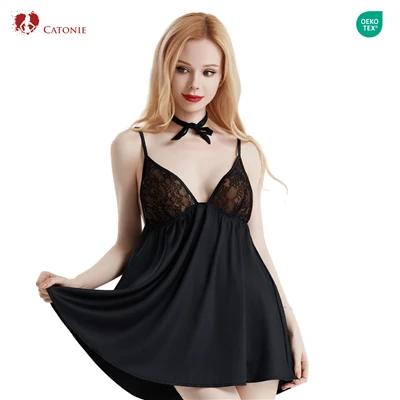
Not all lingerie designed to flatter the midsection relies on compression. The babydoll and its longer cousin, the chemise, offer a completely different approach. Instead of shaping or constricting the body, these garments use intelligent design and flowing fabric to drape over the tummy, creating a silhouette that is both forgiving and deeply alluring. They are the perfect choice for those who prioritize comfort and a sense of romantic freedom in their lingerie.
The Power of the Empire Waist
The genius of the babydoll lies in its structure, specifically the use of an empire waist. The garment is fitted around the bust and then flares out into a short, A-line skirt that typically ends around the upper to mid-thigh. This design draws the eye upward to the décolletage and shoulders, the narrowest point of the garment.
From the high waistline, the fabric falls away from the body, elegantly skimming over the abdomen and hips without clinging. This creates a beautiful sense of movement and mystery. The body is suggested rather than explicitly defined, which can be incredibly sensual and confidence-boosting. The babydoll does not "hide" the belly in the sense of compressing it, but rather artfully conceals it beneath a cascade of soft fabric. A chemise functions on the same principle but with a longer skirt, often falling to the knee or below, offering a more elegant and modest, yet equally flattering, effect.
Fabric Choices for Draping and Comfort
The choice of fabric is absolutely central to the success of a babydoll or chemise. The material must be lightweight and possess a fluid drape to achieve the desired flowing effect. Stiff or heavy fabrics would create a tent-like shape, which is not the goal.
Classic choices include sheer materials like chiffon and georgette, which offer a tantalizing glimpse of the skin beneath while maintaining a soft and ethereal quality. Silk and satin are also popular for their luxurious feel and beautiful sheen, which catches the light as the fabric moves. For a more comfortable and casual feel, babydolls made from soft modal or jersey knit offer a similar draping effect with the added benefit of stretch and breathability. Often, the bust of the babydoll is crafted from lace or features detailed embroidery, adding a touch of decorative contrast to the simple, flowing skirt and further drawing the eye upward.
The Babydoll as a Confidence-Boosting Piece
The babydoll is a powerful piece of lingerie because it shifts the focus from body-sculpting to body-celebration. It is a prime example of a garment within the category of sexy lingerie sets that empowers the wearer through suggestion and grace rather than control. For many, it can be a more comfortable and liberating alternative to traditional shapewear.
Wearing a babydoll can feel playful, romantic, and freeing. It allows for complete freedom of movement and does not constrict the body in any way. This comfort can translate directly into confidence. It is a piece of lingerie chosen purely for pleasure-the pleasure of the soft fabric against the skin and the pleasure of feeling beautiful and desired without feeling confined. It serves as a wonderful reminder that flattering the body is not always about making it appear smaller or firmer; sometimes, it is about adorning it in a way that feels graceful and joyous.
Style5:The Corset: Timeless Structure and Shaping
The corset is arguably the most iconic and controversial shaping garment in history. With a lineage stretching back centuries, it has been both a symbol of restrictive beauty standards and a powerful tool of self-expression and high fashion. In 2025, the modern corset occupies a unique space, blending historical construction techniques with contemporary materials and sensibilities. It offers the most dramatic and structural form of waist shaping available, a true piece of wearable architecture.
Modern Corsetry: A Blend of Tradition and Technology
While the image of a Victorian lady fainting from the tightness of her corset still lingers in the popular imagination, the modern corset is a different creation. While it retains the fundamental principles of its ancestors, it benefits from advancements in materials and a better understanding of anatomy. Authentic modern corsets, unlike costume pieces, are still crafted with multiple layers of strong fabric, such as coutil, and use steel boning for structure.
However, the boning used today is often a combination of flat steel for rigid support (typically at the front and back) and spiral steel for the sides. Spiral steel boning is flexible in multiple directions, allowing for greater comfort and ease of movement than the rigid, all-flat-steel corsets of the past. Furthermore, the focus of reputable corsetieres today is on creating a dramatic shape while respecting the body's limits. They emphasize gradual "seasoning" (breaking in) of a corset and discourage the extreme tight-lacing practices of the past. These principles are especially relevant when selecting corsets for special events like weddings, where comfort over many hours is a consideration.
How a Corset Achieves Its Shape
A corset works through a combination of tension and rigid support. The garment is constructed from multiple panels of fabric cut and sewn to create a specific three-dimensional shape. When the corset is put on and the laces at the back are tightened, the fabric is pulled taut against the body.
The steel boning, housed in channels along the seams, serves two purposes. It prevents the fabric from wrinkling or bunching under the strain of the lacing, and it provides the rigid framework that compresses the waist and supports the torso. The pressure is distributed over a large surface area, from the ribs down to the hips. This is what allows a corset to achieve a significant and sustained waist reduction, creating a smooth, sculpted, and dramatically hourglass-shaped torso. It is a far more powerful and structural piece of lingerie to hide belly than a flexible waist cincher.
Integrating Corsets into a Modern Wardrobe
Once confined to historical reenactment and niche subcultures, the corset has re-emerged as a high-fashion item. It is no longer solely an undergarment. One of the most popular trends is "outer-corseting," where the corset is worn visibly over a dress, blouse, or even a simple t-shirt. This transforms the corset from a hidden foundation into a statement centerpiece of an outfit, celebrating its structural beauty.
As an undergarment, the corset remains unparalleled for creating a specific silhouette under formal wear, particularly large, structured gowns like wedding dresses. The rigid support it provides can help with the weight of a heavy skirt and ensures a perfect posture throughout a long event. When choosing a corset, it is absolutely vital to purchase from a reputable maker and to be professionally measured. An ill-fitting corset will be uncomfortable and ineffective. A well-made, properly fitted corset, while not an everyday item, is a stunning and powerful tool for transforming one's silhouette for those moments that call for maximum drama and impact.

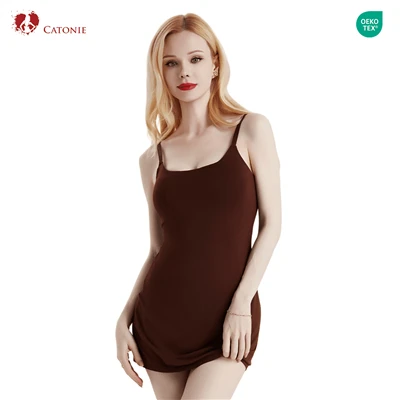
Style6:The Shaping Camisole: Versatile and Layerable
The shaping camisole is the unsung hero of the shapewear world. It offers a subtle and incredibly versatile way to smooth the upper body, targeting the upper abdomen, midsection, and back. Unlike more intensive pieces, the shaping cami is designed to be easily integrated into an everyday wardrobe, functioning as both a foundational shaping garment and a practical layering piece. It is an ideal entry point into the world of lingerie to hide belly for those seeking light control and maximum versatility.
The Dual Function of a Shaping Cami
The primary appeal of the shaping camisole is its two-in-one functionality. As a piece of shapewear, it provides 360-degree smoothing for the torso. Its seamless, body-hugging design smooths the upper and mid-abdomen, eliminates bulges around the back and bra line (often called "back fat"), and creates a more streamlined silhouette overall.
Simultaneously, it functions as a regular camisole or tank top. It can be worn as a base layer under sheer or low-cut blouses, providing modesty and a smooth foundation. It is perfect for layering under sweaters and cardigans in cooler weather or for wearing under a professional blazer. Some shaping camis are stylish enough to be worn on their own in warmer weather. This dual purpose means it is a piece that offers excellent value and can be worn in a multitude of ways. This versatility is also seen in related products like shaping pajamas, which combine comfort for sleep with gentle support.
Material and Control Levels
Shaping camisoles are available in a wide range of control levels, which are determined by the fabric composition. For light, everyday smoothing, look for camis made from a soft, stretchy microfiber or a modal-elastane blend. These offer gentle compression that smooths without feeling restrictive, making them comfortable enough to wear all day.
For a step up in control, some camis feature targeted shaping panels. These are areas, typically across the stomach and back, where a firmer, more compressive fabric like power mesh is integrated into the garment. These medium-control camisoles provide more noticeable shaping and are a great option for wearing under more fitted tops or dresses. It is rare to find firm-control camisoles, as their primary purpose is smoothing rather than dramatic reshaping. Many shaping camis also feature built-in bras, ranging from simple shelf bras to models with molded cups, further enhancing their all-in-one convenience.
Styling for Seamless Integration
The key to successfully wearing a shaping camisole is to ensure it remains invisible under your clothes. The best shaping camis are made with seamless technology and have laser-cut or bonded edges at the hem. This prevents the cami from creating a visible line where it ends on your hips.
When choosing a shaping cami, consider the neckline of the tops you will wear it with. They are available in various styles, including scoop necks, V-necks, and high necks, allowing you to match them to your outerwear. Opting for neutral colors like black, white, and nude will ensure you have a camisole to wear under almost any color of clothing. The length is also a consideration; some camis are cut to the hip, while others are longer, providing smoothing down over the top of the C-section area or lower belly. The shaping camisole is a testament to the idea that the most effective lingerie to hide belly is often the piece that works quietly and seamlessly with your existing wardrobe.
Style7:The Peplum Lingerie Set: Playful and Strategic Design
The peplum is a fascinating design element that has migrated from outerwear into the world of lingerie, offering a playful and highly effective way to flatter the midsection. A peplum is essentially a short, flared ruffle or overskirt attached at the waistline of a garment. In lingerie, this feature is often incorporated into babydolls, bustiers, or camisole sets. Unlike compression garments, peplum lingerie works through the art of architectural distraction and concealment.
The Architectural Genius of the Peplum
The effectiveness of the peplum lies in its shape and placement. By cinching in at the natural waist (the narrowest part of the torso) and then flaring out, it creates a classic hourglass illusion. The flared fabric skims over the lower abdomen, completely concealing it from view. This design is strategically brilliant because it simultaneously highlights the waist while hiding the area just below it.
The volume and structure of the peplum can vary. A soft, drapey peplum made of chiffon or lace creates a gentle, romantic look. A more structured peplum, made from satin or a stiffer material, can create a more dramatic, architectural silhouette. The result is a piece of lingerie that is flirtatious, fashionable, and functionally flattering, all without applying any pressure or compression to the body.
Finding the Right Peplum Style for Your Body
While the peplum is generally flattering, the specific cut can be tailored to enhance different body types. The length of the peplum is a key variable. A shorter peplum that hits just below the waist is playful and accentuates the hips. A longer peplum that extends further down can provide more coverage and create a more elongated look.
The placement of the waistline is also significant. A peplum that sits at the natural waist is the most classic and creates the most defined hourglass shape. Some designs feature a slightly dropped waist, which can be very chic and modern. The key is to find a style where the waist of the garment aligns with your own natural waist to achieve the intended effect. Experimenting with different styles is the best way to discover which peplum silhouette makes you feel most confident.
Peplum's Role in Modern Sexy Lingerie Sets
The peplum has become a beloved feature in many contemporary sexy lingerie sets. It adds a touch of retro glamour and feminine charm that is both sweet and sophisticated. A peplum top, often a bustier or a bra top, paired with a matching brief or thong creates a complete, fashion-forward look.
This style is perfect for those who want lingerie to hide belly but dislike the feeling of shapewear. It offers a solution rooted in fashion design rather than textile engineering. It is a celebration of form and movement, a piece designed for visual impact and playful allure. The peplum proves that feeling confident and sexy in lingerie is not always about what is compressed or revealed, but about the artful power of a well-designed silhouette. This principle is also being applied to other garments, with peplum details appearing on fashion-forward swimsuits to provide a similar flattering effect at the beach or pool.
Fabric Properties in Shaping Lingerie
The feel, function, and durability of lingerie designed for abdominal support are dictated by the fabrics used in its construction. A deeper understanding of these materials empowers you to choose garments that meet your specific needs for comfort, control, and longevity. The following table breaks down the key properties of the most common textiles found in this category of lingerie.
|
Fabric |
Key Properties |
Primary Benefits |
Common Garment Use |
|
Elastane (Spandex/Lycra) |
Extreme elasticity and recovery; synthetic polymer. |
Provides the "snap back" compression for shaping; allows freedom of movement. |
Blended into almost all shaping garments; higher percentage means firmer control. |
|
Nylon (Polyamide) |
Strong, durable, lightweight, smooth, resists abrasion. |
Creates a sleek surface for clothes to drape over; quick-drying and resilient. |
The primary fiber in many bodysuits, briefs, and camisoles. |
|
Microfiber |
Extremely fine synthetic fibers (polyester/nylon); very soft. |
Luxuriously soft feel against the skin; lightweight, breathable, and seamless. |
Light to medium control briefs, camisoles, and seamless garments. |
|
Power Mesh |
Sheer, net-like knit with high elastane content. |
Offers firm, targeted compression while remaining breathable and lightweight. |
Internal control panels in bodysuits and high-waisted briefs. |
|
Cotton |
Natural fiber; soft, breathable, and absorbent. |
Highly comfortable for sensitive skin; excellent for everyday wear. |
Often blended with elastane for light control briefs and comfortable camisoles. |
|
Latex |
Natural rubber; provides very high compression and thermal activity. |
Delivers intense, firm cinching for dramatic waist shaping. |
Core material in many waist cinchers and trainers. |
|
Satin/Silk/Chiffon |
Smooth, flowing fabrics with beautiful drape. |
Non-compressive; used for aesthetic appeal and to skim over the body. |
Babydolls, chemises, and decorative panels on other lingerie. |
Beyond the Garment: Adopting a Holistic Perspective
While a well-chosen piece of lingerie can be a powerful tool, it is helpful to situate its role within a broader context of body image and personal well-being. The pursuit of a flattering silhouette through undergarments should be an act of empowerment and self-expression, not one of shame or a perceived need to "fix" a flaw. The pieces discussed are best viewed as accessories for confidence, much like a favorite pair of shoes or a signature piece of jewelry.
The Role of Lingerie in a Holistic Approach to Body Image
A healthy relationship with one's body involves acceptance and appreciation. Lingerie to hide belly can be part of this relationship when used consciously. It can be a way to feel more comfortable and secure in certain outfits, allowing one's focus to shift away from body-consciousness and toward the activities and interactions of the day. The goal is to use these garments to serve your comfort and confidence, not to feel that you must wear them to be acceptable. Body positivity and the use of shapewear are not mutually exclusive. One can love and accept their body while also enjoying the smooth lines and support that a shaping garment provides. As the body changes through life's stages, lingerie can be a supportive companion, adapting to new needs and providing comfort along the way.
A Note on Health and Wellbeing
The conversation about shaping the midsection would be incomplete without acknowledging the role of overall health. While lingerie offers a cosmetic solution, foundational well-being comes from a balanced lifestyle that includes nourishing food, regular movement, and adequate rest. No undergarment can or should replace these pillars of health. The confidence gained from feeling strong and energetic is the most enduring kind. Shaping lingerie can complement these efforts, providing a final polish to your presentation, but the core of feeling good in one's body is built from the inside out.
The Future of Smart Textiles in Lingerie
Looking ahead, the world of lingerie is on the cusp of another technological leap. The development of smart textiles promises to further merge function, comfort, and even health monitoring into our undergarments. Imagine lingerie with integrated sensors that could monitor posture and provide gentle haptic feedback to encourage you to stand taller. Fabrics are being developed with micro-encapsulated moisturizers or caffeine to help tone the skin. Textiles with enhanced thermal properties could help regulate body temperature. While these technologies are still emerging, they point to a future where our most intimate apparel becomes even more personalized and responsive to our bodies' needs, continuing the evolution from rigid restriction to intelligent, comfortable support.
Frequently Asked Questions (FAQ)
Will shaping lingerie permanently flatten my stomach?
No, shaping lingerie does not permanently alter your body. Its effects are purely cosmetic and temporary, lasting only as long as you are wearing the garment. It works by compressing and redistributing soft tissue to create a smoother line under clothing.
How do I find the right size in lingerie to hide belly?
Finding the correct size is vital for both comfort and effectiveness. You should never "size down" in the hope of achieving more compression, as this will lead to bulging, discomfort, and a less flattering result. Always refer to the specific brand's size chart and take accurate measurements of your waist and hips. The garment should feel snug and supportive, but not painfully restrictive.
Can I wear shaping lingerie every day?
Whether you can wear shaping lingerie daily depends on the level of control. Garments with light to medium control, such as shaping camisoles or microfiber briefs, are often designed for daily wear. However, firm and extra-firm control pieces, like waist cinchers or some bodysuits, should be reserved for special occasions to avoid discomfort and potential health issues from prolonged compression.
What is the difference between a cincher and a corset?
A modern waist cincher is typically made of latex or heavy power mesh with flexible boning and fastens with hooks, providing intense but flexible compression for temporary wear. A traditional corset is a more rigid garment made of coutil fabric with steel boning and a lace-up back, designed for more significant and structural shaping.
How do I wash and care for my shaping lingerie?
To prolong the life of your shaping garments, it is best to hand wash them in cool water with a gentle detergent. The heat and agitation of a washing machine can damage the delicate fibers, especially the elastane, causing them to lose their elasticity. Always hang or lay flat to dry; never put shapewear in the dryer.
Does "tummy control" lingerie feel restrictive?
The feeling of tummy control lingerie varies greatly with the level of compression. Light control pieces feel like a gentle, supportive hug. Medium control is more noticeable but should not be uncomfortable. Firm control will feel quite snug and restrictive, which is why it is best suited for shorter periods. A well-fitting garment at any control level should not be painful.
Conclusion
The journey to find the perfect lingerie to hide belly is a personal one, guided by individual needs for comfort, style, and support. The diverse array of options available in 2025, from the gentle embrace of a high-waisted brief to the architectural drama of a corset, demonstrates a sophisticated evolution in garment design. The modern approach is not about forcing the body into an unforgiving mold but about using intelligently designed fabrics and silhouettes as tools to enhance one's natural shape and build confidence. By understanding the function of each style, the science of the fabrics, and the psychological boost a well-fitting undergarment can provide, anyone can make an informed choice. Ultimately, these garments are at their best when they serve as a quiet foundation of support, allowing the wearer to step out into the world feeling secure, polished, and, most of all, comfortable in their own skin.
References
Adam, H., & Galinsky, A. D. (2012). Enclothed cognition. Journal of Experimental Social Psychology, 48(4), 918–925.
Amsberry, D. (2025). APA quick citation guide: In-text citation. Penn State University Libraries. https://guides.libraries.psu.edu/apaquickguide/intext
American Psychological Association. (n.d.). In-text citations. APA Style.
American Psychological Association. (n.d.). Reference examples. APA Style.
Kowal, H. (2025). APA citation guide (7th edition): In-text citation. Columbia College (BC) Library.
Patton, E. M. (2025). In-text citations - APA style (7th ed.). LSC-University Park Library.
Purdue University. (n.d.). In-text citations: The basics. Purdue Online Writing Lab. https://owl.purdue.edu/owl/research_and_citation/apa_style/apa_formatting_and_style_guide/in_text_citations_the_basics.html
University of Toledo Libraries. (n.d.). APA style reference citations [PDF]. University of Toledo.