Abstract
An examination of contemporary undergarments reveals a specialized category of lingerie designed to modify and smooth the abdominal area. This analysis explores the functional and aesthetic dimensions of such garments, commonly referred to as shapewear or lingerie to hide tummy. It investigates the diverse typologies available in the 2025 market, from high-waisted briefs and bodysuits to modern corsets and shaping slips. The efficacy of these pieces is predicated on material science, specifically the integration of elastomeric fibers like spandex with nylon or cotton, which provides targeted compression and support. The construction, including seamless knitting technologies and strategic paneling, is also fundamental to their performance. Beyond the physical mechanics, this exploration considers the psychological impact on the wearer, positing that such lingerie can serve as a tool for enhancing confidence and bodily autonomy. The objective is to provide a comprehensive understanding of how these garments function, the principles guiding their selection, and their place within a broader context of personal style and self-expression.
Key Takeaways
1. Select your lingerie style based on the specific outfit and desired level of control.
2. Prioritize getting the correct size to ensure both comfort and shaping effectiveness.
3. Understand fabric properties to balance support with necessary breathability.
4. Proper laundering and care will significantly extend the life of your garments.
5. The right lingerie to hide tummy works to enhance, not completely alter, your natural shape.
6. Build a lingerie wardrobe that includes various pieces for different moods and occasions.
7. Consider both targeted shaping pieces and styles that use draping to flatter the figure.
A Foundational Inquiry: Silhouette, Sensation, and Self-Perception
The relationship between a person and their clothing is profoundly intimate, a dialogue conducted in the language of texture, fit, and form. What we choose to place against our skin is the first layer of our public persona, yet it remains a private reality. The undergarments we select are not merely functional; they are foundational. They can alter the drape of a dress, the line of a pair of trousers, and, most powerfully, the way we inhabit our own bodies. The very act of dressing begins with a choice that can shape our posture, our movement, and our internal sense of self for the day ahead. This phenomenon, which some researchers term "enclothed cognition," suggests that clothing has a systematic influence on the wearer's psychological processes (Adam & Galinsky, 2012). The physical experience of wearing a particular garment-its texture, its compressive feel, its structure-can trigger associated abstract concepts and symbolic meanings, thereby influencing our thoughts and behaviors.
When we consider lingerie designed to smooth the midsection, we are not simply discussing a matter of hiding or concealing. Rather, we are engaging with a desire for a specific aesthetic experience: the feeling of a continuous, uninterrupted line beneath our clothes. This is not about a pursuit of an idealized body type, but about achieving a particular harmony between the body and the fabric that covers it. Think of it as preparing a canvas. A painter primes a canvas to create a smooth, uniform surface, not because the original texture of the canvas is flawed, but because the primer allows the paint to express its true color and character without distraction. In a similar way, a shaping undergarment can provide a smooth base that allows the design, texture, and movement of an outer garment-be it a silk blouse or a tailored dress-to be fully appreciated. The goal is coherence.
This desire for a smooth silhouette speaks to a deep-seated appreciation for clean lines and graceful forms that transcends fashion trends. It is about feeling put-together, secure, and confident in one's presentation. The confidence derived from knowing your clothes are fitting as they were designed to can be transformative. It might manifest as a willingness to stand a little taller, to move more freely, or to engage more directly with the world. The lingerie itself becomes a quiet accomplice in this process, a source of support that is felt but not seen. Therefore, an exploration into lingerie to hide tummy is not a superficial inquiry into vanity, but a deeper look into the tools we use to craft our physical and psychological comfort.
The Materiality of Form: Understanding Fabrics and Construction
The capacity of lingerie to shape and smooth the body is not an act of magic, but a feat of textile engineering. The effectiveness of any piece of shaping lingerie resides in two primary elements: the materials from which it is made and the specific way it is constructed. Understanding these components allows one to move from being a passive consumer to an informed arbiter of quality and function.
At the heart of nearly all modern shapewear is a remarkable synthetic fiber: spandex, also known by the brand name Lycra. Its invention revolutionized the garment industry by introducing an unprecedented level of elasticity and recovery (O'Connor, 2011). Spandex fibers can be stretched to several times their original length and then return to their initial state without losing their integrity. This "memory" is what provides the signature compression of shaping garments. However, spandex is rarely used alone. It is almost always blended with other fibers, such as nylon, polyester, or cotton.
Nylon is a frequent partner to spandex. It is strong, lightweight, and smooth, which allows outer garments to glide over it without clinging. The combination of nylon and spandex creates a fabric that is both powerfully compressive and sleek. Cotton, on the other hand, is prized for its breathability and softness. A cotton-spandex blend might offer a gentler level of shaping and is often preferred for everyday wear due to its superior comfort against the skin. The percentage of spandex in the blend is a direct indicator of the garment's shaping power. A fabric with 10-20% spandex will offer light smoothing, while a garment with 30-50% spandex will provide firm, transformative control.
Fabric Comparison for Shaping Lingerie
|
Fabric Blend |
Primary Characteristics |
Compression Level |
Best For |
|
Nylon-Spandex |
Strong, sleek, durable, high compression |
Medium to Firm |
Outerwear that needs to glide; special occasion dresses. |
|
Cotton-Spandex |
Breathable, soft, absorbent, comfortable |
Light to Medium |
Everyday wear, sensitive skin, warmer climates. |
|
Polyester-Spandex |
Moisture-wicking, durable, colorfast |
Medium |
Activewear-inspired shaping, layering pieces. |
|
Modal-Spandex |
Exceptionally soft, drapey, plant-based |
Light |
Gentle smoothing, comfort-focused lingerie. |
|
Lace with Spandex |
Decorative, delicate appearance with stretch |
Varies (Light) |
Lingerie where aesthetics are as important as function. |
Beyond the fabric itself, the construction of the garment is paramount. Modern manufacturing has moved towards seamless knitting technology. This process uses circular knitting machines to create a tube of fabric, eliminating the need for side seams. The result is a garment that is exceptionally comfortable and invisible under even the most form-fitting clothes. Furthermore, this technology allows for "zoned compression." Different levels of tension and knit density can be programmed into the machine, creating panels of firmer control exactly where they are needed-for example, across the lower abdomen-while leaving other areas, like the bust or hips, with a gentler, more flexible knit.
For garments offering the highest level of control, such as corsets or waist cinchers, construction often involves more than just innovative knitting. It can include flexible polymer or steel boning, which provides vertical structure and prevents the garment from rolling or bunching. It may also feature reinforced, non-stretch fabric panels, strategically placed to offer maximum flattening and support. The thoughtful combination of advanced materials and intelligent construction is what elevates a simple undergarment into a sophisticated piece of functional lingerie.
The High-Waisted Brief: The Cornerstone of Everyday Shaping
The high-waisted brief is perhaps the most approachable and versatile piece of shaping lingerie. Its design is an intuitive extension of a standard panty, but with a crucial modification: the waistband extends upwards, typically to the natural waist or just below the bust line. This simple elevation transforms the garment's function from mere coverage to active shaping. It is the workhorse of the shapewear world, offering a reliable solution for creating a smooth canvas for daily outfits, from office attire to casual weekend wear.
Defining the High-Waisted Brief
At its core, the high-waisted brief is designed to address the lower and middle abdomen. By encompassing this entire area in a single, continuous panel of fabric, it gently compresses and smooths, minimizing the appearance of bulges and creating a more streamlined transition from the hips to the ribcage. Unlike more intensive shapewear, its primary goal is often smoothing rather than dramatic waist reduction. It is a garment of nuance, designed to refine a silhouette rather than completely reconstruct it. The back coverage can vary, from a full brief that offers support to the rear to a thong or cheeky cut that eliminates the risk of visible panty lines.
Levels of Control: From Smoothing to Shaping
High-waisted briefs are available across a spectrum of control levels, which directly correlates with the fabric composition and construction.
- Light Control (Smoothing): These are often made from microfiber or cotton blends with a lower percentage of spandex. They feel like a slightly more substantial version of regular underwear. Their function is to gently even out the tummy area and provide a seamless look under clothing like t-shirts or jersey dresses. They are comfortable enough for all-day, everyday wear.
- Medium Control (Shaping): This level typically involves a higher spandex content and may feature a double-layered front panel for more targeted tummy control. They offer a noticeable shaping effect, holding you in more firmly and creating a flatter abdominal profile. These are excellent for wearing under tailored skirts, trousers, or more structured dresses.
- Firm Control (Sculpting): Reserved for occasions requiring a more significant transformation, firm control briefs use high-compression fabrics and often incorporate construction techniques like internal panels or even light, flexible boning to prevent rolling. They provide a very firm hold and can visually reduce the waistline.
When to Choose This Style
The high-waisted brief is the ideal choice when your primary goal is to smooth the tummy area under pants, skirts, or less form-fitting dresses. It is particularly effective for high-waisted trousers and skirts, as the top of the garment aligns with the waistband of the clothing, creating a perfectly smooth line. Its simplicity and comfort make it a foundational piece for any wardrobe, providing a subtle boost of confidence without the commitment of a full-body garment. It is the perfect entry point for anyone curious about lingerie to hide tummy, offering tangible results with minimal fuss.
The Bodysuit: A Unified and Seamless Solution
The bodysuit represents a holistic approach to shaping. As a single, integrated garment that covers the torso, it addresses multiple areas simultaneously, ensuring a completely seamless and cohesive line from the bust to the hips. Its all-in-one nature eliminates the problem of separates that can shift, roll, or create lines at the waist. A well-designed bodysuit functions as a second skin, moving with the body and providing consistent, comfortable support throughout the day. It is a masterpiece of functional design, blending the properties of a bra, a camisole, and a shaping panty into one elegant solution.
The All-in-One Solution
The primary advantage of a bodysuit is its unity. By connecting the top and bottom, it anchors the shaping panels securely in place. There is no waistband to roll down, no gap between a camisole and a brief. This makes it an exceptionally reliable garment for long days or active events. It smooths the back, defines the waist, and flattens the tummy in one fluid motion. The result is a silhouette that appears effortlessly sleek and elongated. Bodysuits are particularly beneficial under one-piece outfits like dresses and jumpsuits, where a continuous smooth line is most critical.
Variations in Design: Thong, Brief, and Full Coverage
The modern bodysuit is not a one-size-fits-all garment. It comes in a wide variety of styles to suit different body types, outfits, and preferences.
- Lower Coverage: Bodysuits are available with thong or tango backs, which are ideal for wearing under form-fitting or lightweight fabrics where visible panty lines are a concern.
- Brief and Boyshort Styles: These offer more coverage and can provide additional smoothing and shaping for the hips and rear. A brief cut is a classic choice, while a boyshort style can help prevent chafing and create a smooth line under shorts or trousers.
- Bust Support: Bodysuits come in several configurations for the bust. Some have built-in underwire or molded cups, functioning as a complete bra-and-shaper-in-one. Others are "wear your own bra" (WYOB) styles, featuring an open bust or a scoop neckline that allows you to pair the bodysuit with your favorite, most supportive bra. This versatility is crucial for achieving a personalized fit.
Styling Bodysuits as Outerwear
A significant evolution in the perception of the bodysuit is its transition from a hidden undergarment to a visible fashion piece. Many contemporary bodysuits, especially those made from smooth microfiber, lace, or velvet, are designed with the intention of being seen. A simple black shaping bodysuit with a scoop neck can be styled with high-waisted jeans for a chic, minimalist look. A lace-trimmed bodysuit can peek out from under a blazer, adding a touch of sophisticated allure. This dual functionality makes the bodysuit an incredibly efficient wardrobe investment, serving as both a foundational shaper and a stylish top. It embodies the idea that functional lingerie can also be beautiful and expressive.
The Modern Corset and Corselet: Structured Sculpting Reimagined
The corset holds a unique and often misunderstood place in the history of undergarments. For centuries, it was an instrument of dramatic physical transformation, defined by rigid whalebone or steel and tight lacing (Steele, 2001). The modern corset and its softer cousin, the corselet, however, are products of a different philosophy. They borrow the structural principles of their ancestors but reinterpret them through the lens of contemporary material science and a focus on wearer comfort. These are not tools of restriction but sophisticated garments for sculpting a specific, often dramatic, hourglass silhouette for special occasions.
A Historical Perspective on Waist Cinching
To understand the modern corset, one must appreciate its lineage. From the 16th century onward, corsetry was central to Western fashion, dictating the fashionable silhouette of each era (Farrell-Beck & Gau, 2002). These historical garments were complex, heavily boned structures designed to create a small waist and support the bust. While they have been retrospectively criticized as instruments of patriarchal oppression, many women experienced them as a source of support, posture, and elegance (Tiggemann & Lacey, 2009). The 20th century saw a rebellion against this rigidity, but the 21st century has witnessed a revival, this time framed by personal choice and aesthetic expression, including their popularization in bridal lingerie collections.
Modern Corsetry: Comfort Meets Control
Today's shaping corsets are fundamentally different from their historical predecessors. While they still employ boning, it is typically made from flexible spiral steel or lightweight polymer that moves with the body. The fabrics are often a lamination of a strong, non-stretch inner layer for support and a beautiful outer fabric like satin or lace. Instead of relying solely on dramatic tight-lacing, they use a combination of hook-and-eye closures and moderate lacing to achieve their shaping effect.
The function of a modern corset or waist-cinching corselet is to provide the highest level of shaping available for the midsection. It cinches the waist, smooths the entire torso, and supports the back, encouraging an upright and elegant posture. This is the garment of choice for formal events where a show-stopping silhouette is desired, such as weddings, galas, or red-carpet appearances.
Distinguishing Between Corsets, Corselets, and Bustiers
While often used interchangeably, these terms refer to distinct garments.
Shaping Garment Distinctions
|
Garment |
Primary Function |
Structure |
Coverage |
|
Corset |
Significant waist reduction and torso shaping. |
Heavy boning (steel or polymer), rigid panels. |
Typically from under the bust to the hips. |
|
Corselet/Girdle |
All-over torso smoothing and shaping. |
Lighter boning, power mesh panels. |
Often incorporates a bra and panties. |
|
Bustier |
Bust lifting and light waist shaping. |
Light boning, focuses on the upper torso. |
Extends from the bust to the waist or high hip. |
A true corset is primarily focused on waist reduction. A corselet (or longline girdle) is more of an all-in-one shaper, often extending down over the hips and sometimes incorporating a bra. A bustier is shorter, focusing on lifting the bust and shaping the upper torso, often ending at the waist. Choosing between them depends on the desired effect. For maximum, targeted waist cinching, a corset is unparalleled. For overall smoothing with bust support, a corselet is ideal. For a combination of a push-up bra and a waist smoother, a bustier is the perfect choice. These structured pieces represent the pinnacle of lingerie to hide tummy and sculpt the figure.
The Shaping Camisole: A Versatile Layering Piece
The shaping camisole is a marvel of understated utility. It takes the familiar, comfortable form of a simple tank top and infuses it with the technology of shapewear. This creates a garment that is both incredibly versatile and highly effective for everyday smoothing of the tummy, waist, and back. It is less intensive than a corset or a firm control bodysuit, offering a gentle hug of compression that smooths and streamlines without feeling restrictive. Its genius lies in its ability to be seamlessly integrated into almost any outfit as a foundational layer.
More Than Just a Tank Top
On the surface, a shaping camisole might resemble a standard tank top, but its performance is vastly different. It is engineered with zoned compression, often featuring a firmer knit panel across the abdomen and "love handle" area, while the bust and hem remain softer and more flexible. This targeted approach ensures that the shaping is concentrated where it is most desired. The fabric is typically a sleek microfiber and spandex blend, which not only provides compression but also allows outer layers, like blouses or sweaters, to drape beautifully without clinging. It effectively eliminates the lumps and bumps that can be created by the waistband of pants or the back of a bra, resulting in a smooth, unified torso.
Integrating with Your Bra
One of the most practical features of many shaping camisoles is the "wear your own bra" (WYOB) design. These camisoles feature a low scoop neckline or an open-bust design that sits just below the bra line. This is a significant advantage for several reasons. First, it allows you to wear your best-fitting and most supportive bra, which is particularly important for those with larger cup sizes who may not find adequate support in all-in-one garments. Second, it ensures that there is no flattening of the bust, which can sometimes occur with compressive tank-style garments. The camisole works in harmony with your chosen bra to smooth the torso while allowing the bust to maintain its natural shape and lift.
The Ideal Garment for Layering
The shaping camisole truly excels as a layering piece. It can be worn under a sheer blouse to provide both modesty and smoothing. It sits perfectly under a tailored blazer or cardigan, ensuring a sleek line at the waist. In cooler weather, it provides an extra layer of warmth along with its shaping benefits. Because its appearance is that of a simple camisole, it can even be worn on its own in casual settings, paired with a skirt or jeans. This versatility makes it an indispensable component of a well-curated wardrobe. It is the perfect solution for women who want comfortable, everyday smoothing for the upper body and a reliable piece of lingerie to hide tummy without the intensity of a full bodysuit or corset.
The Waist Cincher: Concentrated Midsection Control
For those seeking powerful, targeted transformation of the midsection, the waist cincher is the specialist tool. Unlike garments that provide all-over smoothing, the waist cincher is laser-focused on one area: the waist and tummy. It is a band of high-compression fabric, often reinforced with boning, that wraps around the torso between the hips and the bust line. Its purpose is singular and dramatic: to significantly cinch the waist, flatten the abdomen, and create a pronounced hourglass curve. It is a garment of intent, worn when a sculpted silhouette is the primary objective.
Maximum Control for the Midsection
The waist cincher delivers the highest level of compression you can find outside of a traditional steel-boned corset. It is typically constructed from latex, heavy-duty power mesh, or multiple layers of nylon-spandex fabric. This robust construction provides a wall of support around the midriff, instantly smoothing bulges and creating a taut, firm line. Many designs feature hook-and-eye closures, often with multiple columns to allow for a customizable fit and the ability to tighten the garment over time. The powerful compression not only shapes the waist but can also improve posture by providing firm support to the lower back.
How Waist Cinchers Work
The efficacy of a waist cincher is based on a combination of compression and structure.
1. Compression: The high-elastane fabric applies firm, consistent pressure to the soft tissue of the midsection, compacting and smoothing it. This creates a visibly smaller waist and a flatter tummy profile.
2. Structure: Flexible boning (usually plastic or spiral steel) is inserted into vertical channels within the garment. This boning serves two critical functions. First, it prevents the cincher from rolling down or bunching up at the waist, which is a common issue with less structured garments. Second, it adds to the shaping power, helping to maintain the hourglass curve and supporting the back.
This combination makes the waist cincher an ideal choice under structured, formal garments like evening gowns or cocktail dresses, where a defined waist is essential to the overall look.
Potential Drawbacks and Best Practices for Wear
The power of a waist cincher also necessitates mindful usage. Due to the high level of compression, it is generally not intended for all-day, everyday wear. It is a tool for specific outfits and occasions. It is vital to choose the correct size; a cincher that is too small will not only be excruciatingly uncomfortable but can also create bulges above and below the garment, defeating its purpose. It should feel very snug and secure, but never painful or restrictive to the point of impeding breathability. It is advisable to wear a waist cincher for shorter durations initially to allow your body to acclimate to the intense compression. When used correctly and for the right occasions, the waist cincher is an incredibly effective piece of lingerie to hide tummy and achieve a dramatic, sculpted figure.
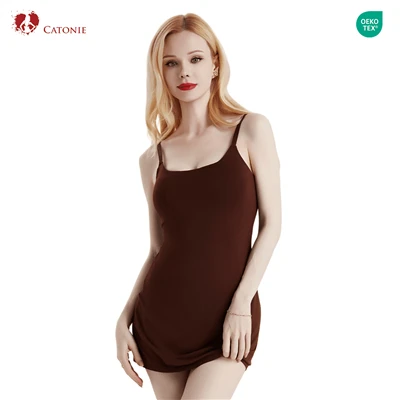
The Shaping Slip: The Secret to a Flawless Drape
The slip has long been a staple of a woman's wardrobe, a simple garment worn under dresses and skirts to provide modesty and a smooth lining. The shaping slip takes this classic concept and elevates it with the addition of modern shapewear technology. It combines the function of a traditional slip with built-in, targeted compression, creating a single undergarment that perfects the silhouette from the bust or waist all the way down to the mid-thigh or knee. It is the ultimate foundation piece for any dress or skirt, ensuring that the fabric of the outer garment hangs and moves as the designer intended.
The Foundation for a Flawless Drape
The primary purpose of a shaping slip is to create a single, unbroken line under clothing. It smooths the tummy, waist, hips, and thighs, eliminating any potential lines from other underwear or bumps from the body itself. This is particularly important when wearing clothes made from lightweight or clingy fabrics like silk, satin, or jersey, which can be unforgiving and highlight every contour underneath. A shaping slip acts as a buffer, a personal "airbrush" for the body, ensuring that the focus remains on the beauty of the dress itself. The fabric is typically a sleek, anti-static blend, which prevents the outer garment from clinging and allows for graceful movement.
Full Slips vs. Half Slips
Shaping slips are available in two main configurations, allowing for versatile pairing with different outfits.
- Full Slip: This style extends from the bust area to the hem and looks like a simple dress. Full slips are ideal for wearing under one-piece dresses. They come in various neckline options, including scoop necks, V-necks, and open-bust (WYOB) designs. An open-bust full slip is often the most versatile choice, as it provides seamless shaping for the entire torso and hips while allowing you to pair it with your preferred bra for a custom fit and lift.
- Half Slip: This style begins at the waist and functions like a shaping skirt. It is designed to be worn under skirts or the bottom half of a two-piece outfit. A shaping half slip is perfect for smoothing the lower abdomen, hips, and thighs. It is an excellent choice when you want targeted shaping for your lower body without adding an extra layer to your torso.
Choosing the Right Neckline and Length
When selecting a shaping slip, two of the most important considerations are the neckline and the length. The neckline of the slip must be compatible with the neckline of your dress. A V-neck slip is needed for a V-neck dress, and a slip with thin straps is required for a spaghetti-strap dress. This is where open-bust designs offer a significant advantage, as their low cut works with almost any neckline. The length is equally important. The hem of the slip should always be shorter than the hem of your dress or skirt to ensure it remains hidden, even when you are sitting or moving. Having a couple of shaping slips in different lengths and styles will ensure you are prepared for any dress or skirt in your wardrobe.
Babydolls and Peplum Styles: The Art of Flattering Illusion
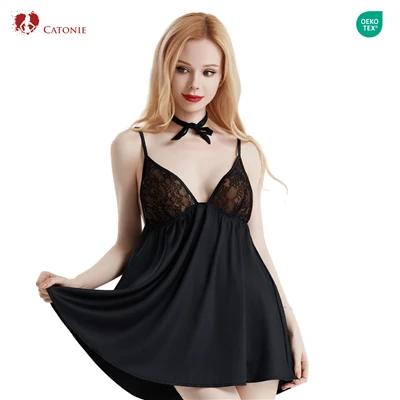
Not all lingerie that flatters the midsection relies on compression. An entirely different approach-one rooted in the principles of design and illusion-can be just as effective and offers a different kind of appeal. Styles like the babydoll and lingerie with peplum details use strategic cuts, flowing fabrics, and clever draping to skim over the tummy area rather than constricting it. This method shifts the focus, creates a flattering silhouette through suggestion, and often prioritizes a sense of playful, sensual comfort. These pieces prove that concealing the tummy can be an act of artful draping, not just compression.
Shifting Focus with Strategic Design
The babydoll is a classic lingerie silhouette, characterized by a design that is fitted at the bust and then flares out into a short, flowing skirt. The magic of this design lies in its use of an empire waistline. By creating the narrowest point of the garment just below the bust, the babydoll draws the eye upward, highlighting the décolletage and shoulders. The loose, A-line fabric then drapes gracefully over the stomach and hips, suggesting a shape without clinging to it. This creates a silhouette that is both forgiving and alluring. Similarly, peplum lingerie-which can include chemises, bustiers, or even panties with a short, flared ruffle attached at the waist-uses a similar principle. The peplum flare creates volume at the hips, which in turn makes the waist appear smaller by comparison, while the flare itself conceals the lower abdomen.
How Empire Waists and A-line Cuts Flatter
The effectiveness of these styles is a lesson in visual perception. An empire waist is the highest possible waistline, and it is a universally flattering cut. It visually lengthens the body by creating an uninterrupted vertical line from below the bust to the hem. The A-line shape, which is narrow at the top and widens gradually towards the bottom, is another classic flattering cut. It skims over the widest part of the lower body (the hips and tummy) without adding bulk. This combination of an empire waist and an A-line skirt is a powerful tool for creating a graceful, elongated silhouette. It is a celebration of form through movement and flow, rather than through structure and hold.
Combining Seduction with Comfort
One of the greatest appeals of babydolls and peplum styles is their inherent comfort and romantic aesthetic. Unlike firm control shapewear, which is primarily functional, these pieces are designed for both flattery and pleasure. They are often crafted from soft, sensual fabrics like chiffon, silk, or delicate mesh and trimmed with lace. They allow for complete freedom of movement and are exceptionally comfortable to wear. This makes them a wonderful choice for intimate moments or for simply lounging in style. They occupy a beautiful space where body-conscious design meets the playful charm of traditional lingerie, offering a way to feel confident and attractive without any compression at all. These styles are a testament to the idea that there are many different paths to feeling beautiful, and they are a vital part of a diverse lingerie wardrobe that can include everything from functional shapers to delightful erotic lingerie.
Navigating Choice: A Guide to Selecting and Caring for Your Garments
Choosing the right piece of shaping lingerie is a personal process that requires a thoughtful consideration of your body, your wardrobe, and your comfort. The most expensive or highest-compression garment is not always the best one; the best garment is the one that fits you perfectly and meets the specific needs of your outfit.
The first and most critical step is accurate measurement. Do not guess your size or rely on the size you wear in regular clothing. Using a soft measuring tape, measure three key points: your bust (at its fullest point), your waist (at its narrowest point), and your hips (at their widest point). Compare these measurements to the brand's specific size chart, as sizing can vary significantly between manufacturers. If your measurements fall between two sizes, it is almost always better to size up. A garment that is too small will not provide better shaping; it will create bulges and be unbearably uncomfortable.
Consider the "compression level" as a guide. These levels are typically categorized as light, medium, and firm.
- Light (Smoothing): For everyday comfort and eliminating minor lines.
- Medium (Shaping): For a more defined shape under tailored clothes.
- Firm (Sculpting): For special occasions and achieving a dramatic silhouette.
Your wardrobe should be your next guide. Think about the clothes you want to wear the garment with. For a clingy jersey dress, a seamless full bodysuit or shaping slip is ideal. For high-waisted trousers, a high-waisted brief is a perfect match. For a formal gown, a waist cincher or a modern corset might be the answer.
Finally, proper care is essential to preserving the life and efficacy of your lingerie. The elastic fibers that provide compression are sensitive to heat and harsh detergents. Always hand wash your shaping garments in cool water with a gentle, pH-neutral detergent. Avoid twisting or wringing the garment. Instead, gently squeeze out the excess water. To dry, lay the garment flat on a towel or hang it away from direct heat or sunlight. Never put your shapewear in the dryer, as the high heat will destroy the spandex fibers, causing the garment to lose its shape and compression. With proper care, a quality piece of shaping lingerie can remain a reliable part of your wardrobe for years.
Beyond the Garment: Lingerie as an Instrument of Self-Expression
It is easy to frame the conversation about lingerie to hide tummy within a narrow narrative of correction or concealment. This perspective, however, fails to capture the nuanced and empowering role that these garments can play in a person's life. The choice to wear shapewear is not necessarily born from a place of dissatisfaction with one's body, but can instead be an affirmative act of curation and self-expression. It is a way of taking control of one's presentation and engaging with fashion on one's own terms. In a world where we curate so many aspects of our lives, curating our silhouette is simply another tool in our arsenal of self-expression.
This perspective aligns with a broader movement towards body positivity and autonomy. The modern approach to lingerie is not about forcing the body to conform to a single, rigid ideal. Instead, it is about having a diverse wardrobe of undergarments that allows for choice and versatility. On some days, one might desire the sleek, supported feeling of a shaping bodysuit under a professional dress. On other days, the goal might be comfort, opting for a simple set of custom underwear. On still other occasions, the intent might be seduction, choosing an intricate lace piece. None of these choices is more valid than another; they are simply different expressions of self for different contexts.
Shapewear, in this light, becomes less about "hiding" and more about "enhancing." It can enhance the fit of a beloved piece of clothing, enhance one's sense of confidence at an important event, or enhance a particular aesthetic one wishes to project. It is a choice, not a mandate. The garment does not define the wearer's worth; the wearer simply uses the garment to achieve a desired outcome. This understanding transforms shaping lingerie from a corrective tool into a creative one, another color on the palette with which we paint our public and private selves. The power lies not in the garment, but in the choice to wear it.
Frequently Asked Questions
1. Will wearing lingerie to hide my tummy make it permanently smaller?
No, shaping lingerie works by temporarily compressing and redistributing soft tissue to create a smoother silhouette. It does not have any permanent effect on your body shape or size. Its effects last only as long as you are wearing the garment.
2. Is it safe to wear shaping lingerie every day?
For light to medium control garments made from breathable fabrics, daily wear is generally safe and comfortable for most people. However, it is advisable to reserve firm control and high-compression pieces, like waist cinchers, for special occasions or shorter durations to avoid discomfort or potential issues with circulation and digestion. Always listen to your body.
3. How do I stop my shapewear from rolling down at the waist?
This is a common issue that usually results from an incorrect fit or a lack of structure in the garment. Ensure you are wearing the correct size. If the problem persists, look for styles that feature a silicone gripper strip along the top edge or choose a bodysuit or a high-waisted style with light boning, as these are anchored more securely.
4. Can I wear regular underwear underneath my shapewear?
It is generally not recommended. Most shaping garments are designed to be worn directly against the skin and often have a cotton gusset for hygiene. Wearing another layer of underwear can create visible lines and may cause the shapewear to shift or fit improperly.
5. How do I choose the right color for my shaping lingerie?
The best color depends on the clothing you will be wearing over it. A nude or beige tone that closely matches your skin tone is the most versatile option, as it will be virtually invisible under even light-colored or semi-sheer fabrics. Black is a good choice for wearing under dark clothing.
6. What is the difference between a waist cincher and a corset?
A waist cincher is typically a wide band of elasticated fabric (like latex or power mesh) focused solely on compressing the waist and tummy. A corset is a more structured garment, usually with steel or polymer boning and a lacing system, designed for more significant and rigid waist reduction and torso shaping.
7. How do I use the restroom while wearing a bodysuit?
Most modern bodysuits are designed with practicality in mind. Look for styles that feature a hook-and-eye closure, snaps, or an overlapping split gusset at the crotch. This allows you to use the restroom without having to take off the entire garment.
Conclusion
The exploration of lingerie designed for tummy smoothing reveals a sophisticated and diverse category of garments that operate at the intersection of material science, fashion design, and personal psychology. Far from being a monolithic tool of concealment, these pieces offer a spectrum of solutions-from the gentle, everyday smoothing of a high-waisted brief to the structured sculpting of a modern corset. The decision to incorporate such a garment into one's wardrobe is a nuanced one, rooted in a desire for a particular aesthetic outcome, a feeling of security, or the confidence that comes from knowing your clothing fits flawlessly.
Understanding the principles of fabric, construction, and fit empowers you to make choices that are not only effective but also comfortable and aligned with your personal style. Whether through the compressive hug of a bodysuit, the strategic drape of a babydoll, or the targeted support of a waist cincher, the ultimate goal is the same: to provide a foundation that allows you to feel poised and self-assured. These undergarments are not about achieving an external ideal, but about accessing an internal feeling-the quiet confidence that comes from feeling completely put-together, from the inside out.
References
Adam, H., & Galinsky, A. D. (2012). Enclothed cognition. Journal of Experimental Social Psychology, 48(4), 918–925.
Farrell-Beck, J., & Gau, C. (2002). Uplift: The bra in America. University of Pennsylvania Press.
Kaiser, S. B. (2019). Fashion and cultural studies. Bloomsbury Visual Arts.
O'Connor, K. (2011). Lycra: How a miracle fibre shaped America. Routledge.
Steele, V. (2001). The corset: A cultural history. Yale University Press.
Tiggemann, M., & Lacey, C. (2009). A qualitative investigation of the experience of wearing a corset. Body Image, 6(2), 123–126.