Abstract
An exploration of mid-20th-century fashion reveals the foundational role of undergarments in constructing the era's iconic pin-up silhouette. This analysis examines the specific pieces that defined the idealized female form from the 1940s through the 1950s, focusing on their design, function, and cultural significance. The investigation delves into how items such as the high-waisted brief, the bullet bra, and the garter belt were not merely accessories but architectural components that sculpted the body. It considers the interplay between technological advancements in materials, such as the widespread adoption of nylon and elastic fabrics, and the aesthetic demands of the time. This guide evaluates seven essential pin up undergarments, tracing their historical origins and offering a framework for their selection and integration into a contemporary context. It assesses how modern reproductions balance the demand for authentic visual appeal with the expectation of current-day comfort and practicality, providing a comprehensive understanding for both historical enthusiasts and modern wearers.
Key Takeaways
1. Focus on the garment's ability to create a specific silhouette, not just its appearance.
2. Prioritize a precise fit and high-quality materials for comfort and long-term wear.
3. Embrace modern fabrics in vintage designs for a blend of authenticity and practicality.
4. Select foundational pin up undergarments that complement your unique body shape.
5. A garter belt is fundamental for achieving an authentic look with seamed stockings.
6. The bullet bra's conical construction is the key to the classic "sweater girl" bustline.
7. High-waisted briefs offer a versatile and smooth foundation for form-fitting attire.
The High-Waisted Brief: The Foundational Pillar
To comprehend the pin-up aesthetic, one must begin not with the dress or the hairstyle, but with the very foundation upon which the entire look is built. The high-waisted brief is arguably the most fundamental, yet often overlooked, piece of the puzzle. Its purpose extends far beyond simple coverage; it is an architectural tool designed to sculpt the lower torso, creating a smooth, uninterrupted line from the ribcage to the hip. This particular garment established the canvas for the nipped-in waists and shapely hips that characterized the fashion of the era. Without the gentle compression and smoothing effect of a well-constructed high-waisted brief, the iconic wiggle dresses and pencil skirts of the 1950s would not hang with the same sleek elegance. Understanding this piece is the first step in appreciating the thoughtful engineering inherent in all classic pin up undergarments.
A Historical Perspective on Tummy Control
The rise of the high-waisted brief in the post-war period was a direct response to the prevailing fashion silhouette. After the more utilitarian and boxy shapes of the war years, Christian Dior's "New Look" of 1947 reintroduced a celebration of exaggerated femininity, characterized by a tiny waist and a full skirt or a very fitted hip line (Handley, 1999). To achieve this look, women required underpinnings that could mold the midsection. Early high-waisted briefs often featured rigid, non-stretch satin panels over the abdomen. These panels functioned much like a miniature, flexible girdle, applying targeted pressure to flatten the stomach. The sides and back were typically made of a more forgiving fabric with some elastication, but the focus was squarely on creating a firm, flat front. This was not about dramatic waist reduction in the manner of a corset; rather, it was about smoothing, shaping, and creating a continuous, graceful curve. It was a subtle form of control that prioritized a flawless external appearance over significant anatomical alteration.
Material Matters: From Rigid Panels to Modern Stretch
The evolution of materials has profoundly transformed the high-waisted brief from a somewhat restrictive utility item into a comfortable piece of daily wear. The contrast between vintage and modern construction illustrates a broader shift in lingerie design toward prioritizing the wearer's experience.
|
Feature |
Vintage (c. 1950s) |
Modern Reproduction (c. 2025) |
|
Primary Fabric |
Satin, Rayon, Cotton |
Microfiber, Nylon-Spandex Blends |
|
Control Panel |
Rigid, non-stretch satin or taffeta panels |
Integrated power mesh or powermesh |
|
Elasticity |
Limited; often relied on rubber |
High; 4-way stretch for comfort/fit |
|
Breathability |
Low to moderate |
High; moisture-wicking properties |
|
Care |
Often hand-wash or delicate cycle, air dry |
Machine washable (delicate), durable |
Vintage briefs relied on the structural integrity of the fabrics themselves, whereas modern versions utilize the inherent properties of advanced synthetic blends. Today's pin up undergarments often feature "power mesh" or "powermet," innovative textiles that provide firm control without the stiffness of old-fashioned satin panels. These materials offer breathability and multi-directional stretch, moving with the body rather than constraining it. This allows for a garment that achieves the desired smooth silhouette while being comfortable enough for all-day wear, a significant departure from the often-binding nature of their historical counterparts.
Selecting the Perfect Fit for Your Figure
Choosing the right high-waisted brief is a matter of understanding your own body and the specific needs of your wardrobe. The "rise" of the brief-how high it comes up on the torso-is a primary consideration. For a classic 1950s look, the waistband should sit at the natural waist, the narrowest part of your torso, typically just above the navel. This placement ensures it effectively smooths the stomach and prevents any "muffin top" effect where the brief ends and the skin begins.
The cut of the leg is another important factor. A higher-cut leg can create the illusion of longer legs, while a lower-cut, or "boy-short," style provides more coverage and can help smooth the upper thigh area. When wearing a very fitted pencil skirt, a lower-cut leg can sometimes be more effective at preventing visible lines.
Finally, consider the level of control. Modern high-waisted briefs come in a spectrum from light smoothing to firm control. For everyday wear under less-fitted clothing, a light smoothing brief made of microfiber will suffice. For a wiggle dress or other form-fitting attire, a brief with a reinforced tummy panel and a higher percentage of spandex will provide the necessary structure to achieve that authentic, sleek pin-up silhouette. The goal is to create a seamless transition from the bra line to the hips, allowing the outer garments to glide over the body without interruption.

The Garter Belt and Stockings: An Icon of Glamour
Perhaps no set of underpinnings is more synonymous with the pin-up aesthetic than the combination of a garter belt and seamed stockings. This pairing is the very essence of mid-century glamour, a symbol of a deliberate and curated femininity. Before the invention of pantyhose in the 1960s, a garter belt, or "suspender belt" in the UK, was a purely practical item required to hold up stockings. Yet, its function became intertwined with its form, evolving into an object of allure (Fields, 2007). The ritual of attaching the stockings, the peek of a lace strap, and the perfect, straight line of a back seam all contributed to an mystique that transcended mere utility. For anyone seeking to recreate an authentic pin-up look, mastering the garter belt is not optional; it is fundamental.
The Mechanics of Allure: How Garter Belts Work
At its core, a garter belt is a simple device: a band of fabric worn around the waist or hips with adjustable straps, called suspenders, descending from it. At the end of each strap is a garter clip, which fastens to the top of the stocking. The mechanics are straightforward, but the nuance lies in the details.
A typical garter belt has four straps: two in the front and two in the back. The front straps are generally positioned over the upper thighs, while the back straps attach behind the thighs. For more secure wear, especially with heavier stockings or for extended periods, belts with six or even eight straps are preferable. These additional straps are usually placed at the sides, providing more points of attachment and distributing the tension more evenly.
The clip mechanism itself usually consists of a rubber or silicone nub and a metal or plastic loop. To attach it, you place the nub behind the welt (the reinforced top band) of the stocking, then pull the loop down and slide it over the nub, trapping the fabric securely. The key to a comfortable and secure fit is proper adjustment of the strap length. The straps should be just taut enough to hold the stockings up without pulling or feeling restrictive when you sit or bend.
Nylon vs. Silk: Choosing Your Seamed Stockings
The story of mid-century stockings is a story of technological revolution. While silk stockings were the luxury standard for decades, the introduction of nylon in 1939 changed everything (Handley, 1999). Nylon was more durable, more elastic, and more affordable than silk, making sheer hosiery accessible to the masses. By the pin-up era, nylon was dominant.
When selecting stockings for an authentic look, the two most important features are a reinforced top (welt) for the garter clips to grip and a back seam. The seam, known as a "fully fashioned" seam, was originally a byproduct of how stockings were manufactured-knitted flat and then sewn up the back. Though seamless knitting technology later became available, the back seam remained a popular and desirable design element, celebrated for its leg-lengthening and visually striking effect.
Another consideration is the "denier," which refers to the thickness of the yarn. A lower denier (like 10 or 15) results in a more transparent, sheer stocking, while a higher denier (30 and above) is more opaque. For a classic daytime or "sweater girl" look, a 15-denier sheer nylon is perfect. For a more dramatic, evening look, a slightly darker or more opaque stocking might be chosen. The choice between nylon and silk today is one of preference; nylon offers more durability and a classic sheen, while silk provides unparalleled softness and luxury.
Practical Magic: Wearing Garter Belts in 2025
Integrating garter belts into a modern wardrobe can be both empowering and practical. The primary challenge for newcomers is ensuring the stockings stay up and the belt remains comfortable. The solution often lies in the quality of the belt itself. Look for a belt with a wider band, as it is less likely to roll or dig in at the waist. Belts with metal clips are generally considered more durable and secure than those with plastic clips.
For special occasions, such as creating a memorable and glamorous bridal lingerie ensemble, a six or eight-strap garter belt in silk or lace offers both beauty and superior function. It ensures a flawless line under a wedding gown and adds a touch of vintage romance.
A common question is whether to put the garter belt on over or under your briefs. While there is no strict rule, wearing the garter belt over your briefs makes trips to the restroom significantly more convenient, as you do not need to unfasten the stocking clips. This practical consideration makes the vintage style more adaptable to modern life. Ultimately, the garter belt and stockings are a celebration of process and form, a deliberate choice to engage with a more glamorous and structured mode of dressing.

The Bullet Bra: Crafting the Pointed Silhouette
No single undergarment is as visually distinctive or as emblematic of the 1950s as the bullet bra. Its conical, pointed shape is the absolute antithesis of the smooth, rounded, natural silhouette favored by contemporary lingerie design. To the modern eye, it can appear extreme, even cartoonish. Yet, to understand the pin-up look, one must understand the bullet bra's purpose: to create a dramatic, high, and sharply defined bustline that was the focal point of the era's fashion. This was not about a subtle lift; it was about creating a specific, architectural shape that worked in harmony with the nipped waist and the full or fitted skirts of the time. The bullet bra is a piece of wearable sculpture.
Deconstructing the "Sweater Girl" Look
The bullet bra's popularity is inextricably linked to the "Sweater Girl" phenomenon of the 1940s and 50s. This look was popularized by Hollywood actresses like Lana Turner and Jayne Mansfield, who were frequently photographed wearing tight-fitting sweaters that emphasized their pointed bustlines. The sweater, a simple, unassuming garment, was transformed into a showcase for this highly structured and artificial silhouette (Fields, 2007). The bullet bra was the engine of this look. It lifted and separated the breasts, projecting them forward into a conical shape. This created a visually striking contrast with the cinched waist, further exaggerating the hourglass figure that was the period's ideal. The resulting silhouette was powerful, assertive, and unapologetically feminine. It was a statement of glamour that could be worn as easily with a casual sweater as with an evening gown.
Circular Stitching and Concentric Design
The unique shape of the bullet bra is a direct result of its specific construction. Unlike modern bras that often use foam padding or underwires to create a rounded cup, the bullet bra achieved its form through clever pattern cutting and stitching. The cups are not molded; they are built from multiple fabric panels sewn together. The most defining feature is the concentric, circular stitching that spirals out from the center of the cup.
Imagine the rings of a target-that is the visual effect of the stitching. This technique reinforces the fabric, encouraging it to hold a stiff, conical shape without the need for heavy padding. The fabric itself was typically a sturdy satin or cotton. The spiral stitching essentially creates a self-supporting structure. When the wearer's breast tissue fills this pre-defined shape, it conforms to the conical structure of the cup. It is a masterful example of textile engineering, where the sewing process itself creates the garment's architectural form.
Finding a Modern Equivalent: Soft-Cup vs. Padded
For those in 2025 wishing to achieve the bullet bra look, there are several avenues. The most authentic option is to purchase a reproduction bullet bra from a specialty vintage lingerie brand. These bras are constructed using the original circular-stitching technique and will provide the most accurate silhouette. They are typically soft-cup (unpadded) and rely entirely on their construction for shape.
However, for individuals who find the authentic pointed shape too extreme for their taste or wardrobe, modern alternatives can offer a nod to the style. A well-constructed modern "soft-cup" or "wireless" bra with seamed cups can often provide a more projected, less rounded shape than a typical T-shirt bra. While it will not be a true cone, it can give a vintage-inspired uplift and definition.
Some wearers experiment with lightly padded bullet bras. These versions soften the point slightly and can feel more familiar to those accustomed to modern padded styles. The choice depends on the desired level of authenticity. For a true "Sweater Girl" costume or a dedicated vintage fashion enthusiast, the authentic, circularly-stitched soft-cup bullet bra is the only way to go. For a more subtle, daily-wear interpretation, a modern seamed bra can provide a beautiful compromise, capturing the spirit of the pin up undergarments without the full commitment to the dramatic point.
The Corselet and Merry Widow: All-in-One Shaping
For the ultimate in vintage figure sculpting, one must look to the all-in-one garments that combined the functions of a bra, a waist cincher, and a garter belt into a single, formidable piece. The corselet and its more famous derivative, the Merry Widow, represent the pinnacle of mid-century foundation wear. These were not pieces for casual, everyday dressing; they were heavy-duty shapers designed to create a flawless, statuesque hourglass figure beneath the most demanding of outfits, such as strapless evening gowns or tailored suits. They were the secret weapon in the pin-up arsenal, capable of transforming the torso into a perfect, smooth canvas. Wearing a corselet is an experience in being held and structured, a feeling quite alien to the modern preference for unstructured comfort.
Defining the Merry Widow
The "Merry Widow" is a specific type of corselet that exploded in popularity in the early 1950s. Its name was a clever marketing tie-in to the 1952 film The Merry Widow, starring Lana Turner. The garment itself is a masterpiece of lingerie engineering. It is typically a strapless longline bra that extends down to the waist or upper hips, incorporating boning for waist compression and structure. At the bottom, it features attached garter straps, eliminating the need for a separate garter belt. The result is a single undergarment that lifts the bust, cinches the waist, smooths the hips, and holds up stockings. It was particularly essential for the strapless and off-the-shoulder necklines that were so popular in 50s formalwear. The Merry Widow provided complete support and shaping without a single visible strap, a feat of design that remains impressive today.
The Architectural Function of Boning
The defining feature of a corselet or Merry Widow is its use of boning. Historically, "bones" were made from whalebone (baleen), but by the 20th century, this was replaced by steel or, more commonly, plastic. Boning provides the garment's vertical structure. Thin channels are sewn into the fabric of the garment, and flexible strips of plastic or spiral steel are inserted into them.
This boning serves two primary functions. First, it prevents the garment from wrinkling, rolling, or bunching up at the waist. A longline garment without boning would quickly collapse on itself. Second, and more importantly, it applies gentle, consistent pressure to the waist and midriff, cinching in the waist and encouraging an hourglass shape. Spiral steel boning is often preferred in higher-quality reproductions as it allows for more flexibility and movement than solid plastic boning, conforming to the body's curves while still providing firm support. The placement and number of bones determine the garment's rigidity and shaping power.
To better understand these shapers, it helps to compare them.
|
Garment Type |
Primary Function |
Key Construction |
Best For |
|
Girdle |
Hip/thigh smoothing, tummy flattening |
Elasticized fabric, power panels |
Pencil skirts, wiggle dresses |
|
Waist Cincher |
Extreme waist reduction |
Steel boning, lace-up back, busk front |
Creating a dramatic hourglass shape |
|
Corselet/Merry Widow |
All-in-one bust lift, waist cinch, hip smooth |
Boning, integrated bra cups, garters |
Strapless gowns, ultimate shaping |
|
Longline Bra |
Bust support, upper torso smoothing |
Extends to waist/hips, light boning |
Smoothing the midriff under blouses |
Is a Corselet Right for You? Occasions and Outfits
A corselet or Merry Widow is a specialized garment, best reserved for specific occasions and outfits. Its powerful shaping capabilities make it the ideal foundation for vintage-style wedding dresses, formal gowns, or cocktail dresses, especially those with fitted bodices and strapless necklines. It creates an impeccably smooth and structured torso that allows the fabric of the dress to hang perfectly.
For dedicated vintage aficionados, a Merry Widow can also be worn under a sharp 1950s-style suit to achieve that classic, powerful silhouette. However, due to its restrictive nature and the presence of boning, it is generally not considered comfortable enough for long hours of everyday wear in a modern context.
When considering such a piece, it can be viewed as the centerpiece of a stunning and powerful ensemble. The intricate construction, combining lace, satin, boning, and garters, makes it one of the most visually impressive types of pin up undergarments. It can be a key component in crafting visually arresting and glamorous sexy lingerie sets, appreciated not just for its shaping function but for its inherent beauty and complexity as a garment. Choosing to wear one is a commitment to a certain kind of structured elegance, a temporary embrace of artifice to create an unforgettable look.
The Girdle: From Heavy Duty to Light Control
The girdle holds a complicated place in the cultural imagination, often dismissed as an archaic and uncomfortable relic of a bygone era. For many, it evokes images of restrictive, unflattering "granny panties." However, to understand the pin-up silhouette, one must re-evaluate the girdle and appreciate it for what it was: a highly effective and widely used tool for smoothing and shaping the hips, thighs, and abdomen. Far from being a single, monolithic garment, the girdle came in many forms, from heavy-duty "open-bottom" styles to lighter "panty girdles," each designed for a specific purpose. For achieving the sleek, unbroken line required by a wiggle dress, the girdle was an indispensable piece of engineering.
More Than Just a "Granny Panty": The Girdle's Purpose
The primary function of a girdle is not waist-cinching in the way of a corset, but rather smoothing and compressing the soft tissues of the lower torso. Think of it less as a tool for reduction and more as a tool for redistribution and containment. It smooths out bumps and creates a firm, continuous surface over the stomach, hips, and bottom. This was particularly important for the fashions of the 1940s and 50s, which often featured fabrics that were less forgiving than modern stretch blends.
There were two main types of girdles. The "open-bottom" girdle was a tube of elasticized fabric that extended from the waist to the upper or mid-thigh. It did not have legs and was open at the bottom, typically featuring garter clips for holding up stockings. This style was excellent for hip and tummy control. The "panty girdle" was a more familiar design, built like a pair of high-waisted briefs but constructed from much heavier, more controlling fabric. It offered tummy, hip, and rear shaping all in one. Both styles were workhorses of the mid-century woman's wardrobe, essential for looking polished and put-together.
Evolution of Control: Rubber, Latex, and Powernet
The story of the girdle's evolution is, once again, a story of materials science. Early 20th-century girdles were often made with panels of rubber or latex. These materials provided immense control but were also hot, heavy, and non-breathable. They were effective, but comfort was severely compromised.
The post-war era saw the rise of new synthetic materials that revolutionized girdle design. "Powernet" or "powermesh"-the same fabrics used in modern shapewear-became the gold standard. Powernet is a sheer, strong, net-like fabric with two-way or four-way stretch, made from nylon and spandex. It could provide firm control that was significantly more lightweight and breathable than rubber. This innovation allowed for girdles that were more comfortable and suitable for longer wear. Manufacturers could also strategically use panels of varying strength, placing the firmest control panels over the abdomen and using lighter panels at the sides for greater ease of movement. This move from rubber to powernet marks the transition from purely restrictive shaping to a more nuanced and comfortable form of control, a hallmark of the best modern and vintage-style pin up undergarments.
Integrating a Girdle for a Flawless Line
In a modern context, a vintage-style girdle can be a powerful tool for specific sartorial challenges. Its most valuable function is creating a perfectly smooth line under extremely form-fitting garments. A wiggle dress, a pencil skirt, or even a pair of high-waisted cigarette pants can be unforgiving, revealing the lines of any underlying briefs. A panty girdle, by its very nature, eliminates the visible panty line (VPL) at the leg and creates a seamless silhouette from waist to thigh.
When choosing a girdle, the principles are similar to choosing high-waisted briefs. The rise should come to the natural waist to avoid creating a bulge at the midriff. The leg length should be considered in relation to your outfit; you want it long enough to smooth the upper thigh but not so long that it peeks out from under your hemline.
While modern shapewear serves a similar function, a reproduction vintage girdle often provides a different kind of shaping. It tends to be more focused on firm control in specific zones, using paneling and seaming to achieve its effect, whereas some modern shapewear provides more generalized, all-over compression. For the dedicated enthusiast aiming to replicate the precise lines of a 1950s outfit, a well-made reproduction girdle is an invaluable and surprisingly practical addition to their collection of pin up undergarments.

The Petticoat and Crinoline: Adding Volume and Flair
While much of the focus in pin up undergarments is on compression and smoothing to create a sleek silhouette, an equally important aspect of the 1950s look was the creation of dramatic volume. After the fabric rationing of the war years, the explosion of fabric in Christian Dior's "New Look" full skirts was a symbol of optimism and opulence. This full-skirted, A-line silhouette was not achieved by the skirt alone; it was supported from beneath by layers of petticoats or crinolines. These under-skirts are what give a circle skirt its joyful swing and a swing dress its iconic, bell-like shape. The petticoat is the hidden architecture behind one of the era's most beloved and enduring styles.
The Physics of Fullness
The function of a petticoat is simple: to hold the outer skirt away from the legs, creating and maintaining a wide, full shape. The volume is achieved through a combination of material and construction. Petticoats are typically made from layers of lightweight, stiff netting, such as tulle or organza. Each layer is often tiered and gathered, meaning the circumference of the petticoat increases dramatically from the waist to the hem.
Imagine a series of gathered ruffles stacked on top of each other. The more layers and the stiffer the material, the more volume the petticoat provides. A "crinoline" is technically a more rigid type of petticoat, historically made with horsehair or even steel hoops. In the 1950s, the terms were often used interchangeably to refer to any very full, stiff petticoat. The air trapped between the layers of netting and between the petticoat and the outer skirt is what helps create the light, buoyant, and voluminous effect. It is a simple principle of structural support, applied with a fashionable flair.
Choosing Your Volume: Length, Layers, and Fabric
Not all petticoats are created equal. The choice of a petticoat depends entirely on the desired effect and the specific dress or skirt it will be worn with.
Length: The cardinal rule of petticoats is that they should always be slightly shorter than the outer skirt. A peeking petticoat was considered a fashion faux pas. When buying a petticoat, measure your skirt from waist to hem and choose a petticoat that is at least one to two inches shorter.
Layers and Fabric: The amount of "poof" is determined by the number of layers and the stiffness of the fabric. For a subtle, gentle A-line shape, a single-layer organza petticoat might suffice. For a full-blown rockabilly circle skirt look, a multi-layered, stiff tulle crinoline is required. Many high-quality petticoats are made with softer chiffon or crystal organza, which provides volume without the scratchiness that can be associated with cheap costume-grade tulle. Some even have a smooth lining layer for added comfort.
Color: While white is the classic choice, petticoats were made in a rainbow of colors. A colored petticoat that peeks out intentionally during a dance or a twirl can add a fun, flirtatious pop of color to an outfit. A black petticoat is a versatile staple that works well under darker colored skirts.
Care and Storage of Your Voluminous Layers
Petticoats, despite their size, require some specific care to maintain their fluff and volume. Storing them is often the biggest challenge. Avoid compressing them into a small space, as this will crush the netting and reduce their effectiveness. The best way to store a petticoat is to hang it upside down by its hem. This allows gravity to pull the layers apart, helping to maintain their volume.
When it comes to cleaning, always check the care label. Many modern petticoats made from synthetic netting can be hand-washed or machine-washed on a gentle cycle in cool water. After washing, never put a petticoat in the dryer. The heat can damage or melt the delicate netting. The best method is to hang it to air dry (again, upside down can be effective). Once dry, you can often revive its fluffiness by shaking it out vigorously or even giving it a quick blast with a hairdryer on a cool setting. Proper care ensures that your petticoat will continue to provide the foundational floof for your favorite swing dresses for years to come.
The Slip: The Unsung Hero of Modesty and Comfort
In the modern wardrobe, the slip has become a rarity, a piece many consider fussy or obsolete. Yet, in the mid-20th century, a slip was a non-negotiable part of getting dressed for nearly every woman. It was the final layer of underwear, worn over the bra and girdle but under the dress or skirt. Its functions were numerous and essential for the polished look of the era. The slip is the quiet, unsung hero of the pin-up wardrobe, a simple garment that solved a host of practical problems while adding a final touch of feminine grace. It is a piece that demonstrates the period's attention to detail and commitment to a finished appearance.
A Barrier of Elegance: The Function of the Slip
The slip served several crucial, practical purposes. First, it acted as a lining for unlined dresses and skirts. This provided a layer of modesty, especially when dealing with slightly sheer summer fabrics. It prevented the silhouette of the legs from being visible through the skirt when standing in front of a light source.
Second, it was a barrier between the body and the outer garment. This helped to keep the dress or skirt cleaner for longer, reducing the need for frequent, harsh washing that could damage delicate fabrics. The slip would absorb perspiration and oils from the skin, and being made of a simple, washable fabric like cotton, rayon, or nylon, it was much easier to launder than a structured dress.
Third, and perhaps most importantly in a world before modern anti-static sprays, the slip prevented static cling. It provided a smooth surface for the outer garment to glide over, ensuring a dress would hang properly and not cling uncomfortably to the wearer's stockings or legs. It also prevented chafing from rougher fabrics like wool. The slip ensured comfort and an elegant drape, two cornerstones of a well-put-together look.
Full vs. Half Slip: A Situational Choice
Slips came in two primary forms, and a well-dressed woman would have both in her lingerie drawer.
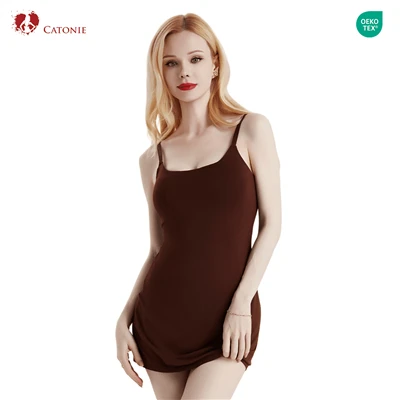
The Full Slip: This garment looks like a simple, sleeveless dress and extends from the bust to the hemline. It is hung from the shoulders by thin, often adjustable straps. A full slip is worn under a dress and provides a continuous, smooth line from top to bottom. It combines the function of a camisole and a half slip into one piece. Full slips were often beautifully detailed with lace at the bust and hem, making them lovely objects in their own right.
The Half Slip: Also known as a waist slip, this garment is essentially a simple skirt worn from the natural waist. It was the perfect companion to a skirt-and-blouse combination. It served all the same functions as a full slip but only for the lower half of the body, providing modesty, preventing static, and ensuring the skirt hung correctly. Half slips also came in various lengths to correspond with different skirt hemlines.
The choice was purely situational. A dress called for a full slip; a skirt required a half slip. It was a simple and logical system that ensured the wearer was always appropriately and comfortably attired.
The Modern Slip: From Simple Liners to Lingerie Statements
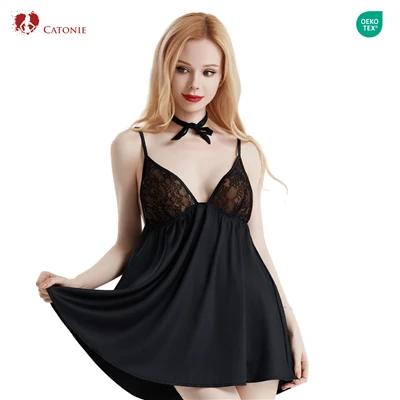
While the daily, utilitarian need for a slip has diminished with the rise of lined clothing and modern fabrics, the slip has not disappeared entirely. It has evolved. Today, the slip often blurs the lines between underwear and outerwear, or between underwear and sleepwear. A beautiful, lace-trimmed silk or satin slip, once hidden, might now be worn as a "slip dress" on its own. The simple half slip still exists as a practical "skirt liner" for those who need to add a layer of opacity or smoothness under an unlined skirt.
In the context of pin up undergarments, the slip remains a vital component for authenticity and polish. A vintage-style slip made of nylon tricot with a lace trim is the perfect finishing touch under a 1950s frock. It completes the layering process that is so integral to the era's style. More than just a practical item, the act of putting on a slip adds to the ritual of creating the pin-up look. It is a quiet moment of self-care, a final, soft layer that readies you to face the world with confidence and poise.
Frequently Asked Questions
Can I wear pin up undergarments as daily wear?
Absolutely. While more structured pieces like a corselet are best for special occasions, items like high-waisted briefs, soft-cup bullet-style bras, and slips are perfectly suitable for daily wear. Modern reproductions are designed with comfort in mind, using stretch fabrics that make them much more practical than their vintage counterparts.
How do I find my size in vintage-style lingerie?
Sizing for vintage-reproduction lingerie can differ from modern sizing. It is best to ignore your usual size number and rely on your actual body measurements. Use a soft measuring tape to find your bust, underbust, waist, and hip measurements in inches or centimeters. Compare these measurements to the specific size chart provided by the brand you are purchasing from, as charts can vary significantly between manufacturers.
What's the difference between a corset, a girdle, and a waist cincher?
A corset is the most structured, typically using steel boning and a lace-up back to dramatically reduce the waist size. A waist cincher is a less extreme version, a wide belt that cinches the waist but doesn't usually extend over the bust or hips. A girdle is primarily for smoothing and compressing the hips, stomach, and thighs, made from elasticized fabric with less rigid boning than a corset.
Are pin up undergarments comfortable?
Comfort is subjective and highly dependent on the garment and its fit. A well-fitted, modern reproduction high-waisted brief or garter belt can be very comfortable. Heavily boned pieces like a Merry Widow will be more restrictive by nature. The key is an accurate fit and high-quality materials. Many people find the feeling of being "held" and supported by these garments to be comforting and confidence-boosting.
How do I wash and care for these delicate items?
Always check the care label first. As a general rule, hand washing in cool water with a gentle lingerie detergent is the safest method for all pin up undergarments, especially those with lace, boning, or garter clips. Always air dry your items; never put them in a machine dryer, as the heat can destroy elastic, warp boning, and damage delicate fabrics.
What is the most foundational piece to start a pin up collection?
The best starting point is a high-waisted brief. It is the most versatile piece and provides the essential smooth foundation required for almost any vintage-inspired outfit, from pencil skirts to swing dresses. It makes an immediate difference in how your clothes fit and is a comfortable introduction to the world of shaping undergarments.
Conclusion
The exploration of pin up undergarments reveals a world of intricate design, thoughtful engineering, and profound cultural meaning. These pieces are far more than mere lingerie; they are the architectural framework that gives the iconic mid-century silhouette its structure and grace. From the smoothing power of a high-waisted brief to the dramatic point of a bullet bra, each garment plays a specific and calculated role. To engage with these underpinnings in the 21st century is to do more than simply replicate a historical look. It is an act of appreciating the artistry and intention behind a different mode of dress. It is a choice to embrace a structured form of femininity and to experience the unique confidence that comes from building a look from the foundation outward. Whether for a special occasion or as a part of a dedicated vintage lifestyle, these garments offer a tangible connection to the enduring glamour of the pin-up era, reminding us that what lies beneath is just as important as the final presentation.
References
Buszek, M. E. (2006). Pin-up grrrls: Feminism, sexuality, popular culture. Duke University Press.
Fields, J. (2007). An intimate affair: Women, lingerie, and sexuality. University of California Press.
Handley, S. (1999). Nylon: The story of a fashion revolution. Johns Hopkins University Press.
Steele, V. (2001). The corset: A cultural history. Yale University Press.