Abstract
This exploration examines the multifaceted world of intimate apparel, focusing on the cultural, psychological, and sartorial dimensions that constitute the concept of the sexiest bedroom outfits. It moves beyond a purely aesthetic analysis to investigate how garments such as lace teddies, satin robes, and corsets function as tools for self-expression, confidence-building, and the negotiation of identity within private spaces. The analysis considers the historical evolution of these items, tracing their transformation from functional underpinnings to potent symbols of empowerment and sensuality. By examining materials like silk, lace, and leather, the discourse delves into the tactile and sensory experiences that contribute to their appeal. Furthermore, it assesses the role of fit, cut, and personal preference in shaping an individual's perception of what is alluring. The objective is to provide a comprehensive framework for understanding how intimate apparel serves not merely as clothing, but as a complex language of personal narrative, emotional articulation, and cultivated intimacy in 2025.
Key Takeaways
1. Focus on fabrics like silk and lace for a luxurious, sensory experience.
2. Select styles, such as bodysuits or babydolls, that celebrate your unique body shape.
3. Experiment with layering robes over lingerie sets for added mystery and elegance.
4. Embrace bold details like cutouts and harnesses to express personal style.
5. Prioritize proper fit to ensure both comfort and confidence in your appearance.
6. Explore different colors to evoke specific moods and feelings.
7. Understand that the sexiest bedroom outfits are those that make you feel empowered.
The Language of Intimate Apparel: A Deeper Understanding
To begin a dialogue about the sexiest bedroom outfits requires us to first establish a more nuanced vocabulary, one that transcends simple notions of attraction. The garments we choose to wear in our most private moments are not merely objects; they are conduits of emotion, extensions of identity, and participants in the narrative of our personal lives. Their power lies not in a universal standard of beauty, but in their capacity to articulate feelings, build confidence, and facilitate a deeper connection with oneself and with a partner. The choice of a particular piece of lingerie is an act of communication, a silent yet profound statement about mood, intention, and self-perception.
Beyond Seduction: Self-Expression and Confidence
The modern understanding of intimate apparel has evolved significantly from its historical predecessors. While the element of seduction remains a valid and celebrated aspect, it is no longer the sole or even primary function. For many, the act of selecting and wearing a beautiful lingerie set is a private ritual of self-care and empowerment. It is a way of honoring one's own body, of finding beauty in its unique forms and contours. The sensation of fine lace against the skin or the elegant drape of a silk robe can foster a sense of worthiness and grace that is independent of an observer's gaze. This internal validation is perhaps the most potent quality of the sexiest bedroom outfits; they cultivate a confidence that radiates from within. This perspective aligns with a broader cultural shift towards viewing fashion, even private fashion, as a form of self-expression rather than purely a means of appealing to others (Entwistle, 2015). The garment becomes a second skin that reflects an internal state, whether that be playfulness, power, vulnerability, or serene comfort.
The Psychology of Fabric and Fit
The materials from which intimate apparel is crafted are central to its emotional impact. Our sense of touch is deeply connected to our psychological state, and different textures can evoke a wide range of feelings. Silk and satin, with their smooth, cool glide, often connote luxury, elegance, and a sense of fluid movement. Lace, with its intricate patterns and delicate texture, can suggest romance, artistry, and a hint of mystery. Mesh and other sheer fabrics play with the concepts of concealment and revelation, creating a dynamic tension that is inherently alluring. Even the structure of a garment-the supportive architecture of a well-made bra or the gentle constriction of a corset-can alter one's posture and bearing, instilling a feeling of being more composed and powerful.
Fit is the silent partner to fabric in this psychological dance. An ill-fitting garment, no matter how beautiful, will create distraction and discomfort, undermining the very confidence it is meant to inspire. A piece that fits perfectly, conversely, feels like a natural extension of the body. It moves with the wearer, supports where needed, and enhances the body's natural lines without restriction. This synergy between body, fabric, and fit is where the true magic lies. It is the foundation upon which the feeling of being "sexy" is built, a feeling rooted in comfort, security, and the freedom to be oneself. The pursuit of the perfect fit is not vanity; it is a fundamental aspect of realizing the full expressive potential of these garments.
|
Feature |
Satin |
Silk |
Lace |
Mesh |
|
Origin |
Woven Fabric (Polyester, Nylon, Silk) |
Natural Protein Fiber |
Ornamental Openwork Fabric |
Knitted or Woven Fabric |
|
Feel |
Smooth, Glossy, Cool |
Extremely Smooth, Soft, Luxurious |
Textured, Intricate, Delicate |
Lightweight, Breathable, Stretchy |
|
Appearance |
High Sheen |
Natural Luster |
Sheer, Patterned, Romantic |
Transparent to Opaque |
|
Breathability |
Low to Moderate |
High |
High |
Very High |
|
Care |
Hand Wash or Delicate Cycle, Cool Water |
Hand Wash Only, pH Neutral Detergent |
Hand Wash Only, Very Gently |
Hand Wash or Delicate Cycle |
|
Cost |
Affordable to Moderate |
High |
Moderate to Very High |
Affordable |
|
Psychological Cue |
Opulence, Glamour, Fluidity |
Ultimate Luxury, Sensuality, Natural |
Romance, Femininity, Mystery |
Modern, Playful, Daring |
Style 1:The Timeless Allure of the Lace Teddy
Among the pantheon of intimate apparel, the lace teddy holds a particularly iconic status. It is a garment that masterfully balances innocence and provocation, coverage and exposure. A one-piece style that resembles a camisole connected to panties, the teddy has persisted through decades of changing fashion trends, continually reinventing itself while retaining its core identity. Its enduring appeal lies in its versatility; it can be sweet or sultry, demure or daring, depending on the cut, the type of lace, and the way it is worn. Understanding the lace teddy is to understand a central piece in the history of what constitutes the sexiest bedroom outfits.
A Brief History: From Nightgown to Icon
The term "teddy" as applied to lingerie emerged in the early 20th century, deriving its name from the "Teddy Bear" craze inspired by President Theodore Roosevelt. The initial garments were loose, one-piece undergarments, far more functional than their modern, form-fitting counterparts. It was not until the 1970s and 1980s, a period of liberation and expressive fashion, that the teddy was reborn as a piece of desirable, sensual lingerie (Cox, 2018). Designers began crafting them from luxurious materials like silk and, most importantly, lace. This transformation shifted the teddy from a practical underthing to a statement piece, a garment designed to be seen and admired in its own right. It captured a spirit of playful femininity, offering a more comfortable and less restrictive alternative to the corsets and girdles of previous eras.
Deconstructing the 2025 Lace Teddy: Modern Cuts and Details
The lace teddy of 2025 is a study in sophisticated design. While classic silhouettes remain popular, contemporary versions incorporate a range of modern details that cater to diverse tastes. High-leg or "French" cuts are prominent, creating the illusion of longer legs and accentuating the curve of the hip. Plunging V-necklines, often extending to the navel, offer a dramatic focal point, drawing the eye downward. Cutouts are another key trend, with strategically placed openings at the sides, back, or torso that play with negative space and highlight the skin beneath. Many modern teddies also feature a "crotchless" or open-gusset design, blending aesthetic appeal with practical considerations for intimacy. The integration of strappy details, inspired by harness designs, adds an edgy, geometric element to the traditional softness of lace, creating a compelling visual contrast. These design choices reflect a desire for lingerie that is not just beautiful but also architecturally interesting and deeply personal.
Choosing the Right Lace for Your Skin Tone and Body Shape
Not all lace is created equal. The type of lace used in a teddy dramatically affects its look, feel, and how it interacts with the body.
- Chantilly Lace: Known for its fine, delicate net background and detailed floral patterns, Chantilly lace is incredibly soft and lightweight. It drapes beautifully over the body's curves and is ideal for a romantic, classic look. Its sheerness is one of its defining, alluring qualities.
- Alençon Lace: This is a needlepoint lace, often featuring a raised floral design outlined with a heavier thread (cording). It has more structure than Chantilly lace, making it excellent for providing subtle shaping and a more defined silhouette. It looks particularly striking against contrasting skin tones.
- Eyelash Lace: Characterized by the feathery, scalloped edge that resembles eyelashes, this type of lace adds a soft, whimsical finish to the hemlines and leg openings of a teddy. It is incredibly feminine and delicate.
- Stretch Lace: Incorporating elastic fibers like spandex, stretch lace offers the beauty of traditional lace with the added benefit of a flexible, body-hugging fit. This makes it an exceptionally comfortable option that adapts to movement, ideal for those who prioritize comfort alongside style.
When selecting a color, consider how it will complement your skin's undertones. Classic black is universally flattering and offers a timeless, powerful statement. White or ivory can evoke a sense of bridal purity or fresh innocence. Deep jewel tones like emerald, sapphire, or ruby create a rich, luxurious mood, while soft pastels feel more playful and romantic. The choice of lace and color are personal decisions that allow the wearer to tailor the garment to their specific aesthetic and desired emotional expression, making it one of the most customizable of the sexiest bedroom outfits.
The Art of Wearing a Teddy: Styling for Intimacy and Leisure
A lace teddy is a complete outfit on its own, yet its allure can be enhanced through thoughtful styling. For an added layer of mystique, it can be worn under a sheer or satin robe, allowing for a gradual reveal. Pairing a teddy with thigh-high stockings and a garter belt introduces a classic element of pin-up glamour, transforming the look into something more elaborate and intentional. For a more relaxed, loungewear approach, a soft, oversized cardigan can be worn over a teddy, creating a cozy yet sensual ensemble perfect for a quiet evening in. The key is to see the teddy not as a static item, but as a versatile base for creating different moods and scenarios. The confidence it inspires can even lead some to style it for wear outside the bedroom, with a high-waisted skirt or trousers and a blazer, blurring the lines between innerwear and outerwear.
|
Style Element |
Body Shape: Pear (Wider Hips) |
Body Shape: Apple (Wider Torso) |
Body Shape: Hourglass (Defined Waist) |
Body Shape: Rectangle (Less Defined Waist) |
|
Lace Teddy |
Look for styles with detailing on the bust to draw the eye upward. A-line or slightly flared bottoms can skim over hips. |
Plunging V-necks create a vertical line. Styles with a looser fit around the midsection offer comfort. |
A fitted teddy that cinches at the waist will highlight your natural curves beautifully. |
Teddies with side cutouts or a belted waist can help create the illusion of a more defined waistline. |
|
Satin Robe |
A short to mid-length robe keeps the focus on the upper body and legs. |
A long, flowing robe creates an elegant, elongating silhouette. Darker colors can be very flattering. |
A wrap-style robe with a tie belt is perfect for accentuating the waist. |
A robe with structured shoulders or dramatic sleeves adds volume and creates shape. |
|
Bodysuit |
High-cut leg openings elongate the legs. A style with a lighter color on top and darker on the bottom balances proportions. |
Bodysuits with ruched or draped fabric across the stomach can be very forgiving. Wrap styles are also excellent. |
Any well-fitted bodysuit will look stunning. Styles that emphasize the waist are particularly effective. |
Look for bodysuits with contrasting panels or geometric cutouts to add visual interest and shape. |
|
Babydoll |
The empire waist and flared skirt are ideal, as they highlight the bust while flowing gracefully over the hips. |
This style is exceptionally flattering as it draws attention to the shoulders and bust, away from the midsection. |
A babydoll enhances the bust and flows nicely over the curves, maintaining a balanced look. |
A shorter babydoll can showcase great legs. Look for styles with lots of bust detail. |
Style 2:The Luxurious Embrace of the Satin Robe
The satin robe occupies a unique space in the lexicon of intimate apparel. It is both a practical garment and an object of profound glamour. Serving as a transitional piece, it bridges the gap between being dressed and undressed, public and private. Its power lies in its movement-the way it flows and drapes, concealing and revealing with every step. A satin robe is not merely a cover-up; it is an essential component of the ritual of preparing for the evening or unwinding after a long day. It adds a layer of sophistication and deliberate elegance to any collection of bedroom attire, elevating even the simplest pairing of undergarments into one of the sexiest bedroom outfits.
The Cultural Significance of the Robe
The concept of a dressing gown or robe has a long and storied history, with origins in the 17th-century banyan, a loose-fitting garment worn by men of leisure, inspired by Japanese kimonos. Over time, it evolved into a staple of both male and female wardrobes, a symbol of domestic comfort and refined status. In the golden age of Hollywood, the satin robe became synonymous with cinematic glamour. Film icons from Jean Harlow to Elizabeth Taylor were frequently depicted gliding across their lavish bedrooms in floor-length satin creations, cementing the robe's association with luxury, mystery, and feminine power. This cultural inheritance informs our perception of the satin robe today; to wear one is to connect with a history of elegance and to participate in a timeless fantasy of grace and allure.
Satin vs. Silk: A Question of Feel and Function
While often used interchangeably, satin and silk are not the same, a distinction that is crucial when selecting a high-quality robe. Silk is a natural protein fiber produced by silkworms. It is renowned for its incredible softness, natural sheen, breathability, and hypoallergenic properties. A pure silk robe feels almost weightless against the skin, regulating body temperature to be cool in the summer and warm in the winter.
Satin, on the other hand, is a type of weave, not a raw material. The satin weave creates a fabric with a glossy, smooth surface on one side and a duller surface on the other. Satin can be made from silk, but it is more commonly made from synthetic fibers like polyester or nylon. Polyester satin offers a similar look and feel to silk at a much more accessible price point. It is also more durable and less prone to wrinkling. However, it lacks the breathability of natural silk, which can be a consideration for those who tend to sleep warm. The choice between them is a balance of budget, desired feel, and care considerations. For the ultimate in luxury, nothing compares to pure silk, but a well-made polyester satin robe provides a beautiful and practical alternative for creating one of the sexiest bedroom outfits.
How to Select the Perfect Satin Robe: Length, Color, and Embellishments
The personality of a satin robe is largely determined by its length.
- Short Robes: These typically end at the mid-thigh and offer a playful, flirtatious look. They are perfect for showcasing the legs and are often paired with teddies or short chemises.
- Mid-Length Robes: Falling to the knee or calf, these robes provide a bit more coverage while still feeling elegant and unencumbered. They are a versatile option that works well with a variety of lingerie styles.
- Floor-Length Robes: The epitome of drama and glamour, a long robe that sweeps the floor creates a truly cinematic entrance. It offers maximum coverage and a feeling of regal elegance, perfect for a special occasion or simply for indulging in a moment of high-end fantasy.
Color plays a vital role in setting the mood. A black satin robe is a powerful, classic choice that exudes sophistication. A white or cream robe feels bridal, pure, and luxurious. Deep red or burgundy suggests passion and romance, while soft shades like blush pink or champagne feel gentle and romantic. Embellishments add another layer of detail. Lace trim along the cuffs and hemline can soften the sleekness of the satin, adding a romantic touch. Feather-trimmed robes hearken back to the glamour of Old Hollywood, while embroidered details can add a personal, artisanal feel.
Integrating a Robe into Your Evening Ritual
A satin robe is more than just an item of clothing; it is an invitation to slow down and create a ritual of relaxation and self-appreciation. The act of slipping it on can signal a transition from the stresses of the day to a time of personal peace and intimacy. It can be worn while preparing for an evening out, adding a touch of glamour to the process of applying makeup or styling hair. Conversely, it is the perfect garment for unwinding at the end of the night, perhaps while enjoying a glass of wine or reading a book. When worn over other lingerie, it becomes part of the art of the reveal, building anticipation and adding a layer of mystery. By incorporating a beautiful satin robe into these daily moments, the mundane becomes elevated, and the act of simply being in one's private space becomes an experience of quiet luxury.

Style 3:The Bold Statement of the Bodysuit
The bodysuit is arguably one of the most powerful and versatile garments in the modern lingerie wardrobe. A single, streamlined piece that hugs the body's contours, it projects an image of sleek confidence and undeniable strength. Unlike more delicate styles, the bodysuit often has a graphic, architectural quality that sculpts and defines the silhouette. Its rise to prominence as a cornerstone of intimate apparel speaks to a contemporary desire for pieces that are both sensual and empowering. The bodysuit's ability to transition from the bedroom to a component of an outerwear ensemble makes it a particularly modern and valuable choice when curating a collection of the sexiest bedroom outfits.
The Evolution of the Bodysuit: From Leotard to Lingerie
The bodysuit's origins can be traced back to the 19th-century acrobat Jules Léotard, who designed a one-piece garment that allowed for complete freedom of movement. For much of its history, the leotard remained firmly in the realm of athletics and dance. Its entry into mainstream fashion began in the 1970s and 80s, championed by designers like Donna Karan who saw its potential as a smooth, foundational layering piece for professional women. Simultaneously, lingerie designers began to experiment with the form, crafting bodysuits from lace, mesh, and other sensual fabrics. They took the practical, athletic silhouette and imbued it with the codes of seduction: lower necklines, higher-cut legs, and revealing materials. This fusion of function and fantasy is what defines the modern lingerie bodysuit, a garment that retains its athletic sleekness while fully embracing its role as an object of desire.
2025 Trends: Cutouts, Asymmetry, and High-Leg Silhouettes
The bodysuits of 2025 are pushing design boundaries. The classic lace or mesh bodysuit remains a staple, but designers are increasingly playing with form and structure.
- Strategic Cutouts: More than just simple openings, the cutouts in modern bodysuits are designed to function as a form of "body-mapping." They are placed to highlight the curve of the waist, the line of the hips, or the expanse of the back, drawing attention to specific parts of the body in a way that feels intentional and artful.
- Asymmetry: One-shoulder designs, single long sleeves, or diagonally cut panels are becoming more common. This move away from perfect symmetry creates a dynamic visual tension and a high-fashion, avant-garde feel. It subverts expectations and turns the body into a canvas for geometric play.
- High-Leg Silhouettes: The influence of 1980s and 90s fashion continues with the prevalence of extremely high-cut leg openings. This design elongates the legs, creates a more dramatic curve at the hip, and has a distinctly bold, unapologetic feel.
- Mixing Materials: Bodysuits that combine different textures-such as opaque microfiber with sheer mesh panels, or smooth satin with intricate lace insets-are very popular. This textural interplay adds depth and complexity to the garment. Many of these modern styles can be found among collections of erotic lingerie that prioritize cutting-edge design.
The Bodysuit as Outerwear: A Daring Fashion Choice
One of the defining features of the modern bodysuit is its ability to blur the line between lingerie and ready-to-wear. This "innerwear as outerwear" trend has been gaining momentum for years and shows no signs of abating. A lace bodysuit can be styled with high-waisted trousers and a blazer for a sophisticated evening look that offers a hint of sensuality. A simple, sleek microfiber bodysuit can replace a t-shirt or camisole, providing a perfectly smooth, tucked-in line under skirts or jeans. This versatility makes the bodysuit an incredibly valuable investment. It is a garment that can be a secret source of confidence worn under everyday clothes, a central piece in one of the sexiest bedroom outfits, or a bold fashion statement for a night out.
Finding the Perfect Fit: Support and Structure
Because a bodysuit is a single, form-fitting garment, achieving the right fit is paramount. The most important measurement is the torso length. A bodysuit that is too short in the torso will pull uncomfortably, while one that is too long will bunch and wrinkle. Many brands now offer bodysuits in different torso lengths or with adjustable straps and gussets to accommodate a wider range of body types.
Support in the bust is another key consideration. Some bodysuits come with built-in underwires and molded cups, offering the same level of support as a traditional bra. These are excellent options for those with larger busts. Other styles are soft-cupped or wireless, relying on the tension of the fabric for light support, making them better suited for smaller cup sizes. Pay attention to the fabric's properties; a bodysuit made from a firm, compressive material will offer more shaping and smoothing than one made from a soft, stretchy lace. Trying on different styles is the best way to discover what provides the right balance of comfort, support, and aesthetic appeal for your unique body.
Style 4:The Playful Charm of the Babydoll and Chemise
In the landscape of intimate apparel, the babydoll and its close cousin, the chemise, represent a softer, more romantic form of allure. Characterized by their loose, flowing silhouettes, these garments prioritize comfort and a sense of playful femininity. Unlike the body-conscious fit of a teddy or bodysuit, the babydoll floats away from the body, creating a shape that is both forgiving and flirtatious. It hints at the form beneath without clinging to it, an approach to sensuality that is rooted in suggestion rather than explicit revelation. This combination of comfort and charm makes the babydoll a beloved and enduring choice for one of the sexiest bedroom outfits.
The Cinematic Origins of the Babydoll
The babydoll as we know it made its dramatic debut in the 1956 film Baby Doll. The costume designer created a short, flirty nightgown for the film's lead character, and the style's name became inextricably linked with the movie. The garment's design, with its high, empire waist and very short, flared skirt, captured a sense of coquettish innocence and underlying sensuality that resonated with the public. It represented a departure from the more structured and restrictive lingerie of the preceding decades, offering a vision of femininity that was youthful, free-spirited, and comfortable. The babydoll quickly became a popular style of nightwear, a symbol of playful, girlish charm that has remained a staple in lingerie collections ever since.
Distinguishing Between a Babydoll and a Chemise
While the terms are sometimes used interchangeably, there are subtle but important differences between a babydoll and a chemise.
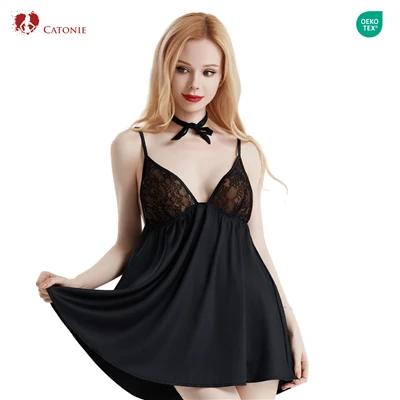
- The Babydoll: The defining feature of a babydoll is its empire waist, with the seam sitting just below the bust. From this seam, the fabric flares out into a short, A-line skirt, typically ending at the upper to mid-thigh. The bust area is often made of fitted lace or gathered fabric, and the garment is almost always sold as a set with a matching pair of panties or a thong, as its short length provides minimal coverage.
- The Chemise: A chemise, also known as a slip, is generally cut with a straight or slightly A-line silhouette that falls from the shoulders without a defined waist. It is typically longer than a babydoll, ranging from mid-thigh to knee-length. While it can be made from sensual materials like silk or lace, its origins are as a simple undergarment worn to protect outer clothing from body oils. The modern chemise is a versatile piece that can function as a nightgown, a slip under a sheer dress, or a simple, elegant piece of loungewear on its own.
Essentially, the babydoll is defined by its empire waist and very short length, creating a distinctly playful and flirtatious silhouette. The chemise is simpler in its cut, offering a more streamlined and elegant drape.
Fabric Choices: From Sheer Chiffon to Soft Modal
The fabric of a babydoll or chemise is crucial to its character. The classic babydoll is often crafted from sheer, lightweight fabrics that enhance its ethereal, floating quality.
- Chiffon or Georgette: These sheer, woven fabrics are the traditional choice for babydolls. They are incredibly lightweight and have a delicate, airy feel that moves beautifully.
- Tulle or Mesh: A soft, fine netting, often used in layers, can create a voluminous, frothy skirt that adds to the garment's playful "cupcake" silhouette.
- Modal or Bamboo Jersey: For those who prioritize comfort above all else, babydolls and chemises made from ultra-soft knit fabrics like modal or bamboo are an excellent choice. These materials are incredibly soft, breathable, and have a beautiful, fluid drape, offering the ultimate in comfortable sleepwear.
- Silk or Satin: A chemise made from silk or satin transforms it from a simple nightgown into a piece of luxurious loungewear. The smooth, cool feel of the fabric against the skin is the epitome of simple elegance.
How This Style Flatters Various Body Shapes
The babydoll silhouette is famously flattering for a wide variety of body types, which is a key reason for its enduring popularity. The empire waist design draws attention to the bust and shoulders, often the narrowest part of a woman's torso. The flared skirt skims gracefully over the midsection and hips, providing coverage without clinging. This makes it a particularly wonderful option for those who may feel self-conscious about their stomach or hips, such as individuals with an Apple or Pear body shape. It allows the wearer to feel sensual and alluring without the pressure of a body-hugging garment. The short hemline is also excellent for showcasing the legs. This forgiving yet flirtatious cut allows many to feel confident and beautiful, cementing its place as one of the most universally appealing of the sexiest bedroom outfits.
Style 5:The Intricate World of Corsets and Bustiers
Stepping into the world of corsets and bustiers is to engage with a rich and complex history of fashion, power, and the female form. These are not mere undergarments; they are pieces of structural engineering designed to sculpt the body, alter posture, and create a dramatic, hourglass silhouette. In the context of modern intimate apparel, the corset has been reclaimed from its restrictive past and reimagined as a symbol of feminine power and intentional sensuality. Wearing a corset or bustier is a transformative experience, a conscious decision to inhabit a more theatrical and commanding version of oneself. It is, for many, the ultimate expression in the realm of the sexiest bedroom outfits.
A Controversial History: From Restriction to Empowerment
The history of the corset is long and fraught with controversy. For centuries, from the Renaissance through the Victorian era, corsets made with rigid materials like whalebone (baleen) were a mandatory part of a woman's wardrobe, used to cinch the waist to impossibly small dimensions and conform the body to the fashionable ideal of the time. These garments were often physically restrictive, limiting movement and even breathing, a potent symbol of the social constraints placed upon women (Steele, 2001).
The 20th century saw a rebellion against this constriction, with women embracing more natural and comfortable silhouettes. However, the corset never truly disappeared. In the latter half of the century, it was re-appropriated by subcultures like punk and goth, and later by high-fashion designers and pop stars like Madonna, who wore Jean Paul Gaultier's conical bra corset as a piece of confrontational outerwear. This act of bringing the undergarment out into the open was revolutionary. It transformed the corset from a tool of oppression into an emblem of sexual agency and female empowerment. The modern wearer chooses the corset; it is not imposed upon her.
Modern Corsetry: Comfort, Style, and Waist Training
Today's corsets are a world away from their historical ancestors. While traditional steel-boned corsets still exist for enthusiasts and those interested in "waist training" (the practice of gradually reducing waist size through consistent wear), the majority of corsets and bustiers sold as lingerie are designed with fashion and comfort in mind. They typically use flexible plastic boning or "rigilene," which provides structure and shape without the extreme rigidity of steel. Fabrics are often softer, incorporating lace, satin, and mesh, and many feature front busk closures and back lacing for adjustability. These "fashion corsets" offer the aesthetic of historical corsetry-the cinched waist, the lifted bust-without the physical discomfort. They are designed to be worn for a few hours at a time as part of a specific look, making them a dramatic and exciting addition to a collection of sexy lingerie sets.
Bustier vs. Corset: Understanding the Key Differences
The terms "bustier" and "corset" are often confused, but they refer to distinct garments.
- Corset: A true corset is a garment designed primarily to shape the torso by cinching the waist. Its length can vary, from "underbust" styles that start below the bust to "overbust" styles that cover and support the bust. Its defining feature is its structural rigidity and its ability to significantly reduce the waist measurement, typically through back lacing that can be pulled tight.
- Bustier: A bustier is essentially a longline bra that extends down to the waist or hips. Its primary function is to lift and support the bust, much like a bra. While it may have some light boning for structure and a smoothing effect on the midriff, it is not designed to cinch or reduce the waist in the way a corset is. A bustier is generally less restrictive and more comfortable than a corset, combining the function of a bra with the look of a bodice.
For those seeking the dramatic hourglass shape, a corset is the appropriate choice. For those who want bust support combined with a beautiful, elongated top, a bustier is the ideal option.
Styling a Corset for the Bedroom and Beyond
In the bedroom, an overbust corset is a complete and powerful statement on its own, often paired simply with a matching thong and stockings. The way it reshapes the posture, forcing the shoulders back and lifting the chest, creates an immediate air of confidence and command. An underbust corset offers more versatility, as it can be layered over a delicate bra or even a simple chemise, creating a multi-textured and visually complex look.
Like the bodysuit, the corset and bustier have also found a firm footing as outerwear. A bustier top can be paired with a high-waisted skirt or wide-leg trousers for a chic and daring evening ensemble. A sleek, black corset can be worn over a crisp white button-down shirt, a high-fashion look that plays with conventions of masculine and feminine dressing. This adaptability makes the corset a truly transformative piece, capable of creating some of the most commanding and sexiest bedroom outfits while also serving as a bold centerpiece for a public-facing wardrobe.
Style 6:The Edgy Appeal of Harnesses and Strappy Sets
A significant trend in recent years has been the movement of alternative and fetish-inspired aesthetics into the mainstream lingerie market. At the forefront of this movement are harnesses and strappy lingerie sets. These pieces utilize straps, buckles, and geometric shapes to frame the body, creating a look that is bold, graphic, and unapologetically modern. Unlike lingerie that relies on the softness of lace or the sheen of satin, the appeal of a harness lies in its structure and its stark contrast against the skin. It is an approach to sensuality that is less about romanticism and more about power, confidence, and a touch of rebellion, making it one of the most contemporary interpretations of the sexiest bedroom outfits.
The Rise of Alternative and Fetish-Inspired Lingerie
Historically, items like harnesses, leather, and intricate strap work were confined to niche fetish communities. Their emergence into the broader fashion consciousness can be traced through the influence of punk and goth subcultures in the late 20th century, which embraced these elements as symbols of anti-establishment rebellion. In the 2010s, high-fashion designers began incorporating these ideas onto the runway, and social media platforms like Instagram allowed for the rapid dissemination of these new, edgier aesthetics. This exposure demystified fetish wear, reframing it from something hidden or taboo into a valid and exciting form of fashion expression. Lingerie brands responded to this new demand, creating accessible, fashion-forward harnesses and strappy sets that allow a wider audience to explore this powerful aesthetic.
Materials of Choice: Leather, Elastic, and Chains
The materials used in harness-style lingerie are key to their character and function.
- Leather: The classic material for harnesses, leather (both real and vegan/faux) offers structure, durability, and a smooth, commanding finish. It has a primal, powerful connotation and can be molded to the body over time.
- Elastic: Wide, soft-backed elastic is the most common material for lingerie harnesses today. It provides the visual impact of a harness with the significant benefit of flexibility and comfort. The stretch allows the garment to hug the body's curves and move with the wearer, making it much more practical for extended wear than rigid leather.
- Satin or Velvet strapping: For a softer take on the trend, some harnesses are made from straps of satin or velvet, often backed with elastic. This combines the geometric structure of a harness with a more traditionally luxurious and tactile material.
- Chains: Delicate body chains, either integrated into a harness or worn on their own, offer a lighter, more jewelry-like interpretation of the trend. They catch the light and create a subtle, shimmering frame against the skin.
How to Incorporate Harnesses into Your Wardrobe
Harnesses are incredibly versatile and can be styled in numerous ways, both in and out of the bedroom.
- As a Standalone Piece: A full-body harness can be a stunning and complete lingerie look on its own, a graphic cage that accentuates the body's natural form.
- Layered Over Lingerie: A simple chest harness or leg garter harness can be layered over a basic bra and panty set to instantly transform it into something more complex and edgy. This is an excellent way to experiment with the trend without committing to a full strappy set.
- As an Accessory for Outerwear: The true versatility of the harness is revealed when it is treated as an accessory. A chest harness can be worn over a simple t-shirt or under a button-down shirt with the top buttons undone, adding an unexpected flash of detail. A waist-cinching harness can function like a belt, worn over a dress or a loose sweater to create definition and add a touch of toughness.
Safety and Comfort Considerations
When exploring harnesses and strappy lingerie, especially those with more complex designs or restrictive materials like leather, comfort and safety are important. Ensure that all straps are adjustable and can be fitted to your body without digging in or restricting circulation. The goal is a snug fit that feels secure, not a tight one that causes pain. With elastic harnesses, check that the material is soft-backed to prevent chafing. With pieces that involve buckles or chains, be mindful of any potential to pinch the skin. A well-designed harness should feel like a powerful extension of your body, not a constraint. Taking the time to find a piece that fits correctly will ensure that the experience of wearing it is as empowering and comfortable as it is visually striking.

Style 7:The Understated Elegance of High-Waisted Panties & Bralettes
In a world of intricate straps and dramatic structures, there is a profound and growing appreciation for the beauty of simplicity. The pairing of a high-waisted panty with a soft, unstructured bralette has become a dominant force in modern lingerie. This combination champions comfort, a sense of vintage nostalgia, and a relaxed, natural approach to sensuality. It moves away from the idea that "sexy" must be complicated or uncomfortable, proposing instead that confidence and allure can be found in clean lines, soft fabrics, and a silhouette that celebrates the body's natural shape. This understated approach has firmly established itself as a go-to choice for one of the sexiest bedroom outfits for the modern woman.
The Vintage Revival: Nostalgia in Modern Lingerie
The high-waisted panty silhouette hearkens back to the pin-up glamour of the 1940s and 50s. In that era, before the rise of low-slung fashions, underwear was designed to sit at the natural waist, creating a smooth line under high-waisted skirts and trousers. This cut accentuates the hourglass figure by defining the waist and highlighting the curve of the hips. The modern revival of this style is fueled by a nostalgia for that particular brand of femininity, one that felt both wholesome and deeply alluring. Today's high-waisted panties are often updated with modern fabrics like sheer mesh or detailed with panels of intricate lace, blending the flattering vintage cut with contemporary materials.
The Bralette Revolution: Comfort Meets Style
The rise of the bralette represents a significant shift in lingerie preferences, a collective move away from the heavily padded, rigidly underwired push-up bras that dominated the market for decades. A bralette is a soft, unstructured bra without underwire. It offers light support and prioritizes natural shape and comfort. This "bra-volution" is about embracing a more relaxed and authentic version of the female form (Friedman, 2014). Bralettes come in a vast array of styles, from simple, sporty triangle shapes in cotton to elaborate, longline designs in all-over lace that are intended to be seen. Their popularity speaks to a desire for everyday lingerie that feels as good as it looks, a foundation of comfort from which confidence can naturally grow.
Pairing High-Waisted Bottoms for a Flattering Silhouette
The magic of this combination lies in its proportions. The high-waisted panty sits at the narrowest part of the torso, creating a focal point at the natural waist. This provides a gentle smoothing effect over the lower abdomen and creates a long, elegant line through the torso. When paired with a bralette, which often ends just above the waist, there is only a small section of midriff revealed. This creates a look that is suggestive and alluring without being overly exposed. It is a silhouette that is flattering on a multitude of body types. For those with a straighter figure, it helps to create the illusion of a more defined waist. For those with curvier figures, it celebrates and defines their natural shape.
Why This Combination Is a Staple for Everyday Confidence
More than any other style, the high-waisted panty and bralette set has become a symbol of everyday, wearable sensuality. It is comfortable enough to be worn all day under regular clothing, providing a secret layer of beauty and confidence that only the wearer is aware of. Yet, it is stylish and intentional enough to stand on its own as one of the sexiest bedroom outfits. This duality is its greatest strength. It dissolves the old boundary between "everyday underwear" and "special occasion lingerie." This set proposes that every day is an occasion to feel good in your own skin, and that true sexiness is not something to be put on for a performance, but something that can be quietly and comfortably inhabited as part of one's daily life.
Caring for Your Delicate Garments
Investing in beautiful, high-quality lingerie is only the first step; proper care is essential to preserving its beauty, feel, and fit for years to come. The delicate fabrics and intricate construction of items like lace teddies, silk robes, and structured corsets require a more mindful approach to cleaning than everyday clothing. Taking the time to care for these pieces properly is an act of respect for the craftsmanship of the garment and an investment in your own long-term enjoyment. A well-cared-for piece will remain a treasured part of your collection of the sexiest bedroom outfits.
Hand-Washing vs. Machine-Washing
For the vast majority of delicate lingerie, hand-washing is the gold standard and the most highly recommended method. The agitation, high heat, and potential for snagging in a washing machine can quickly destroy delicate fibers like silk and lace, stretch out elastic, and damage underwires.
The Hand-Washing Process:
- Fill a Basin: Use a clean sink or a small basin and fill it with cool to lukewarm water. Hot water can cause colors to bleed and can damage delicate fibers and elastics.
- Add a Gentle Detergent: Choose a pH-neutral detergent specifically designed for delicates or fine fabrics. Regular laundry detergents can be too harsh. Use only a small amount.
- Submerge and Soak: Place the lingerie in the water and gently agitate it with your hands. Allow it to soak for up to 30 minutes. Avoid vigorous scrubbing or twisting, which can stretch or tear the fabric.
- Rinse Thoroughly: Drain the soapy water and refill the basin with cool, clean water. Gently press the garment against the side of the basin to work the soap out. Repeat until no suds remain.
- Remove Excess Water: Gently squeeze the water out of the garment. Do not wring or twist it. You can also lay the item flat on a clean, thick towel, roll the towel up, and press gently to absorb more water.
If you must use a washing machine, always use a mesh lingerie bag, select the delicate or hand-wash cycle with cold water, and use a mild detergent. Never wash delicates with heavy items like jeans or towels.
Drying and Storing Delicate Fabrics
The dryer is the number one enemy of lingerie. The high heat will destroy elastic, shrink fabrics, and can even melt delicate synthetic laces. Air-drying is the only safe method.
- Lay Flat to Dry: The best method for most items, especially molded-cup bras and structured pieces, is to lay them flat on a towel or a mesh drying rack. This helps them retain their shape.
- Hang to Dry: Robes, chemises, and some soft bralettes can be hung to dry. Use padded hangers to avoid creating shoulder bumps. Avoid using clothespins, which can leave marks and stretch the fabric.
- Avoid Direct Sunlight: Dry your lingerie away from direct sunlight or direct heat, as this can cause colors to fade and can degrade the fibers over time.
Proper storage is also important. Don't just toss your delicate items into a drawer. For bras, stack them behind one another to protect the molded cups from being crushed. Fold panties, teddies, and chemises neatly. For special pieces like silk robes or corsets, consider hanging them on padded hangers in your closet.
Extending the Life of Your Lingerie
A few additional tips can help your favorite pieces last even longer.
- Rotate Your Bras: Avoid wearing the same bra two days in a row. This gives the elastic time to rest and recover its shape.
- Be Mindful of Lotions and Perfumes: Apply body lotions, oils, and perfumes before you get dressed. The alcohol and oils in these products can break down elastic and stain delicate fabrics over time.
- Fasten Hooks Before Washing: When washing bras or corsets, fasten all the hooks and clasps. This prevents them from snagging on delicate lace or mesh.
By treating the care of your lingerie as a mindful ritual rather than a chore, you ensure that these beautiful garments that bring you confidence and joy will remain in pristine condition, ready for any occasion.
Frequently Asked Questions (FAQ)
What is the most universally flattering style of lingerie?
While flattering is subjective, the babydoll silhouette is often considered one of the most universally accommodating styles. Its empire waist highlights the bust and shoulders, while the loose, A-line skirt flows gracefully over the midsection and hips. This makes it a comfortable and confidence-boosting option for a wide variety of body shapes and sizes.
How can I choose lingerie that makes me feel confident?
Confidence in lingerie comes from a combination of personal taste and excellent fit. Start by identifying what styles and aesthetics you are drawn to-are you romantic, minimalist, bold, or classic? Then, prioritize finding pieces that fit your body perfectly. A garment that doesn't dig, pull, or ride up allows you to move freely and forget you're even wearing it. The sexiest bedroom outfits are ultimately the ones that feel like a true and comfortable expression of you.
Can I wear lingerie as outerwear?
Absolutely. The trend of "innerwear as outerwear" is very much in style. Bodysuits can be paired with jeans or skirts, corsets can be worn over shirts or as standalone tops, and a lace bralette can peek out from under a blazer or a low-cut top. The key is to balance the overt sensuality of the lingerie piece with more classic or structured outerwear for a look that feels intentional and chic.
What are the best fabrics for sensitive skin?
For those with sensitive skin, natural, breathable fibers are the best choice. Look for lingerie made from high-quality silk, bamboo, or modal. These fabrics are exceptionally soft, hypoallergenic, and allow for good air circulation, reducing the risk of irritation. While beautiful, some synthetic laces can be irritating, so look for those with a soft backing or opt for pieces where softer fabrics are against the skin.
How often should I replace my lingerie?
There is no hard and fast rule, as the lifespan of a lingerie item depends on its quality, how often it is worn, and how it is cared for. For everyday items like bras, it is often recommended to replace them every 6-12 months, as the elastic will lose its supportive qualities over time. For special occasion pieces that are worn less frequently and cared for properly, they can last for many years. Look for signs of wear like stretched-out bands, faded fabric, or underwires poking through as indicators that it's time for a replacement.
A Final Reflection on Intimate Expression
The journey through the world of intimate apparel reveals a landscape rich with history, artistry, and profound personal meaning. The styles we have explored-from the delicate lace teddy to the commanding corset-are more than just clothing. They are tools for crafting and communicating our identity in our most private spaces. They offer a language through which we can express power, playfulness, romance, or quiet confidence. The search for the sexiest bedroom outfits is not a quest for a single, perfect garment that adheres to an external standard of beauty. Rather, it is an exploration of oneself: an opportunity to discover which textures, shapes, and silhouettes resonate with our inner sense of self and bring us joy. It is a deeply personal process of curating a collection that allows us to feel fully, authentically, and confidently ourselves. In this authenticity, we find the truest and most enduring form of allure.
References
Cox, C. (2018). How to read a dress: A guide to changing fashion from the 16th to the 20th century. Bloomsbury Academic.
Entwistle, J. (2015). The fashioned body: Fashion, dress and modern social theory. Polity Press.
Friedman, V. (2014, October 2). The bra-volution. The New York Times.
Steele, V. (2001). The corset: A cultural history. Yale University Press.
LASCANA. (2025). Sexy Lingerie.
Natori. (2025). Luxury Lingerie.
Shapellx. (2024). Bras & Underwear.
Contrado. (2024). Design your own underwear & nightwear.
Miamur. (2025). Collections.
Made-in-China.com. (2024). Women sexy lingerie manufacturers & suppliers.