Abstract
The 2025 swimwear market reflects a nuanced evolution in design, moving toward a sophisticated interplay of exposure and concealment, with sheer fabrics at the forefront of this shift. This analysis examines the rise of sheer swimwear, not merely as a category of apparel, but as a cultural and aesthetic phenomenon. It investigates the materials, design principles, and consumer psychologies driving the popularity of these garments. The inquiry focuses on how sheer bikini models and the brands they represent are navigating and shaping trends through innovative textiles like architectural mesh, "sheer when wet" technologies, and ethereal overlays. By exploring the convergence of lingerie aesthetics with swimwear construction, the article illuminates how these designs cater to a complex desire for self-expression, confidence, and empowered sensuality. It provides a comprehensive framework for understanding the market dynamics, production challenges, and stylistic directions that define this segment, offering a detailed perspective for designers, brands, and market analysts engaged in the intimate apparel and swimwear industries.
Key Takeaways
1. Embrace architectural mesh for structured, modern, and supportive sheer designs.
2. Explore "sheer when wet" fabrics to offer an element of surprise and allure.
3. Incorporate layered chiffon or organza for romantic and dynamic swimwear aesthetics.
4. Integrate lingerie elements like lace and strapping for a boudoir-inspired look.
5. Use digital prints on sheer bases to create unique, artistic visual effects.
6. Offer customizable sheer panels to empower consumer co-creation and individuality.
7. Strategically place sheer elements on micro-bikinis to enhance minimalist designs.
A Philosophical Inquiry into Sheer Swimwear
Before we can begin to analyze the specific trends that will shape the swimwear landscape in 2025, it is necessary to pause and consider the object of our study itself. What is a sheer bikini? What function does it serve, not just practically, but emotionally and culturally? To approach such an object with the seriousness it deserves requires us to look beyond its material composition and consider the complex web of human desires, vulnerabilities, and expressions it negotiates. The sheer garment is a paradox. It is a form of covering that calls attention to what is covered. It simultaneously conceals and reveals, creating a state of liminality for both the wearer and the observer.
In this space between the seen and the unseen, a powerful dynamic unfolds. The wearer is not simply exposed; she is engaged in a deliberate act of curating her own visibility. This act can be a profound source of empowerment. It is a declaration of confidence in one's own body and a reclamation of the gaze. The decision to wear a sheer bikini is a choice to engage with the world on one's own terms, to control the narrative of one's own presentation. The sheer bikini models who popularize these styles are not merely displaying a product; they are embodying a particular stance toward the self and the world-one of assertive self-possession.
This philosophical underpinning is vital for any brand or designer working in this space. To design a successful sheer garment is to understand this delicate balance. It requires an empathy for the wearer's emotional state-the desire for allure, the need for confidence, the thrill of transgression. It is not about maximizing exposure, but about optimizing expression. The most compelling designs are those that seem to understand this, using transparency not as a blunt instrument, but as a subtle tool to sculpt, to hint, and to celebrate the human form. As we examine the specific trends, from architectural mesh to hydro-chromatic fabrics, we must keep this central tension in mind. Each trend is simply a different dialect in the common language of conceal and reveal, a new way of articulating a timeless human story.
Materiality and Sensation: A Taxonomy of Sheer Fabrics
The experience of sheer swimwear is fundamentally a tactile and visual one, rooted in the specific properties of its constituent materials. The choice of fabric is not a secondary consideration but the very foundation upon which the design's aesthetic and emotional impact is built. A designer's palette is not just color, but texture, weight, drape, and opacity. Understanding the nuances of these materials is akin to a poet understanding the connotations of their words. It is through the masterful selection and combination of these textiles that a garment transcends its function and becomes an object of art. Let us consider a comparative analysis of the most prevalent sheer fabrics in contemporary swimwear design.
|
Fabric Type |
Key Characteristics |
Common Applications |
Wearer Sensation |
Production Notes |
|
Power Mesh |
High spandex content, firm stretch, supportive, durable. |
Structural panels, cut-out stabilization, tummy control. |
Supportive, shaping, secure. |
Requires reinforced seams; can be challenging to sew evenly. |
|
Micro-Mesh/Netting |
Lightweight, soft, high breathability, delicate appearance. |
Overlays, decorative insets, full-body sheer garments. |
Soft, barely-there, highly breathable. |
Prone to snagging; requires fine needles and careful handling. |
|
Swim Chiffon |
Polyester-based, ultra-lightweight, fluid drape, matte finish. |
Cover-ups, detachable skirts, sleeve details. |
Airy, flowing, soft against the skin. |
Very slippery fabric; requires expert cutting and handling. |
|
Stretch Organza |
Crisp hand-feel, structured volume, subtle sheen. |
Ruffles, architectural details, statement sleeves. |
Structured, less conforming, can feel slightly stiff. |
Frays easily; seams often need to be enclosed (French seams). |
|
"Sheer When Wet" Fabric |
Hydro-chromatic properties; opaque when dry, transparent when wet. |
Full bikinis, one-piece suits for novelty effect. |
Standard swimwear feel when dry, changes with moisture. |
Specialized material; printing can be complex. |
This taxonomy reveals that the term 'sheer' is deceptively simple. The difference between the supportive embrace of power mesh and the ethereal drift of chiffon is not one of degree, but of kind. The former speaks a language of strength, structure, and athletic confidence. It is the fabric of choice for designs that aim to sculpt the body, to create clean, architectural lines that appeal to a modern, minimalist sensibility. The latter, by contrast, speaks a language of romance, movement, and fantasy. It is used to create garments that float and billow, that play with light and shadow, evoking a sense of poetic dreaminess.
The designer, therefore, must be a master of material psychology. When choosing a fabric, they are choosing an emotional register. They are deciding whether the garment should feel like a second skin or a floating aura, whether it should project strength or softness, directness or suggestion. The success of the final product, and the way it is received by the discerning consumer, hinges on the wisdom of this initial choice. The most innovative brands are those that not only master existing materials but also drive the development of new ones, constantly seeking new ways to articulate the complex dialogue between the body and the fabric that adorns it.
Trend 1: Architectural Mesh and Structural Transparency
The first significant movement shaping the 2025 swimwear market is the sophisticated use of architectural mesh. This trend represents a departure from simple, uniform sheerness and embraces a more calculated, geometric approach to transparency. It treats the body as a canvas upon which to draw lines and create shapes, using sheer panels as a form of negative space. This is not merely about showing skin; it is about framing it, sculpting it, and integrating it into a cohesive design vision. It is a highly intellectual approach to sensuality, one that privileges structure, form, and intentionality.
Defining the Geometry of Allure
At its core, architectural transparency is about the deliberate placement of sheer mesh panels to create a visual structure. Imagine a classic one-piece swimsuit. Now, imagine its sides are replaced with taught, black power mesh, creating the illusion of a high-cut two-piece while maintaining the continuous line of a monokini. Or consider a high-waisted bikini bottom where a sharp, triangular inset of mesh slices across the hip, drawing the eye and creating a dynamic line. This is the essence of the trend. It uses the contrast between opaque and transparent materials to construct a new silhouette. The effect is modern, graphic, and often athletic. It resonates with a consumer who appreciates clean lines, minimalist aesthetics, and a sense of controlled, confident power. The sheer bikini models who showcase these designs often adopt strong, poised stances, reflecting the garment's inherent structural integrity.
The Engineering of Illusion: Power Mesh and Micro-Netting
The success of this trend is entirely dependent on material innovation. The primary fabric employed is power mesh, a nylon-spandex blend known for its exceptional recovery and firm, compressive stretch. Unlike softer, more decorative meshes, power mesh provides genuine support. When used in a side panel or a midriff section, it holds its shape and offers a subtle contouring effect, smoothing the lines of the body. This functional aspect is what elevates the trend beyond mere decoration. The wearer feels held and supported, even in the sheer sections of the garment.
Micro-netting offers a softer counterpoint. While less structural, its fine, delicate weave can be used for more intricate paneling or as an overlay on top of solid colors to create a 'smoky' or muted effect. The engineering challenge lies in the seams. Joining a high-stretch, opaque swimwear fabric to a sheer mesh panel without puckering or creating weak points requires immense technical skill. Advanced techniques like flatlock stitching and seam bonding are often necessary to achieve the clean, seamless look that the aesthetic demands (Jones, 2023).
The Designer's Calculus: Form, Silhouette, and Negative Space
For the designer, architectural mesh is a tool of immense creative potential. It allows them to play with the very concept of a garment's boundary. A swimsuit is no longer a simple piece of fabric cut to a shape; it is an assemblage of solid and void, presence and absence. Designers are using this principle to deconstruct traditional swimwear forms. They might create a 'floating' bikini top where the cups are connected by a wide band of sheer mesh, or a one-piece that appears to be held together by a scaffold of transparent lines.
This approach requires a profound understanding of the human form. The placement of each sheer panel must be precise. A diagonal line can elongate the torso, while a curved inset can accentuate the waist. The designer is, in effect, a sculptor, using fabric and its absence to shape perception. This is why the trend is so compelling; it is a collaboration between the designer's vision and the wearer's body, resulting in a look that is both personal and highly designed.
The Psychology of Conceal and Reveal
Why is this structured form of sheerness so appealing? It speaks to a very contemporary psychological state. It gratifies the desire for allure and the 'reveal' of a sheer garment, but it does so within a framework of control and security. The firm hold of the power mesh and the clear, intentional lines of the design provide a sense of structure and safety that a fully sheer or flimsy garment might lack. The wearer can feel daring without feeling vulnerable.
This dynamic of 'controlled exposure' is deeply empowering. It allows the individual to precisely curate how their body is viewed, turning the act of being looked at into an expression of personal agency. It rejects the idea that sensuality must be soft and yielding, instead proposing a version that is strong, assertive, and self-possessed. It is a form of aesthetic armor, beautiful yet formidable. The sheer bikini models chosen for these campaigns often project an aura of athleticism and unwavering confidence, reinforcing the psychological message of the design.
Production Insights for Architectural Swimwear
For brands looking to enter this market, particularly through OEM/ODM channels, there are significant production considerations.
1. Precision Cutting: Mesh panels must be cut with extreme accuracy, often using laser cutters, to ensure the geometric patterns are sharp and symmetrical.
2. Seam Expertise: As mentioned, joining dissimilar fabrics is a major challenge. The manufacturer must have experience with reinforced stitching, bonding, and flatlock seams to ensure both durability and a clean finish.
3. Material Sourcing: Sourcing high-quality power mesh with the right balance of sheerness, strength, and color-fastness is paramount. A brand's reputation can be compromised by mesh that loses its shape or degrades in chlorine and sun.
4. Prototyping: Due to the precise fit required, the prototyping and fitting process for architectural swimwear is more intensive than for simpler designs. Multiple iterations are often needed to perfect the placement and tension of the mesh panels.
Brands like Catonie, which offer comprehensive OEM/ODM solutions, are positioned to handle such complexities. Their expertise in both design collaboration and advanced production techniques allows them to translate a brand's vision for architectural swimwear into a high-quality finished product, navigating the technical hurdles to deliver on the trend's sophisticated promise.

Trend 2: The "Sheer When Wet" Phenomenon
Moving from the realm of structure to the realm of transformation, the second major trend for 2025 is the emergence of "sheer when wet" swimwear. This category represents a playful and provocative turn in material science, creating garments that possess a dual nature. Opaque and unassuming when dry, these bikinis and one-pieces transform upon contact with water, becoming translucent to varying degrees. This element of surprise introduces a narrative quality to the garment; it has a before and an after. It is a form of interactive fashion that responds to the environment, engaging the wearer in a dynamic and somewhat audacious experience.
The Science of Hydro-Chromatic Textiles
The technology behind this effect is fascinating and rooted in the principles of light refraction. The fabrics are not 'magic'; they are typically made from extremely fine, tightly woven synthetic fibers, often a specific denier of nylon or polyester. When the fabric is dry, the fibers and the air gaps between them scatter light in all directions, making the material appear opaque.
When the fabric becomes saturated with water, the water fills the air gaps. Because water has a refractive index much closer to that of the synthetic fibers than air does, less light is scattered. More light passes directly through the fabric, causing it to become translucent (Shishoo, 2007). The effect can be controlled by the tightness of the weave, the thickness of the fibers, and the application of certain finishes. Some advanced versions may even incorporate hydro-chromic dyes that change color as well as opacity, though this is less common in commercial swimwear.
Aesthetic and Emotional Resonance
The appeal of "sheer when wet" swimwear is multifaceted. On one level, it is about novelty and playfulness. There is a sense of delightful mischief in a garment that holds a secret. It creates a moment of transformation, a 'reveal' that is triggered by the natural act of swimming or stepping out of the ocean. This can be a source of fun and confidence for the wearer, a shared secret between them and perhaps a partner.
On a deeper level, it taps into a more potent form of allure. The transition from opaque to sheer is a gradual process, a slow unveiling that is inherently dramatic. It is this controlled, time-based reveal that distinguishes it from a garment that is simply sheer from the outset. It creates anticipation and plays with expectation. For the wearer, this can be an exhilarating experience of controlled risk-taking. It is a bold statement, but one whose boldness is only activated under specific conditions, giving the wearer a degree of command over its provocative potential. The sheer bikini models who are often seen in these campaigns are portrayed in a way that highlights this transformative moment-emerging from the water, with the garment clinging and revealing.
Market Positioning and Consumer Appeal
This trend is not for every consumer, and its market positioning must be handled with care. It appeals to a confident, adventurous demographic that is comfortable with their body and enjoys pushing fashion boundaries. It is particularly popular in vacation destinations, festival circuits, and party scenes where a sense of fun and exhibitionism is celebrated.
Brands marketing these products often use suggestive but not explicit language, focusing on terms like "magical," "transformative," or "sun and swim effect." The marketing visuals are key; they need to show the garment in both its dry and wet states to manage consumer expectations and avoid any sense of deception. The target audience understands the premise and buys into the playful provocation it offers. It is a niche, but a highly profitable one for brands that can capture the right tone of voice-one that is sexy, fun, and empowering, rather than merely shocking.
Design and Manufacturing Hurdles
From a design perspective, the primary consideration is the final 'wet' state. The designer must design for the reveal. This means paying close attention to the cut and seam placement, as these will be highly visible once the fabric becomes transparent. Simple, clean silhouettes often work best, as overly complex designs can become visually messy when sheer. The choice of color is also important; lighter colors like white, yellow, or light pink tend to have the most dramatic transformation, while darker colors may only become slightly more translucent.
The manufacturing process presents its own set of challenges:
1. Material Consistency: Achieving a consistent and predictable level of sheerness when wet requires sourcing fabric from highly specialized mills. Variations between batches can lead to unpredictable results, which is a quality control nightmare.
2. Lining Choices: Many "sheer when wet" garments are strategically lined in key areas to comply with public decency standards and provide the wearer with a degree of comfort. The choice of where to line and what material to use is a crucial design decision that impacts both the aesthetic and the legality of the product.
3. Consumer Education: Brands have a responsibility to be clear about the product's function. The term "sheer when wet" must be prominently displayed, and product descriptions should explain the effect clearly. Failure to do so can lead to customer dissatisfaction and returns.
This trend, while provocative, showcases the swimwear industry's capacity for material innovation and its ability to create products that are not just static objects, but interactive experiences. It pushes the boundaries of what a garment can be, turning a simple bikini into a piece of performance art.
Trend 3: Ethereal Layers and Romantic Overlays
In stark contrast to the graphic precision of architectural mesh and the playful provocation of "sheer when wet" fabrics, our third trend embraces a softer, more romantic sensibility. This is the use of ethereal layers-specifically swim-safe chiffon, organza, and fine tulle-to create overlays, detachable elements, and flowing silhouettes. This trend marks a significant aesthetic shift, moving swimwear away from its purely athletic, body-conscious roots and toward a more expressive, fashion-forward, and versatile domain. It is about adding movement, dimension, and a touch of poetic grace to the beach and poolside.
Chiffon and Organza: A Departure from the Bodycon
For decades, performance swimwear has been defined by the 'bodycon' (body-conscious) silhouette-sleek, tight, and designed for hydrodynamic efficiency. This new trend deliberately subverts that expectation. By adding a sheer, flowing layer over a traditional bikini or one-piece, designers introduce a new vocabulary of form. Instead of clinging to the body, these layers float around it.
Swim chiffon, typically a lightweight, quick-drying polyester, is used for its beautiful drape and soft, fluid movement. Imagine a classic string bikini with a matching full-length pareo made of the same printed chiffon, or a one-piece with delicate, fluttering chiffon sleeves. Stretch organza, with its crisper texture and ability to hold volume, is used for more structural but still sheer additions, like dramatic ruffles cascading down a shoulder strap or a peplum skirt attached to a bikini bottom. These additions transform the swimsuit from a purely functional item into a complete outfit.
Movement, Light, and the Poetics of Fabric
The core appeal of this trend is its dynamism. A stationary sheer bikini model might look elegant, but the true magic happens when she moves. The layered fabric catches the breeze, billows out in the water, and plays with the sunlight, creating a constantly changing halo of color and shadow around the body. There is a deeply romantic and almost cinematic quality to this effect. It evokes a sense of freedom, grace, and effortless elegance.
This is a less direct form of sensuality than we have seen in the other trends. The sheerness is present, but it is mediated through movement and distance. The body is glimpsed through a shifting veil of fabric, a 'now you see it, now you don't' effect that is more suggestive than explicit. It appeals to a consumer who values artistry and romance in their fashion choices, someone who wants to feel beautiful and poetic, not just 'sexy'. It aligns with the broader 'cottagecore' and romanticism movements seen in ready-to-wear fashion, translating their core tenets for a resort context.
From Beach to Resort: Expanding Versatility
A major driver of this trend is the desire for multifunctional wardrobe pieces. A swimsuit with a matching or attached chiffon overlay is no longer just for swimming. It becomes a viable outfit for a poolside lunch, a walk along the boardwalk, or a sunset cocktail party. This versatility is highly appealing to the modern consumer, especially for travel, as it reduces the need to pack multiple outfits.
Designers are creating highly innovative, convertible pieces. A long chiffon wrap can be styled as a skirt, a halter dress, or a shawl. Detachable puff sleeves made of organza can be added to a simple bandeau top to instantly elevate it for an evening event. This modularity makes the swimsuit a foundational piece in a larger resort wear ecosystem. It increases the perceived value of the garment and broadens its use-cases, justifying a potentially higher price point. This is a smart commercial strategy that responds directly to consumer demands for more sustainable and versatile clothing.
Construction Challenges for Layered Designs
While aesthetically beautiful, creating these garments is technically demanding. The fabrics themselves present the first hurdle. Chiffon and organza are notoriously slippery and difficult to handle. They require expert pattern cutters and sewers who can manage the delicate material without causing pulls or snags.
1. Weight and Balance: The weight of the overlay fabric must be carefully balanced with the structure of the base swimsuit. A heavy overlay can pull a bikini top down or cause it to fit improperly. The attachment points must be reinforced to bear the extra weight, especially when wet.
2. Drying Time: While swim-specific chiffons are designed to dry quickly, they will still hold more water than a standard lycra suit. This must be considered in the design to ensure the garment doesn't become uncomfortably heavy or cold after swimming.
3. Seam Finishes: Due to the sheerness of the overlay, all internal seams are potentially visible. This necessitates high-end finishing techniques, such as French seams or bound edges, which add to the labor cost but are essential for a luxury product.
4. Durability: These delicate fabrics are more susceptible to damage from rough pool edges, sand, and sunscreen oils than traditional swimwear materials. High-quality polyester chiffon is more resilient than its silk counterpart, but consumer care instructions must be very clear.
This trend beautifully illustrates the blurring lines between fashion categories. It shows swimwear absorbing influences from eveningwear and resort wear, creating a hybrid form of dressing that is both functional and deeply expressive. For brands, it offers an opportunity to create higher-value, more fashion-led products that tell a story of romance, movement, and versatile elegance.

Trend 4: The Lingerie-fication of Swimwear
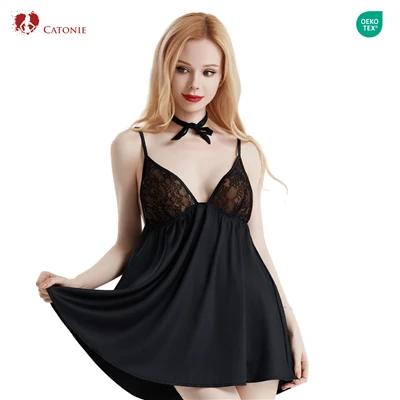
The dialogue between lingerie and swimwear is a long and storied one, but in 2025, this conversation has reached a new level of fluency and integration. The fourth major trend is the explicit borrowing of aesthetics, structures, and details from the world of intimate apparel, particularly from erotic lingerie and sexy lingerie sets. This 'lingerie-fication' involves incorporating elements like delicate lace, complex strapping, garter-like details, and even corsetry into bikini and one-piece designs. It is a bold and unapologetic celebration of sensuality, translating the private language of the boudoir into the public sphere of the beach and pool.
Crossing the Boudoir Threshold: Lace, Straps, and Corsetry
This trend manifests in several distinct ways. First is the use of swim-safe, chlorine-resistant lace. This is not your grandmother's delicate chantilly, but a robust, engineered lace that can withstand sun and water. It is used as an overlay on bikini cups, as an inset along the waistline of a one-piece, or as a decorative trim along the edges of a swim bottom. The effect is instantly evocative of high-end lingerie, adding a layer of texture and intricate detail.
Second is the proliferation of complex strapping. Drawing inspiration from 'caged' bras and bondage-influenced lingerie, designers are creating swimsuits with multiple fine straps that wrap around the torso, frame the décolletage, or create geometric patterns across the back. These straps serve little functional purpose; their role is purely aesthetic, designed to highlight and adorn the body.
Finally, and most strikingly, is the influence of the corset. This can be seen in one-piece swimsuits with boning-like seam details, lace-up fronts or backs that mimic a corset's closure, and silhouettes that are designed to cinch the waist and lift the bust. While not as restrictive as historical corsets, these design cues powerfully evoke a sense of structured, vintage glamour and potent femininity.
The Influence of Sexy Lingerie Sets on Bikini Design
The modern sexy lingerie set often consists of multiple coordinated pieces: a bra, a panty, a garter belt, and sometimes stockings. This concept of a multi-part, layered ensemble is now being directly translated into swimwear. A 'swim lingerie' set might feature a bikini top and bottom, plus a matching sheer mesh garter belt designed to be worn over the bikini bottom, with straps that attach to thigh-high swim-safe 'stockings' or decorative leg harnesses.
This modular approach allows the wearer to customize their level of adornment. They can wear the simple bikini for swimming and then add the 'garter' and other elements for lounging or for a beach party. It's a form of dress-up that is playful, empowering, and highly photographic. The sheer bikini models used to promote these sets are often styled in a way that emphasizes this connection to boudoir photography, with sultry poses and a direct, confident gaze.
The Role of the Corset and Bridal Lingerie in Shaping Silhouettes
The influence extends even to the most specialized forms of lingerie. The structure and romanticism of bridal lingerie are inspiring a sub-genre of white and ivory swimsuits. These often feature delicate swim-lace, pearl details, and corset-style lacing, making them popular for honeymoons and bachelorette party trips. The corset's role, in particular, is transformative. By incorporating vertical seams and paneling that mimic boning channels, a designer can create a one-piece swimsuit with an unprecedented level of shaping and support, creating an hourglass silhouette that is both dramatic and flattering. These are not performance suits; they are 'occasion' swimsuits, designed for making a statement.
|
Lingerie Element |
Swimwear Adaptation |
Aesthetic Effect |
Target Consumer |
|
Lace |
Chlorine-resistant lace overlays & insets. |
Romantic, textured, delicate. |
The romantic, detail-oriented shopper. |
|
Strapping |
Multi-strap 'caged' details on torso & back. |
Edgy, modern, provocative. |
The fashion-forward risk-taker. |
|
Garter Belts |
Swim-safe garter-style belts worn over bottoms. |
Playful, audacious, boudoir-inspired. |
The festival-goer, the party scene. |
|
Corsetry |
Lace-up details, boning-effect seams. |
Structured, waist-cinching, vintage glamour. |
The lover of classic, powerful femininity. |
Consumer Perceptions and the Blurring of Categories
The success of this trend signals a significant shift in consumer attitudes. The rigid separation between public and private wear is dissolving. Today's consumer sees fashion as a holistic form of self-expression, and they are comfortable translating aesthetics from one context to another. Wearing a lingerie-inspired swimsuit is a confident declaration that sensuality is not something to be hidden away.
For a brand like Catonie, which has deep expertise in designing and manufacturing erotic lingerie and complex sexy lingerie sets, this trend represents a massive opportunity. They can leverage their existing knowledge of fit, construction, and what makes a garment alluring to create swimwear that is both beautiful and technically sound. The skills required to construct a multi-part caged bra are directly transferable to creating a complex strappy bikini top. This cross-category expertise is a powerful competitive advantage, allowing them to offer authentic, well-executed lingerie-inspired swimwear to a global market eager for this bold new aesthetic. The sheer bikini models representing such brands become ambassadors of this new, integrated vision of fashion.
Trend 5: Digital Prints on Transparent Foundations
As we continue our exploration, we turn our attention to the surface of the fabric itself. The fifth trend is a marriage of material innovation and digital artistry: the application of vibrant, complex digital prints onto sheer and semi-sheer base fabrics. This is a significant step beyond simple solid-color sheers. It transforms the transparent garment into a dynamic canvas, using the body as a three-dimensional form to display art. The effect is visually stunning, creating a 'tattooed' or 'body paint' illusion where the pattern seems to float directly on the skin.
The Canvas of the Body: Biophilia and Abstract Expression
Two dominant themes are emerging in these prints for 2025. The first is 'biophilia'-the love of life and the living world. This translates into large-scale, photorealistic prints of tropical flowers, lush foliage, animal skins, and oceanic patterns. When printed on a sheer mesh, a vibrant orchid might appear to be blooming on the wearer's shoulder, or a leopard's spots might wrap seamlessly around the torso. The sheerness of the fabric integrates the pattern with the skin, making it feel more organic and alive than a print on an opaque base.
The second theme is abstract expression. This involves using bold, painterly brushstrokes, soft watercolor gradients, and glitchy, digitized patterns. The color palette for these prints is often guided by macro-trends, with WGSN's Color of the Year, 'Digital Lavender', being particularly influential (Worth Global Style Network, 2023). This soft, ethereal purple, when blended with other pastels on a sheer fabric, creates a dreamy, otherworldly effect. These abstract prints turn the swimsuit into a piece of wearable modern art, appealing to a consumer with a sophisticated, creative sensibility.
The Technical Art of Sublimation on Sheer Textiles
The primary method for achieving these vivid prints is dye-sublimation. This process involves printing the design onto a special transfer paper with heat-sensitive inks. The paper is then placed on the fabric (which must be polyester-based) and subjected to high heat and pressure. The ink turns into a gas and permeates the fibers of the fabric, bonding with them on a molecular level.
The result is a print that has no 'hand' or texture; you cannot feel it on the surface of the fabric. It is also incredibly durable, resistant to fading from sun, chlorine, and washing. However, printing on sheer mesh presents unique challenges. The ink must be calibrated perfectly to achieve the desired vibrancy without over-saturating the fine fibers and causing the colors to bleed. Furthermore, because the fabric is transparent, the design must be considered from both sides, as the reverse will be partially visible. Expert technicians are required to master this delicate balance, making high-quality printed sheer swimwear a mark of a technically proficient manufacturer.
Market Appeal in the Age of Instagram
The visual impact of these garments is undeniable, making them exceptionally well-suited to the digital marketplace. A sheer bikini model wearing a swimsuit with a vibrant, high-contrast digital print is an instantly 'scroll-stopping' image on platforms like Instagram and TikTok. The patterns are bold, eye-catching, and unique, which helps brands stand out in a crowded market.
Consumers are drawn to these pieces because they feel special and expressive. Wearing a swimsuit that looks like a watercolor painting or a tropical jungle feels more personal than wearing a simple solid color. It allows for a greater degree of self-expression and storytelling. This trend taps into the desire for unique, 'statement' pieces that reflect the wearer's personality and aesthetic tastes. It is a way to wear one's interests-be it art, nature, or technology-literally on one's sleeve (or swimsuit).
Case Study: The Success of Abstract Floral Sheers
Let's consider a hypothetical but representative case. A brand launches a collection featuring a one-piece swimsuit made of power mesh. The front panel is opaque, but the back and sides are a sheer mesh printed with a large-scale, abstract floral design in shades of digital lavender, soft pink, and mint green.
The marketing campaign features a diverse range of sheer bikini models, photographed in a minimalist setting to let the print shine. The images go viral on social media. Why?
1. Novelty: The combination of a familiar object (a one-piece swimsuit) with an unexpected aesthetic (a painterly sheer back) is novel and intriguing.
2. Artistry: It appeals to consumers' appreciation for beauty and art. It doesn't just feel like a piece of clothing; it feels like a piece of art.
3. Flattery: The opaque front panel provides coverage and confidence, while the printed sheer back offers a beautiful, alluring detail that feels special. The pattern itself can be strategically placed to flatter the body's curves.
4. Exclusivity: Because the printing process is complex, these designs feel more exclusive and less mass-market than a standard polka-dot or striped bikini.
This case illustrates the powerful formula of this trend: combine the allure of sheerness with the expressive power of digital art. The result is a product that is not just worn, but experienced-a garment that makes the wearer feel like both a muse and a masterpiece.

Trend 6: The Evolution of the Micro-Bikini through Strategic Sheerness
For several seasons, the micro-bikini, or 'string bikini', has been a dominant force in high-fashion and influencer-led swimwear, characterized by its minimal coverage and celebration of the body. For 2025, this trend is not disappearing but evolving. The sixth trend we will examine is the integration of strategic sheerness into these minimalist designs. Rather than simply shrinking the fabric further, designers are using tiny, precisely placed sheer panels to add a new layer of sophistication, detail, and provocative allure to the micro-bikini.
Redefining Minimalism with Transparent Details
The classic micro-bikini relies on the simple geometry of small fabric triangles and thin strings. The new evolution complicates this formula in an interesting way. It asks: what if the small fabric panel wasn't entirely opaque? Designers are now creating micro-bikini tops where the outer edge of the triangle cup is a fine, sheer mesh, creating a 'fade-out' effect. Or they are designing micro-thong bottoms where the small frontal panel is bisected by a razor-thin line of transparency.
These are not large, architectural panels as seen in Trend 1. These are minute details, often only noticeable upon closer inspection. This subtlety is the key to their appeal. It adds a layer of complexity and perceived 'design' to a garment that can otherwise appear very simple. It's a way of signaling a luxury or high-fashion sensibility within the minimalist framework. It suggests that even in this most revealing of garments, there is still room for artful concealment and revelation.
The Balance of Audacity and Artistry
The micro-bikini is already an audacious garment. Adding sheer elements could easily tip it into a territory that is too explicit for many consumers and public spaces. The artistry, therefore, lies in the balance. The most successful designs use sheerness to enhance the form, not just to expose it further.
For example, a sheer inset might follow the curve under the bust on a triangle top, creating a visual 'lift' and adding a delicate detail. A tiny, v-shaped sheer panel at the top of a bikini bottom can draw the eye and create a more finished, jewel-like focal point. These details are akin to the work of a jeweler, adding small but impactful touches that elevate the entire piece. They transform the micro-bikini from a simple piece of fabric into a carefully considered object of design. The sheer bikini models who wear these styles are often presented in a high-fashion context, emphasizing the artistic and design-led nature of the garment rather than just its minimalism.
The Target Demographic for the Sheer Micro-Bikini
The consumer for this niche trend is at the intersection of several demographics. They are followers of high fashion, confident in their bodies, and active on social media. They are often early adopters who are looking for the 'next new thing' and are not afraid of daring styles. This is the uniform of the Ibiza party-goer, the Miami beach club regular, and the influential fashion blogger on a tropical vacation.
For this consumer, the garment is more than just swimwear; it is a key part of a carefully curated personal brand. The unique details of a sheer-paneled micro-bikini make it stand out from the countless other micro-bikinis on the social media feed. It signals that the wearer is not just following a trend, but is at the cutting edge of it. Brands targeting this consumer must have a strong, authentic presence on social media and often rely on collaborations with key influencers and sheer bikini models to introduce and legitimize these advanced styles.
The Role of Sheer Bikini Models in Normalizing the Trend
The role of professional models and high-profile influencers is perhaps more important for this trend than for any other. Because the garments are so revealing, their acceptance in the mainstream is heavily dependent on how they are presented. When a respected sheer bikini model or fashion icon wears a sheer-paneled micro-bikini, it is framed as a fashion statement rather than a simple act of exhibitionism.
These models, through their styling, posing, and the context of their photoshoots (often in luxury resort settings or for high-fashion editorials), lend an air of legitimacy and desirability to the trend. They demonstrate how the garment can be worn with confidence and style. This process of visual normalization is what allows a daring, niche trend to gradually gain wider acceptance and trickle down into more commercial markets. It shows consumers how to 'read' the garment, not as a lack of fabric, but as an abundance of style. This evolution demonstrates the swimwear market's constant push for innovation, proving that even in the most minimal of designs, there is always room for new ideas and sophisticated details.
Trend 7: Modular and Customizable Sheer Elements
The final trend we will analyze represents a fundamental shift in the relationship between the designer, the consumer, and the garment itself. This is the rise of modular and customizable swimwear, specifically incorporating detachable and adjustable sheer elements. This trend moves beyond offering a finished product and instead provides the consumer with a toolkit to co-create their own look. It is a direct response to the growing demand for personalization, individuality, and sustainability in fashion.
Empowering the Consumer through Co-Design
At its heart, this trend is about agency. It acknowledges that the modern consumer does not want to be a passive recipient of a designer's vision; they want to be an active participant in their own self-expression. A modular swim set might consist of a basic opaque bikini, but it comes with a set of accessories: a detachable sheer chiffon skirt, a pair of sheer organza puff sleeves that can be tied onto the bikini straps, and a sheer mesh wrap top.
This allows the wearer to tailor their look to the occasion, their mood, or their comfort level. For active swimming, they might wear the simple bikini. For lounging by the pool, they might add the sheer sleeves for a touch of drama and sun protection. For a transition to a beachside bar, they can tie on the chiffon skirt. This is not just a swimsuit; it is a swim 'system'. This act of mixing and matching, of building one's own look, is deeply empowering and fosters a stronger emotional connection to the garment (Pine, 1992).
The Mechanics of Modularity: Tie-ons, Wraps, and Removable Panels
The design of these modular systems requires clever engineering. The attachments must be secure enough to stay in place, yet easy enough for the consumer to use. Common solutions include:
- Tie-on Elements: Sleeves, skirts, and decorative panels that are attached with simple, elegant ties. The ties themselves often become part of the design aesthetic.
- Button or Snap Attachments: For a more secure connection, nearly invisible snaps or small, decorative buttons can be used to attach elements like peplum skirts or shoulder ruffles.
- Wrap-around Designs: Sheer tops or skirts that are designed as one long piece of fabric that can be wrapped and tied around the body in multiple different ways, inspired by the classic convertible dress.
- Interchangeable Panels: Some advanced designs feature bikinis with small, removable sheer panels. A bikini bottom might come with two options for a side panel: one opaque, one sheer, allowing the wearer to switch them out.
The goal is to create a system that is intuitive and fun to use. The brand is providing the building blocks; the consumer is the architect of their own style.
Supply Chain and Production Implications
This trend presents a unique set of challenges and opportunities for the supply chain. On one hand, it can complicate inventory management. Instead of selling one SKU (Stock Keeping Unit) for a swimsuit, the brand is now selling a base unit plus multiple optional add-on SKUs. This requires a more complex inventory system to track all the components.
On the other hand, it offers significant commercial advantages. The core bikini can be sold at one price point, with each modular element sold separately as an add-on. This allows for upselling and increases the total potential revenue per customer. It also allows brands to introduce new modular elements each season-a new color of sheer skirt, a new style of sleeve-that are compatible with existing base bikinis. This encourages repeat purchases and builds long-term brand loyalty. From an ODM/OEM perspective, this means developing a production system that can efficiently produce both the core garments and a wide variety of smaller, detailed accessory pieces.
Fostering Brand Loyalty through Personalization
In a market saturated with choices, personalization is one of the most powerful tools for building a lasting relationship with a customer. When a customer has invested time and creativity in building their own unique swim outfit from a brand's modular system, they feel a sense of ownership and connection that they wouldn't feel with an off-the-rack item.
This trend transforms the act of shopping from a simple transaction into a creative collaboration. Brands can further enhance this by creating online communities where customers can share photos of their unique combinations, offering inspiration and fostering a sense of belonging. They can feature customer creations on their social media, celebrating the creativity of their community. This is how a brand becomes more than just a seller of products; it becomes a platform for self-expression. By giving consumers the tools to become their own designers, brands are not just selling swimsuits-they are selling individuality itself.
The Global Consumer: A Comparative Market Analysis
The appeal and adoption of sheer swimwear trends are not uniform across the globe. Cultural norms, climate, and local fashion sensibilities create a varied landscape of consumer preferences. For a global brand, understanding these nuances is essential for effective market penetration and product localization. Let us examine the key markets of the United States, Europe, and Australia.
|
Market Region |
Dominant Trends |
Consumer Psychology |
Marketing Angle |
|
United States |
Architectural Mesh, Lingerie-fication, "Sheer When Wet" (in party hubs like Miami, Las Vegas). |
Driven by celebrity/influencer culture, body positivity, and a desire for statement pieces. High value on novelty and confidence. |
Focus on empowerment, boldness, and social media 'wow' factor. Highlight versatility for vacation and festival contexts. |
|
Europe |
Ethereal Layers (Mediterranean), Architectural Mesh (Northern Europe), Strategic Sheerness on Micro-Bikinis (Ibiza, Mykonos). |
Varies by country. Southern Europe (France, Italy) prefers romantic, chic elegance. Northern Europe (Germany, Scandinavia) favors minimalist, functional design. Party islands embrace audacious styles. |
Mediterranean markets: Emphasize romance, luxury, and 'la dolce vita'. Northern markets: Focus on design, quality, and minimalist sophistication. |
|
Australia |
Architectural Mesh, Digital Prints (Biophilia), Lingerie-fication (subtler versions). |
Strong beach culture values both function and fashion. A practical approach mixed with a love for bold, sun-drenched prints and edgy details. High awareness of UV protection. |
Market products that blend high fashion with durability and sun-smart features. Use natural, sun-lit photography. Emphasize the transition from beach to café. |
This comparative view reveals that a one-size-fits-all approach is insufficient. While the trend of sheer bikini models and the garments they wear has global reach, its specific expression must be tailored. A brand might lead with its bold, lingerie-inspired collections in the US market while highlighting its elegant, chiffon-layered pieces in the French Riviera. In Australia, the same architectural mesh bikini might be marketed with a focus on its durable, supportive qualities for an active beach lifestyle. Successful global branding in the 2025 swimwear market requires this kind of cultural and aesthetic agility.
Conclusion
The landscape of 2025 swimwear, particularly within the sheer category, is a testament to the industry's capacity for innovation and its deep engagement with the currents of contemporary culture. We have journeyed through seven distinct yet interconnected trends, each offering a unique perspective on the fundamental dialogue between the body and the garment, between concealment and revelation. From the intellectual rigor of architectural mesh to the poetic romance of ethereal overlays, from the playful provocation of "sheer when wet" technology to the explicit sensuality of lingerie-inspired designs, we see a market that is rich with creative possibility.
The trends of digital printing, modularity, and the evolution of the micro-bikini further underscore a movement toward greater personalization, artistry, and consumer agency. The modern consumer is no longer content with passive consumption; she seeks to be a co-creator of her own image, a storyteller who uses fashion as her medium. The sheer bikini is not just an object of allure but a tool of self-expression, a statement of confidence, and a canvas for artistic vision.
For designers and brands, navigating this landscape requires a multifaceted competence. It demands not only technical mastery over new materials and complex construction techniques but also a profound empathy for the consumer's emotional and psychological needs. To succeed is to understand that you are not merely selling a product, but facilitating an experience-the experience of feeling beautiful, powerful, and unapologetically oneself. The future of swimwear lies not in simply revealing more, but in revealing more about who we are.
Frequently Asked Questions (FAQ)
1. Is sheer swimwear practical for actual swimming? The practicality depends on the specific design and material. Swimwear made from high-quality power mesh or featuring strategically placed sheer panels is often very durable and suitable for swimming. Garments with delicate overlays like chiffon or organza may be better suited for light wading or lounging, as vigorous activity could damage the fabric.
2. How do I care for a sheer bikini to ensure it lasts? Always hand wash your sheer swimwear in cold water with a gentle detergent immediately after use. Do not wring or twist the garment. Lay it flat to dry in a shaded area. Avoid contact with rough surfaces, like concrete pool edges, and be mindful of sunscreen and oils, which can degrade delicate fabrics.
3. Are there different levels of sheerness available? Yes. Sheerness exists on a spectrum. Power mesh is often semi-sheer, offering a hint of transparency while still providing support. Micro-mesh or tulle can be almost completely transparent. "Sheer when wet" fabrics offer a dynamic option. Brands typically indicate the level of sheerness in the product description.
4. How does the trend of sheer swimwear relate to the body positivity movement? The two are closely linked. The increasing popularity of sheer designs reflects a broader cultural shift toward body acceptance and self-expression. Many brands are showcasing sheer bikini models of diverse body types, promoting the idea that confidence and sensuality are not exclusive to one particular size or shape. The trend empowers individuals to celebrate their bodies on their own terms.
5. What is the difference between a sheer bikini and a micro-bikini? A micro-bikini is defined by its minimal coverage-very small pieces of opaque fabric. A sheer bikini is defined by the transparency of its fabric, regardless of its size. The two trends can overlap, as seen in the evolution of the micro-bikini to include small, sheer panels, but a swimsuit can be full-coverage and still be considered sheer.
6. As a brand, how can I start producing sheer swimwear? The best first step is to partner with an experienced OEM/ODM manufacturer that specializes in swimwear and intimate apparel. They will have the technical expertise to source the correct materials, handle delicate fabrics, and execute complex designs involving sheer panels, layering, and intricate stitching.
7. Is "sheer when wet" swimwear legal to wear in public? Laws regarding public decency vary significantly by location. While these swimsuits are sold legally, their use may be restricted at certain public pools or family-friendly beaches. Many designs incorporate opaque liners in key areas to ensure they remain compliant. It is the wearer's responsibility to be aware of local regulations.
References
Jones, S. (2023). Textile innovation in performance apparel. Journal of Fashion Technology & Textile Engineering, 11(2), 1-8.
Pine, B. J. (1992). Mass customization: The new frontier in business competition. Harvard Business School Press.
Shishoo, R. (Ed.). (2007). Textiles in sport. Woodhead Publishing.
Worth Global Style Network. (2023). Color of the Year 2025: Digital Lavender. WGSN.