Abstract
The selection and appreciation of sheer undergarments extend beyond mere functionality, entering a domain of aesthetic, psychological, and cultural significance. This comprehensive guide examines the multifaceted world of transparent lingerie, deconstructing the elements that contribute to an informed and personally satisfying choice. It provides an in-depth analysis of fabric types, from traditional silks to modern synthetics, evaluating their properties of texture, drape, and durability. The discourse addresses the technicalities of achieving a perfect fit, emphasizing the relationship between garment construction and the unique topography of the human body. Moreover, the guide contextualizes the use of sheer undergarments across various settings, from providing an invisible foundation beneath formal attire to serving as a deliberate element of a fashion statement. By exploring the interplay of color, pattern, and embellishment, the article illuminates how these delicate items function as a medium for self-expression. A central theme is the cultivation of confidence through intimate apparel, framing the act of wearing sheer lingerie as a practice of self-acceptance and empowerment. The text approaches the subject with analytical depth, aiming to equip the reader with a profound understanding of these garments as objects of art, tools of confidence, and intimate companions in the narrative of personal style.
Key Takeaways
1. Understand the language of fabrics to choose the right material for comfort and occasion.
2. Prioritize a precise fit over standard sizing for optimal support and appearance.
3. Match your sheer undergarments to your outerwear and the specific event.
4. Use color and embellishments as powerful tools for personal self-expression.
5. Properly care for delicate lingerie to ensure its beauty and longevity.
6. Build a versatile collection with foundational pieces plus expressive statement items.
7. Embrace lingerie as a personal practice for cultivating confidence and self-love.
PAn Introduction to Transparency: More Than Meets the Eye
To begin a discussion about sheer undergarments is to engage with a paradox: the presence of something defined by its partial absence. These are garments that simultaneously conceal and reveal, functioning on a threshold of visibility. Their appeal is not rooted in simple pragmatism; instead, it speaks to a more complex human desire for aesthetic beauty, sensory pleasure, and nuanced self-expression. Understanding these delicate pieces requires a perspective that appreciates both the material object and the rich tapestry of meanings woven into it. We are not just selecting a garment; we are curating an experience, choosing a second skin that mediates our relationship with our own body and, at times, with the world that perceives us. The act of choosing lingerie, particularly items with a degree of transparency, is an intimate dialogue with oneself about comfort, beauty, and identity.
The Philosophical Allure of Sheer
What is it about transparency that captivates the human imagination? A sheer fabric is a veil. It does not offer the complete mystery of opaque cloth nor the total disclosure of bare skin. It exists in a liminal space, a state of in-betweenness that invites curiosity and contemplation. The philosopher Maurice Merleau-Ponty argued that our perception is always embodied, that we come to know the world through the lived experience of our bodies (Merleau-Ponty, 2012). Sheer undergarments play directly into this phenomenological reality. They alter the sensory experience of being in one's own skin. The light texture of chiffon or the cool web of lace against the body creates a heightened awareness of its surface, its curves, its temperature.
This heightened awareness is not merely physical. It can precipitate a shift in our psychological state, a concept known as "enclothed cognition," where the clothing we wear influences our cognitive processes and emotions (Adam & Galinsky, 2012). Wearing something that feels luxurious and beautiful, even if it is unseen by others, can foster a private sense of confidence and self-possession. The sheer garment acts as a secret source of empowerment, a reminder of one's own agency and aesthetic sensibility. It poses a question to the wearer: who are you when you dress for yourself alone? The answer often involves a rediscovery of self, an appreciation for the body not as a project to be perfected but as a site of personal experience and pleasure.
A Brief History of Revealing and Concealing
The journey of undergarments from purely functional items to objects of desire is a long and fascinating one, mirroring broader social shifts in attitudes towards the body, modesty, and femininity. For centuries, underlayers were primarily about structure and hygiene. Think of the heavy linen shifts of the Middle Ages or the rigid, body-molding corsets that dominated fashion for hundreds of years. Transparency was not part of the vocabulary. The revolution began in the late 19th and early 20th centuries, as societal norms began to relax and new technologies in textile manufacturing emerged.
The development of rayon, followed by nylon in the 1930s, was a turning point. These "artificial silks" made lighter, more delicate fabrics accessible to a wider audience. Lingerie could now be fine, soft, and, for the first time, sheer. The 1920s flapper, with her liberated silhouette, began to wear lighter underpinnings like silk chemises and tap pants. By the mid-20th century, Hollywood glamour had cemented the image of the luxurious lingerie set, often featuring sheer panels and lace, as a symbol of allure and sophistication. Designers like Chantal Thomass in the 1970s began treating lingerie as outerwear, further blurring the lines between public and private, and celebrating the artistry of pieces once hidden away. Today, sheer undergarments represent a synthesis of this history: they can be structural, comfortable, artistic, and profoundly personal, reflecting the wearer's individual place within a long story of bodily adornment.
Tip 1: Decoding the Language of Sheer Fabrics
The character of any sheer garment is determined, above all, by its material. Fabric is the medium through which the designer's vision is realized and the primary interface between the garment and your skin. To choose wisely is to learn the language of these textiles-to understand their unique personalities, their strengths, and their weaknesses. Each fabric tells a different story through its texture, its drape, and the way it filters light. Some whisper of romance and delicacy, while others speak of modern sleekness and practicality. Developing a tactile literacy, an ability to distinguish between different types of sheer materials, is the first step toward building a lingerie collection that not only looks beautiful but also feels sublime to wear. A material that delights one person may feel abrasive to another, so personal comfort is the ultimate arbiter.
The Ethereal World of Tulle and Mesh
When one pictures classic sheer undergarments, the fabrics that often come to mind are tulle and mesh. Both are net-like materials, but they possess distinct qualities. Tulle is a fine, lightweight netting, most famously used in ballet tutus and bridal veils. It is typically made from silk, nylon, or rayon and has a hexagonal weave that gives it a delicate, airy quality. In lingerie, tulle offers a very high degree of transparency, creating a "barely there" effect that can be both subtle and dramatic. It has a certain stiffness, or "hand," which allows it to hold a shape, making it ideal for ruffles, frills, and structured details.
Mesh, by contrast, is often softer and has more stretch. Power mesh, for instance, is a common material in bra bands and control-wear because it offers breathable support with a degree of transparency. Fashion mesh can range from very fine, soft knits to more open, athletic-inspired weaves. The feel of mesh against the skin is typically smoother and more flexible than tulle, making it a popular choice for everyday sheer bras and panties. When selecting between the two, consider the desired effect. For architectural, high-fashion pieces or romantic, ruffled designs, tulle is a superb choice. For comfortable, form-fitting sheer undergarments that move with the body, mesh is often the superior option.
Fabric Comparison for Sheer Undergarments
|
Fabric Type |
Common Fibers |
Key Characteristics |
Best For |
Care Level |
|
Tulle |
Nylon, Silk, Rayon |
Lightweight, crisp, hexagonal mesh, high transparency |
Ruffles, structured details, layering, bridal lingerie |
High (Hand wash only) |
|
Mesh |
Nylon, Spandex, Polyester |
Soft, stretchy, breathable, variable transparency |
Everyday bras, supportive panels, bodysuits, athletic styles |
Moderate (Gentle machine cycle) |
|
Chiffon |
Silk, Polyester |
Very lightweight, soft, fluid drape, matte finish |
Babydolls, robes, flowing layers, romantic pieces |
High (Hand wash or dry clean) |
|
Organza |
Silk, Polyester |
Crisp, wiry, smooth, high sheen, holds shape well |
Structural elements, collars, cuffs, statement pieces |
High (Hand wash or dry clean) |
|
Lace |
Cotton, Nylon, Rayon |
Decorative patterns, variable stretch and sheerness |
All-over garments, decorative trims, sexy lingerie sets |
Varies (Hand wash recommended) |
|
Georgette |
Silk, Polyester |
Crinkled texture, springy, less lustrous than chiffon |
Blouses, overlays on bras, flowing lingerie |
Moderate to High (Hand wash) |
The Opulence of Silk Chiffon and Organza
For moments that call for unparalleled luxury, silk is the undisputed queen of fibers. Within the realm of sheer fabrics, silk chiffon and silk organza offer two distinct expressions of opulence. Silk chiffon is a plain-woven, gossamer-light fabric with a soft, beautiful drape. It floats and flows around the body, creating a sensuous, fluid silhouette. Its surface is slightly matte due to the tightly twisted yarns used in its creation, which gives it a subtle, elegant finish. Chiffon is the material of choice for luxurious robes, flowing babydolls, and delicate overlays on bras and panties. Its touch is exceptionally soft, making it a joy to wear directly against the skin.
Silk organza, on the other hand, is the architectural cousin to chiffon. It is also a lightweight, plain-woven fabric, but it is treated with a stiffening agent that gives it a crisp, wiry hand. Organza holds its shape magnificently, creating volume and structure without weight. It has a subtle sheen that catches the light beautifully. While less common for all-over lingerie garments due to its stiffness, organza is often used for dramatic embellishments-a statement collar on a bodysuit, a structured peplum on a corset, or voluminous sleeves on a robe. Choosing between them is a matter of purpose: chiffon for softness and drape, organza for structure and sheen.
The Modernity of Synthetic Blends
While natural fibers like silk possess an undeniable allure, modern synthetic and semi-synthetic fabrics have brought remarkable innovation to the world of sheer undergarments. Nylon, polyester, and rayon, often blended with elastane (such as Lycra or Spandex), offer qualities that are difficult to achieve with natural fibers alone. These blends provide excellent stretch and recovery, meaning the garment will mold to your body and retain its shape over time. This is particularly valuable for items like bras and fitted bodysuits that require a snug, supportive fit.
Synthetics also excel in durability and ease of care. They are generally more resistant to abrasion and can often be machine-washed on a gentle cycle, a convenience that cannot be overlooked for frequently worn items. From a design perspective, these materials are incredibly versatile. They can be engineered to have a vast range of textures, from silky-smooth to finely ribbed, and they take dye exceptionally well, allowing for a brilliant and lasting spectrum of colors. Many high-quality sheer undergarments today use a thoughtful combination of materials-perhaps a soft modal-blend mesh for the body of a brief, with a delicate, non-stretch lace panel for decoration. This hybrid approach leverages the best qualities of each material to create a garment that is both beautiful and highly functional.
Lace: The Art of Partial Obscurity
No discussion of sheer lingerie would be complete without paying homage to lace. More than just a fabric, lace is an art form-a delicate architecture of threads that creates beauty through the interplay of pattern and void. Unlike uniformly sheer fabrics like mesh or chiffon, lace offers a variable transparency. Some areas may be dense with threadwork, offering near-total coverage, while others are open and revealing. This dynamic quality is what makes lace so endlessly captivating. It guides the eye, highlights certain features, and creates a sense of intricate detail.
There are countless types of lace, each with its own history and character. Chantilly lace is known for its fine, outlined floral patterns on a net background, offering a classic, romantic feel. Leavers lace, made on historic looms, is prized for its complexity and depth, often considered the most luxurious type. On the other hand, modern stretch lace, which incorporates elastane, offers the beauty of traditional patterns with the comfort and fit of a modern knit fabric. When selecting a lace garment, pay attention to the feel of the material. High-quality lace will be soft and pliable, not scratchy or stiff. Consider how the pattern interacts with your body-a well-placed motif can be as flattering as the cut of the garment itself.

Tip 2: Finding the Perfect Fit for Your Unique Form
A garment can be crafted from the most exquisite materials, but if it does not fit properly, its beauty is diminished, and its comfort is lost. With sheer undergarments, fit is paramount. An ill-fitting bra can create unflattering lines under clothing and fail to provide necessary support, while panties that are too tight or too loose are a constant source of distraction. The goal of a perfect fit is to make the garment feel like an extension of your own body-supportive yet unobtrusive, secure yet gentle. This requires moving beyond the often-inconsistent world of standard sizing and developing a more intimate understanding of your own body's dimensions and the way different garment structures interact with them. It is an investment of time that pays enormous dividends in comfort and confidence.
Beyond the Numbers: Understanding Your Measurements
The starting point for finding a great fit is taking accurate measurements, but it is crucial to view these numbers as a guide, not an unbreakable rule. For a bra, you will need two primary measurements: the band size and the cup size. The band measurement is taken snugly around your ribcage, directly underneath your bust. The bust measurement is taken more loosely around the fullest part of your chest. The difference between these two numbers helps determine your cup size. However, these measurements are just a starting point. Different brands use different grading systems, and the style of the bra can dramatically affect how it fits. A full-cup bra will fit differently than a plunge or a balconette, even in the exact same size.
For panties, bodysuits, and other items like jumpsuits for evening wear, the key measurements are your waist and hips. Measure your natural waist (the narrowest part of your torso) and the fullest part of your hips and seat. Use these numbers to consult the brand's size chart, but also pay attention to the fabric. A garment made from a rigid material like non-stretch lace will require a more precise fit than one made from a stretchy mesh. The best approach is to treat your measurements as a key that unlocks a range of possible sizes, which you can then refine based on the specific style and your personal comfort.
The Architecture of a Bra: Wires, Cups, and Bands
Understanding the components of a bra is like learning the anatomy of a supportive structure. Each part has a specific job to do, and their harmonious function is what creates a great fit.
- The Band: This is the true foundation of support. The band should provide about 80-90% of the bra's support. It needs to be snug and level all the way around your torso. A common mistake is wearing a band that is too loose, which causes the straps to bear too much weight, leading to shoulder pain. When you buy a new bra, it should fit comfortably on the loosest hook; this allows you to tighten it as the elastic naturally stretches over time.
- The Cups: The purpose of the cups is to contain and shape the breast tissue without spillage or gaping. If you see tissue bulging over the top or sides of the cup, you may need to go up a cup size. If there are gaps or wrinkles in the fabric, the cup may be too large, or the shape of the cup might not be right for your breast shape. Breast shapes vary widely (e.g., round, slender, bell-shaped), and different cup styles (plunge, balconette, full-cup) are designed to accommodate them.
- The Underwire: The underwire should sit flat against your sternum in the center (the "gore") and trace the natural crease of your breast root without digging into your ribs or breast tissue. If the wire is sitting on top of your breast tissue or poking you under the arm, it is a sign that the cup size or style is incorrect for you.
- The Straps: The straps are there to help stabilize the cup and shape the bust, not to do the heavy lifting. You should be able to comfortably slip two fingers underneath the strap. If you are relying on tightening the straps to get lift, it is a strong indicator that your band is too loose.
For sheer undergarments, these elements are often visible, making their correct function both a matter of comfort and aesthetics. A well-fitting sheer bra is a marvel of delicate engineering.
The Cut of the Brief: From Thong to High-Waist
Just as bra cups have different shapes, so too do panties have different cuts, each offering a unique combination of coverage and style. The terminology can sometimes be confusing, but understanding the basic categories can help you choose what works best for your body and your wardrobe.
- Thong/G-String: These offer the least amount of coverage at the back, making them an excellent choice for wearing under form-fitting clothing to avoid visible panty lines (VPL). They are a staple in many lingerie wardrobes for their practicality and provocative appeal.
- Bikini/Brief: The classic everyday style. A bikini cut sits below the navel and offers moderate back coverage. A full brief typically sits higher on the waist and provides more coverage. The leg openings can be cut higher or lower, which affects how they sit on the hips and elongate the leg line.
- Boyshort: Inspired by men's boxer briefs, this style is cut straight across the hips and offers full coverage in the back. They can be very comfortable and provide a sporty, chic look.
- High-Waist Brief: This vintage-inspired cut sits at or above the natural waist. It is incredibly flattering for many body types, as it elongates the leg line and can provide a gentle smoothing effect around the midsection. In a sheer fabric or lace, a high-waist brief is a perfect blend of elegance and allure.
The right cut for you depends on your personal preference for coverage, the clothes you are wearing over them, and what makes you feel most comfortable and confident.
When to Seek Customization
There are times when off-the-rack sizing, no matter how extensive, simply cannot provide a perfect fit. This is especially true for individuals with less common bra size combinations (e.g., a very small band with a very large cup size), asymmetrical breasts, or unique body proportions. In these cases, seeking out custom or made-to-measure lingerie is not an indulgence; it is a practical solution. A custom service allows for the creation of a garment based on your precise measurements and preferences. You can specify everything from the wire shape to the strap placement to the exact combination of fabrics. For significant life events, such as a wedding, a piece of custom bridal lingerie can provide unparalleled comfort and confidence under a gown. While the initial investment may be higher, a custom-made piece can be a revelation, demonstrating how a truly perfect fit can transform your relationship with your own body.
Tip 3: Matching Sheer Undergarments to Garment and Occasion
The true art of building a lingerie wardrobe lies not just in acquiring beautiful pieces, but in knowing when and how to wear them. A sheer undergarment can be a silent partner, providing invisible support, or it can be a featured player, a deliberate part of a fashion statement. The context is everything. The same black lace bodysuit could be a secret layer of confidence under a business suit, a provocative element peeking from a blazer for a night out, or the main event in an intimate setting. Understanding how to deploy your collection of sheer undergarments effectively requires a sensitivity to occasion, an awareness of your outerwear, and a clear sense of your own sartorial intentions. It is about making conscious choices that align your inner feeling with your outer presentation.
The Invisible Layer: Underneath Formal Wear
One of the most practical applications for sheer undergarments is to provide a seamless, invisible foundation beneath form-fitting or light-colored clothing. The dreaded visible panty line (VPL) or the outline of textured lace under a silk blouse can disrupt the clean lines of an outfit. This is where seamless sheer mesh or microfiber pieces excel.
- Color Matching: The goal here is for the undergarment to disappear. The common wisdom is to wear white under white, but this is often incorrect. A white or light-colored bra under a white shirt can be more visible than a darker one. The most effective strategy is to choose a color that is as close as possible to your own skin tone. A "nude" that matches your complexion will vanish under almost any light-colored fabric. It is worth investing in a seamless bra and a few pairs of seamless panties (perhaps a thong and a brief) in your personal nude shade.
- Seamless Construction: Look for garments with laser-cut or bonded edges rather than traditional stitched seams. These flat edges lie flush against the skin and are virtually undetectable under even the most unforgiving fabrics like jersey or silk charmeuse. Sheer power mesh is often used in these garments to provide light support and shaping without adding bulk.
The Intentional Reveal: Fashion-Forward Styling
In recent years, the line between underwear and outerwear has become increasingly blurred. Lingerie is no longer something to be hidden at all costs; it can be a powerful accessory. A hint of sheer fabric or a beautifully crafted strap can add a layer of complexity and deliberate style to an outfit. This trend is not about overt exposure, but about a controlled, intentional reveal.
- The Peek-a-Boo Strap: Allowing the strap of a beautiful bralette to show from under a slouchy sweater or a tank top can add a touch of color or texture. A delicate lace strap or one with interesting hardware can be a beautiful detail.
- The Sheer Panel: Wearing a sheer blouse over a non-sheer, decorative bra (like a black lace bralette) is a classic way to play with transparency. The bra becomes a part of the top itself. Conversely, a sheer bra can be worn under a slightly unbuttoned blouse or a jacket, where just a hint of the lace or mesh is visible at the neckline.
- Bodysuits as Tops: A well-constructed bodysuit, particularly one with interesting details like lace panels or a unique neckline, can be worn as a top in its own right, paired with high-waisted trousers, skirts, or jeans. Layering it under a blazer is a sophisticated way to take the look from day to night. Some modern sexy lingerie sets are designed with this versatility in mind, blurring the lines between intimate apparel and ready-to-wear.
Styling Sheer Undergarments: A Quick Guide
|
Situation |
Recommended Sheer Garment |
Styling Tip |
Goal |
|
Under a White T-Shirt |
Seamless mesh bra in your skin tone |
Choose a smooth, molded cup to avoid texture showing through. |
Invisibility |
|
With a Plunging Neckline |
Sheer plunge bra |
Ensure the bra's gore (center) is low enough not to be visible. |
Support without showing |
|
Under Form-Fitting Skirt/Pants |
Seamless mesh thong or laser-cut brief |
Select a color close to your skin tone to prevent shadowing. |
No VPL (Visible Panty Line) |
|
With a Sheer Blouse |
Decorative lace or silk bralette |
Choose a contrasting or complementary color to make the bra a feature. |
Intentional layering |
|
With a Low-Back Dress |
Low-back converter bra or adhesive cups |
Test for secure adhesion and invisibility from all angles. |
Open-back look |
|
For an Intimate Evening |
Sheer lace bodysuit or a full lingerie set |
Focus on details that you love: embroidery, unique straps, etc. |
Personal expression and allure |
For Your Eyes Only: Intimate and Personal Moments
Perhaps the most traditional and personal role of sheer undergarments is for private moments of intimacy and self-appreciation. In this context, the rules of practicality and public presentation fall away, replaced by a focus on sensory experience, aesthetics, and personal desire. This is the space for the most delicate, most ornate, and most expressive pieces in your collection. It is here that items like intricate erotic lingerie, elaborate corsets, or delicate babydoll nightgowns come into their own.
The choice of what to wear in these moments is deeply personal. It might be a silk chiffon robe that feels incredible against the skin, a complexly strapped harness bra that appeals to a sense of drama, or a soft, simple lace bralette that feels both comfortable and beautiful. The psychology here is potent; adorning the body in something chosen purely for pleasure and beauty can be a powerful act of self-love and a way to connect with one's own sensuality. It is about creating an experience, a mood, and celebrating the body in a private, protected space.
Sheer in the Sun: Swimsuits and Resort Wear
The principles of sheer fabric have also found a home in swimwear and resort fashion. While a fully sheer swimsuit is not practical for public swimming, designers often incorporate sheer panels to create alluring and stylish designs. A one-piece swimsuit might feature side panels of sheer power mesh, creating a slimming optical illusion while maintaining the structure of the suit. Bikini tops and bottoms might be adorned with sheer ruffles or lace-like overlays that add a touch of lingerie-inspired elegance to beachwear.
Beyond the swimsuit itself, sheer fabrics are a staple of resort wear. A long, flowing chiffon or georgette caftan is the perfect cover-up to wear over a swimsuit, providing protection from the sun while allowing the breeze to pass through. A sheer sarong can be tied in myriad ways to function as a skirt or dress. These garments play with transparency in a way that is perfectly suited to the relaxed, sun-drenched atmosphere of a vacation, offering a hint of the swimsuit beneath while creating a chic, polished look for the beach club or poolside lounge.

Tip 4: Embracing Color, Pattern, and Embellishment
Once you have a grasp on fabric and fit, the next layer of personal expression in sheer undergarments is found in color, pattern, and adornment. These elements transform a functional item into a piece of wearable art. Color has a profound psychological impact, capable of evoking moods from serene to passionate. Patterns can create optical illusions, guide the eye, and tell a story. Embellishments like embroidery and appliqué add texture, luxury, and a sense of handcrafted artistry. To engage with these elements is to move from being a mere consumer of lingerie to becoming a curator of your own personal collection, selecting pieces that resonate with your aesthetic sensibilities and your emotional landscape.
The Classic Palette: Nudes, Blacks, and Whites
There is a reason that nude, black, and white form the foundation of most lingerie wardrobes. They are timeless, versatile, and each carries its own powerful connotations.
- Nude: As discussed, a nude that matches your skin tone is the ultimate utilitarian choice for invisibility under clothing. But "nude" is not a single color. It is a vast spectrum, and finding your perfect match is key. Brands are increasingly offering a wider range of skin-tone shades, recognizing the diversity of their customers. A well-chosen nude garment is a testament to quiet confidence and practicality.
- Black: Black is the color of sophistication, power, and mystery. A set of black sheer undergarments is perhaps the most iconic item in the lingerie canon. Black lace can feel classic and romantic, while black mesh can feel modern and edgy. It is a color that is almost universally flattering, creating a strong silhouette and a sense of drama. It is the little black dress of the lingerie world-an indispensable staple.
- White/Ivory: White and its softer cousin, ivory, evoke a sense of innocence, purity, and romance. It is the traditional color for bridal lingerie for this very reason. A white lace set can feel fresh and delicate, while a simple white cotton bralette speaks to comfort and simplicity. It is a color that can feel both angelic and refreshingly modern, depending on the design and fabric.
A Spectrum of Expression: Bold Hues and Pastels
While the classic palette is essential, exploring a wider world of color can bring joy and personality to your lingerie drawer. Color can be a powerful tool for influencing your own mood.
- Reds and Pinks: From fiery scarlet to soft rose, this family of colors is tied to passion, romance, and femininity. A red lace bodysuit is an unapologetic statement of confidence and desire. A soft pink silk chemise can feel tender and romantic. Think about the specific shade and what it communicates for you.
- Blues and Greens: Deep navy or sapphire blue can be a sophisticated alternative to black, offering a similar depth with a touch of color. Emerald green can feel luxurious and opulent. Lighter shades like sky blue or mint green can feel calming and serene. These cooler tones can be a refreshing and elegant addition to a collection.
- Jewel Tones and Pastels: Rich jewel tones like amethyst purple, ruby red, and citrine yellow bring a sense of richness and playfulness. Pastels-lavender, peach, baby blue-have a soft, dreamy quality that is perfect for romantic, vintage-inspired pieces. Choosing a color can be a way to match your lingerie to an outer garment or simply to reflect your inner state on a given day.
The Art of Adornment: Embroidery, Appliqué, and Beading
Embellishments are what elevate a simple sheer garment into something truly special. They add a tactile dimension and a level of artistry that can be breathtaking.
- Embroidery: This is the art of decorating fabric with needle and thread. In lingerie, embroidery is often done directly onto a sheer base like tulle or mesh. This creates a "tattoo" effect, where the embroidered pattern seems to float on the skin. Floral motifs are classic, but designers are constantly innovating with geometric, abstract, and even figurative designs. The quality of embroidery can vary greatly; look for dense, precise stitching without loose threads.
- Appliqué: Appliqué involves sewing separate pieces of fabric (often lace motifs or satin shapes) onto a base fabric. This allows for the creation of multi-layered, three-dimensional effects. A satin flower might be appliquéd onto a mesh cup, or a Guipure lace motif might be carefully placed along the edge of a chiffon robe.
- Beading and Crystals: For the ultimate in luxury, tiny seed beads, pearls, or crystals can be hand-sewn onto lingerie. This is most often seen on high-end or bridal pieces. The way these embellishments catch the light adds a magical sparkle and a sense of occasion.
- Hardware and Strapping: Even functional elements can be decorative. Clasps, rings, and strap adjusters made from high-quality metal (often gold- or rose-gold-plated) can act like jewelry for the garment. Complex strapping, creating cage-like effects or harness details, has become a major trend in its own right, turning the structure of the garment into its primary decorative feature. These details can add a modern, architectural, or edgy feel to a piece.
When choosing embellished pieces, consider both their beauty and their practicality. A heavily beaded bra might be perfect for a special occasion but uncomfortable for all-day wear and difficult to clean.
Tip 5: The Art of Caring for Delicate Garments
Investing in beautiful, high-quality sheer undergarments is only the first step. To ensure they retain their beauty, fit, and feel for years to come, proper care is not just recommended; it is a necessity. Delicate fabrics like silk and lace, as well as the fine elastic and underwires in bras, are vulnerable to the harshness of a standard laundry routine. Heat, friction, and strong detergents can degrade fibers, warp underwires, and cause colors to fade. Learning the gentle art of lingerie care is a practice of respect for the craftsmanship of the garments and an act of economic prudence, protecting your investment. It can also be a mindful ritual, a few moments of quiet care dedicated to the items that sit closest to your skin.
The Gentle Art of Hand Washing
For the most delicate sheer undergarments-especially those made of silk, fine lace, or with intricate embellishments like beading-hand washing is always the safest method. It may seem daunting, but the process is quite simple and takes only a few minutes.
1. Prepare the Bath: Fill a clean sink or a small basin with cool or lukewarm water. Hot water can damage delicate fibers like silk and elastane, causing them to lose their stretch and shape.
2. Add a Gentle Detergent: Choose a pH-neutral detergent specifically designed for delicates or silks. A small amount is all that is needed; too much soap can be difficult to rinse out and can leave a residue on the fabric. Avoid harsh detergents, bleach, and fabric softeners, as they can break down the fibers and elastic.
3. Soak and Swish: Submerge the garments in the water. You can separate lights, darks, and bright colors to be safe, especially for the first few washes. Allow them to soak for about 30 minutes. Gently swish the garments through the water with your hands. Avoid aggressive rubbing, wringing, or twisting, which can stretch and damage the fabric.
4. Rinse Thoroughly: Drain the soapy water and refill the basin with cool, clean water. Gently press the garments against the side of the basin to work the soap out. Repeat the rinse process until no suds remain.
5. Remove Excess Water: Never wring out your lingerie. To remove excess water, gently squeeze the garment into a ball. Then, lay it flat on a thick, clean towel. Roll up the towel with the garment inside and press gently to absorb more moisture.
Machine Washing with Caution
While hand washing is ideal, some more robust sheer undergarments, such as those made from nylon or polyester mesh, can be machine washed with care. If you choose to machine wash, following a strict protocol is key to preventing damage.
1. Use a Lingerie Bag: This is non-negotiable. A mesh lingerie bag protects your delicates from snagging on the machine's drum or getting tangled with other items. It also prevents bra hooks from catching on lace and straps from stretching out. Fasten all bra hooks before placing them in the bag.
2. Select the Right Cycle: Use the gentlest cycle your machine offers, often labeled "delicates," "hand wash," or "wool." Ensure the water temperature is set to cold.
3. Wash with Like Items: Do not wash your delicate sheer undergarments with heavy items like jeans, towels, or sweatshirts. The friction from these heavy fabrics can cause pilling and damage. Wash them in a separate, small load with other lightweight items.
4. Use a Mild Detergent: As with hand washing, use a small amount of a gentle, pH-neutral detergent.
Drying and Storing to Preserve Longevity
How you dry and store your lingerie is just as important as how you wash it. The heat of a tumble dryer is the number one enemy of lingerie. It will destroy elastic, warp underwires, and can even melt delicate synthetic fabrics.
- Air Dry Only: Always air dry your lingerie. After gently removing excess water, reshape the garments. Reshape the cups of molded bras with your hands. Lay items flat on a drying rack or a clean, dry towel, away from direct sunlight or direct heat, which can cause fading and fiber degradation. You can also hang items to dry, but avoid hanging bras by their straps, as the weight of the wet bra can cause the straps to stretch out permanently. Instead, drape the bra by its center gore over a drying rack or hanger.
- Store with Care: Once completely dry, store your lingerie thoughtfully. Do not just stuff it into a drawer. For bras, especially molded cup styles, avoid folding one cup into the other, as this will permanently crease and damage the foam. Instead, lay them flat in a drawer or stack them one behind the other, like they are displayed in a store. This helps them maintain their shape. Panties and other soft lingerie can be folded and stored in drawer dividers. For very special or delicate pieces, like a silk robe or a heavily embellished corset, you might consider hanging them on a padded hanger.
Tip 6: Building a Versatile Sheer Wardrobe
A well-curated lingerie wardrobe is like a well-stocked pantry; it should have reliable staples for everyday needs as well as special ingredients for creating something extraordinary. Building a collection of sheer undergarments is a personal journey, not a race. It is about gradually acquiring pieces that serve different functions, express different facets of your personality, and bring you comfort and joy. The goal is to create a versatile ecosystem of lingerie that can adapt to any outfit, occasion, or mood. It starts with a solid foundation and expands outward into more expressive and specialized territories.
The Foundation Pieces Every Collection Needs
Before you venture into more dramatic styles, it is wise to ensure you have the basics covered. These are the workhorse pieces that will form the backbone of your lingerie collection.
1. The Seamless T-Shirt Bra: A smooth, molded-cup bra in a color that matches your skin tone is the single most useful piece of lingerie you can own. It will be your go-to for wearing under t-shirts, knit tops, and any other garment where you want a smooth, rounded shape without any visible lines or textures. Many of these utilize sheer mesh on the bands for breathability.
2. The Convertible Bra: A bra with straps that can be reconfigured-to a halter, crisscross, or one-shoulder style-is incredibly versatile and solves a multitude of wardrobe challenges.
3. A Black Lace Set: A classic black bra and matching panty set is a timeless staple. It is perfect for wearing under darker clothing and is an instant confidence booster. A balconette or plunge style in sheer lace is a versatile choice that works under many necklines.
4. A Variety of Panty Styles: Your foundational panties should include a few pairs of seamless thongs or briefs for wearing under form-fitting clothes, as well as some comfortable everyday briefs or boyshorts in fabrics you love.
Having these pieces in your drawer means you are prepared for the majority of everyday dressing situations with comfort and confidence.
Statement Pieces: The Role of Erotic Lingerie and Sexy Lingerie Sets
Once your foundation is solid, you can begin to explore the more expressive side of lingerie. Statement pieces are garments chosen not for their everyday practicality, but for their beauty, their drama, and their power to make you feel a certain way. This is the realm of intricate sexy lingerie sets and high-concept erotic lingerie. These are pieces that celebrate design, sensuality, and self-expression.
A statement piece might be a bodysuit made entirely of a bold-colored sheer lace, a bra with complex, artistic strapping, or a set featuring exquisite floral embroidery. It could be a garment that plays with cutouts and transparency in a daring way. These are not items you are likely to wear under a t-shirt to the grocery store. Their purpose is different. They are for special occasions, for intimate moments, or simply for those days when you want to wear something magnificent for yourself alone. When selecting a statement piece, let aesthetics and emotion be your guide. Choose the garment that makes your heart beat a little faster, the one that embodies a fantasy or a facet of your personality you wish to explore.
Expanding the Collection: Jumpsuits, Babydolls, and Corsets
Beyond the standard bra-and-panty set, there is a whole world of other lingerie styles that can add variety and playfulness to your collection.
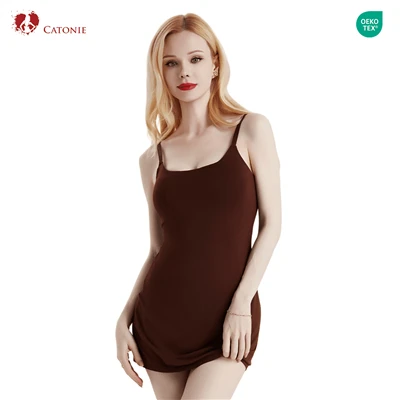
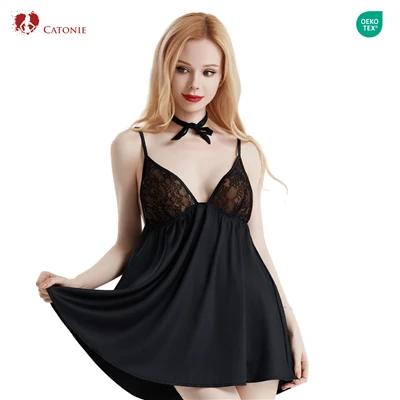
- Babydolls and Chemises: A babydoll is a short, loose-fitting nightgown, often with a fitted bust and a flowing, sheer skirt made of chiffon or mesh. A chemise is typically a bit longer and more straight-cut. Both are wonderful alternatives to traditional pajamas, offering comfort with a touch of glamour.
- Jumpsuits and Teddies: A teddy, also known as a cami-knicker, is a one-piece garment that combines a camisole top with a panty bottom, often with a snap-crotch. Lingerie jumpsuits are a more modern evolution, sometimes featuring long pants made of sheer lace or silk. These all-in-one pieces are effortlessly chic and can be incredibly comfortable.
- Corsets and Bustiers: While historical corsets were restrictive, modern corsets and bustiers are designed with aesthetics and moderate shaping in mind. A bustier is a type of longline bra that extends down to the waist, providing structure and lift. A corset uses boning (now typically flexible plastic, not whalebone) to cinch the waist. A sheer corset featuring lace panels and ribbon lacing is a powerful statement piece, blending historical romance with modern sensuality. Exploring options like the diverse range of corsets and lingerie can reveal pieces that are both architecturally beautiful and surprisingly wearable.
Building a collection is about balance-having the practical pieces you need and the beautiful pieces you desire.
Tip 7: Cultivating Confidence and Body Positivity
Perhaps the most profound function of lingerie, particularly something as personal and deliberate as sheer undergarments, is its potential to reshape our relationship with our own bodies. In a world saturated with idealized and often unattainable images of beauty, the act of choosing and wearing lingerie can become a radical practice of self-acceptance and love. It is an opportunity to shift the focus from an external, critical gaze to an internal, appreciative one. Adorning your body in beautiful things, not for an audience but for your own pleasure, is a powerful way to claim ownership of your self-image and celebrate your unique form, exactly as it is.
Adorning the Self: Lingerie as a Tool for Self-Love
Think of putting on a beautiful set of sheer lingerie not as an act of preparation for being seen by others, but as a personal ritual. It is a moment in your day, like savoring a cup of tea or reading a poem, that is just for you. The sensory experience-the feel of silk, the intricate texture of lace, the sight of a beautiful color against your skin-can foster a sense of presence and embodiment. It draws your attention to your body not as a set of flaws to be corrected, but as a source of sensation and pleasure.
This practice can be particularly powerful on days when you are not feeling your best. On a day when self-doubt creeps in, choosing to wear your most beautiful lingerie set under your regular clothes can be a secret act of defiance. It is a private reminder of your own worth, beauty, and sensuality, a source of strength that only you are aware of. It reframes lingerie not as something to make you "look good" for someone else, but as something to make you feel good for yourself. This internal shift is the very essence of genuine confidence.
Navigating Media Portrayals of Beauty
It is impossible to discuss lingerie without acknowledging the pervasive influence of the fashion and advertising industries. For decades, the marketing of lingerie has been dominated by a very narrow, homogenous beauty ideal (Tiggemann & Zaccardo, 2015). This has, for many, created a sense of alienation, a feeling that these beautiful garments are not "for them." However, the landscape is beginning to change. The rise of the body positivity movement and the power of social media have challenged these old norms, demanding more inclusive and realistic representations of beauty.
As a consumer, you have the power to support this change. Seek out and support brands that feature models of diverse sizes, shapes, ages, and ethnicities. Unfollow social media accounts that promote a narrow beauty standard and leave you feeling worse about yourself. Curate your visual diet just as you curate your wardrobe. Remember that the purpose of lingerie is to celebrate your body, not to transform it into a replica of a model's. The goal is to find pieces that honor your unique shape, your personal story, and your individual sense of beauty.
The Gaze: Internal versus External Perception
Philosophers and feminist theorists have written extensively about "the gaze"-the act of seeing and being seen, and the power dynamics inherent in it. For a long time, lingerie was primarily understood in the context of the external, often male, gaze. It was about being looked at. But a more empowering perspective invites us to consider the internal gaze. How do you see yourself? When you look in the mirror, can you do so with kindness and appreciation rather than criticism?
Sheer undergarments can be a fascinating tool in this exploration. They play with visibility, framing and highlighting the body in a way that can feel artistic and celebratory. They can help you see your own form in a new light, to appreciate the curve of a hip or the line of a collarbone as an aesthetic feature. By consciously choosing to dress for your own gaze, for your own pleasure and approval, you reclaim your body as your own territory. You become both the artist and the muse, the spectator and the spectacle. This is the ultimate expression of confidence: a deep and abiding appreciation for oneself, from the inside out.
PFrequently Asked Questions (FAQ)
What is the best way to determine my correct bra size in a sheer style?
The most reliable method is to get a professional fitting at a reputable lingerie store. If that is not possible, take two key measurements at home: your band size (snugly under your bust) and your bust size (loosely around the fullest part). Use an online calculator as a starting point, but remember that sheer bras, especially non-padded ones, may fit differently. Look for signs of a good fit: the band is level and snug, the wires sit flat against your sternum and trace your breast root, and there is no gaping or spillage in the cups.
Can I wear sheer undergarments every day?
Absolutely. Many modern sheer undergarments are designed for daily wear. Look for styles made from soft, breathable, and durable materials like nylon-spandex mesh or modal blends. A seamless sheer mesh brief or a comfortable, well-fitting sheer bra can be just as practical as their opaque counterparts, often with the added benefit of being more lightweight and breathable.
How do I prevent sheer lingerie from being visible under my clothes?
The key is to match the undergarment's color to your own skin tone, not to the color of your clothing. A bra or panty that closely matches your complexion will disappear under most fabrics, including white. Also, opt for styles with seamless or laser-cut edges to avoid visible lines.
Are sheer undergarments supportive enough for larger busts?
Yes, they can be. Support in a bra comes primarily from the band and the construction, not from the opacity of the fabric. Look for sheer bras from brands that specialize in fuller bust sizes. Key features to look for include a wide, firm band with three or more hooks, seamed cups (which offer more structure than molded ones), and wider, cushioned straps. Sheer power mesh is an excellent material that provides strong, breathable support.
What is the difference between a babydoll and a chemise?
A babydoll is typically a very short nightgown, featuring a fitted bust (often with bra-style cups) and a loose, A-line skirt that ends around the upper thigh. A chemise is generally simpler in construction, cut straighter and longer, often falling to mid-thigh or the knee, and hangs from spaghetti straps like a slip. Both can be made from sheer fabrics.
How should I store my sheer corsets or bustiers?
Due to their structural components like boning, it is best not to fold corsets or bustiers tightly. The ideal way to store them is either by laying them flat in a drawer or hanging them. If hanging, use a sturdy hanger and hang them from the bottom edge or draped over the hanger bar to avoid putting stress on any delicate straps.
Conclusion
The world of sheer undergarments is one of delightful complexity, blending artistry with engineering, and personal expression with practical function. Choosing these garments is an endeavor that rewards thoughtfulness. By understanding the nuances of fabric, prioritizing the precision of fit, and considering the context of each occasion, you transform the act of buying lingerie from a simple purchase into a curated experience. Color and embellishment offer a rich vocabulary for expressing your personal aesthetic, while the gentle rituals of care ensure that these beautiful objects endure. More profoundly, embracing sheer lingerie can be a journey toward self-acceptance. It is an invitation to adorn your body for your own pleasure, to cultivate an inner confidence that is independent of any external gaze, and to celebrate your unique form. These are not just garments; they are tools for self-discovery, intimate companions in the ongoing project of knowing and loving oneself.
References
Adam, H., & Galinsky, A. D. (2012). Enclothed cognition. Journal of Experimental Social Psychology, 48(4), 918–925.
Hallett, C., & Johnston, A. (2014). Fabric for fashion: The swatch book (2nd ed.). Laurence King Publishing.
Merleau-Ponty, M. (2012). Phenomenology of perception (D. A. Landes, Trans.). Routledge. (Original work published 1945)
Steele, V. (2001). The corset: A cultural history. Yale University Press.
Tiggemann, M., & Zaccardo, M. (2015). "Strong is the new skinny": A content analysis of #fitspiration images on Instagram. Journal of Health Psychology, 21(11), 1003–1011.