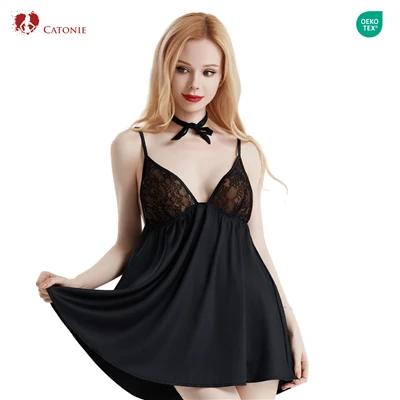
With the development of cross-border e-commerce, independent websites, and overseas wholesale businesses, more and more swimwear factories and sellers are starting to promote "sexy swimwear" as an important product category to markets in Europe, America, Australia, the Middle East, and Southeast Asia. Compared to ordinary clothing, swimwear is a textile product worn close to the skin, directly in contact with the skin and exposed to water and sunlight for extended periods. Therefore, regulations in various countries are relatively strict regarding safety, environmental protection, chemical control, and label compliance. Many novice sellers mistakenly believe that swimwear is just a "fashion product" and that as long as the style is attractive, it can be exported. However, in reality, without the necessary certifications or testing reports, goods are easily detained during customs clearance, and may even face platform removal, fines, or return shipments.

Sexy swimwear, in particular, has lighter fabrics, less material, and a more skin-hugging structure, requiring higher standards for dye safety, elastic fiber stability, and skin irritation resistance. Allergic reactions, color fading, or quality complaints not only damage brand reputation but may also involve legal liabilities. Therefore, understanding the certifications and tests required by the target market before formally exporting is a crucial step in the export process.
Essential Documents
The three most basic types of documents required by almost all countries are:
·Product testing report (fabric safety and colorfastness)
·Composition label and washing label information
·Export customs declaration documents (invoice, packing list, certificate of origin)
This part is not a "certification certificate," but it is a basic requirement for customs clearance and product listing. Without these, orders are unlikely to be shipped normally.
EU Market
Although swimwear is not a product subject to mandatory CE certification, it still needs to comply with textile regulations to enter the EU. The mandatory regulations include:
·REACH Chemicals Regulation (restriction of hazardous substances)
·Textile Labelling Regulation (accurate composition labeling)
·General Product Safety Regulation (GPSR)
Exported swimwear cannot contain excessive levels of azo dyes, formaldehyde, heavy metals, etc.; the nylon and spandex ratio must be clearly stated; the product must be safe and non-irritating to the human body. If it fails a random inspection, the entire batch may be destroyed.
US Market
When exporting to the US, it is recommended to prepare the following documents:
① CPSIA test report (Consumer Product Safety)
② Flammability test 16 CFR 1610 (fabric flame retardancy rating)
③ Textile composition label compliance
④ Permanent washing label Both US Customs and Amazon place great emphasis on test documents. This is especially true for children's swimwear, where testing requirements are even stricter.
OEKO-TEX
OEKO-TEX Standard 100 is a very common environmental and safety certification in the textile industry. While not legally mandatory, it has a strong "bonus effect" in foreign trade. This certification primarily tests whether the fabric contains substances harmful to the human body, such as carcinogenic dyes, formaldehyde residue, heavy metals, and pesticides. Since swimwear is worn close to the skin, many European customers, large supermarkets, or brand buyers explicitly require suppliers to provide this certificate. Sexy swimwear fabrics are often made of nylon and spandex blends, offering high elasticity and a close fit to the skin; consumers have higher demands for comfort and safety. Having OEKO-TEX certification significantly enhances customer trust and helps brands promote selling points such as "environmentally friendly, safe, and skin-friendly."
Environmental Protection and Social Responsibility
Many export orders also involve factory audits:
BSCI (Business Social Responsibility Audit)
SEDEX (Ethical Trade Audit)
WRAP (Production Compliance Certification)
ISO 9001 (Quality Management System)
ISO 14001 (Environmental Management System)
These are not directly related to the product, but they are crucial for securing large customer orders.Without factory audits, it's virtually impossible to enter supermarkets or brand supply chains.
Special Regional Considerations
Middle Eastern Market – Pay attention to clothing coverage requirements
Australian Market – Focus on UPF sun protection testing
Japanese Market – Emphasize quality and label details
Cross-border E-commerce Platforms – May require third-party testing reports. Different countries have different rules; local regulations must be checked before exporting.
Additional Testing Items for Sexy Swimsuits
Compared to ordinary T-shirts or underwear, swimsuits are used in more complex environments. Therefore, customers often add the following tests: chlorine fastness, seawater fastness, tensile recovery rate, elastic fatigue test, UV resistance (UPF), and pilling test. These tests directly affect the lifespan and user experience. If a swimsuit becomes loose and deformed after only a few uses, it easily leads to returns. Therefore, many professional buyers include these indicators in the contract.
Document Preparation Suggestions
Practical Steps:
Step 1: Confirm the regulations of the target country
Step 2: Send the fabric to SGS/ITS/TUV for testing
Step 3: Prepare standardized washing and composition labels
Step 4: Apply for additional certifications such as OEKO-TEX
Step 5: Prepare factory audit documents. This avoids repeated testing and saves costs.
Common Misconceptions
Is one test enough?
-No, it's not enough. Retesting is required if the fabric or batch is changed.
Can small orders skip this test?
-It will still be rejected during customs clearance inspections.
Are sexy swimwear items subject to looser regulations?
-On the contrary, intimate apparel is often subject to stricter regulations.
Exporting sexy swimwear isn't simply a "make-and-sell" fashion item; it's a product that must strictly comply with the textile safety, chemical restrictions, labeling regulations, and factory responsibility systems of various countries. Because it's in direct contact with the skin and is constantly exposed to pool water, seawater, and sunlight, the requirements for human health and material stability are much higher than for ordinary clothing. Neglecting testing and certification can lead to customer order cancellations, platform removal, customs clearance failures, goods being scrapped, and even fines, resulting in both time and financial losses.
Businesses should view certification as a "ticket" to the market, not an extra burden. Preparing compliance documents in advance not only increases customer trust but also enhances brand competitiveness and reduces after-sales disputes. Whether it's a small factory, a cross-border seller, or a trading company, anyone planning to engage in swimwear exports long-term should establish standardized testing processes and certification systems, ensuring that every batch of products is traceable and documented. This will ensure smoother order processing and more stable and lasting customer partnerships.