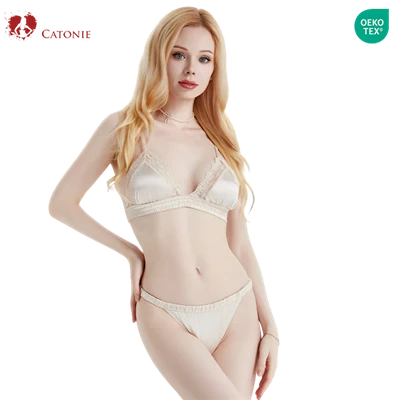
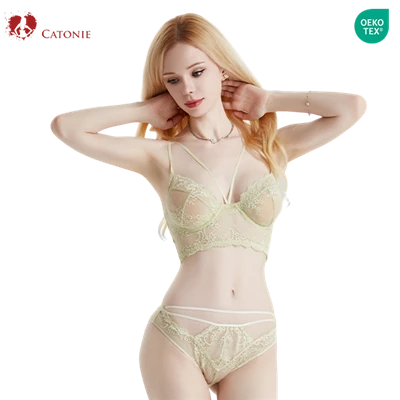
A lift lace bra needs to look attractive while providing the right level of support and a comfortable fit. For lingerie brands, a well-designed product is more than just a combination of lace, padded cups, and underwire. The cup shape, wearing comfort, and overall appearance should work together. Some bras look great when worn but cause cup gaps, excessive pressure, or slipping straps. Others feature beautiful lace patterns but are not practical for everyday use. During custom development, the real goal is to create a product that combines visual appeal with a satisfying wearing experience.

Which Cup Structure Works Best for a Lift Lace Bra?
The cup structure directly affects how a bra lifts and shapes the bust. Different breast shapes and wearing preferences require different cup depths, side support heights, and neckline shapes. When developing a new style, brands should decide what kind of silhouette they want to achieve before choosing the cup construction, rather than simply adding thicker padding or creating excessive compression.
- Triangle Lift Cups: These have a lightweight appearance and work well with delicate lace. They are suitable for styles that aim for a more natural-looking shape.
- Low Center Gore: A lower connection between the cups works well with certain low-cut outfits and helps create a more defined neckline.
- Side-Support Lift Cups: Side panels help bring the bust toward the center, making this structure suitable for styles designed to improve the appearance of side fullness.
- Graduated Padding: Thicker padding at the bottom and thinner padding at the top provides support while creating a fuller-looking shape.
Different cup structures should not use exactly the same sizing specifications. Cup depth and neckline curves need room for adjustment to help prevent gaps, pressure, and poor fit.
How Should Lace Patterns Be Designed for Custom Lift Lace Bras?
Lace is not just a decorative material. It also plays a major role in the overall look of a bra. Dense patterns can make a design appear heavy, while oversized motifs may be cut off at cup seams. During customization, brands should plan how the lace pattern will fit the cup panels so that the finished product looks balanced and complete.
- Symmetrical lace patterns: These work well on both cups, creating a neat and balanced appearance for classic, elegant styles.
- Eyelash lace: Adding it along the cup edges creates a softer and more delicate finish.
- Stretch lace: This is suitable for areas that need to follow the body's shape. Brands should check how the pattern changes when the fabric stretches.
- Partial lace panels: Combining lace with mesh or solid-color fabric can make the design look more layered without becoming too busy.
Lace transparency and skin contact also deserve attention. An attractive pattern is important, but rough edges can cause irritation, while insufficient stretch may affect how the cups fit. These details can make a noticeable difference in the final wearing experience.
How Can Straps and Back Designs Be Customized for Lift Lace Bras?
When trying on a bra, consumers do not focus only on how the cups lift the bust. Strap comfort and back support matter just as much. Straps that are too narrow may put extra pressure on the shoulders, while a tight back band can leave visible marks. During custom development, brands can adjust these features to match the product's intended style and support level.
- Strap Width: Lightweight designs can use slimmer straps, while styles that require stronger support may benefit from wider ones.
- Back Height: Low-back designs work well with backless outfits, while standard back structures are often more suitable for everyday wear.
- Hook-and-Eye Closures: The width and number of hook rows can be adjusted for different sizes, giving consumers more flexibility when adjusting the fit.
- Strap Adjusters: Adjusters should be easy to use and positioned to prevent the straps from twisting during wear.
For brands developing larger cup sizes, strap support and back construction need extra attention. Simply enlarging the cups is not enough; the proportions of the band, straps, and side panels may also need to change.
How Can Custom Lift Lace Bras Fit Different Sizes?
A bra that fits well in smaller sizes may not deliver the same results when scaled up. Cup depth, underwire shape, side panel width, and strap placement may all require adjustments. Brands can plan their core and extended size ranges in advance and identify which design features should remain consistent across sizes. They can also offer different levels of shaping, such as natural lift styles and more defined shaping designs, giving consumers clearer choices. For wholesale and custom orders, it is helpful to organize size charts, style images, colors, and key construction requirements into one clear specification file. This can reduce misunderstandings during production.
A successful lift lace bra design brings together bust shaping, attractive lace details, and reliable support. CATONIE provides OEM/ODM lingerie manufacturing services, allowing brands to submit their existing design concepts or tech packs, or explore market-oriented styles for new product inspiration. The design team regularly develops new silhouettes, fabrics, and color combinations to support different product positions. If you are developing a lift lace bra or expanding your lace lingerie collection, contact us to discuss custom designs, size planning, and bulk production requirements.