

The fabric used for fall pajamas not only affects wearing comfort but also determines the durability of the garments and how easy they are to care for. As the weather gradually becomes cooler, pajamas generally need to provide a certain level of warmth, breathability, and softness. Although some fabrics feel smooth and delicate, repeated wearing, washing, and friction can cause fibers to tangle, develop surface fuzz, or form small pills. This not only affects the appearance of pajamas but also reduces the smoothness of the fabric.
If you want fall pajamas that are less likely to pill, combed cotton, modal, silk, and high-quality polyester blends are worth considering. These materials have different characteristics in terms of fiber structure, weaving methods, and surface treatments, making them suitable for different wearing needs. However, the fabric name alone cannot fully determine its resistance to pilling. Even the same material can perform differently depending on fiber length, yarn quality, fabric density, and manufacturing processes.
Combed Cotton Pajamas Offer Good Durability
Combed cotton is a relatively common fabric choice for fall pajamas. It undergoes a combing process that removes short fibers, impurities, and some cotton knots, leaving the remaining fibers more neatly aligned. Compared with ordinary cotton fabrics, combed cotton generally has better yarn uniformity and a smoother fabric surface. As a result, it can reduce the exposure and shedding of short fibers.
The Combing Process Helps Reduce Pilling
If cotton yarn contains too many short fibers during spinning, these fibers can gradually protrude from the fabric surface after repeated friction during wear and become entangled with one another, forming pills. Combed cotton removes some of these short fibers, creating a more stable yarn structure and helping reduce this problem to a certain extent. It is suitable for making long-sleeved tops, trousers, and pajama sets. The fabric also offers good moisture absorption, helping absorb perspiration produced during sleep and reducing the sticky feeling between the skin and clothing.
Choose High-Density Cotton Fabrics
Combed cotton does not mean that pilling will never occur. Its actual performance is also related to yarn count, fabric density, and finishing processes. If the yarn quality is poor or the fabric structure is relatively loose, prolonged wear, repeated washing, and external friction may still cause fibers to protrude, tangle, and form pills on the surface. Therefore, when shopping, pay attention not only to the combed cotton label but also to the fabric's texture, weaving uniformity, and surface smoothness. Prioritize products with tightly spun yarns, careful workmanship, and anti-pilling treatments.
The following details are worth checking when choosing pajamas:
Observe the surface: High-quality combed cotton generally has a relatively smooth surface, with fewer visible loose fibers and flyaway fibers.
Check the texture: The fabric should feel soft and delicate while maintaining a certain degree of firmness rather than feeling excessively loose.
Check the composition: Prioritize products with clearly stated cotton fiber content and good yarn quality.
If you value a natural, skin-friendly feel, everyday durability, and easy washing, combed cotton fall pajamas are a suitable choice.
Modal Fabric Is Soft and Smooth
Modal is a regenerated cellulose fiber typically made from wood pulp. It is known for its softness, smooth texture, and excellent drape. It is commonly used in close-fitting clothing, loungewear, and pajamas. Compared with some knitted fabrics that have a fluffy surface, high-quality modal fabric offers a finer texture and can reduce rough friction between clothing and skin during wear.
Fiber Structure and Fabric Performance
Modal fibers offer good flexibility and moisture absorption. Pajamas made from this material generally feel lightweight and soft, without creating a noticeably stiff sensation when they fit against the body. When indoor temperatures are comfortable in autumn, modal pajamas can meet everyday sleeping and lounging needs. However, modal is not completely resistant to pilling. If the yarn quality is poor, the fabric is excessively loose, or the material experiences frequent friction, surface fuzz and small pills may still develop. Therefore, when choosing modal pajamas, pay attention to whether the fabric structure is uniform and whether the finished surface has visible loose fibers.
Suitable for People Who Prefer a Smooth Texture
Modal pajamas are generally made using knitting techniques. They offer a certain degree of stretch and drape, making them suitable for loose pajama sets, long-sleeved loungewear, and lightweight base-layer pajamas for autumn.
When choosing modal pajamas, prioritize the following features:
- Evenly arranged fibers and a smooth fabric surface.
- An appropriate fabric thickness that does not feel loose due to excessive thinness.
- Products that have undergone anti-pilling tests and can provide relevant testing documentation.
- Fabrics that are less likely to develop noticeable deformation, looseness, or surface fuzz after washing.
If you want pajamas that feel soft and smooth while avoiding rough fabric textures, high-quality modal products are worth considering.
Silk and High-Quality Polyester Each Have Their Advantages
In addition to cotton and modal, silk and certain types of high-quality polyester are also common choices for fall pajamas. These two materials have significantly different fiber structures, resulting in different characteristics in terms of surface smoothness, wearing comfort, and daily care.
Silk Pajamas Are Less Likely to Develop Noticeable Pills
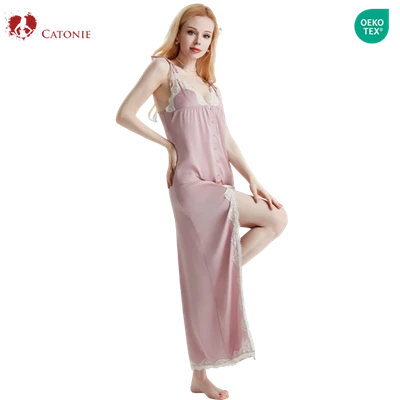
Silk is a natural protein fiber known for its smooth surface, natural luster, and delicate texture. Compared with textiles made from staple fibers, silk filament fabrics have better fiber continuity, making them less likely to develop noticeable pills caused by numerous short fibers becoming entangled. However, silk is not completely immune to surface damage. Prolonged friction against rough objects may still cause fiber wear, snagging, or localized fuzz. Therefore, silk pajamas require relatively gentle washing and care methods. For fall pajamas, silk is suitable for lightweight long-sleeved sleepwear, notched-collar pajama sets, and similar styles. When shopping, pay attention to the mulberry silk content, fabric thickness, and sewing quality rather than judging product quality solely by its surface luster.
Polyester Offers Good Dimensional Stability
Polyester is a common synthetic fiber known for its relatively high strength, good abrasion resistance, and resistance to deformation. Pajamas made from high-quality polyester filaments have good fiber continuity and are generally less likely to develop noticeable pills caused by short fiber shedding. However, polyester fabrics come in different weaving and processing types. Some polyester staple fiber fabrics may still pill after continuous friction, especially products with brushed or fleece finishes. When choosing polyester fall pajamas, prioritize products with a tightly structured weave and smooth surface. If you also want softness and warmth, consider blended fabrics with a well-balanced fiber composition.
How Can You Choose Fall Pajamas That Are Less Likely to Pill?
In addition to fabric materials, yarn quality, fabric construction, and daily care methods are also related to pilling. Even if you choose combed cotton, modal, or silk, improper washing methods can still cause surface wear. Therefore, it is important to pay attention to the actual product quality both when shopping and during use.
Which Fabric Is Least Likely to Pill?
If reducing pilling is your main priority, consider high-quality silk or polyester filament fabrics with smooth surfaces. Their continuous filament structure helps reduce the formation of pills. If you also need everyday wearing comfort and moisture absorption, combed cotton is another option worth considering. Each material has its own characteristics, so it is best to make a choice based on how frequently you wear your pajamas, your wearing habits, and your care requirements rather than relying solely on the fabric name.
Should You Choose Cotton or Modal for Fall Pajamas?
Both cotton and modal are suitable for fall pajamas, but they differ in texture and feel.
Combed Cotton: Offers good moisture absorption and a natural, skin-friendly feel. It is suitable for everyday wear and frequent washing.
Modal: Provides a smoother texture and better drape, making it suitable for people who prefer soft, close-fitting pajamas.
If you value a natural texture and everyday durability, choose combed cotton. If you prefer a lightweight, soft, and smooth wearing experience, high-quality modal is a good option.
How Can Washing Help Reduce Pilling in Pajamas?
Pilling is not only related to fabric materials but can also occur due to prolonged friction during wear and improper washing and care. Pajamas frequently come into contact with bedsheets, duvet covers, and other clothing. If the fabric surface is continuously exposed to friction, the fibers may gradually loosen and become entangled, forming small pills. Therefore, follow the washing instructions on the product label, control the water temperature and washing time, and avoid overly aggressive cleaning methods or vigorous rubbing. These steps help reduce fiber damage and maintain the original softness and smoothness of pajamas.
For everyday care, pay attention to the following points:
- Turn pajamas inside out before washing to reduce direct friction between the outer fabric surface and other garments.
- Use a mild detergent and avoid washing in hot water or soaking garments for extended periods.
- Wash pajamas separately from jeans and clothing with zippers or rough decorative details whenever possible.
- Avoid excessive tumble drying and vigorous rubbing. After washing, hang the pajamas to dry using an appropriate method.
These methods can reduce mechanical friction on the fibers and help maintain a smooth fabric surface.
Whether fall pajamas are prone to pilling depends on several factors, including fabric material, fiber length, yarn structure, weaving density, and finishing processes. Combed cotton uses a combing process to remove short fibers and offers good everyday wearing performance. Modal is valued for its soft and smooth texture. Silk filament fabrics have delicate surfaces and are less likely to develop noticeable pills caused by short fibers. High-quality polyester filaments offer good abrasion resistance and dimensional stability. When shopping, if you prioritize skin-friendliness, moisture absorption, and everyday durability, high-quality combed cotton is a good choice. If you prefer a soft and smooth texture, consider modal. If you value fabric luster and a delicate feel, silk may be suitable. If you want pajamas with good abrasion resistance, explore high-quality polyester filament fabrics. No material can guarantee that pajamas will never pill. In addition to checking the fabric composition, pay attention to whether the fabric surface is smooth, whether the yarn is uniform, and whether the product has undergone relevant anti-pilling performance tests. Combining good fabric quality with proper washing and care is the best way to reduce pilling in fall pajamas and extend their service life.




