

Custom silk sleepwear requires specifications such as fabric composition, garment style, sizing and measurements, colors, workmanship requirements, and order quantities. These details provide an important basis for sleepwear manufacturers when developing products, producing samples, and arranging mass production. Silk fabrics are known for their softness, lightweight feel, skin-friendly properties, and excellent drape. However, different types of silk vary in thickness, luster, shrinkage rate, and surface texture. Therefore, customization requires more than simply providing a style picture; fabric specifications and finished garment measurements must also be clearly defined.
For customers developing their own brands, hotel sleepwear collections, gift sleepwear, or bulk purchasing programs, providing complete customization information helps manufacturers accurately understand product requirements and reduces repeated modifications during sampling. This is particularly important for mulberry silk sleepwear, as fabric construction, weight, sewing methods, and finishing processes all affect the wearing experience. Preparing the relevant specifications in advance allows the production team to develop more accurate fabric sourcing, pattern-making, and production plans.
Fabric Specifications
Silk fabric is the core material in custom sleepwear production, so its specifications should be as detailed as possible. Different silk specifications vary in texture, breathability, and finished garment appearance. Customers need to determine material requirements according to their product positioning. Before customization, the fiber composition, weave structure, fabric weight, and thickness should also be clearly specified to ensure that the materials meet the expected wearing requirements. At the same time, factors such as drape, surface luster, and shrinkage should be considered so that manufacturers can arrange suitable cutting, sewing, and finishing processes to achieve the desired overall appearance.
Silk Composition
When customizing silk sleepwear, customers need to specify which type of silk material will be used, whether blended fabrics are acceptable, and the exact fiber composition percentages. Different materials vary in softness, luster, breathability, and durability, directly affecting the wearing experience and overall garment quality. If there are specific requirements for natural fiber content, customers should confirm the fabric composition with the manufacturer in advance and include the relevant specifications in the customization requirements. This helps prevent inconsistencies between the materials used in actual production and the expected specifications.
Common options include:
100% Mulberry Silk: Offers a soft, smooth texture and natural luster, making it a popular choice for premium silk sleepwear.
Silk Blended Fabrics: Combine silk with other fibers to achieve different fabric properties. The exact percentage of each fiber should be clearly specified.
Silk Fabrics with Different Weaves: Common options include satin, crepe de chine, habotai, and georgette, each offering different surface textures and draping effects.
If the product is positioned as high-end silk sleepwear, the mulberry silk content should be clearly stated in the customization specifications rather than using vague descriptions such as silk fabric.
Fabric Weight and Thickness
Fabric weight is usually expressed in grams per square meter (GSM) and is an important parameter for determining fabric thickness. Lightweight fabrics are suitable for spring and summer sleepwear, while heavier fabrics can be used for autumn and winter styles. Customers can provide the target GSM range and request confirmation of the actual hand feel, drape, and transparency during sampling. Even silk fabrics with the same fiber composition may have different thickness characteristics due to variations in weave structure. Therefore, fabric weight alone should not be used to determine the final quality.
Fabric Colors and Patterns
Customers need to specify whether the sleepwear will use solid-colored, printed, or jacquard fabrics. For custom printing, it is recommended to provide high-resolution pattern files, color codes, or physical color swatches. For solid-colored fabrics, the exact color should be confirmed. If necessary, a Pantone color code can be provided to help the manufacturer verify the dyeing results.
Styles and Measurements
Style and sizing directly determine the fit and appearance of silk sleepwear. Even when the same fabric is used, different collar styles, sleeve designs, and trouser cuts can create different product styles. Before customization, customers need to define the overall structure, fit, and length proportions of the top and bottoms according to the wearing habits of the target audience. The lightweight, soft, and naturally draping properties of silk fabrics should also be considered when adjusting pattern measurements. This helps prevent garments from being too tight or too loose, which could affect wearing comfort and overall appearance.
Sleepwear Style Design
Before customization, customers should provide style drawings, reference pictures, or design drafts, together with specific structural details, so that manufacturers can accurately understand the product appearance and production requirements. The design materials should include details such as collar shape, placket width, cuff design, pocket placement, waistband structure, and overall garment length. If special cutting, paneling, or decorative designs are required, these should be marked separately. Close-up detail drawings can also be provided when necessary to reduce modifications caused by misunderstandings during sampling.
Common silk sleepwear styles include:
Classic Notched-Collar Sets: Usually consist of a long-sleeved top and trousers, making them suitable for creating simple and elegant sleepwear collections.
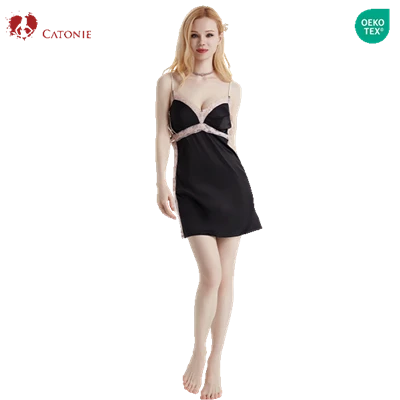
Silk Slip Nightgowns: Feature lightweight fabrics and simple cuts, with particular attention to strap width, dress length, and overall drape.
Short-Sleeved and Shorts Sets: Suitable for spring and summer, with a relatively lightweight design.
Long Robes: Usually feature a waist belt, pockets, and loose sleeves. They can be sold as standalone products or paired with matching sleepwear sets.
Style specifications should also indicate the neckline shape, placket design, pocket placement, cuff structure, and waistband style.
Finished Garment Sizing
Custom sleepwear specifications should not rely solely on standard sizes such as S, M, and L. Specific measurements are also required so that manufacturers can create patterns and adjust garment proportions based on actual data. Different brands may use different sizing standards. Even garments labeled with the same size may vary in bust circumference, shoulder width, garment length, and trouser length. Therefore, it is recommended to provide detailed body measurements or a finished garment size chart, together with the required ease allowance for each area, to ensure that the finished silk sleepwear achieves the expected fit.
The following measurements are recommended:
Tops: Bust, shoulder width, garment length, sleeve length, and cuff circumference.
Bottoms: Waist, hip, trouser length, front and back rise, and leg opening circumference.
Nightgowns: Bust, waist, dress length, and strap length.
If multiple sizes are required, a complete size chart should be provided, together with clear grading rules between sizes. For custom brand projects, customers can also provide a base pattern or a fitting sample garment to help manufacturers make pattern adjustments.
Workmanship and Accessories
Custom silk sleepwear requires not only suitable fabrics but also appropriate sewing techniques and accessory configurations to ensure finished garment quality. Before customization, customers should define decorative details, stitching requirements, and brand identification, and determine the specific processing methods according to the garment design. Since silk fabrics are generally lightweight and delicate, particular attention should be paid to seam smoothness, stitch length control, and edge finishing during sewing. This helps prevent problems such as fabric puckering, loose threads, and localized deformation. Buttons, elastic bands, and decorative accessories should also complement the texture of the fabric.
Sewing Techniques
Silk fabrics are relatively lightweight and delicate. During sewing, stitch length, seam allowance, and fabric tension need to be carefully controlled to prevent skipped stitches, puckering, or excessively tight seams. Suitable needle types, thread specifications, and sewing methods should also be selected according to the fabric thickness and weave structure to ensure that seams are smooth and secure. For areas that are more susceptible to stretching or deformation, such as necklines, cuffs, and trouser hems, appropriate edge finishing is also necessary. This helps minimize fabric damage during sewing while maintaining the garment's delicate texture and overall shape.
Common workmanship requirements include:
Binding: Used around necklines, cuffs, and other areas to create neat and clean edges.
Piping: Contrasting or matching fabrics can be used to decorate garment edges.
Fabric Paneling: Used to combine fabrics in different colors or weave structures.
Embroidery: Brand logos can be added to the chest, cuffs, or pockets.
For lightweight silk fabrics, customers should also specify thread colors, stitch lengths, and seam appearance requirements.
Accessory Selection
When customizing silk sleepwear, customers need to confirm the materials used for buttons, zippers, elastic bands, belts, and decorative accessories. For example, notched-collar sleepwear requires confirmation of button material, color, and size. For trousers, the width, elasticity, and covering method of the waistband elastic should be clearly specified. For robes, customers need to determine the belt length, belt loop positions, and pocket design.
Brand Identification and Packaging
For products intended for branded sales or gift orders, customers also need to provide brand visual materials.
These generally include:
- Brand logo files, embroidery dimensions, and placement.
- Main labels, size labels, and care labels, including their content and specifications.
- Hangtag designs, materials, and attachment methods.
- Dimensions and design files for packaging boxes, bags, and inner packaging.
Care labels should accurately indicate fabric composition, washing instructions, and other relevant information to ensure that product labeling meets the applicable requirements of the target market.
Order and Production Requirements
In addition to product specifications, manufacturers also need to understand order quantities, delivery requirements, and sampling arrangements. This information helps determine the production method and specific implementation plan. Customers should specify the purchasing quantity for each sleepwear style, color, and size, and clarify whether samples need to be produced and the fabric and workmanship approved before mass production begins. Expected delivery dates, packaging requirements, and shipping arrangements should also be provided in advance. This allows manufacturers to organize fabric sourcing, production schedules, and quality inspections more efficiently while reducing communication errors during order fulfillment.
Order Quantity
Customers need to provide the estimated purchasing quantity, together with the specific quantity distribution for each style, color, and size. For newly developed products, small-batch sampling can be arranged first. After confirming the fabric, fit, and workmanship, manufacturers can proceed with bulk production. Different manufacturers may have different minimum order quantity (MOQ) requirements for silk fabric sourcing and finished garment production, so these details should be discussed in advance.
Sampling Requirements
Before mass production, customers should clarify whether sample garments need to be developed and the standards that the samples must meet. Sampling allows customers to evaluate the actual texture, color appearance, fit, sizing, and sewing details of the silk fabric in advance and determine whether the design meets expectations. If there are deviations in garment proportions, sleeve length, waistband structure, or decorative placement, customers can provide timely modification instructions. For products with special workmanship or brand identification requirements, the presentation of these details should also be confirmed. Bulk production should only be arranged after the sample has passed inspection and approval.
Sampling specifications generally include:
- Style design drawings or physical reference samples.
- Fabric composition, weight, and color requirements.
- Finished garment measurements and fit specifications.
- Sewing techniques and accessory configurations.
- Logo, hangtag, and packaging requirements.
After the sample is completed, customers need to inspect the fabric hand feel, measurement deviations, stitching quality, print placement, and overall appearance. Once the required modifications have been confirmed, the pre-production sample should be signed off or approved in writing.
Delivery and Packaging Requirements
Customers also need to provide the expected delivery date, product packaging method, shipping requirements, and delivery destination. If the order involves overseas sales, export packaging, product labeling, and the relevant requirements of the destination market should be clarified in advance. This helps avoid extensive adjustments after the finished products have been completed.
Frequently Asked Questions
Q1: Is Providing Only Style Pictures Enough for Custom Silk Sleepwear?
Style pictures can serve as an initial reference, but production specifications usually cannot be accurately determined from pictures alone. Images cannot fully show fabric composition, GSM, measurements, sewing structures, or accessory specifications. It is recommended to supplement the pictures with style measurement drawings, fabric requirements, and workmanship descriptions. If a complete design draft is not available, customers can first provide a reference sample garment and ask the manufacturer's professional pattern makers to help organize the measurements and pattern specifications.
Q2: Is It Necessary to Provide Fabric Samples for Custom Silk Sleepwear?
Not necessarily. If the fabric composition, specifications, colors, and quality requirements have already been clearly defined, the manufacturer can first provide suitable fabric color cards or physical swatches for confirmation. If customers have specific requirements for fabric luster, hand feel, and thickness, providing an existing fabric swatch makes it easier for the manufacturer to find a similar material. Before mass production, the final fabric should also be checked to ensure that it is consistent with the approved sample.
Q3: Can Silk Sleepwear Be Customized Without an In-House Design Team?
Yes. Customers can provide preferred sleepwear pictures, basic style requirements, and product positioning, and the manufacturer can assist with style analysis, measurement organization, and sample development. However, products involving special patterns, complex printing, or exclusive embroidery still require clearer design specifications.
The key specifications required for custom silk sleepwear include fabric composition, GSM, colors, patterns, garment styles, finished measurements, sewing techniques, accessories, brand identification, packaging specifications, and order quantities. The clearer the information provided by customers, the easier it is for manufacturers to understand product requirements accurately and reduce communication costs during fabric selection, pattern development, and sample modifications. For custom brand development and bulk production projects, it is recommended to organize fabric specifications, size charts, workmanship requirements, and packaging standards into complete product technical documents, and confirm the sample and pre-production sample before mass production. This helps maintain consistency in fabric quality, garment measurements, and appearance details while improving production stability for subsequent orders.




