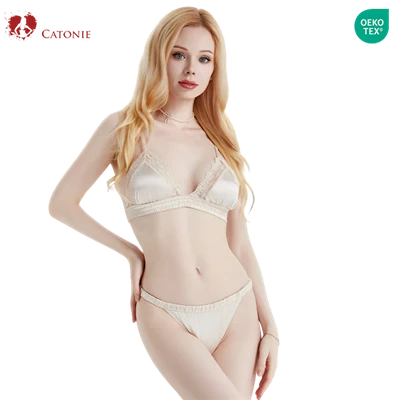
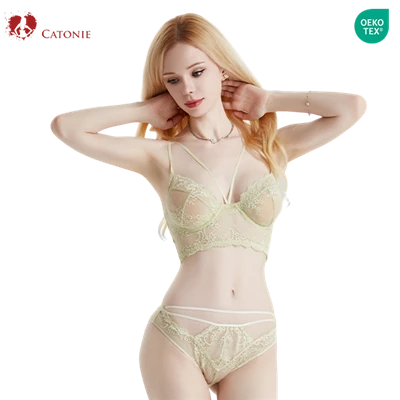
Lingerie sets are in constant contact with your skin. If you experience itching, redness, stinging, or stuffiness, it's often mistaken for "sensitive skin." However, the actual cause may be the fabric, dyeing residue, friction irritation, or wearing habits. Dealing with an allergic reaction to your lingerie set isn't as simple as just changing products; you need to adjust your material selection, wearing habits, and care methods. Identifying the source of the irritation is often more effective than simply frequently changing styles.

Fabric Material Affects Skin Tolerance
The type of fabric used in close-fitting clothing significantly impacts skin comfort. Fabrics with a high proportion of synthetic fibers, poor breathability, or rough surface treatments are more likely to cause discomfort in hot, sweaty conditions. For those with sensitive skin, prioritizing soft, breathable materials usually helps reduce irritation. Besides the main fabric, pay attention to the lining, seam edges, and cup contact areas, as these details are often more prone to friction reactions.
Washing New Underwear Helps Reduce Irritation
Wearing newly purchased underwear sets without treatment can sometimes affect skin condition due to surface residue. Trace amounts of residue may remain from the dyeing and finishing process, or dust and impurities may adhere during transportation and storage; these factors can increase the risk of sensitivity. Gentle washing before wearing helps reduce these sources of irritation. The washing method also needs attention; avoid using harsh detergents to prevent residual ingredients from further affecting skin tolerance.
Adjusting Wearing Details Can Reduce Friction and Discomfort
Besides material issues, the way you wear it can also induce discomfort. Underwear that is too tight, has significant pressure, or leaves heavy marks on the edges is more likely to cause localized friction, leading to redness or sensitive reactions.
- Proper sizing helps reduce localized pressure and irritation.
- Moderate shoulder strap tightness reduces friction and discomfort.
- Take breaks after prolonged continuous wear.
- Changing underwear promptly when sweating heavily helps keep skin dry.
- Smooth seam edges improve skin-friendly comfort.
These seemingly simple adjustments often directly affect the actual wearing experience.
Daily Care Methods Affecting Sensitivity Improvement
Underwear allergies aren't just a problem at the purchasing stage; post-purchase care is equally important. Frequent high-temperature washing, detergent residue, or humid storage environments can all affect the fabric's condition, thus worsening skin discomfort. Gentle washing, thorough rinsing, and keeping the garment dry help reduce sources of irritation. For those already experiencing sensitivities, temporarily refraining from wearing styles that may cause discomfort and observing skin changes can also help determine the source of the problem.
Optimizing Selection from a Long-Term Fit Perspective is More Important
If you frequently experience lingerie set allergies, the focus shouldn't just be on temporary relief, but on establishing selection criteria that better suit your skin type. Understanding which materials, structures, or wearing conditions you are more sensitive to, and then selecting products accordingly, is usually more effective than repeated trial and error. Comfort, breathability, and skin tolerance are often more important than simply focusing on style. Finding a long-term, comfortable wearing solution is the key to truly reducing the recurrence of sensitivity issues.