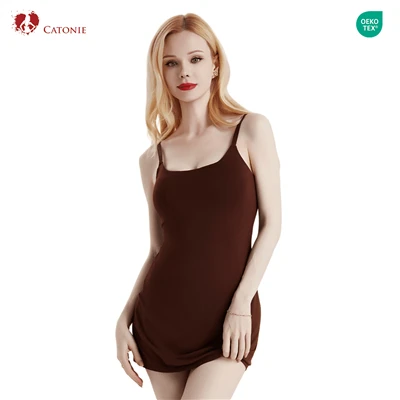
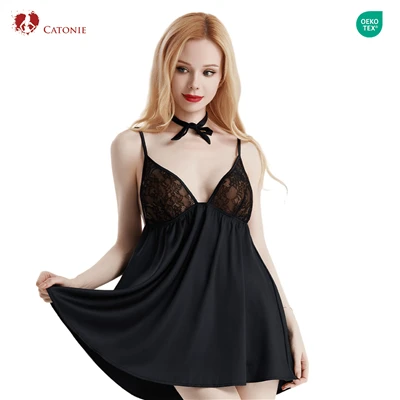
When choosing lingerie, women often consider comfort, aesthetics, and durability. Silk lingerie and lace lingerie each have their own unique charm-the former feels smooth, lightweight, and luxurious, while the latter is delicate, romantic, and versatile in design. For those looking for long-lasting wear, the question of "which is more durable?" becomes essential. This article will analyze the durability of silk and lace lingerie from four perspectives: material characteristics, care methods, wearing occasions, and lifespan, helping you make an informed purchase.
Material Characteristics and Durability
The fabric of lingerie plays a key role in its longevity.
- Silk lingerie: Made from natural silk, it is soft and smooth with a luxurious feel, but the fibers are relatively fragile and prone to snags or pulls.
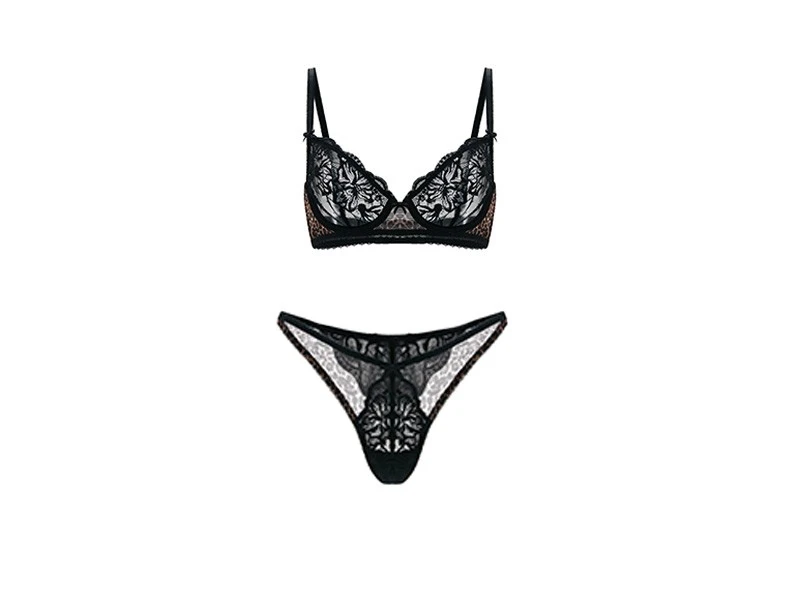
- Lace lingerie: Often made from polyester, nylon, or blended elastic fibers, lace is more resistant to stretching and wear, making it suitable for daily use.
- Breathability: Silk fibers are naturally breathable but highly absorbent, and prolonged contact with sweat or moisture can weaken the fibers. Lace is generally breathable as well, but synthetic fibers make it more moisture-resistant.
- Elasticity: Lace lingerie usually incorporates elastic fibers for strong rebound and minimal deformation, whereas silk lingerie has limited elasticity and may need additional support design.
Care Methods and Their Impact on Durability
Proper care directly affects lingerie lifespan.
- Silk lingerie: Recommended to hand wash or use a gentle laundry bag; avoid high temperatures or vigorous agitation to prevent abrasion or pilling.
- Lace lingerie: Can be machine washed on a delicate cycle, preferably in a laundry bag, to avoid snagging and damage.
- Drying method: Silk should be air-dried away from direct sunlight and laid flat or hung gently; lace is slightly more resistant to sunlight, though prolonged exposure can still weaken the fibers.
- Storage: Silk lingerie should be stored flat or folded to prevent creasing and stretching; lace lingerie can be hung or folded with relative ease.
Wearing Frequency and Occasions
How often you wear lingerie directly affects its durability.
- Silk lingerie: Best suited for occasional wear or special events, as frequent use can lead to wear, wrinkles, and reduced lifespan.
- Lace lingerie: Durable and resistant to wear, making it ideal for daily use with frequent washing and handling.
- High-activity situations: Silk can snag or stretch easily during prolonged movement; lace lingerie is more stable and suitable for light activities.
- Indoor vs. outdoor: Silk lingerie works well for home use or intimate occasions, while lace lingerie can be styled for both home and outdoor wear, offering versatile pairing options.
Lifespan Comparison
Considering materials, care, and usage patterns, we can roughly compare longevity.
- Silk lingerie lifespan: With proper care, each piece may last 1–2 years, but frequent wear can shorten its life.
- Lace lingerie lifespan: Durable and stretch-resistant, it can last 2–3 years or longer, making it a more cost-effective choice for everyday wear.
- Cost-effectiveness: Silk offers an unparalleled luxurious feel but lower durability; lace balances aesthetics and long-term wear, ideal for value-conscious consumers.
- Purchase recommendation: For a balance of luxury and durability, consider high-quality lace lingerie or silk-blend styles from CATONIE, which combine comfort, style, and longevity.
Choosing lingerie involves more than aesthetics and comfort; durability is equally important. Comparing silk and lace lingerie in terms of material, care, wearing frequency, and lifespan clarifies their respective advantages. Silk lingerie is best for occasional wear or special occasions, while lace lingerie's durability, elasticity, and easy maintenance make it ideal for everyday use. By selecting wisely and caring properly, every piece of lingerie can deliver maximum value, ensuring your wardrobe is both elegant and practical.