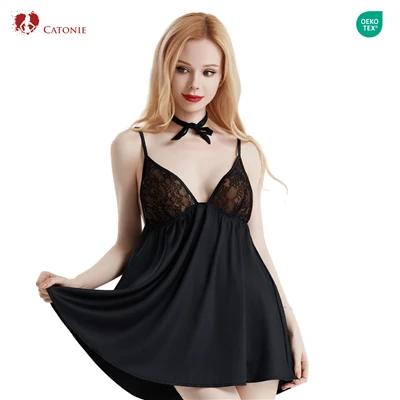
Lace lingerie has always been a symbol of feminine charm. The delicate lace patterns and soft touch seem to drape the body in a romantic veil. However, when this beauty is shattered by itching, the initial pleasure instantly turns into annoyance. What factors cause itching after wearing lace lingerie?

Material Allergy: The Invisible Skin Assassin
Lace lingerie uses a variety of complex materials, including not only the main lace fabric but also various linings and elastic bands. Some laces, to achieve better visual effects and texture, contain chemical dyes or auxiliaries. These chemicals act like invisible "skin assassins" for some people with sensitive skin.
When the skin comes into contact with these allergen-containing materials, the immune system reacts quickly, releasing chemicals such as histamine. These substances cause vasodilation and increased permeability of the skin, leading to erythema, papules, and intense itching. Even people with normally healthy skin may gradually develop allergic reactions after prolonged contact with certain inferior lace materials, turning what should have been a comfortable wearing experience into unbearable discomfort.
Improper Cleaning: A Breeding Ground for Bacteria
Underwear, being worn close to the skin daily, absorbs a large amount of sweat and sebum. If not thoroughly cleaned, lace underwear can become a breeding ground for bacteria. Sweat and sebum provide abundant nutrients for bacteria, which multiply rapidly in the warm, humid environment.
These bacteria accumulate on the underwear, and when worn again, they irritate the skin, causing itching. Lace, in particular, is a porous fabric that easily traps dirt and bacteria, which can penetrate deep into the lace fibers and are difficult to remove completely. Furthermore, using unsuitable detergents can leave residual chemicals that irritate the skin, further aggravating itching.
Ill-fitting Size: Damage Caused by Friction
Choosing the right size underwear is crucial for comfort. If lace underwear is too small, it will cause excessive pressure and friction on the skin. The edges of lace are often sharp, and prolonged friction can damage the skin's stratum corneum, disrupting the skin's barrier function.
Once the skin barrier is damaged, external irritants can more easily penetrate the skin, triggering an inflammatory response and causing itching. Furthermore, underwear that is too small can affect blood circulation, preventing the skin from receiving sufficient nutrients and further reducing its resistance, exacerbating the itching problem. Conversely, if the underwear is too large, it will cause unnecessary friction against the skin during activity, also causing itching and discomfort.
Season and Environment: External Factors
Seasonal and environmental changes can also affect itching caused by lace underwear. In dry winters, low air humidity makes skin prone to moisture loss, becoming dry and rough. Dry skin is more sensitive to external stimuli, and wearing lace underwear makes friction and chemical irritation more likely to trigger itching.
In humid summers, increased sweating, if underwear is not changed promptly, creates a damp environment that promotes the growth and reproduction of bacteria and fungi. Fungal infections are a common cause of itchy skin. When fungi proliferate on the skin, they release toxins that irritate nerve endings, leading to intense itching.
Itching caused by lace underwear is not unsolvable. Understanding the impact of factors such as material allergies, improper cleaning, incorrect sizing, and seasonal and environmental influences allows women to take targeted measures. Choosing reliable quality underwear made of safe materials, proper cleaning and care, selecting the correct size, and adjusting wearing habits according to the season and environment will allow women to rediscover the beauty and comfort of lace underwear and say goodbye to itching.