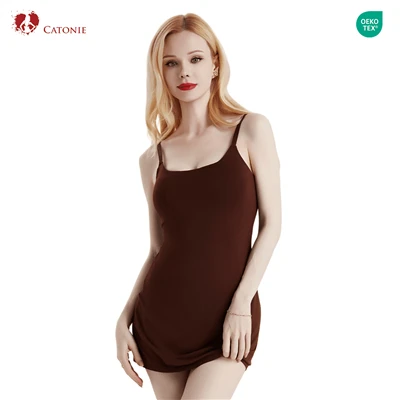
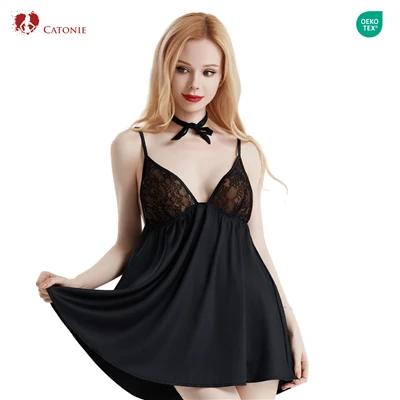
When buying underwear, many people wonder whether low-priced products can really offer reliable fabric quality. On online shopping platforms especially, many affordable underwear styles look very similar to higher-priced products, making it difficult for consumers to judge the real difference. In reality, the quality of underwear fabric cannot be determined by price alone. Some affordable options provide stable comfort for daily wear, while others may fall short in breathability, elasticity, or durability. What truly matters is whether the fabric meets practical everyday needs.

Why Is Affordable Underwear Becoming More Common?
Modern textile technology and supply chain improvements have lowered the cost of many basic underwear fabrics.
- Large-scale manufacturing reduces production costs for common materials.
- Standard blended fabric structures have become highly mature and practical.
- Some brands reduce packaging and marketing expenses to focus more on the product itself.
- E-commerce sales channels reduce middle costs, making prices more competitive.
As a result, affordable pricing does not automatically mean poor quality. Many basic underwear products can still offer good comfort and usability.
What Are the Common Characteristics of Affordable Underwear Fabrics?
There are still noticeable differences in fabric experience across different price ranges.
- Common materials include cotton, modal, or basic synthetic blends with relatively stable production costs.
- Softness is usually sufficient for daily wear, though the texture may feel less refined than premium fabrics.
- Elasticity and rebound performance are generally moderate, making them suitable for commuting or home use.
- After repeated washing, some low-cost fabrics may loosen or pill more easily.
- Breathability and moisture absorption largely depend on the fabric blend and weaving structure.
In simple terms, affordable fabrics are often designed to be practical rather than luxurious.
When Should You Be Careful with Very Cheap Underwear?
Not every low-priced product is worth buying, and some details deserve extra attention.
- Unclear fabric composition labels may indicate unstable material quality.
- Strong chemical odors may relate to dyeing or finishing processes.
- Fabrics with strong stretch but weak rebound may lose shape quickly.
- Very thin materials without enough support may become uncomfortable over time.
- Persistent fading in dark-colored fabrics may suggest unstable dye quality.
- Rough stitching or irritating edges can negatively affect comfort.
Low price itself is not the issue, but excessive cost-cutting often appears in small details.
How to Choose Reliable Affordable Underwear Fabrics
Even with a limited budget, it is still possible to find comfortable underwear.
- Prioritize products with clear material descriptions and transparent fabric information.
- For everyday use, cotton and modal are usually safe and comfortable choices.
- Check whether the fabric thickness feels even and balanced.
- Focus on real wearing needs rather than overly complex marketing claims.
- Buying one or two pieces first for testing is often a practical approach.
For daily wear, stable comfort is usually more important than advanced features.
Affordable underwear fabrics are not necessarily unreliable. Many budget-friendly products today can meet daily comfort needs quite well. The real wearing experience depends not only on price, but also on fabric structure, fiber quality, and production consistency. Instead of blindly pursuing expensive products, it is more useful to pay attention to fabric details and actual comfort. With careful selection, affordable underwear can still provide breathable, comfortable, and long-lasting everyday wear.