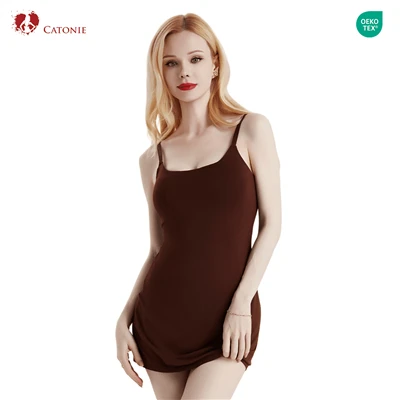
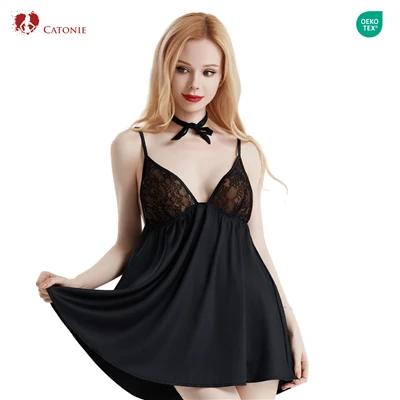
When buying bras, many people notice a phenomenon: even the same size can feel significantly different depending on the style. Some are too tight, some too loose, and some fit well in certain areas but feel unstable overall. This is not uncommon, as the bra's design, function, and structural details all affect the actual wearing experience. Size is just a basic reference; variations in cut and support structure between different styles will result in different fits for the same size. Understanding these differences helps in making more informed decisions when buying, moving beyond simply relying on numbers and choosing based on style characteristics for a more comfortable and well-fitting experience.

Differences in Fit Due to Different Styles
Changes in style are one of the important reasons for different sizing sensations.
- Different Cup Shapes: Full-cup, half-cup, or push-up designs offer different ways of wrapping the breasts, naturally resulting in different wearing sensations.
- Side Panel and Structural Changes: Different side wing widths and support structures affect overall stability and coverage.
Understanding the characteristics of the design helps determine how the same size performs in different styles.
Functional design affects sizing experience
Underwear with different functional orientations will have different sizing requirements.
- Sports bras are tighter: To provide stronger support, sports bras are usually designed to fit more snugly, feeling tighter when worn.
- Wire-free or comfort bras are looser: These designs emphasize comfort, and the sizing may be softer, with different wrapping methods.
Choosing a style based on the usage scenario can better match actual needs.
Fabric and elasticity differences cause variations
Different materials directly affect the elasticity of the sizing.
- High-elasticity fabrics are more adaptable: Materials with better elasticity can accommodate more body shape changes, with a higher sizing tolerance.
- Low-elasticity fabrics rely more on precise sizing: Fabrics with less elasticity have stricter sizing requirements, and deviations are more easily amplified.
Paying attention to fabric characteristics helps improve wearing comfort and stability.
Differences in brand and cutting standards
Different brands have different design philosophies, leading to differences in sizing.
- Size labeling discrepancies: Different brands may have slightly different sizing systems, and even if the labeling is consistent, the actual fit can vary.
- Different tailoring styles: Some lean towards shaping and shaping, while others prioritize comfort; these differences affect the wearing experience.
Choosing based on brand characteristics can reduce the hassle of ill-fitting sizes.
When choosing underwear, relying solely on size numbers is often insufficient to meet actual needs; the differences between styles need to be fully considered. Understanding the cut, functional design, and fabric characteristics allows for a more accurate assessment of which style suits you best. Observing the underwear's structure and wearing effect from multiple angles helps reduce the need for repeated exchanges. Combining size and style considerations not only improves comfort but also creates a more natural and harmonious overall look. Paying attention to details makes each choice more confident and ensures that the underwear truly meets your body's needs.