Many people notice gaps at the top or edges of their bra cups and instinctively assume they bought the wrong size. While gaps are often related to bra cups being too large, they aren't the only cause. Factors such as breast shape differences, bra design, strap adjustments, and fabric structure can all prevent the cups from fitting the breasts perfectly. In some cases, even with the correct size, gaps or uneven fit may still occur. Judging size solely by gaps can easily overlook the real reasons. Understanding the different causes of gaps helps in making more accurate choices, achieving a better balance between comfort and stability.
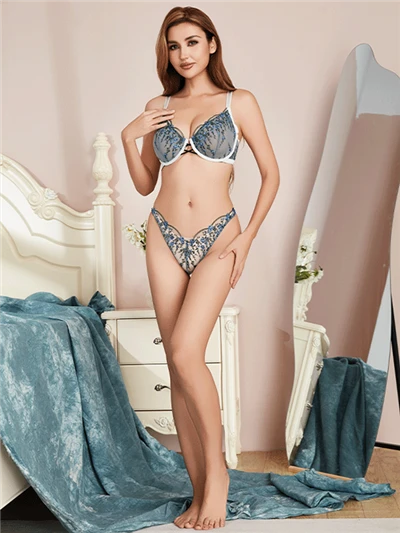
Cups that are too large can indeed cause gaps
Mismatched cup size is one of the most common causes of gaps.
- Breasts cannot fill the space: When the cup size is too large, gaps easily form at the top or sides.
- Decreased fit during activity: With gaps, the bra is more likely to shift during movement.
Adjusting the cup size appropriately can improve noticeable gaps.
A mismatch between breast shape and bra design can cause gaps
Even if the size is correct, an unsuitable design can affect the fit.
- Significant differences in cup depth: Different designs adapt to different breast shapes to varying degrees.
- Breast shape affects padding: Breasts that are thinner at the top and thicker at the bottom, or those that are wider outwards, are more prone to gaps.
Finding a design that suits your breast shape is more important than simply changing to a smaller size.
Improper adjustment of shoulder straps and underbust can affect the fit
An overall structural imbalance can also cause gaps in the cups.
- Loose shoulder straps cause the cups to sag: When they cannot maintain the correct position, gaps are likely to form at the top.
- An unstable underbust affects overall support: If the bra slips, the fit of the cups will decrease.
Adjusting details can improve many gap-filling issues.
Fabric and design structure also have an impact
Different materials and processes will change how the bra is worn.
- A stiff cup is not easy to fit: When it lacks softness, gaps are likely to form between the cup and the breast.
- Thin fabrics are more dependent on breast shape matching: When the design is unsuitable, gaps will be more noticeable.
Choosing the right bra based on its material characteristics makes it easier to achieve a natural fit.
Empty cups in a bra don't necessarily mean the cup size is too large; it's often the result of multiple factors. By considering your breast shape, the bra's design, and how it feels when worn, you can more accurately pinpoint the problem. Taking into account size, adjustment methods, and material characteristics helps reduce misjudgments. Paying attention to these details ensures a better fit and improves overall stability and comfort.