

Many people experience frequent bra strap slippage when wearing bras, often attributing it to narrow shoulders or an improperly designed strap. However, the fit of the underbust band directly affects strap stability. The overall structure of a bra is interconnected; when the underbust band is too large, the support is weakened, causing the bra to shift more easily across the body, altering the strap's original stress distribution. Even with a tighter strap adjustment, slippage can still occur if the underbust band doesn't provide stable support. Understanding the relationship between the underbust band and straps helps in accurately identifying the problem, making bra selection and adjustments more effective, and improving the overall wearing experience.
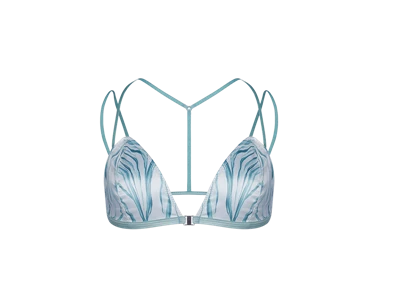
A loose underbust band reduces overall stability
The underbust band is a crucial foundation for a bra's support structure.
- Bra tends to ride up: When the underbust band is too large, it doesn't fit securely against the body, making it more prone to shifting during activity.
- Shoulder strap stress distribution changes: An unstable overall structure causes the straps to deviate from their original position.
A stable underbust band helps reduce strap slippage.
The shoulder straps will be forced to bear more weight
When there is insufficient support under the bust, the pressure on the shoulder straps will increase significantly.
- Uneven stress leads to slippage: Shoulder straps bearing extra tension for extended periods are more prone to slipping outwards.
- Frequent adjustments affect the experience: Constantly adjusting the shoulder straps reduces wearing comfort.
Evenly distributing support improves overall stability.
Bra shape and body type also affect shoulder strap performance
Besides the underbust measurement, other factors are also worth considering.
- Different shoulder structures: Different shoulder shapes have different effects on shoulder strap stability.
- Bra design affects support: Back structure and shoulder strap angle both alter the wearing experience.
Choosing a bra shape that suits your own characteristics makes it easier to achieve a stable experience.
Proper adjustments can improve shoulder strap slippage
Proper adjustments help optimize the overall fit.
- Reconfirm underbust measurement: A proper underbust measurement improves overall support.
- Adjust shoulder strap length: Avoid being too loose or too tight; maintain a natural fit.
Detailed adjustments can significantly improve everyday wearing comfort.
A larger underbust measurement can indeed increase the likelihood of shoulder straps slipping, as it affects the overall stability of the bra. By focusing on the underbust fit, shoulder strap tension, and overall design, you can more accurately pinpoint the cause of the problem. Focusing on the overall structure rather than a single area helps improve stability. Paying attention to these details allows the bra to better fit the body, reduces the inconvenience of frequent adjustments, and makes everyday wear more comfortable and natural.




