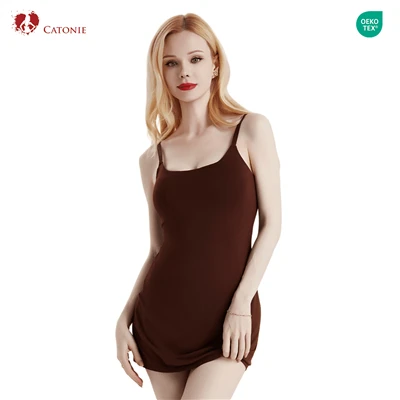
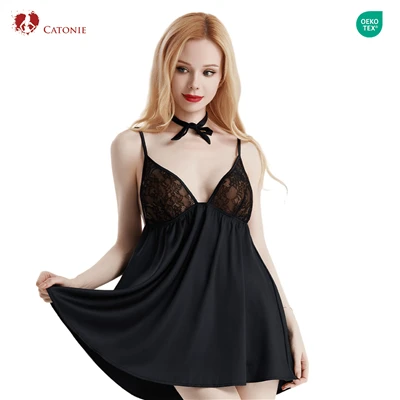
Many people face the same problem when buying lingerie: they choose a size according to the size chart, but the product still does not feel comfortable after wearing it. Some people find the band too loose and the lingerie shifts during movement, while others feel the cups do not fit properly and create pressure after long hours of wear. For custom lingerie, developing exclusive sizes is not simply about rearranging S, M, and L sizes. It requires a deeper understanding of different body shapes and creating a more accurate sizing system. A good lingerie size system is not just about helping consumers "fit into" a product, but making them feel comfortable while wearing it. This is why more lingerie brands are paying attention to personalized size development.

Understand Where Consumers Experience Problems Before Creating Sizes
Developing exclusive sizes should not start by simply modifying an existing size chart. Many brands overlook one important point: consumers often cannot find the right size not because there are too few options, but because the real fitting problems have not been identified.
During the early development stage, brands can focus on:
- Collecting common consumer feedback, such as tightness, looseness, empty cup space, or pressure issues.
- Recording actual wearing experiences from different body types instead of only looking at measurements.
- Analyzing which sizes receive the most returns or exchanges and finding areas for improvement.
For example, two consumers may have similar bust measurements but different body proportions, resulting in completely different wearing experiences. Some people may need a wider band design, while others may need more suitable cup space. The key to exclusive size development is identifying these small but important differences.
Do Not Simply Add More Sizes; Make Each Size More Practical
Many people think custom lingerie means creating more size options, but that is not always the best approach. Too few sizes make it difficult for consumers to find a suitable fit, while too many sizes can increase production and inventory pressure. The better approach is creating a size range where every option has real value.
During development, brands can consider:
- Adding overlooked middle sizes to reduce fitting problems between two standard options.
- Creating more detailed categories for different body types, such as fuller busts or smaller underbust measurements.
- Adjusting size ranges based on product categories, since everyday lingerie and sports lingerie may require different standards.
A good size system is not about having the most numbers possible. It is about making the selection process easier for consumers. Buying lingerie is a personal experience, and overly complicated size choices can make customers hesitate.
Match Size Development with Pattern Design for Better Wearing Results
Many brands focus only on bust and underbust measurements when developing sizes, but the final wearing experience is also affected by the product pattern. The same size can feel completely different when made with different designs.
During product development, brands should pay attention to:
- Adjusting cup capacity for different body shapes to provide enough space and comfort.
- Improving band fit to reduce shifting during wear.
- Optimizing details such as straps and side panels for better pressure distribution.
Consumers do not judge lingerie by the size chart alone. They judge it by how it feels when worn. Even accurate measurements cannot create a good experience if the pattern design is not suitable. Exclusive size development requires both accurate data and practical design adjustments.
Improve Size Solutions Through Real Fitting Tests
Since lingerie is a close-fitting product, many issues can only be discovered through actual wearing tests. When developing exclusive sizes, fitting tests are an important step. Measurement data alone cannot fully reflect how consumers feel during daily use.
Testing can focus on:
- Whether certain areas become uncomfortable after several hours of wear.
- Whether the lingerie stays stable during sitting, walking, and arm movements.
- Differences in feedback from consumers with different body shapes.
Many successful lingerie brands continue adjusting their size systems through customer feedback because real wearing experiences often reveal problems that are missed during the design stage. A size system is not created once and finished forever; it improves through continuous testing and refinement.
Developing exclusive sizes for custom lingerie is ultimately about solving the problem of consumers buying products that do not feel right. It is not simply about adding more size options, but about improving products through consumer feedback, body data, design adjustments, and real fitting tests. For lingerie brands, a more accurate lingerie size system can improve customer satisfaction and reduce problems after purchase. As consumers continue to focus more on comfort and personalization, brands that truly create products for different body needs will have stronger opportunities to gain market recognition.