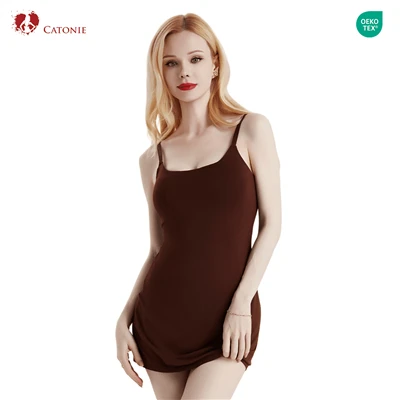
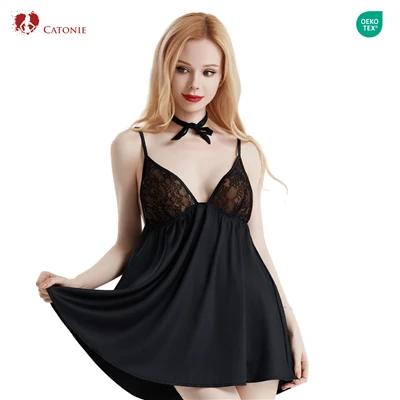
When developing lingerie through OEM customization, it may seem simple at first: take the same design and produce it in S, M, L, XL, and larger sizes. Once production begins, however, more problems can quickly appear. A style may fit well in a smaller size but feel too tight in a larger one. Enlarging the cup may also affect strap positioning, while a stretchy fabric may behave differently when the pattern size changes. Multi-size production is not simply about making one garment bigger or smaller. The goal is to keep the basic design logic and wearing experience consistent across different body sizes. For lingerie OEM production, careful pattern development and production control are both important.

How Does Lingerie OEM Multi-Size Production Work? Start with the Base Size
The starting point for multi-size development is choosing a clear base size. This size is normally used as the reference for grading. If the base pattern already has problems with cup shape, underband fit, or strap positioning, those problems can easily carry over into the other sizes. During OEM customization, brands need to define their target consumers, product type, and size range before pattern development begins.
During the initial pattern-making stage, pay close attention to:
- Base size measurements: Including bust, underbust, cup height, cup width, and other key measurements.
- Size range: Decide whether the product will cover a limited range or extend into a broader size selection.
- Cup development: Different sizes should not simply be enlarged using the same proportional increase.
- Strap and underband positioning: As the size changes, the pressure points and load distribution change as well.
Once the base pattern is ready, sample garments should be produced for fitting and evaluation. This is particularly important for bras because size changes can affect cup volume, underband pressure, and strap tension. A pattern that works well in M does not automatically mean that it will work equally well in 2XL or 3XL. An experienced OEM factory needs solid pattern-making skills, while the brand should clearly confirm the critical measurements before production.
What Should Be Considered When Grading Lingerie Sizes?
Size grading is one of the most important steps in multi-size production. In simple terms, grading means taking a base pattern and extending it into different sizes according to predetermined measurement rules. Lingerie needs a close fit to the body, and changes in the bust, waist, and underbust do not always happen at exactly the same rate. This makes grading more complicated than simply enlarging a basic T-shirt.
Common grading considerations include:
- Bust and cup volume: Larger sizes need appropriate capacity, while cup depth may also need adjustment.
- Underband changes: Each size needs a reasonable increase to prevent the band from becoming too tight or too loose.
- Side-wing height: Larger sizes may require greater coverage and more suitable proportions.
- Strap width and position: Larger sizes can place greater tension on the straps.
Finished samples should ideally be checked before mass production. Several representative sizes, such as a smaller size, a middle size, and a larger size, can be sampled to see how the pattern changes across the range. This makes it easier to identify problems with grading. In many cases, the issue is not the base pattern itself but the grading rules used to create the other sizes.
How Can Multi-Size Lingerie Production Control Fabric Costs?
A larger size range can also affect manufacturing costs. Larger garments use more fabric, while cutting efficiency can change as pattern pieces become bigger. When an OEM order includes multiple sizes, poor marker planning can increase fabric waste. For brands that need to manage purchasing costs carefully, this is a very practical production issue.
Before production, the basic calculation can be made as:
Fabric consumption per garment × Quantity of each size = Estimated fabric requirement
Actual purchasing also needs to account for reasonable production allowances, including cutting waste, shrinkage, and potential production defects. The stretch, fabric width, and texture of different lingerie fabrics can all affect marker efficiency. Fabrics with lace patterns, stripes, or special surface designs may also require pattern matching, which can increase material consumption.
For multi-size orders, it is useful to prepare a clear size ratio sheet showing the quantity, estimated fabric consumption, and production batch for each size. With accurate data, the factory can plan cutting, sewing, and packing more efficiently while reducing rework caused by last-minute quantity changes.
How Can Lingerie OEM Factories Keep Quality Consistent Across Sizes?
The real challenge in multi-size mass production is keeping every size consistent rather than making just one size look perfect. Once production begins, cutting accuracy, sewing tension, elastic length, and cup positioning can all affect the finished garment. For plus-size lingerie in particular, underbands and straps carry greater loads, so production details deserve extra attention.
During mass production, factories can focus on:
- Cut-piece measurements: Check samples from different sizes to confirm that actual pieces match the approved patterns.
- Sewing quality: Look for excessive tension, puckering, or uneven stretching along the seams.
- Elastic recovery: Pay particular attention to the underband and side wings in larger sizes.
- Finished garment measurements: Inspect each size instead of using one size to represent the entire range.
- Post-wash performance: Test shrinkage, deformation, and stretch recovery on selected samples.
For a multi-size OEM order, first-piece approval should ideally take place before full-scale production. Key sizes can be produced and checked first, allowing measurements and fit issues to be corrected before the entire order enters production. Discovering a problem after thousands of pieces have already been completed can make rework much more expensive.
Achieving multi-size production through lingerie OEM customization is not simply a matter of enlarging one pattern several times. The process involves the base pattern, grading rules, fabric planning, sample approval, and mass-production quality control. Smaller sizes may require attention to close fit, middle sizes need stable proportions, while larger sizes often require more attention to the underband, side wings, straps, and elastic recovery. When brands prepare clear size charts, patterns, samples, and production data in advance, OEM factories can verify each size step by step, making cutting, sewing, and quality inspection much smoother. Stable sizing can also create a more comfortable wearing experience while helping brands reduce returns and exchanges.