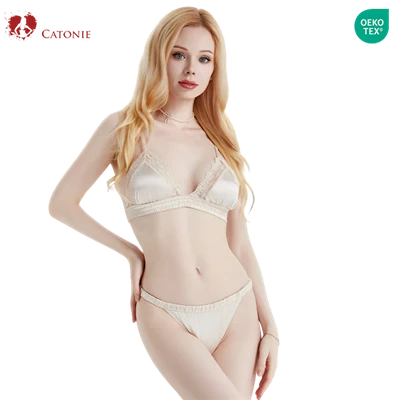
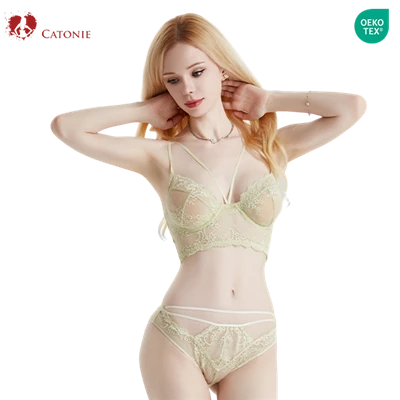
During the nursing stage, both body condition and daily needs change significantly, making underwear selection more important than usual. Compared with regular bras, nursing bras affect not only wearing comfort but also daily movement and overall skin feel. Among all factors, underwear fabric plays a key role in determining comfort. Different materials vary greatly in breathability, softness, and support. An unsuitable choice may lead to heat buildup, friction, or pressure discomfort. Understanding the characteristics of nursing bra fabrics helps make more practical and comfortable decisions.

Prioritize Soft and Skin-Friendly Underwear Fabrics
Skin tends to become more sensitive during the nursing period, so fabric texture directly affects comfort.
- Cotton fabric: Natural texture with a gentle skin feel.
- Modal fabric: Soft and smooth, suitable for long hours of wear.
- Long-staple cotton: Finer fibers that improve overall comfort.
- Avoid rough materials: Helps reduce friction and irritation.
- Pay attention to inner lining: The part touching the skin should feel especially soft.
Breathability and Moisture Absorption Are Also Important
During nursing, sweating and moisture buildup can occur more easily, making breathability essential.
- Moisture-absorbing fabrics: Help maintain a drier feeling.
- Breathable structures: Reduce heat and trapped humidity.
- Summer comfort matters more: Lightweight underwear fabrics feel fresher.
- Avoid overly thick designs: Heavy materials may feel restrictive.
- Balanced blended fabrics: Combine comfort with airflow performance.
Moderate Elasticity Improves Stability and Fit
Besides softness, nursing bras also require proper support and flexibility.
- Small amounts of spandex: Improve stretch and recovery.
- Adapts to body changes: Better suited for different stages of nursing.
- Reduces pressure: Elastic structure distributes tension more evenly.
- More stable during movement: Helps reduce shifting or looseness.
- Avoid excessive tightness: Overly strong elasticity may reduce comfort.
Additional Details to Consider When Choosing
Beyond underwear fabric, small design details also affect the wearing experience.
- Check fabric labels: Understand the actual material composition.
- Look at stitching quality: Softer seams reduce friction.
- Avoid strong chemical odors: A cleaner fabric feel is generally preferred.
- Choose thickness by season: Improves daily comfort and practicality.
- Frequent washing matters: Fabric durability is worth considering.
- Balance multiple needs: Comfort, support, and breathability should all be considered together.
The comfort of nursing bras is closely connected to the choice of underwear fabric. Softness, breathability, and moderate elasticity all influence long-term wearing experience. Different materials offer different strengths, and there is no single standard suitable for everyone. Choosing according to personal needs and daily use scenarios is more practical. Paying attention to fabric composition and real wearing comfort makes it easier to find suitable nursing bras that support a more relaxed and comfortable nursing period.