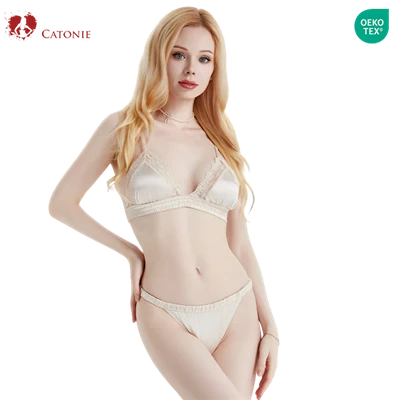
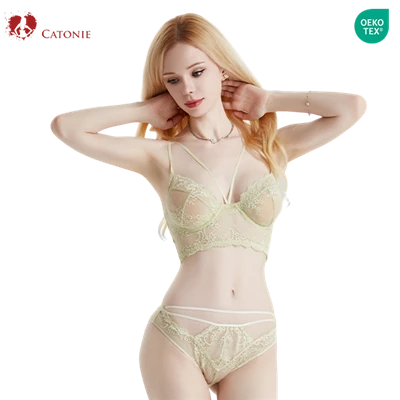
The plus-size lingerie market is full of products, but the styles that stand out are rarely just standard sizes made larger. Some wearers prioritize reliable support, while others want straps that do not dig into their shoulders, side panels that do not roll up, or a comfortable fit without sacrificing style. When products from different brands look too similar, consumers often compare prices instead. For plus-size lingerie brands, differentiation requires more than attractive colors and lace details. Fit, construction, comfort, and design identity all need to work together. When a product solves real everyday wearing problems, it has a better chance of earning consumer trust.

How Can Plus-Size Lingerie Be Designed to Stand Out? Start with Common Fit Problems
Plus-size lingerie design should focus on more than appearance. As bust volume increases, the tension placed on straps, bands, side panels, and cups also changes. Simply copying the construction of standard sizes can result in lingerie that looks good but causes slipping straps, tightness, or insufficient support after extended wear. Brands can start with common fit concerns and refine the structural details that have the greatest impact on comfort.
- Strap design: Slightly wider straps and carefully adjusted placement can help distribute shoulder pressure and reduce slipping during movement.
- Cup construction: Refine cup depth and shape to provide enough room for the bust and help prevent compression, gaping, or side spillage.
- Bands and side panels: Improve coverage and elastic recovery to reduce rolling and upward shifting.
- A lighter appearance: Use thoughtful fabric and structural combinations to reduce bulk, allowing supportive lingerie to maintain a clean, attractive look.
Not every feature needs to be included in a single product. Everyday styles can emphasize comfort and stability, lightweight designs can prioritize breathability and a close fit, and fashion collections can stand out through color, lace, and distinctive cuts. The clearer the product positioning, the easier it is to decide which details deserve the most attention during development.
What Fabrics Are Best for Plus-Size Lingerie? Balancing Support and Comfort
Fabric has a direct impact on how plus-size lingerie feels during wear. Materials that are too soft may not provide enough support, while overly firm fabrics can feel restrictive. Fabric selection should depend on the intended use of each style, including its required stretch, thickness, and structure, rather than simply favoring a particular fiber name.
|
Fabric Type |
Key Features |
Suitable Product Designs |
|
Nylon and spandex blends |
Close fit, elasticity, and recovery |
Everyday bras and seamless plus-size lingerie |
|
Cotton-blend fabrics |
Natural feel and everyday comfort |
Basic styles and loungewear |
|
Lightweight mesh |
Breathable construction for targeted paneling |
Summer lingerie and breathable designs |
|
Lace |
Decorative appeal and versatile styling |
Fashion bras and lingerie sets |
During fabric selection, check how well the material recovers after stretching and whether repeated washing causes it to loosen, pill, or lose its shape. Areas that need support can use materials with reliable recovery, while skin-contact areas should prioritize softness and comfortable seams. When fabric and pattern construction work together, brands can create supportive lingerie without sacrificing wearing comfort.
How Can Plus-Size Lingerie Brands Build a Distinctive Style? Color, Details, and Collections Matter
Once fit and comfort meet basic expectations, appearance becomes an important way for consumers to distinguish one brand from another. Plus-size lingerie does not have to rely exclusively on dark colors, loose silhouettes, or purely functional designs. Fresh color palettes, refined decorative details, and styles suited to everyday wear can all help create a more appealing collection. The key is to maintain a recognizable design direction instead of giving every new product a completely different look.
- Establish a brand color palette: Alongside classic black and nude, consider soft pink, burgundy, and seasonal shades to make collections more recognizable.
- Refine decorative details: Lace trims, strap designs, and closure details can create a memorable look, but they should never compromise comfort.
- Organize product collections: Separate everyday support styles, lightweight comfort designs, and fashion-focused pieces so shoppers can identify products that suit their needs.
- Ensure proper size grading: Adding larger size labels is not enough. Cup shape, proportions, and fit should remain appropriate across the size range.
- Maintain design consistency: Different collections can have their own character, but shared colors, decorative elements, or pattern details help create continuity as new styles are introduced.
When these design elements remain consistent across collections, consumers can more easily recognize the brand's identity, while the brand can develop new products more efficiently. Rather than chasing every passing trend, it is often more effective to build a distinctive style through consistent fit, colors, and carefully chosen details.
How Can Plus-Size Lingerie Move from Sampling to Mass Production? Key OEM/ODM Considerations
A design that looks right on paper does not automatically translate into a comfortable finished garment. During sampling, plus-size lingerie should be tested on people with different body shapes. Check how the garment performs when raising the arms, bending over, and moving for extended periods, then refine the cups, band, straps, and side panels as needed. Once mass production begins, measurements, fabric elasticity, and sewing quality must remain consistent across sizes. Otherwise, even a successful sample may be difficult to reproduce reliably.
CATONIE provides lingerie OEM/ODM services, supporting brands with fabric matching, sample development, pattern adjustments, and bulk production. Brands can submit an existing design concept or technical pack, or begin by exploring styles, fabrics, and color options. Through fit testing, detail refinement, and pre-production checks, design ideas can be translated more effectively into finished garments.
For plus-size lingerie brands, differentiation takes more than increasing the size range or changing the color. The real opportunity lies in creating products with clear strengths in support, comfort, appearance, and fit. By identifying the needs of the target market and refining fabrics, patterns, and samples through practical testing, brands can develop lingerie that is both attractive and functional. For brands planning to expand their plus-size collections, reliable sample development and mass-production capabilities also help turn design concepts into products that can be sold consistently over time.