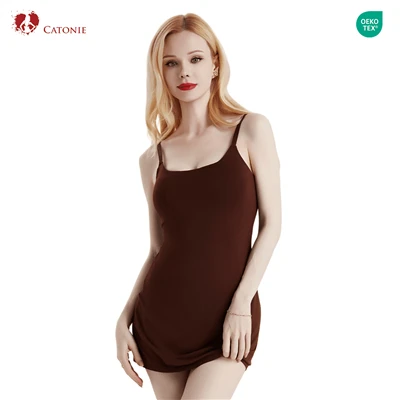
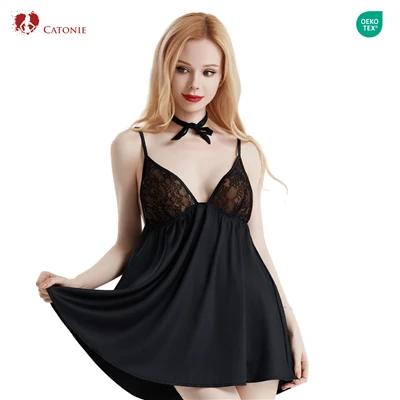
Fabric matters more than many lingerie brands expect. The same design can feel completely different after switching to another fabric, affecting softness, stretch, fit, and even the overall shape of the garment. If a brand wants to create recognizable products, simply choosing an existing fabric is not always enough. Product positioning, target customers, wearing needs, and garment construction all need to be considered before deciding whether custom lingerie fabric is the right choice. During OEM and ODM development, the right fabric can also make a big difference to sampling and bulk production.

How to Choose Custom Lingerie Fabric? Recommended Fabrics for Different Products
Different lingerie products have different fabric requirements. Before starting development, brands can define the intended use and wearing situation, then narrow down suitable materials. The following fabrics are commonly used in lingerie development and can serve as a practical reference when creating a custom fabric solution.
|
Lingerie Product |
Recommended Fabric |
Fabric Features |
Common Needs |
|
Everyday lingerie |
Cotton, modal, bamboo fiber blends |
Soft, breathable, skin-friendly |
Comfortable for extended wear |
|
Premium lingerie |
Silk, lace, fine-denier nylon |
Smooth feel, refined appearance |
Emphasizes quality and design |
|
Seamless lingerie |
Nylon, spandex, high-stretch blends |
Lightweight, elastic, close-fitting |
Helps reduce visible lines and pressure marks |
|
Sports bras |
Nylon, polyester, spandex |
Good recovery, durable, moisture-wicking |
Suitable for exercise and frequent movement |
|
Sleepwear and loungewear |
Modal, cotton, bamboo fiber |
Soft, breathable, comfortable drape |
Relaxed everyday wear |
|
Shapewear |
Nylon, spandex, high-stretch fabrics |
Strong stretch and recovery |
Provides a stable, supportive fit |
These recommendations are not fixed rules. The same fabric can perform differently when used in different products. Seamless lingerie usually needs a lightweight, close-fitting material, while shapewear places more emphasis on sustained stretch and recovery. The fabric composition and construction should not simply be copied from one product to another. When customizing lingerie fabric, brands should communicate the desired hand feel, stretch, and finished appearance clearly, allowing the fabric solution to work with the garment structure.
What Fabric Parameters Should Be Confirmed for Custom Lingerie?
Once the fabric direction has been decided, the next step is to define the material specifications more precisely. Looking at color and hand feel alone is not enough. Once fabric becomes a finished lingerie garment, it is affected by stretching, sewing, washing, and body movement. Confirming the important parameters early can make the sampling process much smoother.
- Fabric composition should match the product positioning while meeting requirements for skin comfort, durability, and care.
- Stretch should be checked in both horizontal and vertical directions, along with recovery after repeated stretching.
- Fabric weight and thickness can affect how lightweight the lingerie feels, how it fits, and how the finished silhouette looks.
- Colors should be confirmed through color references, dyeing samples, and batch-to-batch color control.
- Special fabrics should be checked for compatibility with lace, printing, embroidery, and other finishing processes.
Once the main parameters are confirmed, brands can request fabric samples for further testing. There is no need to rush into bulk purchasing. Testing the material as part of an actual lingerie sample often gives a much clearer picture than evaluating the fabric on its own.
Why Should Lingerie Fabric Be Tested Through Sampling?
A fabric that feels soft in your hand does not automatically feel the same when turned into lingerie. This is particularly important for high-stretch, seamless, and functional materials. Cutting and sewing can change how a fabric behaves, while repeated wearing can reveal issues that are difficult to spot from a fabric swatch alone. Testing before bulk production gives brands an opportunity to identify these problems early.
- Prepare small fabric samples to check color, thickness, softness, and stretch performance.
- Make samples using the actual lingerie pattern and check the fit around the cups, underband, straps, and side panels.
- Test recovery after repeated stretching to reduce the risk of the garment becoming loose after regular wear.
- Carry out basic washing tests to check shrinkage, colorfastness, deformation, and changes in hand feel.
- Compare samples from different batches to identify noticeable differences in color or texture.
A small issue found during sampling is much easier to deal with than a fabric problem discovered after bulk production has started. Testing the material together with the actual garment gives brands a clearer idea of whether the fabric is suitable and also creates room to adjust patterns or production methods before moving forward.
How Can a Brand Find a Custom Lingerie Fabric Manufacturer?
Brands without an in-house fabric development team may find it easier to work with an OEM/ODM manufacturer that can participate in material selection as well as garment development. Instead of simply asking whether a certain fabric is available, it is more useful to share design drawings, tech packs, product references, target markets, and the desired hand feel. This gives the production team a clearer picture of the product the brand is trying to create.
- Brands with an established design can provide a tech pack, design files, or reference samples for fabric matching.
- Brands still developing their products can start with the product concept, shortlist suitable materials, and confirm the final choice through sampling.
- Special color or hand-feel requirements should be discussed early, including dyeing and fabric finishing capabilities.
- When development costs need to be controlled, brands can compare how different fabric options affect price, hand feel, and finished-garment performance.
The challenging part of fabric customization is often the gap between the feel a designer imagines and the final garment that comes out of production. CATONIE began as a lingerie OEM factory and gradually expanded its ODM development capabilities, supported by a professional R&D center. Brands can communicate the desired hand feel, stretch, appearance, or product style and then refine the material through fabric samples and garment prototypes rather than being limited to a standard fabric from the beginning. This approach is particularly useful when developing new styles, improving existing products, or testing new fabric concepts.
Customizing fabric for a lingerie brand is not simply about finding a fabric that looks attractive. The material needs to work with the product in terms of softness, stretch, weight, color, and manufacturing performance. Brands can define the desired wearing experience first, shortlist suitable materials, and then use sampling to refine the final choice before bulk production. When the fabric is right, comfort, fit, and brand identity become much easier to maintain across the finished lingerie collection.