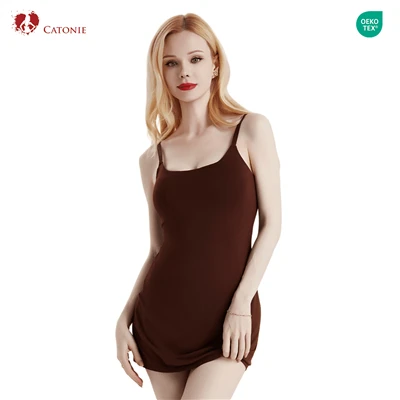
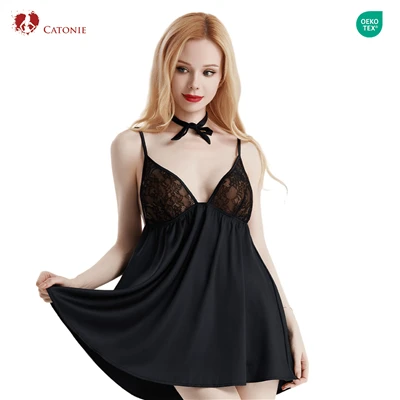
Many people face the same problem when buying lingerie: they purchase their usual size but still feel uncomfortable after wearing it. Some find the band too tight, others notice that the cups do not fit properly, while some experience slipping straps or an unnatural bust shape. In fact, lingerie size is not simply determined by one number. It needs to be considered together with bust measurements, underbust size, body proportions, and different lingerie designs. The right lingerie size can improve wearing comfort and help the lingerie provide better support. For lingerie brands, a well-developed sizing system also plays an important role in product experience and customer satisfaction.

Measure Body Data to Find Your Basic Lingerie Size
The first step in determining lingerie size is understanding your own body measurements. Many people continue wearing the same size for years, but body shape can change due to age, weight changes, and lifestyle habits. Regularly measuring bust data can help you choose a more suitable size.
Important measurements include:
- Measuring the bust circumference to understand the overall bust size.
- Measuring the underbust circumference to determine the band size.
- Keeping the body naturally upright during measurement to reduce errors.
- Recording changes in measurements over time for easier size adjustment.
When measuring lingerie size, both the tools and method can affect the results. A measuring tape should stay level around the body and fit closely without pulling too tightly. After obtaining accurate measurements, comparing them with the brand's size chart is usually more reliable than simply referring to previous purchases.
Understand the Relationship Between Cup Size and Band Size
Many consumers focus only on cup letters such as A, B, C, or D when choosing lingerie but overlook the importance of the band size. In reality, lingerie size is usually made up of both the band and cup size, and these two parts work together.
When selecting a size, pay attention to:
- The band size determines overall stability and should not be too loose or too tight.
- The cup size needs to match bust volume to avoid gaps or compression.
- The same cup letter may represent different actual cup volumes with different band sizes.
For example, two bras with the same cup letter may have different wearing space because of different band sizes. When choosing lingerie, it is important not to focus only on cup size but also consider the overall proportion. A proper size combination allows the bust to receive natural coverage and comfortable support.
Adjust Size Selection Based on Different Body Shapes
Everyone has different body proportions, and even people with similar measurements may need different lingerie sizes. This is especially true for plus size lingerie consumers, who often need to pay more attention to bust shape, shoulder width, and wearing preferences.
Size selection can consider:
- Fuller busts may require deeper cups and stronger support.
- Outward-facing bust shapes may benefit from styles with better coverage.
- Wider backs may require attention to band elasticity and stability.
Lingerie size is not a completely fixed standard. Different brands may have differences in pattern design, fabric stretch, and construction methods. Some styles use highly elastic fabrics and offer a more flexible fit range, while structured support lingerie usually requires more accurate size matching.
Judge Size Accuracy Through the Actual Wearing Experience
Measurements can help narrow down the right size range, but the final wearing experience is still very important. A well-fitting lingerie piece should feel natural, provide enough support, and avoid obvious pressure.
During fitting, check:
- Whether the cup edges sit smoothly without gaps.
- Whether the band stays in place without riding up.
- Whether strap pressure is evenly distributed without obvious marks.
- Whether the lingerie remains comfortable during movement.
If you experience issues such as breast overflow, empty cups, or strong pressure marks on the back, the size or pattern may not be suitable. Especially when purchasing from different lingerie brands, adjustments may be needed based on the specific product design instead of using the same size every time.
Finding the right lingerie size requires considering multiple factors, including body measurements, cup and band proportions, body shape, and actual fitting results. The correct size not only improves comfort but also helps lingerie provide better support and shaping effects. For consumers, spending a little time understanding personal measurements can reduce problems caused by poor fitting. For lingerie brands, a complete lingerie size system can help more consumers find suitable products while improving shopping experiences and brand recognition.