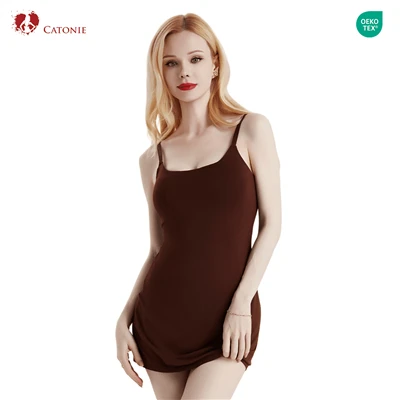
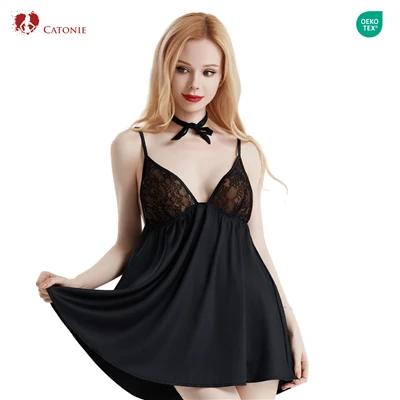
Developing plus size lingerie is not simply a matter of making standard lingerie larger. Once the size range increases, differences in bust shape, body proportions, support needs, and wearing comfort become much more obvious. A design that works well in smaller sizes may not provide the same fit when scaled up. This is why plus size lingerie development needs more than a larger pattern. Brands need to study real body measurements, adjust the structure, test samples, and refine the product based on actual fitting feedback. Done well, the result can offer better support without making the garment feel bulky or restrictive.

What Should Be Considered When Developing Plus Size Lingerie?
Plus size consumers can have very different body proportions even when they wear the same nominal size. Bust volume, underbust measurement, shoulder width, back width, and waist proportions can all affect how lingerie sits on the body. Before creating the first sample, brands need to identify their target customer and collect useful measurement data rather than simply enlarging an existing size.
- Build a size range from real measurements so each size represents a practical body range rather than just a larger version of the previous size.
- Study bust shape and volume because cup depth, width, and shape may need independent adjustments as the size increases.
- Review support requirements around the underbust, side panels, straps, and back band to reduce pressure and unwanted movement.
- Consider different body proportions when developing bodysuits, shapewear, sleepwear, and other fitted products, since overall garment length can become just as important as bust measurements.
A good development plan starts with data but does not stop there. Measurement information gives the pattern team a starting point, while fitting tests show whether the finished garment actually works on the body. This is particularly important for plus size lingerie, where small pattern changes can make a noticeable difference in comfort and support.
How Should Plus Size Lingerie Patterns Be Adjusted?
Simply increasing every measurement by the same percentage often creates problems. Bust volume does not necessarily grow in the same way as underbust width, strap length, or back width. If the entire pattern is enlarged without checking these relationships, the finished lingerie may look oversized while still feeling uncomfortable in key areas.
|
Area to Adjust |
Common Fit Issue |
Development Direction |
|
Cup shape |
Compression or empty space |
Adjust cup depth and width |
|
Underbust band |
Too tight or unstable |
Optimize band measurement and elasticity |
|
Straps |
Shoulder pressure or slipping |
Adjust strap width, length, and position |
|
Side panel |
Insufficient support |
Increase coverage or reinforce structure |
|
Back band |
Riding up or rolling |
Refine width and support distribution |
|
Bodysuit length |
Pulling during movement |
Adjust body length and crotch space |
Pattern development for plus size lingerie needs coordinated changes rather than simple enlargement. Cup volume, underwire length, strap position, side coverage, and back-band construction may all need to be adjusted together. The goal is to create a garment that follows the body naturally while maintaining support and a clean appearance.
How Should Custom Plus Size Lingerie Be Tested?
A sample may look fine on a fitting model but behave very differently during daily movement. Plus size lingerie should be tested while standing, sitting, walking, raising the arms, and changing posture. These movements can reveal pressure points, shifting bands, cup gaps, and insufficient support that are easy to miss during a static fitting.
- Check the underbust band during movement to make sure it stays stable without creating excessive pressure.
- Observe cup coverage and shape to identify compression, overflow, empty space, or an unnatural silhouette.
- Test strap positioning and width because larger-size garments may place more load on the shoulders.
- Check side and back support to see whether the garment stays in place without rolling or shifting.
- Collect feedback from different body shapes instead of using one fitting model as the only reference for the complete size range.
After fitting, the development team can mark the areas that need refinement and return to the pattern, materials, and construction details. This process takes time, but it can prevent much bigger problems during bulk production. A few rounds of targeted sample adjustments can make the final product feel much more natural and reliable.
How Can Brands Build a Complete Custom Plus Size Lingerie Product?
Once the target customer and basic size range have been confirmed, the next step is turning measurements and fitting results into a repeatable product development system. This includes pattern specifications, material selection, sample testing, grading rules, and production requirements. A clear process makes it easier to expand the collection without losing consistency between sizes.
CATONIE has provided OEM manufacturing services since 2013 and has gradually developed its R&D and ODM capabilities. Its R&D team can support material matching, sample development, fit refinement, and product optimization. For brands that already have a design concept or technical package, CATONIE can manufacture according to specific requirements. Brands that are still exploring new products can also use its continuously updated style library to select silhouettes, fabrics, and color combinations suited to their target market.
Custom plus size lingerie is not simply about adding larger labels to an existing product. The real work lies in making sure the cup, band, straps, side panels, back structure, and overall garment proportions continue to work as the size changes. Brands that invest in measurement research, fitting tests, and pattern refinement can create plus size lingerie that feels supportive without becoming overly heavy or restrictive. For brands looking for OEM or ODM production, bringing these requirements into the development stage can also make sampling, grading, and bulk production much more efficient.