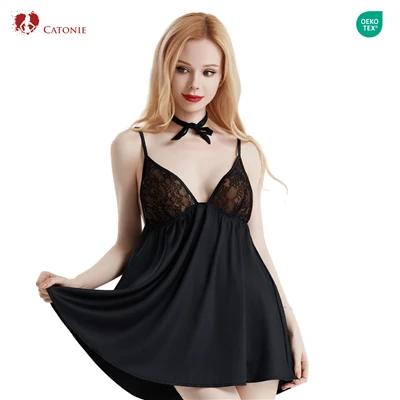
When choosing intimate apparel, many people tend to associate higher prices with better quality, assuming that expensive underwear fabrics must be superior. In reality, this assumption is not always accurate. Comfort and overall wearing experience depend on material properties, manufacturing processes, and how well the fabric matches personal needs-not just the price tag. Different price ranges correspond to different features and use cases. Understanding what drives the cost helps avoid unnecessary spending and leads to more practical choices.

What Determines the Price? It's More Than Just the Fabric
The price of underwear is influenced by multiple factors, not just the material itself.
- Raw materials: Natural fibers such as silk or long-staple cotton are more expensive.
- Manufacturing process: Complex production techniques increase overall cost.
- Brand and design: Branding and styling contribute to price differences.
- Functional features: Add-ons like antibacterial treatments or special finishes raise the price.
- Quality standards: Higher testing and safety standards also affect pricing.
Does Higher Price Mean Better Comfort?
A higher price does not guarantee better comfort for everyone.
- Silk: Smooth and luxurious, but requires careful maintenance.
- Modal: Soft and skin-friendly, though performance varies in humid conditions.
- Not universally suitable: Comfort depends on individual preferences.
- Wearing habits matter: Frequency and environment affect the experience.
- The right fit matters more: Suitability is more important than price.
Are Affordable Fabrics Inferior?
Reasonably priced fabrics can still meet most daily needs effectively.
- Cotton: Breathable and absorbent, ideal for everyday wear.
- Cotton + spandex blends: Provide comfort with added flexibility.
- Polyester: Durable and easy to maintain, suitable for specific uses.
- Cost efficiency: Focus on practicality and everyday function.
- Value for money: Meets essential needs while keeping costs lower.
How to Choose the Right Underwear Fabric?
Instead of focusing only on price, consider practical factors.
- Seasonal needs: Breathable fabrics for summer, warmer options for cooler weather.
- Skin comfort: Softness and feel should be a priority.
- Check fabric labels: Understand the actual material composition.
- Usage scenarios: Daily wear, sports, or special conditions require different fabrics.
- Balanced decision: Find the right mix of comfort, function, and cost.
More expensive underwear fabric is not necessarily better-it's about finding the right balance between comfort, functionality, and personal needs. High-priced options may offer advantages in materials or craftsmanship, but they are not always the best choice for everyone. Likewise, affordable fabrics can provide reliable performance for everyday use. Focusing on fabric properties and real-life comfort makes it easier to choose underwear that truly fits your lifestyle.