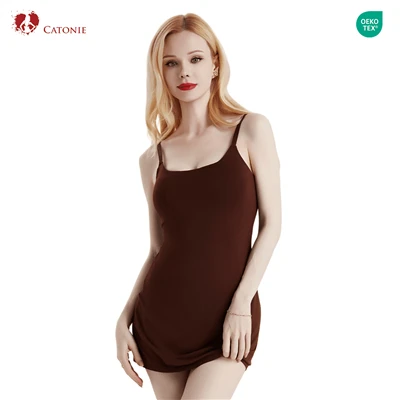
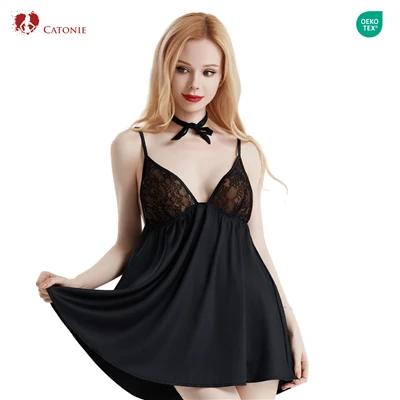
Nowadays, when buying underwear, many people pay attention to more than just the style. Comfort, breathability, support, and wearing experience have become equally important factors. Since underwear is a close-fitting garment, the fabric plays a major role in how it feels throughout the day. Regular fabrics may only meet basic wearing needs, while functional underwear fabrics are designed for specific purposes, such as moisture absorption, antibacterial protection, odor control, better elasticity, and improved support. Different functional fabrics are suitable for different needs and body types. Knowing the characteristics of these fabrics can help consumers make better choices and find underwear that truly matches their lifestyle.

Moisture-Wicking and Breathable Fabrics Keep Underwear Fresh and Comfortable
Underwear stays close to the skin for long periods, so fabrics with good breathability are especially important. When the fabric does not release heat or absorb moisture well, it can easily create a warm and uncomfortable feeling, especially during hot weather or increased physical activity. Because of this, many underwear brands use moisture-wicking fabrics to improve daily comfort.
Common moisture-wicking and breathable fabrics include:
- Modal fabric, which feels soft against the skin and has good moisture absorption.
- Bamboo fiber fabric, known for its breathability and refreshing feel.
- Tencel fabric, which has a smooth texture and is suitable for close-fitting underwear.
These fabrics are ideal for everyday wear, especially for people who prefer soft textures or often feel uncomfortable in warm conditions. They help reduce the damp feeling on the skin and keep underwear more comfortable during long hours of wear. However, different brands may use different processing methods, so the actual wearing experience can still vary.
High-Stretch and Supportive Fabrics Improve Fit and Stability
For plus size underwear, sports bras, or styles that require stronger support, fabric elasticity is extremely important. Underwear needs to wrap the body comfortably while allowing natural movement. If the fabric lacks flexibility, it may feel restrictive, lose its shape, or fail to provide a proper fit.
Common high-stretch functional fabrics include:
- Spandex fabric, which offers strong elasticity and is often blended with other fibers.
- Lycra fabric, known for its excellent stretch recovery ability.
- Nylon blended fabrics, which provide good durability along with flexibility.
High-stretch fabrics help underwear follow body curves better while reducing discomfort during movement. For women with fuller busts, proper elasticity can improve support and coverage, making underwear feel more stable. However, stronger elasticity does not always mean better comfort. Fabric that feels too tight may create pressure instead of providing a better wearing experience.
Antibacterial and Odor-Control Fabrics Help Reduce Unpleasant Smells
As consumers pay more attention to hygiene and comfort, antibacterial and odor-resistant underwear fabrics have become increasingly popular. Since underwear is worn close to the skin every day, sweat and moisture can affect freshness. Fabrics with antibacterial features are designed to help create a cleaner and more comfortable wearing environment.
Common antibacterial functional fabrics include:
- Silver ion antibacterial fabrics, which use special technology to help reduce bacterial growth.
- Antibacterial treated fibers, which improve fabric hygiene performance.
- Certain natural fiber blends, which help create a more comfortable wearing environment.
These functional fabrics are suitable for people who exercise often, sweat easily, or want better daily comfort. However, antibacterial features do not mean underwear does not need regular cleaning. Proper washing and suitable fabric choices are still important for keeping underwear fresh and comfortable.
Body-Shaping and Comfort Fabrics Meet Different Body Needs
Besides basic comfort functions, many underwear products now include shaping designs to provide better support and a smoother fit. This is especially important for plus size underwear and functional bras, where fabric structure and coverage play a bigger role.
Common shaping fabric features include:
- High-density fabrics, which provide stronger support.
- Composite stretch fabrics, balancing shaping ability and comfort.
- Seamless fabrics, reducing friction and visible lines under clothing.
- Pressure distribution designs, helping create a more natural wearing feel.
Good shaping underwear should not rely on excessive tightness to change the body shape. Instead, it should use fabric technology and structural design to provide better support while maintaining comfort. For people who want improved stability or a smoother appearance, these functional fabrics can offer practical benefits.
Functional underwear fabrics are becoming more diverse, with different materials designed for different needs. Some focus on softness and breathability, some emphasize elasticity and support, while others provide antibacterial, odor-control, or shaping functions. When choosing underwear, it is better not to focus only on the fabric name but also consider personal wearing habits, body shape, and actual needs. The right functional fabric can make underwear feel more comfortable while providing better support for everyday life.